
Fermented green beans are not only a tasty addition to your favorite dishes, but they’re also a nutritious way to boost the health benefits of your meals. When you ferment green beans, you unlock a rich source of vitamins, minerals, and antioxidants that can enhance their nutritional value. Not only do fermented green beans offer a deeper flavor profile, but they’re also a versatile ingredient that can add crunch and texture to salads, stir-fries, and other recipes. But what exactly is fermentation, and how can you harness its power in your cooking? In this article, we’ll take a closer look at the process of fermenting green beans, explore their unique flavors and textures, and provide expert tips on how to create and use them in your kitchen. By the end of this guide, you’ll be able to experiment with fermented green beans like a pro.
Understanding the Basics of Fermentation
Fermentation is a fascinating process that’s not only crucial for creating those delicious fermented green beans, but also rich in nutritional benefits. Let’s start by understanding the basic principles behind fermentation.
What is Fermentation?
Fermentation is an ancient process that has been used for centuries to preserve food, enhance flavor, and increase nutritional value. At its core, fermentation involves the action of microorganisms such as bacteria or yeast on a substance, typically producing lactic acid or other compounds in the process. This process can be observed naturally, such as when fruits ripen on the tree or bread gets stale, but it’s also been intentionally harnessed by humans to create a wide range of foods.
The science behind fermentation is rooted in microbiology and chemistry, with microorganisms like Lactobacillus plantarum playing a key role. These microbes feed on the sugars present in food, producing compounds that give fermented products their characteristic flavors and textures. Historically, fermentation has been used to preserve food by creating an acidic environment that inhibits the growth of pathogens, allowing for longer storage times.
In modern times, our understanding of fermentation has expanded beyond preservation to explore its potential health benefits. Fermentation is now recognized as a way to increase bioavailability of nutrients and produce beneficial compounds like vitamins and antioxidants. This foundation in basic biology will help you better understand how fermented green beans can unlock unique flavors and nutritional benefits, making them an exciting addition to your culinary repertoire.
Types of Fermentation Methods for Green Beans
When it comes to fermenting green beans, various methods can be employed to achieve distinct flavor profiles and nutritional benefits. Lacto-fermentation, a popular technique, relies on lactic acid produced by beneficial bacteria such as Leuconostoc or Lactobacillus to preserve the vegetables. This method is ideal for green beans that are high in moisture content.
Brine fermentation, another effective approach, involves submerging green beans in a saltwater solution to create an environment conducive to fermentation. This technique is well-suited for green beans with lower moisture levels.
Hot-sauce-style fermentation is a more aggressive method that employs high temperatures and acidity to rapidly ferment the green beans. This technique can be useful when working with large quantities or when time constraints are an issue.
To determine which fermentation method works best, consider factors such as the type of green bean variety, desired level of sourness, and available equipment. It’s also essential to maintain proper temperature control, sanitation, and monitoring throughout the fermentation process to ensure optimal results.
Benefits of Fermenting Green Beans
Fermenting green beans can significantly enhance their nutritional value by increasing the bioavailability of essential vitamins. Vitamin C, a water-soluble vitamin crucial for immune function and collagen production, becomes more accessible to the body after fermentation. Studies have shown that fermented green beans retain higher levels of ascorbic acid compared to raw or cooked counterparts.
The lactic acid produced during fermentation also plays a key role in increasing bioavailability. This process breaks down cell walls, making it easier for the body to absorb nutrients. For instance, vitamin K1, an essential nutrient involved in blood clotting and bone health, becomes more readily available after fermentation.
Practically speaking, this means that incorporating fermented green beans into your diet can have a significant impact on overall nutritional intake. Consider adding them to salads, sandwiches, or using as a side dish to boost your daily vitamin C and K1 consumption. By harnessing the power of lactic acid during fermentation, you can unlock the full potential of these nutrient-rich vegetables.
Preparing and Selecting Green Beans for Fermentation
Choosing the right green beans is crucial for successful fermentation, so let’s start by selecting beans that are young, tender, and free of blemishes. Next, we’ll explore how to prepare them for their new role.
Choosing the Right Variety of Green Beans
When selecting green beans for fermentation, consider the variety’s natural characteristics to ensure optimal results. Some popular varieties like Blue Lake and Kentucky Wonder are bred for their high sugar content and tender texture, making them well-suited for fermentation.
However, these varieties may not be the best choice if you prefer a stronger bean flavor. In that case, look for varieties with a higher protein content, such as Bush Blue or Romano beans. These will retain more of their natural taste during the fermentation process.
Avoid using green beans that are too old or have been stored improperly, as they may not ferment properly and can produce off-flavors. Typically, choose green beans that are firm, bright in color, and have a sweet aroma. When in doubt, ask your local farmer about the specific variety’s characteristics and how it will hold up to fermentation.
In general, opt for varieties with a lower water content, as these will ferment more quickly and produce a crunchier texture. For example, snap beans like Green Pod or French Filet tend to have less moisture than pole beans like Blue Lake. By choosing the right variety for your needs, you can unlock the full potential of fermented green beans in terms of flavor and nutrition.
Cleaning and Blanching Green Beans
To prepare green beans for fermentation, you’ll need to clean them thoroughly. Start by rinsing the beans under cold running water to remove any dirt or debris. Next, gently scrub the beans with a vegetable brush to dislodge any stubborn impurities. This step is crucial in preventing off-flavors and spoilage during fermentation.
After cleaning, it’s essential to blanch the green beans to inactivate enzymes that can cause them to become soggy or develop off-flavors. To do this, submerge the cleaned green beans in a large pot of boiling water for 3-5 minutes. Alternatively, you can steam them for 4-6 minutes. Immediately plunge the beans into an ice bath to stop the cooking process and help preserve their color.
Blanching helps maintain the crunchiness of the green beans while ensuring they’re properly sanitized for fermentation. Be sure not to overcook or undercook the beans, as this can affect the final texture and flavor of your fermented product. For optimal results, aim for a tender but still crisp texture before proceeding with the fermentation process.
Importance of Salt in Fermentation
Salt plays a crucial role in fermentation, serving as both a preservative and a flavor enhancer. When salt is added to fermented green beans, it inhibits the growth of unwanted bacteria and other microorganisms by drawing out moisture from the vegetables’ cells. This creates an environment where beneficial lactic acid-producing bacteria can thrive, allowing them to break down complex compounds and create new flavors.
The optimal salinity for fermentation varies depending on factors such as vegetable type, desired flavor profile, and personal preference. A general rule of thumb is to use 1-2% salt by weight, which translates to about 1-2 tablespoons of coarse sea salt per pound of green beans. It’s essential to note that some green bean varieties may require more or less salt due to their inherent water content.
A common mistake when using salt in fermentation is over-salting, which can lead to an unpalatable flavor and potentially even spoilage. To avoid this, it’s best to start with a lower salt concentration and adjust as needed based on the beans’ texture and taste after several days of fermentation.
The Science Behind Fermented Green Bean Nutrition
Fermentation is a process that significantly enhances the nutritional value of green beans, making them an even more potent superfood. Let’s examine the scientific explanations behind this phenomenon.
Increased Bioavailability of Nutrients
Fermentation has a profound impact on the bioavailability of nutrients in green beans. Vitamin K, for example, is a crucial nutrient that’s often difficult for the body to absorb from raw or cooked green beans. However, during fermentation, vitamin K becomes more easily accessible by the body. This is because the lactic acid produced during fermentation helps break down the cell walls of the green beans, releasing bound nutrients.
Folate is another essential nutrient that benefits from increased bioavailability through fermentation. As the bacteria on the green beans feed on sugars and starches, they produce compounds that enhance folate absorption. Minerals like iron, zinc, and magnesium also become more readily available during fermentation.
The increase in bioavailability is largely due to the breakdown of complex compounds into simpler forms. This process makes it easier for the body to absorb the nutrients, rather than having them pass through undigested. The optimal fermentation time will vary depending on factors like temperature, salt content, and desired level of sourness, but as a general rule, allowing fermented green beans to sit for 3-5 days at room temperature can significantly enhance nutrient bioavailability.
Production of Beneficial Compounds
Fermentation triggers a cascade of chemical reactions that lead to the production of beneficial compounds, including antioxidants and polyphenols. These compounds are responsible for the characteristic sour taste and earthy aroma of fermented green beans. As microorganisms like lactic acid bacteria and yeast break down the complex molecules in the green beans, they release these valuable nutrients.
The breakdown process creates a rich source of ferulic acid, a potent antioxidant that has been shown to have anti-inflammatory properties. Ferulic acid also exhibits antimicrobial activity, which can help preserve the fermented product by inhibiting the growth of unwanted bacteria. Polyphenols, such as kaempferol and quercetin, are also produced during fermentation, adding further depth to the nutritional profile of the green beans.
To maximize the production of beneficial compounds in your fermented green beans, ensure that you maintain a consistent temperature between 64°F and 73°F (18°C and 23°C) throughout the fermentation process. This optimal temperature range allows microorganisms to thrive, leading to an abundance of antioxidants and polyphenols in the final product.
Impact of Fermentation on Gut Health
Fermentation has a profound impact on gut health, making fermented green beans an excellent addition to a balanced diet. During fermentation, beneficial compounds like lactic acid and acetic acid are produced, creating an environment that is inhospitable to pathogens. This allows for the growth of beneficial microorganisms, such as Lactobacillus plantarum, which can help improve digestion.
The improved gut health associated with fermented green beans is also linked to enhanced immune function. A healthy gut microbiome plays a crucial role in maintaining the integrity of the intestinal lining and preventing toxins from entering the bloodstream. When the gut is healthy, it’s better equipped to handle stress and maintain overall well-being.
In practical terms, incorporating fermented green beans into your diet can have tangible benefits. For instance, they may help alleviate symptoms of irritable bowel syndrome (IBS) or support individuals with compromised immune systems. To maximize these benefits, consider consuming fermented green beans regularly as a side dish or adding them to salads for an extra nutritional boost.
Research suggests that the gut microbiome is closely tied to overall health outcomes, underscoring the importance of prioritizing gut-friendly foods like fermented green beans.
Recipe Ideas and Practical Applications
Now that you know how to ferment your own green beans, let’s explore creative ways to incorporate them into various dishes for a boost of flavor and nutrition. From salads to stir-fries, we’ll share some tasty recipe ideas.
Basic Fermented Green Bean Recipe
To create a simple fermented green bean recipe, you’ll need just a few basic ingredients. Start with 1 pound of fresh green beans, trimmed and cut into 1-inch pieces. Next, mix 1 tablespoon of salt with 1 quart of water to create the brine solution. You can use a ceramic or glass container for fermentation, but make sure it’s large enough to hold the green beans and brine.
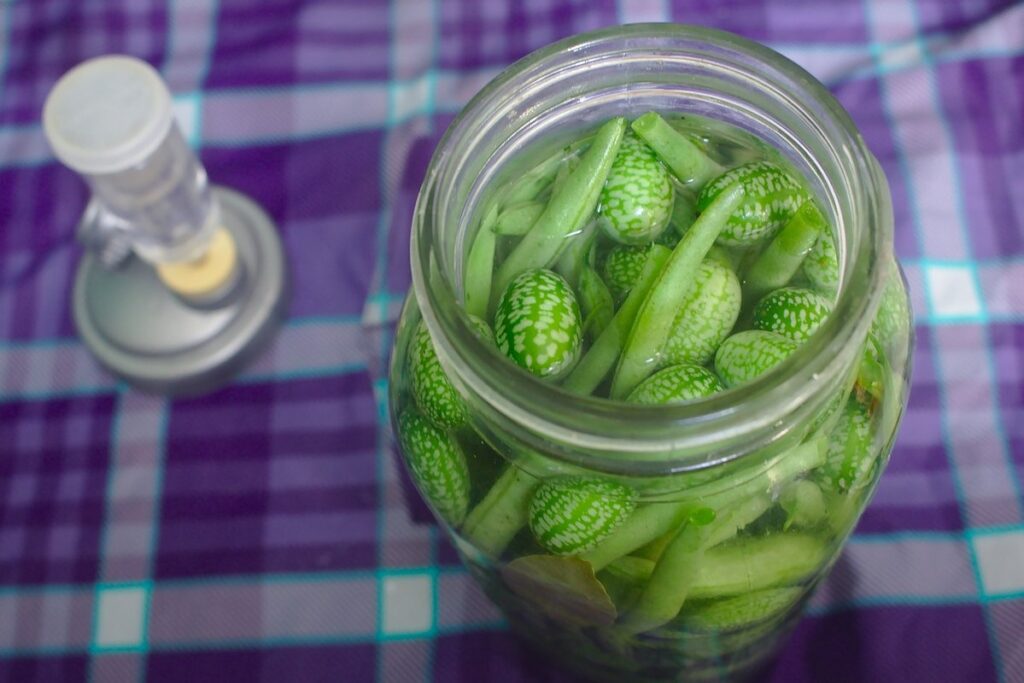
For this basic recipe, you’ll want to use a common kitchen item: a glass jar with a wide mouth. Fill the jar about 1/2 full with the prepared green beans, leaving space at the top for the brine. Pour the saltwater solution over the green beans, making sure they’re completely submerged.
Seal the jar and let it sit in a cool, dark place for 3-5 days. After this initial fermentation period, transfer the green beans to the refrigerator to slow down the fermentation process. You can store them in the fridge for several weeks or months. As you enjoy your fermented green beans, remember that they’re a versatile addition to salads, soups, and sauces – and their unique flavor will continue to develop over time.
Creative Uses for Fermented Green Beans
Add a tangy kick to your favorite salad recipes by tossing in some fermented green beans. They pair particularly well with citrus-based dressings and make an excellent addition to grain bowls. For a refreshing summer soup, blend fermented green beans with diced tomatoes, garlic, and herbs for a nutrient-packed and flavorful base.
Fermented green beans can also be used as a key ingredient in homemade sauces and marinades. Blend them with olive oil, lemon juice, and spices to create a tasty sauce for grilled meats or vegetables. Alternatively, mix them with soy sauce, ginger, and rice vinegar to make an Asian-inspired stir-fry sauce.
When it comes to incorporating fermented green beans into your cooking routine, consider the following tips: use them as a topping for tacos or burgers, add them to homemade hummus or guacamole, or blend them into a creamy dip. Experiment with different seasonings and spices to find the perfect flavor combination for your taste preferences.
Tips for Sharing and Storing Fermented Green Beans
When sharing fermented green beans with others, consider their storage conditions to ensure food safety. Store them in an airtight container in the refrigerator at a consistent temperature below 40°F (4°C). If you plan to store them for an extended period, keep them away from direct sunlight and heat sources.
Fermented green beans can be stored in the fridge for several weeks to a few months, depending on factors like salt content, storage conditions, and personal preference. As a general guideline, most fermented vegetables last 3-6 weeks when properly stored. However, if you notice any off smells or mold growth, discard them immediately.
To extend their shelf life, make sure the fermentation vessel is clean and dry before storing. Remove any lids or weights to allow for air exchange, which helps prevent the buildup of gas and promotes healthy microbial activity.
Common Challenges and Troubleshooting Tips
Don’t worry if things don’t go as planned, we’ve all been there with fermented green beans – sometimes they can be a bit finicky. Let’s tackle some common issues and find solutions together.
Identifying and Addressing Common Issues
Mold growth can be a frustrating issue during fermentation. Check for visible mold on the surface of the fermented green beans every day or two, and take action if you notice even a small amount. To prevent mold from taking hold, make sure to use the right salt ratio – too little salt can allow unwanted bacteria to thrive. Typically, a 1-2% brine solution is sufficient for green bean fermentation.
Another common problem is off-flavors or unpleasant odors. This might be caused by over-processing the beans before fermentation, which releases enzymes that contribute to unwanted flavors. You can also try using different spices or herbs in your fermenting liquid to mask any off-tastes.
Some other issues you may encounter include under-fermented or over-fermented green beans. Check for signs of complete fermentation – a tangy smell and slightly effervescent texture are good indicators. If your fermented green beans seem too crunchy or unripe, try giving them another day or two to ferment.
Strategies for Optimizing Fermentation Results
When it comes to optimizing fermentation results for fermented green beans, a few key adjustments can make all the difference. Temperature control is crucial: if the environment is too warm (above 75°F/24°C), bacteria may grow too quickly, leading to off-flavors and textures. Conversely, temperatures below 65°F (18°C) can slow down fermentation, resulting in underdeveloped flavors.
Monitor your fermentation vessel’s temperature regularly and consider investing in a temperature-controlled environment or using ice packs to maintain a consistent temperature. Time is also essential: check on your fermented green beans daily and be prepared to adjust the fermentation time based on the environment and the specific recipe you’re using.
In terms of equipment, consider using a weighted container or a fermentation vessel with a built-in weight to keep the green beans submerged under their own juices. This will help prevent mold from growing on the surface and ensure that the fermentation process occurs evenly throughout. By paying attention to these factors, you can optimize your fermented green beans’ flavor, texture, and nutritional profile.
Frequently Asked Questions
Can I ferment green beans with other vegetables?
Yes, fermenting green beans with other vegetables like carrots or beets can enhance the overall flavor and nutritional profile. However, ensure that the added vegetables don’t overpower the taste of the green beans.
How do I know if my fermented green bean is spoiled?
Fermented green beans should have a tangy, slightly sour smell and a crunchy texture. Check for visible mold or sliminess, which can indicate spoilage. If in doubt, discard the batch and start again with fresh ingredients and proper sanitation.
What’s the best way to incorporate fermented green beans into my diet?
Fermented green beans are versatile and can be used as a condiment, side dish, or added to various recipes like salads, soups, and sauces. Experiment with different quantities and flavor combinations to find your favorite way of using them.
Can I ferment green beans in a hot climate without refrigeration?
No, fermentation requires a cool environment (around 64°F to 75°F) to slow down the growth of unwanted bacteria and promote beneficial microorganisms. In hot climates, consider using a temperature-controlled fermentation vessel or taking regular batches out of the container for storage in the refrigerator.
Can I ferment green beans without salt, or will it affect the flavor?
Salt plays a crucial role in fermentation by preserving the vegetables, enhancing flavors, and providing a favorable environment for beneficial bacteria to grow. While you can try fermenting green beans without salt, be aware that the flavor might not develop as expected, and the risk of spoilage increases.

