
If you’re new to home food preservation or upgrading your kitchen with a pressure appliance, you may be wondering what sets a pressure canner apart from a pressure cooker. At first glance, they might seem like interchangeable terms, but in reality, these appliances serve distinct purposes and have some key differences. A pressure canner is specifically designed for high-temperature, long-duration processing of low-acid foods, such as meats and vegetables, while a pressure cooker excels at quick cooking times for a wide range of ingredients. Understanding the safety features, cooking times, and materials used in each appliance will help you decide which one best suits your needs. In this article, we’ll explore the main differences between pressure canners and cookers, helping you choose the right tool for your home food preservation projects and giving you the confidence to safely preserve a variety of foods at home.
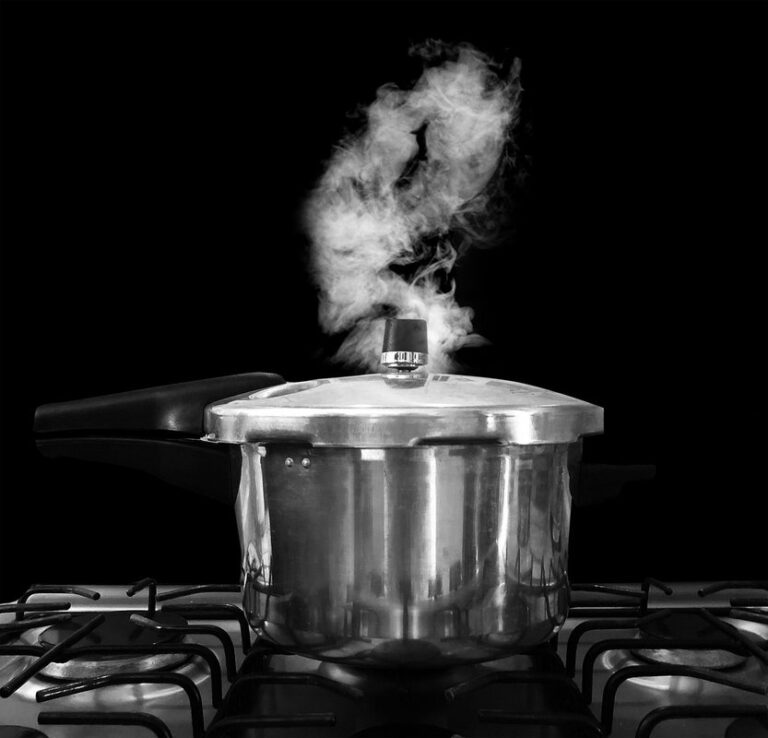
What is a Pressure Canner?
A pressure canner is essentially a large pot designed specifically for canning low-acid foods, such as meats and vegetables, to ensure they’re properly sterilized. Let’s take a closer look at how it works.
Definition and Purpose of Pressure Canning
A pressure canner is a specialized cooking vessel designed specifically for high-temperature, low-pressure processing of foods to achieve sterilization and preservation. Its primary purpose is to ensure safe and efficient canning of fruits, vegetables, meats, and other food items for long-term storage. Unlike pressure cookers, which are often used for everyday cooking, pressure canners operate at a specific temperature range (240°F/115°C) and pressure level to kill off bacteria, yeast, and mold that cause spoilage.
Pressure canners differ from other types of cooking vessels due to their unique design features, such as the addition of a locking mechanism, a gauge for monitoring pressure, and a rack or basket to hold jars above the liquid. These components enable precise control over processing conditions, ensuring that foods are cooked evenly and safely. When used correctly, a pressure canner is an essential tool for home food preservation, allowing individuals to produce high-quality, shelf-stable products with minimal risk of spoilage or contamination.
Benefits of Using a Pressure Canner
Using a pressure canner offers several benefits when it comes to preserving food through canning. For one, it ensures complete sterilization of jars and contents, significantly reducing the risk of spoilage or contamination. This is particularly important for low-acid foods like meats and vegetables, which are more susceptible to bacterial growth if not properly processed.
In addition to enhanced safety, pressure canners also provide convenience by allowing you to cook and preserve food in a single step. This eliminates the need for separate cooking and processing times, making it easier to manage your time in the kitchen. Furthermore, pressure canners help preserve nutrients found in food by using lower temperatures than boiling water, which can lead to nutrient loss.
A key aspect of using a pressure canner is ensuring you follow tested recipes and guidelines from reputable sources, such as the USDA’s Complete Guide to Home Canning. This will help you avoid potential pitfalls and ensure your canned goods are safe for consumption. By incorporating a pressure canner into your home preservation routine, you can enjoy homemade food while minimizing risks and preserving nutrients.
How to Choose the Right Pressure Canner
When selecting a pressure canner, consider the size of the canner to ensure it fits comfortably in your kitchen and is suitable for the quantity of food you plan to process. Larger canners are ideal for big families or commercial use, while smaller models are better suited for singles or couples.
Material is another crucial factor to think about. Stainless steel pressure canners are durable, resistant to corrosion, and easy to clean, making them a popular choice among home cooks. Aluminum canners are also common but may require more maintenance due to their tendency to react with acidic foods.
Automatic altitude adjustment is an important feature to look for, especially if you live in areas with high elevations. This function ensures the pressure canner operates safely and efficiently at your specific elevation. Some models also offer additional features like gauge accuracy and ergonomic handles, which can make a big difference in your cooking experience.
When choosing a pressure canner, think about how often you’ll use it and what types of food you plan to preserve. This will help you determine the level of complexity and functionality you need.
What is a Pressure Cooker?
A pressure cooker is a kitchen appliance that uses high-pressure steam to cook food quickly, but what exactly makes it tick and how does it work its magic. Let’s take a closer look.
Definition and Purpose of Pressure Cooking
A pressure cooker is a kitchen appliance designed to cook food quickly and efficiently by using high pressure. Its primary function is to reduce cooking time for various types of food, such as tough cuts of meat, legumes, and grains. Pressure cookers work by sealing the pot with a tight-fitting lid, trapping steam inside, which builds up pressure that accelerates the cooking process.
This difference in functionality sets pressure cookers apart from canners, which are specifically designed for high-temperature sterilization to preserve food through canning. Unlike canners, pressure cookers don’t require extremely high temperatures to kill bacteria and other microorganisms on food surfaces. Instead, they rely on the combined effects of heat and pressure to achieve faster cooking results.
When choosing between a pressure cooker and a canner, it’s essential to consider the types of recipes you plan to make most often. If you primarily cook everyday meals that require quick reheating or preparing ingredients like vegetables and proteins, a pressure cooker is likely your best option. However, if your focus is on preserving food for long-term storage through canning, a dedicated canner is the more suitable choice.
Benefits of Using a Pressure Cooker
Using a pressure cooker can significantly reduce cooking time for a wide range of dishes. A typical example is cooking beans: without a pressure cooker, it may take 1-2 hours to cook dried beans from scratch, but with one, the same result is achieved in just 20-30 minutes. This efficiency gain translates to more free time and less effort spent on meal preparation.
Pressure cookers also use less energy compared to traditional cooking methods. They work by trapping steam inside a sealed vessel, which builds up pressure and hastens the cooking process. This means that you can cook food at lower heat settings, reducing your overall energy consumption.
In terms of versatility, pressure cookers offer an incredible range of uses. You can cook everything from hearty stews and roasts to delicate fish and vegetables. Some models even come equipped with specialized accessories for making yogurt or sterilizing equipment.
Common Uses for Pressure Cookers
Pressure cookers are incredibly versatile and can be used to prepare a wide variety of dishes. They’re perfect for cooking hearty stews and soups, as the pressure helps to break down tough connective tissues in meat and vegetables. Beans and grains also benefit from pressure cooking, as they can be cooked to tender perfection in a fraction of the time it would take on the stovetop or in a slow cooker.
Some specific examples of common dishes that are typically cooked in pressure cookers include chili con carne, beef stew, and vegetable soup. You can even use a pressure cooker to make perfect rice, whether you’re cooking white, brown, or specialty varieties like jasmine or basmati.
When using your pressure cooker for everyday cooking, be sure to follow the manufacturer’s guidelines for cooking times and pressures. This will ensure that your food is cooked safely and evenly. It’s also essential to choose a recipe specifically designed for pressure cooking, as these recipes have been tested and optimized for this type of cooking method.
Key Differences Between Pressure Canners and Pressure Cookers
If you’re considering investing in a pressure canner or pressure cooker, understanding their key differences is crucial for safe and effective use. We’ll break down these essential distinctions below.
Safety Features and Regulations
Pressure canners and pressure cookers have distinct safety features and regulatory requirements due to their different purposes. Pressure canners are designed for high-temperature sterilization of low-acid foods, which necessitates stricter safety measures. These appliances typically come equipped with a pressure gauge, safety valve, and a locking mechanism to prevent accidental opening.
In contrast, pressure cookers are used for cooking a variety of food types at lower pressures, often for faster cooking times. While they still require some safety features, such as a pressure release valve and an automatic shut-off function, their design is generally more focused on convenience than high-temperature sterilization.
Regulatory compliance also differs between the two appliances. Pressure canners must meet specific standards set by organizations like the USDA to ensure that they can reach the required temperatures for safe sterilization of low-acid foods. In contrast, pressure cookers are often subject to less stringent regulations since they do not require the same level of high-temperature processing.
When choosing between a pressure canner and a pressure cooker, it’s essential to consider these safety features and regulatory requirements to ensure that you select an appliance suitable for your specific needs. Always consult the manufacturer’s guidelines and follow recommended usage practices to minimize risks associated with operating either type of device.
Cooking Times and Pressures
When it comes to cooking times and pressures, there’s a significant difference between pressure canners and everyday pressure cookers. For canning, you’ll typically need to reach a minimum of 10 pounds per square inch (PSI) at sea level, which is often achieved within 20-40 minutes of cooking time, depending on the recipe and size of the batch.
In contrast, everyday cooking tasks usually require much lower pressures – around 8-12 PSI. This means you can cook a variety of dishes, from hearty stews to tender vegetables, in as little as 5-10 minutes. However, keep in mind that these times are approximate and will vary depending on the specific recipe and contents of your pressure cooker.
It’s essential to note that canning requires a more precise control over temperature and pressure to ensure that food is safely sterilized and sealed. Pressure canners typically have a built-in gauge or indicator to monitor the pressure, whereas everyday pressure cookers often rely on a simpler pressure regulator.
To give you a better idea of the differences, here are some general guidelines for cooking times and pressures:
- Canning: 10 PSI (20-40 minutes)
- Everyday cooking: 8-12 PSI (5-15 minutes)
Remember to always consult your specific appliance’s user manual for precise instructions on cooking times and pressures.
Material and Construction
Pressure canners and pressure cookers differ significantly in terms of material and construction. While both appliances share a common purpose – to cook food at high pressures – their designs have been tailored to meet specific needs. Pressure canners, for example, are typically made from thick-gauge steel or heavy-duty aluminum to ensure they can withstand the rigors of long-term canning processes. This robust construction also helps to distribute heat evenly and maintain a consistent pressure.
In contrast, pressure cookers often feature lighter materials such as stainless steel or enameled cast iron. These materials are better suited for high-heat cooking applications where rapid pressure buildup is necessary. However, they may not be as durable as those used in canners and may require more frequent maintenance to prevent corrosion.
When choosing a pressure cooker or canner, consider the intended use and frequency of operation. If you plan on using your appliance extensively for canning, look for one made from heavy-duty materials that can withstand repeated exposure to high pressures. Conversely, if you’re primarily interested in pressure cooking everyday meals, a lighter material may suffice. Always follow manufacturer guidelines for maintenance and care to ensure the longevity of your appliance.
Canning vs Everyday Cooking: Which is Right for You?
When deciding between a pressure canner and a pressure cooker, you’re probably wondering which one fits your cooking needs better. Let’s compare the two in terms of canning capabilities and everyday use.
Determining Your Needs and Goals
When deciding between a pressure canner and a pressure cooker, it’s essential to reflect on your individual needs and goals. Are you looking to preserve seasonal produce for year-round consumption or simply want to cook meals faster? Perhaps you’re interested in exploring the world of sous vide or pressure cooking techniques. Whatever your motivations, understanding what drives your purchasing decision will help you choose the right appliance.
Consider your storage space: if you have limited pantry or cupboard room, a compact pressure canner might be more suitable for your needs. On the other hand, if you prioritize having multiple appliances for different tasks, a larger countertop may accommodate both a pressure canner and cooker.
Your cooking frequency also plays a significant role in determining which appliance suits you best. If you’re an avid canner, a dedicated pressure canner with advanced safety features might be your priority. Conversely, if you cook daily meals quickly, a more versatile pressure cooker could be the better choice.
Space and Budget Considerations
When deciding between a pressure canner and a pressure cooker, it’s essential to consider the space constraints and budget limitations of your kitchen. If you have limited cabinet space, a compact pressure canner might be a better fit than a larger pressure cooker. Look for models with foldable or detachable lids that take up less room on the countertop.
On the other hand, if you’re on a tight budget, a manual pressure canner might be more affordable than an electric pressure cooker. However, consider the time and effort required to operate a manual canner versus the convenience of an electric model.
A small kitchen or apartment may also benefit from a smaller capacity pressure canner (typically 4-6 quarts) over a larger pressure cooker (usually 7-10 quarts). This will help prevent overcrowding and make it easier to maneuver in tight spaces. Additionally, if you plan to use your appliance for everyday cooking, an electric pressure cooker with multiple preset settings might be more versatile than a canner.
Ultimately, weighing the space and budget constraints of your kitchen against your specific needs and goals will help you choose between these two appliances.
Experience Level and Skillset
When choosing between a pressure canner and a pressure cooker, it’s essential to consider your cooking experience level and skillset. If you’re new to pressure cooking, a pressure canner is likely a better choice for several reasons. Firstly, canning requires precision and adherence to strict guidelines to ensure the food is safe for consumption. A pressure canner provides more control over the pressure and temperature, making it easier to follow recipes and achieve consistent results.
In contrast, pressure cookers are often used for everyday cooking tasks like cooking pasta, grains, or tough cuts of meat. While they can also be used for canning, the process is more forgiving, but still requires some expertise. If you’re new to pressure cooking, it’s essential to start with a basic recipe and gradually move on to more complex dishes.
Some signs that you may need a pressure canner include: you plan to can low-acid foods like meats or vegetables; you want to ensure the highest level of food safety; or you prefer more control over the cooking process. On the other hand, if you’re comfortable with basic cooking techniques and mostly cook everyday meals, a pressure cooker might be the better option for your needs.
Tips for Getting Started with Pressure Canning or Cooking
Whether you’re new to canning or cooking, getting started with a pressure canner or cooker can seem intimidating. Don’t worry – we’ve got some practical tips to help you begin safely and successfully.
Preparing Your Appliance for Use
Before using your pressure canner or pressure cooker, it’s essential to prepare and maintain it properly. Start by thoroughly cleaning the appliance after each use, paying attention to areas around the gasket, valve stem, and other moving parts. Use a mild detergent and avoid abrasive materials that might scratch the surface.
Next, store your pressure canner or pressure cooker in a dry place, such as a hook or hanging rack, to prevent moisture buildup and bacterial growth. When not in use, ensure the appliance is completely cooled down before storing it away.
Regular maintenance also involves checking the gasket for signs of wear and tear. Inspect the gasket regularly for cracks, tears, or excessive wear. Replace it if necessary, as a damaged gasket can compromise the appliance’s performance and safety.
When handling your pressure canner or pressure cooker, always follow proper lifting techniques to avoid straining your back. Hold the handle firmly with both hands, keeping your back straight and your core engaged. By following these simple steps, you’ll be able to maintain your appliance’s integrity and ensure safe, effective operation.
Understanding Basic Cooking Techniques
Temperature control and monitoring are crucial skills for effective pressure canning and cooking. To get started, you need to understand how to use a thermometer accurately. This involves placing the thermometer in the liquid or food, ensuring it’s not touching the sides of the pot or lid, and waiting for the temperature to stabilize. Most pressure canners come with a built-in dial gauge or an internal pressure sensor; learn how to read these instruments correctly.
When cooking with a pressure cooker, you’ll typically need to adjust the heat to maintain a consistent pressure level. This requires monitoring the steam flow and adjusting the burner accordingly. As you gain experience, you’ll develop a sense of when to make adjustments, but initially, it’s essential to pay close attention to these details.
To ensure safe canning practices, always follow tested recipes from reputable sources, such as the USDA’s Complete Guide to Home Canning or other trusted canning authorities. These guidelines provide specific instructions for temperature and pressure control during the canning process. By mastering basic cooking techniques like temperature control and monitoring, you’ll be well on your way to successfully using your pressure canner or cooker.
Best Practices for Safety and Efficiency
When working with pressure canners and cookers, safety and efficiency are paramount. To ensure safe operation, always consult your appliance’s user manual for specific guidelines on altitude adjustments. In general, you’ll need to account for 5-10 pounds of pressure reduction for every 1,000 feet above sea level. This is crucial because high altitudes can affect cooking times and pressures.
Proper ventilation is also essential. Make sure the air vent or petcock is fully open during the cooling process to prevent the buildup of excess steam. A good rule of thumb is to let the pressure cooker cool completely before opening it, whereas a pressure canner requires 10-15 minutes of cooling time with the weight still on the lid.
To optimize efficiency, consider the following tips: Use a thermometer to monitor internal temperatures, as this ensures your food is cooked to a safe temperature. Also, preheat your appliance and cooking vessel for at least 30 minutes before adding ingredients. Finally, choose the right size canner or cooker for your needs – overloading can lead to inefficient use of energy and compromised safety. By following these best practices, you’ll be well on your way to successful pressure canning and cooking.
Advanced Techniques for Pressure Canning and Cooking
For those looking to take their pressure canning and cooking skills to the next level, we’ll cover specialized techniques that ensure safe and successful results. This includes handling tricky ingredients and managing high-pressure situations.
Exploring Specialized Recipes and Methods
When exploring specialized recipes and methods with a pressure canner or cooker, you can achieve impressive results. For instance, sous vide-style cooking is possible by using precise temperature control to maintain a consistent 160°F for delicate fish or eggs. This technique allows for even cooking and retention of flavors.
In some cultures, specific dishes rely on low-pressure cooking to preserve the texture and flavor of ingredients. A pressure canner’s ability to cook at lower pressures (around 5-10 psi) makes it an ideal tool for preparing dishes like Korean kimchi or Indian curries.
To take your pressure canning or cooking to the next level, experiment with different spice blends and marinades. For example, adding a mixture of coriander, cumin, and turmeric to your chili recipe will give it a rich, complex flavor profile.
Some examples of specialized recipes that require advanced techniques include:
- Cooking duck confit at 212°F for 30 minutes to achieve tender, fall-off-the-bone meat
- Preparing Vietnamese pho by cooking beef bones in a pressure canner for an extended period to extract rich flavors and collagen
- Making Indian-style butter chicken by cooking marinated chicken in a pressure cooker with a mixture of spices and yogurt
These examples showcase the versatility and range of pressures that pressure canners and cookers offer, allowing you to explore new cuisines and techniques.
Troubleshooting Common Issues
Leaks can be addressed by inspecting the seals and gaskets for damage or wear. Replace any compromised components promptly to maintain appliance integrity. Clogs often result from food particles accumulating in the valve or vent pipe. Regular cleaning with a brush and mild detergent can prevent this issue, but if a clog occurs, try immersing the affected area in hot water while gently rotating it.
Uneven heating can be caused by an incorrect altitude setting or inadequate preheating time. Consult your appliance’s manual for guidance on adjusting these settings to match your environment and food type. It’s also essential to ensure the pressure regulator is functioning correctly, as this component directly affects temperature control.
When troubleshooting common issues, remember that prevention is key. Regular maintenance tasks like descaling and replacing worn-out parts can help minimize problems over time. If you’re still experiencing difficulties after trying these steps, consult your appliance’s manual or contact a manufacturer-authorized service professional for assistance.
Pushing the Limits of Your Appliance
When experimenting with new ingredients, recipes, or cooking methods, it’s essential to understand the limitations and capabilities of your pressure canner or cooker. Start by reviewing your appliance’s manufacturer guidelines and recommended pressures for different types of food. This will help you determine what modifications are safe to make.
For example, if you want to try canning high-acid foods like tomatoes at a lower pressure, ensure your canner is rated for this type of application. Similarly, if you’re experimenting with cooking methods like sous vide or precision temperature control, familiarize yourself with the specific guidelines and requirements for these techniques.
To push the limits of your appliance safely, begin by making small adjustments to established recipes or methods. This will allow you to gauge the effects of these changes without risking food safety or damaging your equipment. As you gain experience and confidence, you can gradually increase the complexity and variety of your experiments.
Some key considerations when pushing the limits of your pressure canner or cooker include:
- Maintaining accurate temperature control
- Monitoring pressure gauges for safe operating ranges
- Following established guidelines for specific food types and cooking methods
- Regularly cleaning and maintaining your appliance to prevent contamination and ensure optimal performance
Frequently Asked Questions
Can I use my pressure canner as a substitute for my pressure cooker?
Yes, in some cases, but it’s essential to note that the canning process involves higher pressures and temperatures than everyday cooking. Make sure to follow the manufacturer’s guidelines and adjust your cooking time accordingly.
What if I already have a large collection of cookbooks with recipes designed for stovetop or oven use? Can I still use these with my pressure cooker?
You can adapt many recipes, but be aware that pressure cooking involves faster cooking times, so you may need to reduce the liquid amounts and adjust seasoning accordingly. Consult your pressure cooker’s user manual for guidance on converting traditional recipes.
How do I know when it’s safe to start using my new pressure canner or cooker? Are there any specific checks I should perform before first use?
Perform a thorough examination of your appliance, checking for any signs of damage or wear. Also, consult the manufacturer’s guidelines for initial usage and maintenance recommendations, such as cleaning and descaling.
What if I live at high altitude – does that affect which type of pressure cooker is best for me? Or can I use either one safely?
Yes, altitude affects cooking pressures and times. If you reside at a higher elevation, consider a pressure canner specifically designed for high-altitude use or invest in an altitude-adjustable model to ensure safe and effective operation.
Can I use my pressure canner for everyday cooking tasks like pressure cookers are used for? Or is it just limited to canning?
While pressure canners share some similarities with pressure cookers, they’re primarily designed for high-temperature processing of low-acid foods. However, you can still utilize your pressure canner for everyday cooking by following the manufacturer’s guidelines and adjusting cooking times accordingly.

