
Apple jam is one of those sweet treats that never fails to bring back memories of homemade cooking. But store-bought versions can be expensive, and often contain preservatives you’d rather avoid. Making your own apple jam at home is easier than you think, and with a little practice, you’ll be hooked on the process. The first step is choosing the right apples – not all varieties will give you the best flavor and texture for jam-making. You’ll also need to prepare your ingredients correctly, including some essential spices and sweeteners that add depth to your jam. In this guide, we’ll walk through each stage of making homemade apple jam safely and successfully. By the end of it, you’ll be able to create a delicious batch of homemade apple jam for yourself or as gifts for friends and family.
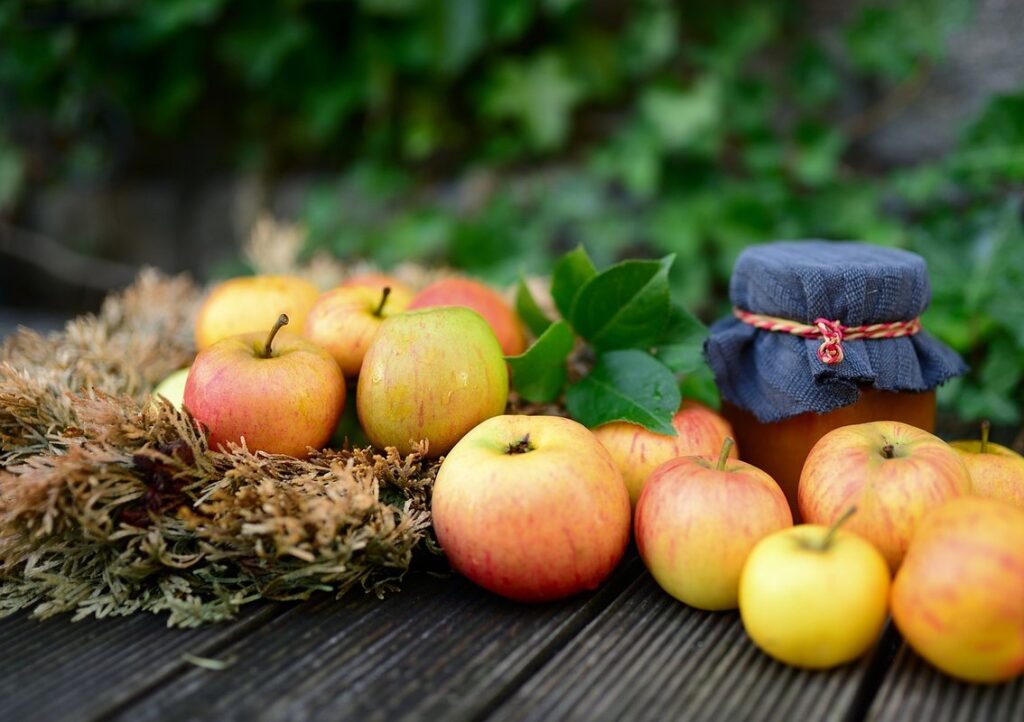
Choosing the Right Apples
When selecting apples for your homemade jam, it’s essential to choose a variety that’s sweet and tart, with a high pectin content. This will ensure your jam sets beautifully.
Understanding Apple Varieties for Jam-Making
When it comes to making homemade apple jam, selecting the right variety of apples is crucial. The ideal apple for jam-making should balance sweetness with acidity and have a dense texture that holds its shape during cooking. Let’s explore some popular options.
Sweet varieties like Gala, Fuji, and Golden Delicious are great choices for those who prefer a milder flavor in their jam. They’re sweet enough to caramelize nicely without becoming overpowering. On the other hand, tart apples such as Granny Smith and Braeburn add a lovely tanginess to the jam. These options work well if you want a more traditional apple taste.
For a versatile option that falls somewhere in between, consider using Honeycrisp or McIntosh apples. They offer a balance of sweetness and acidity, making them suitable for a wide range of recipes. When choosing apples, remember that their natural sweetness will decrease during cooking, so it’s essential to select varieties with a good balance of sugar and acid.
To get the best results from your chosen variety, use a mix of sweet and tart apples in your jam recipe. This will create a more complex flavor profile and ensure a better texture.
Tips for Selecting Ripe Apples
When selecting apples for jam-making, it’s essential to choose varieties that are ripe and ready for cooking. A ripe apple will have a slight give when pressed, similar to the give of a soft ball. Avoid apples that are too hard or too soft, as they may not cook evenly.
Look for apples with vibrant colors, which indicate their natural ripeness. For example, Granny Smith apples typically turn from green to yellow-green as they ripen. Red Delicious apples will deepen in red color when ripe. A ripe apple should also have a sweet aroma and no signs of mold or bruising.
To further ensure you’re selecting the right apples, check for any visible bruises or soft spots. Even if an apple is otherwise perfect, a single bruise can affect its texture and flavor during cooking. Finally, consider storing your chosen apples at room temperature until they’re ready to use – refrigerating them too early can slow down their ripening process.
Preparing the Ingredients
Before we start cooking, let’s get our ingredients ready by washing, peeling, and chopping the apples to perfection. This ensures they’re tender and evenly flavored in the jam.
Peeling, Coring, and Slicing Apples
To prepare apples for jam-making, you’ll need to remove their peels, cores, and any seeds. Start by washing the apples thoroughly under cold running water, then dry them with a clean towel or cloth. For peeling, use a vegetable peeler or a paring knife to carefully remove the skin in large strips. Be sure to peel away from your body to avoid accidentally cutting yourself.
Next, core the apples using an apple corer or a melon baller. This will help you remove any tough or woody centers that might affect the jam’s texture and flavor. You can also use a paring knife to manually remove the core, but be careful not to damage surrounding flesh.
Once peeled and cored, slice the apples into thin pieces. A mandoline or sharp knife is ideal for this task. Cut the slices to your desired thickness – typically about 1/8 inch (3 mm) is suitable for most jam recipes. If you’re using a specific apple variety with particularly tough skin, you may want to blanch the sliced apples in boiling water for 10-15 seconds to make them easier to handle.
To ensure even cooking and set, aim for uniform apple slices that cover about 75% of your pot’s surface area.
Measuring and Mixing Sugar and Pectin
When measuring sugar and pectin for your apple jam recipe, it’s essential to get the proportions just right. The standard ratio is 1 cup of granulated sugar to 2 tablespoons of powdered pectin. You can measure this using a digital kitchen scale or a set of dry measuring cups.
Keep in mind that some recipes may call for alternative sweeteners like honey, maple syrup, or agave nectar. When substituting, use a 1:1 ratio for honey and maple syrup, but reduce the amount to about 3/4 cup for agave nectar, as it’s sweeter.
For pectin, you can use either commercial powdered pectin or homemade liquid pectin made from apple cider. If using homemade pectin, mix it with a small amount of water according to your recipe’s instructions before adding it to the jam mixture.
Some recipes may also call for additional ingredients like lemon juice or spices to enhance flavor and texture. Always follow the specific guidelines in your chosen recipe when combining these elements.
Remember that getting the balance between sugar and pectin is crucial, as too much of either can affect the jam’s consistency and flavor.
Cooking the Apple Jam
Now that our apples are chopped and spices mixed, it’s time to combine them all together into a delicious homemade apple jam. Next, we’ll cover how to cook these ingredients down into a sweet, tangy spread.
Basic Apple Jam Recipe Overview
To make a basic apple jam recipe, you’ll need 3 pounds of sliced apples, 1 cup of granulated sugar, and 2 tablespoons of powdered pectin. The cooking time for this recipe is approximately 20-25 minutes. This timeframe assumes you’re using a medium-sized pot and a moderate heat setting.
The method involves combining the apple slices and sugar in the pot, then adding the pectin. Bring the mixture to a boil over high heat, stirring occasionally. Once boiling, reduce the heat to medium-low and simmer for 10-15 minutes, or until the jam has thickened. You can test the jam’s consistency by placing a small amount on a chilled plate; if it holds its shape, it’s ready.
It’s essential to note that the pectin will help thicken the jam faster than relying solely on cooking time. However, keep an eye on the jam’s texture and adjust the cooking time as needed. Some cooks prefer to use a candy thermometer to ensure their jam reaches the ideal temperature for setting (220°F).
Adjusting the Recipe for Flavor and Texture
When adjusting the recipe for flavor and texture, consider the role of sugar content. Increasing the amount of sugar can balance out tart apples, but be cautious not to add too much, as it can make the jam overly sweet and syrupy. Start by adding a small increment – 10-20% more than the original recipe – and taste regularly to avoid over-sweetening.
Another factor influencing flavor is pectin content. Adding more pectin can help thicken the jam, but too much can result in an unpleasantly gelatinous texture. Some apple varieties naturally contain higher levels of pectin; Granny Smith, for example, tends to produce a firmer jam. If you’re using a lower-pectin variety, consider adding a pectin supplement according to the manufacturer’s instructions.
To enhance texture, experiment with cooking times and temperatures. Cooking the mixture at a lower temperature (around 200°F) can help break down the apple fibers, resulting in a smoother consistency. Conversely, higher temperatures can create a more chunky texture. Be mindful of your jam’s acidity level, as high acidity can lead to an uneven set.
For a thicker jam, try reducing the liquid content by cooking off some of the excess water or adding a small amount of cornstarch. For a looser consistency, add a bit more apple juice or water.
Canning and Preserving Apple Jam
To can your homemade apple jam safely, we’ll walk you through the process of sterilizing jars, filling them with hot jam, and sealing them tightly. This ensures a long shelf life for your delicious jam.
Understanding Safe Canning Practices
Sterilization is a crucial step in ensuring the safety of your homemade apple jam. To sterilize jars and lids, submerge them in boiling water for 10-15 minutes. This step kills off any bacteria that may be present on the equipment. Next, fill the hot, sterilized jars with the prepared apple jam, leaving about 1/4 inch of headspace. Remove air bubbles by running a non-metallic utensil, such as a plastic spatula, along the inside of the jar.
Seal the jars by tightening the lids until they’re just finger-tight. Then, process the jars in a boiling water bath for 10 minutes to ensure proper sealing and sterilization. This step is crucial for creating a vacuum seal that prevents spoilage. After processing, remove the jars from the water with a clean canning tool or tongs, and let them cool on a wire rack. Check the seals after 24 hours by pressing on the top of each lid – if it doesn’t move, the jar is sealed properly.
When selecting lids and rings, ensure they’re new and have not been previously used. This is crucial for maintaining the seal and preventing contamination. Always follow tested canning procedures to ensure your homemade apple jam is safe to eat.
Tips for Labeling and Storing Jars
Labeling jars is a critical step in preserving apple jam safely. Use a permanent marker to write the contents and date on each jar. Be sure to include the following information: “Apple Jam,” “Recipe Name (e.g., Classic Apple Jam),” and “Date.” This ensures that you can easily identify what’s inside the jar, even when it’s stored in a dark pantry.
When labeling jars, consider adding a personal touch by including your name or initials. This is a thoughtful gesture for gifts or for tracking multiple batches of jam. Keep the label concise and easy to read, as it may be covered with dust or condensation over time.
Store labeled jars in a cool, dark place, such as a pantry or cupboard. Avoid storing jars near direct sunlight or heat sources, like ovens or radiators. Most commercial canning jars are designed for short-term storage; if you plan to store your jam for extended periods (over 6-12 months), consider investing in specialized glassware with tighter seals.
Some jars may be stored at room temperature, while others should be refrigerated to prevent spoilage. Always check the manufacturer’s guidelines for specific storage recommendations.
Advanced Techniques for Perfecting Your Apple Jam
Now that you’ve mastered the basics, it’s time to take your apple jam game to the next level by learning expert techniques for achieving perfect texture and flavor. Master these advanced methods to elevate your homemade jam.
Experimenting with Spices and Herbs
To add unique flavors and aromas to your apple jam, experiment with spices and herbs. Start by considering warm spices like cinnamon, nutmeg, and ginger, which complement the sweetness of apples. Try adding a pinch of ground cinnamon or nutmeg to the pot during the last 10 minutes of cooking for added depth. For a more pronounced flavor, use whole spices like cinnamon sticks or cloves.
Herbs can also add a fresh twist to your apple jam. Consider using rosemary, thyme, or even basil, depending on your personal taste preferences. A sprig of rosemary can infuse the jam with a subtle piney flavor, while thyme adds a slightly earthy note. To incorporate herbs into your recipe, simply chop them finely and add them to the pot during the cooking process.
Some specific combinations to try include cinnamon and ginger for a warm, spicy flavor or rosemary and lemon zest for a bright, herbaceous taste. Experiment with small batches to find the perfect balance of flavors for your homemade apple jam.
Variations on the Classic Recipe
For those looking to take their apple jam game to the next level, experimenting with new flavor combinations is a great place to start. One way to do this is by incorporating savory elements into your classic recipe. Consider adding some caramelized onions or roasted garlic for added depth of flavor.
If you’re feeling adventurous, try infusing your apple jam with a little bit of booze. Bourbon and apple jam are a match made in heaven, as the smoky flavors of the bourbon complement the sweetness of the apples perfectly. Alternatively, try using other types of liquor like rum or Calvados for added complexity.
Other options include adding some grated ginger or a pinch of cayenne pepper to give your jam a spicy kick. You can also try combining different apple varieties, such as Granny Smith and Honeycrisp, for a unique flavor profile. Remember to adjust the amount of sugar and pectin accordingly based on the type of apples you’re using.
Some popular variations include:
- Bourbon Apple Jam: 1/4 cup bourbon per batch
- Spiced Apple Jam: 1 tsp ground cinnamon + 1/2 tsp ground ginger per batch
- Savory Apple Jam: 1/4 cup caramelized onions or roasted garlic per batch
Troubleshooting Common Issues with Homemade Apple Jam
Don’t worry if your homemade apple jam doesn’t turn out perfectly the first time – we’ve got solutions to common issues, from too runny to too thick. Let’s tackle these problems together.
Fixing Too-Sweet or Too-Tart Jams
When making homemade apple jam, it’s common for the flavor profile to veer off track. If your jam is too sweet, you can counterbalance it by adding a splash of lemon juice or vinegar. This will not only reduce sweetness but also enhance the overall flavor. For example, if you’re using a sweeter apple variety like Gala, a pinch of citrus will cut through the richness.
On the other hand, if your jam is too tart, introducing more sugar is often the solution. However, be cautious not to overdo it – adding too much sugar can make the jam taste cloying and artificial. Instead, try adjusting the pectin content in your recipe or using a different type of sweetener like honey.
To give you a better idea, here are some general guidelines for adjusting sweetness levels:
- 1-2 tablespoons lemon juice or vinegar per cup of jam to reduce sweetness
- 1-2 tablespoons sugar per cup of jam to increase sweetness
- Using a combination of granulated and brown sugar can also help achieve a balanced flavor
Remember that these adjustments will affect the final product’s consistency as well, so keep an eye on its texture while making changes.
Dealing with Setbacks in the Canning Process
When canning homemade apple jam, it’s not uncommon for things to go awry. Perhaps you notice a slight discoloration on the surface of the jarred jam, or maybe the seal doesn’t pop up as expected after processing. To address these issues and ensure safe consumption, it’s essential to identify the cause.
Check for any visible signs of spoilage before consuming the jam, such as mold, off-odors, or an unusual slimy texture. If you suspect contamination, discard the entire batch immediately. In cases where the seal didn’t engage properly, inspect the rim and lid for any residue or debris that might be preventing a proper vacuum seal.
If you’ve encountered a faulty seal after the jar has cooled, try re-processing it in a boiling water bath for an additional 5-10 minutes to create a new seal. Be cautious not to over-process, as this can cause the jam to become too thick and develop off-flavors.
In extreme cases where multiple jars exhibit issues with sealing or spoilage, review your canning procedures to ensure adherence to safe practices, such as proper sterilization and filling techniques. This will help prevent future setbacks in the canning process.
Conclusion: Perfecting Your Art of Making Homemade Apple Jam
Now that you’ve successfully made your homemade apple jam, it’s time to perfect your art. The key to achieving this is through practice and experimentation. Don’t be discouraged if your first batch doesn’t turn out exactly as you hoped – it’s all part of the learning process.
To refine your technique, pay attention to the ratio of sugar to apples, as this can greatly affect the jam’s texture and flavor. Consider adjusting the amount of spices or citrus juice to suit your taste preferences. Keep in mind that homemade jam is a forgiving process, so don’t be afraid to try new combinations of ingredients.
In time, you’ll develop a sense of what works best for you and your family. With patience and persistence, your homemade apple jam will become a staple in your kitchen.
Frequently Asked Questions
How Long Does Homemade Apple Jam Typically Last When Stored Properly?
Homemade apple jam can last for up to 12 months when stored in a cool, dark place. However, the actual shelf life depends on factors like acidity level, sugar content, and storage conditions.
Can I Use Frozen Apples for Making Apple Jam, or Should They Be Fresh?
Yes, you can use frozen apples for making apple jam. Frozen apples have already been blanched to inactivate enzymes that cause spoilage, which helps preserve the fruit’s natural flavor and texture.
What If My Apple Jam Doesn’t Set Properly During Canning – Is It Still Safe to Eat?
No, if your apple jam doesn’t set properly during canning, it may not be safe to eat. Improperly set jams can harbor bacteria that cause foodborne illness. Always follow tested recipes and canning procedures to ensure the jam sets correctly.
Can I Make Apple Jam with Apples That Are Overripe or Moldy?
No, you should not use overripe or moldy apples for making apple jam. These apples may have developed off-flavors or be contaminated with mold spores that can transfer to the jam during cooking. Only use fresh, firm apples that are suitable for eating raw.
How Do I Know If My Apple Jam Has Been Contaminated During Canning – What Are the Signs?
Signs of contamination in apple jam include visible mold growth, slimy texture, or an off smell. If you notice any of these signs, discard the jar and follow proper canning procedures to ensure future batches are safe to eat.

