
Water glassing is a traditional preservation method that has been around for centuries, allowing people to enjoy fresh eggs year-round. You may be wondering how long water glassed eggs last and whether they’re a reliable way to store your eggs. The answer lies in understanding the process and its benefits. By submerging eggs in a solution of water and non-toxic ingredients like vinegar or lemon juice, you can prevent spoilage and maintain egg freshness for an extended period. This method is not only cost-effective but also environmentally friendly compared to other preservation techniques. In this article, we’ll explore the preparation methods, shelf life expectations, and storage tips for water glassed eggs, helping you determine whether this traditional technique is right for you. By the end of this guide, you’ll know how long your water glassed eggs will last and be able to confidently store them in your pantry.
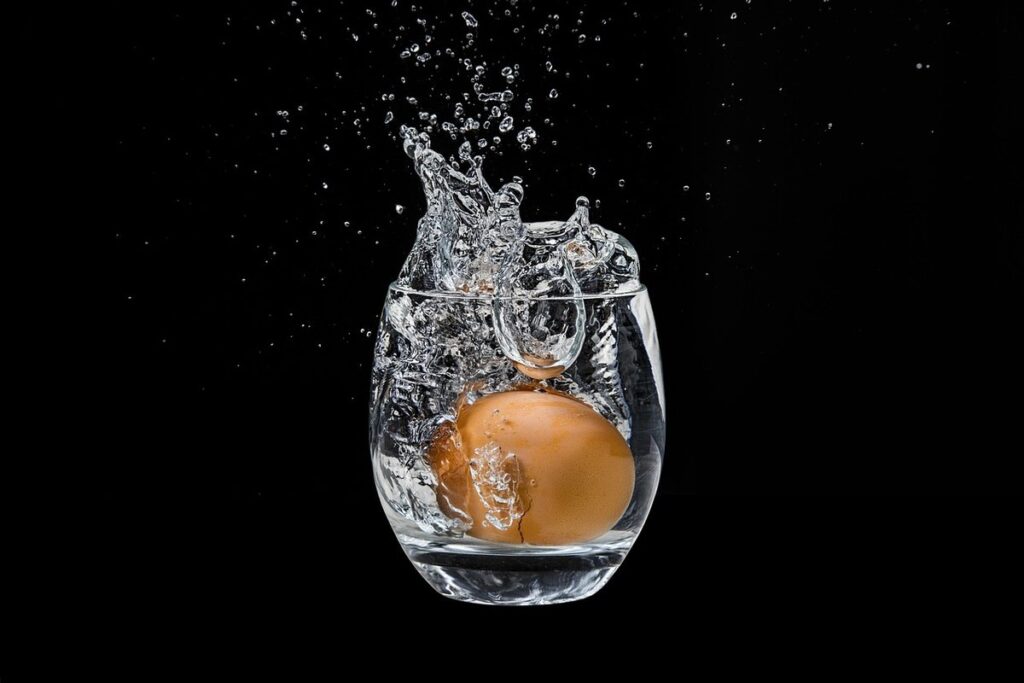
Understanding Water Glassing and Egg Preservation
Water glassing is a traditional method of preserving eggs, but how long do water glassed eggs actually last? We’ll break down the science behind their shelf life.
What is Water Glassing?
Water glassing is a simple yet effective method for preserving eggs by creating an impermeable barrier on their surface. This barrier prevents bacteria and other contaminants from penetrating the eggshell, thereby extending its shelf life. The water glass mixture typically consists of water, lime (calcium hydroxide), or borax, which are combined in specific proportions to achieve the desired coating.
When applied correctly, the water glass coating forms a hard, non-porous layer that effectively seals off the egg from external threats. This seal prevents moisture and gases from entering the egg, thus slowing down any potential bacterial growth. The result is a preserved egg that remains safe to eat for an extended period. It’s essential to note that the success of water glassing relies heavily on the preparation and application process. A well-made water glass coating can significantly extend the shelf life of eggs, while a poorly applied coat may not provide adequate protection.
While lime and borax can be used interchangeably in some cases, it’s crucial to choose the right one for your specific needs.
History and Purpose of Water Glassing
Water glassing has a long history dating back to ancient Rome and Greece. The practice involved preserving eggs by coating them with a mixture of water, lime, and salt, which created an alkaline environment that inhibited bacterial growth. This method was not only used for eggs but also for other foods like fish and meat.
In many cultures, including European and Asian traditions, water glassing remained a popular preservation technique well into the 20th century. The practice was often passed down through generations as a way to preserve food during times of scarcity or when refrigeration was not available. Today, some farmers and homesteaders continue to use water glassing as a sustainable alternative to modern preservation methods.
The reasons for its continued use are twofold: water glassing is an effective method for preserving eggs, with properly stored eggs lasting up to 12 months or more, and it also eliminates the need for electricity and specialized equipment. This makes it an attractive option for those living off the grid or looking to reduce their environmental impact.
Preparing Eggs for Water Glassing
Before you start water glassing your eggs, it’s essential to prepare them properly by cleaning and drying the shells thoroughly. This step ensures a sterile environment for the eggs to preserve their quality over time.
Cleaning and Drying the Eggs
Proper cleaning and drying of eggs are crucial steps before water glassing to ensure a successful preservation process. Any dirt, debris, or bacteria on the eggshells can compromise the integrity of the water glass coating, leading to spoilage and affecting the shelf life of the preserved eggs.
First, gently wash the eggs in cold water to remove any visible dirt or debris. Use a soft-bristled brush to scrub away any stubborn stains or residue. Then, rinse the eggs thoroughly with clean water to remove any soap or detergent residue.
Next, dry the eggs completely using a clean towel or paper towels. This is an important step to prevent moisture from accumulating under the water glass coating and causing the eggs to spoil prematurely. You can also use a hair dryer on a low setting to speed up the drying process, but be careful not to apply too much heat that might damage the eggshells.
To ensure thorough drying, check for any remaining moisture by gently tapping the eggs against a hard surface. If they still feel damp or sticky, repeat the drying process until the eggs are completely dry to the touch.
Creating the Water Glass Solution
To create an effective preservation solution for water glassing eggs, you need to mix the right proportions of water with either lime or borax. The most common ratio is 1-2 tablespoons of either substance per quart of water. However, this can vary depending on personal preference and the specific needs of your storage environment.
When using lime, it’s essential to note that some brands may contain higher concentrations of calcium hydroxide than others. To be safe, start with a smaller amount – typically 1 tablespoon per quart of water – and adjust as needed based on the solution’s effectiveness.
For borax, a 1-2% solution is generally recommended. This translates to about 0.5-1 teaspoon of borax per quart of water. It’s also crucial to use pure borax (sodium tetraborate) rather than borax laundry detergent or other household products, which may contain fillers and additives that can compromise the solution’s efficacy.
Regardless of the chosen substance, make sure to mix it thoroughly into the water before applying the preservation solution to your eggs. This will help ensure an even coating and optimal protection against spoilage.
The Preservation Process: Water Glassing Eggs
Water glassing is a time-honored method for preserving eggs, and understanding its process is key to storing them safely. We’ll take a closer look at how water glassed eggs are made.
Applying the Water Glass Coating
To apply the water glass coating to the eggs, you’ll need a clean and dry workspace. Begin by placing the egg on a flat surface, making sure it’s centered and stable. Using a dropper or a small pouring device, carefully pour a thin layer of the water glass mixture over the entire egg, covering it evenly. You can also use a brush to apply the coating if you find it easier to control.
Some important notes: the solution should be applied in a well-ventilated area to prevent inhalation of fumes. Also, make sure not to get any of the solution on your skin or clothing – it can cause irritation and staining. Typically, one coat is sufficient for preserving eggs; however, if you’re working with a large quantity or want extra protection, a second thin layer may be applied after 24 hours.
For optimal results, apply the coating in a cool, dry environment between 50°F to 70°F (10°C to 21°C). Avoid direct sunlight and high humidity, as this can compromise the preservation process. Once the coating is applied, you’ll need to cure and dry the eggs according to the specified guidelines.
Curing and Drying the Water-Glassed Eggs
After applying the water glass coating to the eggs, it’s essential to allow them to cure and dry properly. This process typically takes 24-48 hours, depending on the humidity level and temperature of the storage area. During this time, the sodium silicate solution penetrates the eggshell, forming a durable barrier against moisture and bacteria.
To ensure successful curing, maintain a consistent temperature between 50°F to 70°F (10°C to 21°C) and relative humidity below 60%. Avoid direct sunlight or extreme temperatures, as these can hinder the curing process.
A good rule of thumb is to allow the eggs to dry for at least 12 hours before storing them in their final location. This allows the solution to fully penetrate the eggshell and prevents any excess moisture from causing damage.
In most cases, it’s safe to store water-glassed eggs after 48 hours. However, if you live in a humid climate or plan to store the eggs for an extended period, consider allowing them to cure for 72 hours or more to ensure optimal preservation.
Shelf Life and Storage of Water Glassed Eggs
When storing water glassed eggs, proper shelf life and storage techniques are crucial to maintaining their quality. Let’s examine how long these preserved eggs can safely stay in your pantry or fridge.
Factors Affecting Egg Longevity
Storage conditions play a significant role in determining the shelf life of water glassed eggs. Temperature fluctuations can cause the water glass coating to crack, allowing bacteria to penetrate and spoil the egg. Ideally, store water glassed eggs in a cool, dry place with a consistent temperature between 32°F (0°C) and 40°F (4°C). Avoid storing them near direct sunlight, heat sources, or areas prone to moisture.
Handling is another critical factor affecting egg longevity. Rough handling can cause the water glass coating to crack or chip, compromising its protective properties. When moving water glassed eggs, handle them gently, and avoid stacking them on top of each other. Instead, store them in a single layer to prevent pressure from building up and causing damage.
Temperature extremes can also impact egg longevity. Water glassed eggs should not be exposed to temperatures above 45°F (7°C) or below 32°F (0°C). Most refrigerators maintain a consistent temperature within this range, making them suitable for storing water glassed eggs. However, if you plan to store the eggs in a non-refrigerated environment, ensure it is consistently cool and dry.
Proper storage will significantly contribute to extending the shelf life of your water glassed eggs.
Typical Shelf Life Expectations
When stored properly under optimal conditions, water glassed eggs can last for several months to a year or more. The exact shelf life depends on various factors such as storage temperature, humidity, and the quality of the water glass coating. Generally, you can expect the following typical shelf life expectations:
- 6-9 months at room temperature (around 68°F/20°C) with moderate humidity.
- 12-18 months in a cool, dry place (around 50°F/10°C).
- Up to 2 years or more in a refrigerator set between 38°F and 40°F (3.5°C and 4°C).
It’s essential to maintain a consistent storage environment to prolong the shelf life of your water glassed eggs. Avoid exposing them to direct sunlight, moisture, or extreme temperatures, as these can cause the coating to break down and the eggs to spoil.
When checking on the condition of your stored eggs, look for any visible signs of mold, cracks, or other damage. Regularly inspecting the eggs will help you identify any potential issues before they become major problems. By following proper storage and handling techniques, you can enjoy a longer shelf life for your water glassed eggs.
Testing and Monitoring Water Glassed Eggs
When it comes to checking if your water glassed eggs are still good, you’ll want to pay attention to a few key signs and regularly inspect their condition in storage.
How to Check for Spoilage
When examining water glassed eggs for signs of spoilage, it’s essential to check for visible cracks or breaks in the glass coating. If the egg is cracked, bacteria can enter and cause decay. Look for any areas where the glass may have chipped or flaked off, as this can also compromise the egg’s integrity.
Check the egg itself for any unusual odors, slimy texture, or visible mold growth. Spoiled eggs often develop a strong, sulfurous smell. If you’re unsure whether an egg is spoiled, gently crack it into a bowl and inspect the contents. Fresh water glassed eggs should have clean, white or pale yellow yolks and firm whites.
Also, examine the color of the yolk; if it’s darkening significantly, it may be a sign that the egg has begun to spoil. If you notice any of these signs, do not consume the egg. It’s crucial to handle water glassed eggs carefully to prevent damage to the glass coating and potential contamination.
When storing water glassed eggs, keep them away from direct sunlight and heat sources, as this can cause the glass to degrade and potentially lead to spoilage. Regularly inspecting your stored eggs for signs of spoilage will help you maintain their quality and extend their shelf life.
Best Practices for Storage and Handling
To maximize the shelf life of water glassed eggs, proper storage and handling are crucial. Store the eggs in a cool, dry place with good ventilation to prevent moisture buildup. Avoid areas prone to temperature fluctuations or direct sunlight, as these conditions can cause the water-glass coating to degrade. Keep the eggs away from strong-smelling foods, as odors can transfer through the glass.
When storing multiple eggs together, group them by size and orientation to ensure even curing. This also makes it easier to check for spoilage later on. Consider using airtight containers or jars with lids to prevent dust accumulation and maintain humidity control.
In terms of handling, handle the water-glassed eggs gently to avoid chipping or cracking the coating. Clean any equipment or tools used in storage and handling to prevent contamination. Regularly inspect the eggs for signs of spoilage, such as visible cracks, mold, or a sour smell. Discard any affected eggs promptly to maintain the overall quality and shelf life of your stored water glassed eggs.
Advanced Topics: Variations and Considerations
As you consider storing water glassed eggs, there are some nuances to keep in mind when it comes to their long-term viability and storage conditions.
Alternative Preservation Methods
In addition to water glassing, several alternative preservation methods can be used to extend the shelf life of eggs. One popular option is pickling, where eggs are soaked in a brine solution and then stored in the refrigerator. This method not only preserves the eggs but also adds flavor. To pickle eggs, you’ll need a 1:1 ratio of water to vinegar, along with any desired spices or seasonings.
Another method is dehydrating, which removes moisture from the egg, making it difficult for bacteria and other microorganisms to grow. This can be done using a food dehydrator or by air-drying eggs in a low-temperature oven. Dehydrated eggs can then be stored at room temperature for several months.
You can also consider lacto-fermentation, which uses the natural bacteria present on the egg’s surface to create lactic acid and preserve the egg. This method requires an anaerobic environment, such as a jar with a weight pressing down on the eggs, and regular monitoring of the fermentation process.
Special Considerations for Different Egg Types
When it comes to water glassing eggs, different types of eggs may respond differently to the preservation process. For instance, duck eggs tend to have a thicker shell membrane than chicken eggs, which can make them more resistant to moisture and bacterial penetration. This means that duck eggs may be better suited for water glassing, as they can hold their shape and maintain their quality longer.
Quail eggs, on the other hand, are extremely small and delicate, making them more prone to cracking and damage during the preservation process. As a result, quail eggs may require extra care when handling and storing them after water glassing. Chicken eggs fall somewhere in between, with their relatively thin shell membrane requiring careful attention to prevent moisture from seeping through.
When preparing duck or chicken eggs for water glassing, it’s essential to clean and dry them thoroughly before applying the water glass coating. This will help ensure a strong bond between the eggshell and the preservation solution. For quail eggs, consider using a smaller brush to apply the water glass coating, as their tiny size can make them difficult to coat evenly otherwise.
It’s also worth noting that different breeds of chickens may produce eggs with varying shell thickness and quality, which can impact their suitability for water glassing.
Frequently Asked Questions
Can I use water glassing for eggs that have already been washed with soap?
Yes, but be aware that using soap can compromise the preservation process. To ensure optimal results, wash the eggs in cold water only and dry them thoroughly before applying the water glass coating.
How do I store water glassed eggs if I live in a humid climate?
To prevent moisture from affecting the preservation solution, store the eggs in an airtight container or wrap each egg individually in plastic wrap or aluminum foil. Place the container or wrapped eggs in a dry, cool location to maintain optimal storage conditions.
What happens if I notice any cracks on the water glass coating after it’s dried?
If you notice any cracks on the water glass coating after it has dried, do not worry as this will not affect the preservation process. However, make sure the eggs are stored in a secure container or bag to prevent damage from handling.
Can I use alternative materials like vinegar instead of lime for the preservation solution?
While some people have experimented with using vinegar as an alternative to lime, it’s essential to note that the results may vary depending on the specific recipe and storage conditions. If you decide to try this method, be prepared to monitor your eggs closely for any signs of spoilage.
How do I know if my water glassed eggs are still safe to eat after a year or more?
To ensure the eggs remain safe to eat, check them regularly for any signs of spoilage, such as cracks in the coating, mold growth, or an off smell. If you notice any of these symptoms, it’s best to err on the side of caution and discard the eggs.

