
Fermented foods have been gaining popularity in recent years due to their incredible health benefits, and one often overlooked ingredient is fermented radish. Rich in vitamins C and K, as well as potassium and fiber, radishes are already a nutritious addition to any meal, but fermentation takes them to the next level. By allowing beneficial bacteria like lactic acid and acetic acid to break down the radish’s natural compounds, you’re left with a superfood that can improve digestion, boost your immune system, and even support healthy weight management. In this article, we’ll explore the nutritional value of fermented radish in more depth, discuss its potential health benefits, and provide simple recipes for incorporating it into your cooking. By the end of this guide, you’ll be able to confidently experiment with fermented radish in a variety of dishes, unlocking new flavors and textures to enhance your meals.
What is Fermented Radish?
Fermented radish, a staple in many Asian cuisines, gets its unique flavor and nutritional profile from the process of lacto-fermentation. We’ll break down what makes it tick in this next section.
History and Cultural Significance
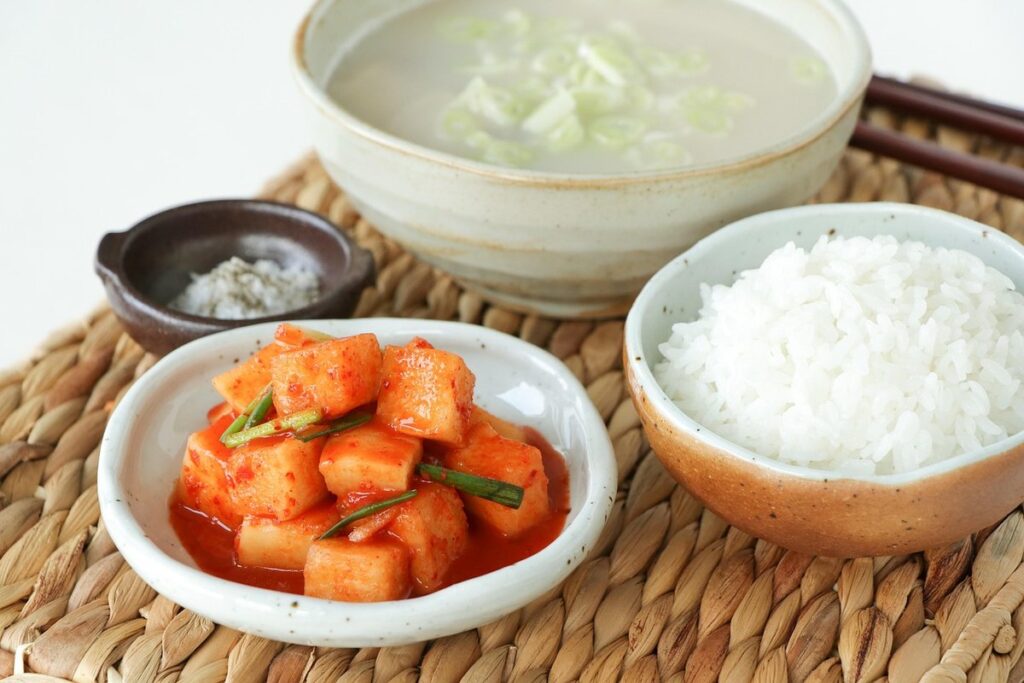
Fermented radish has been a staple in various cuisines for centuries, particularly in Asian cultures. Its significance is deeply rooted in traditional medicine and cooking practices. In Korea, fermented radish is known as “kkakdugi,” where it’s often served as a side dish or used as an ingredient in kimchi recipes. Similarly, in China, fermented radish has been used for centuries to aid digestion and relieve symptoms of indigestion.
The cultural significance of fermented radish extends beyond its culinary uses. In many Asian cultures, fermentation is seen as a way to preserve food while also enhancing its nutritional value. Fermented radish, with its rich stores of vitamin C, potassium, and dietary fiber, has been prized for its health-promoting properties. In traditional Korean medicine, fermented radish is believed to have anti-inflammatory effects, making it a popular remedy for digestive issues.
Fermented radish’s historical and cultural significance can be seen in the way it’s often used as a condiment or ingredient in various dishes. Its pungent flavor and versatility make it an essential component of many Asian recipes. By incorporating fermented radish into your cooking, you’re not only adding nutrition and flavor but also tapping into centuries-old culinary traditions.
Nutritional Content and Potential Health Benefits
Fermented radish is a nutrient-dense food, boasting high levels of vitamin C and potassium. A single serving can provide up to 20% of the recommended daily intake for these essential vitamins and minerals. The fermentation process also increases the bioavailability of nutrients, making them easier for the body to absorb.
One of the key benefits of consuming fermented radish is its potential to support digestive health. The high water content and fiber-rich composition make it an excellent prebiotic, feeding good bacteria in the gut and promoting a balanced microbiome. This can lead to improved digestion, reduced bloating, and even enhanced immune function.
Fermented radish also contains antimicrobial properties that can help protect against pathogens and support immune system function. The fermentation process creates lactic acid, which acts as a natural preservative, inhibiting the growth of unwanted bacteria and other microorganisms. As a result, incorporating fermented radish into your diet may have anti-inflammatory effects, reducing inflammation and promoting overall well-being.
Incorporating fermented radish into your meals can be as simple as adding it to salads, using it as a topping for soups or stir-fries, or even making it the base of a homemade sauerkraut. By harnessing its nutritional power, you can unlock a range of potential health benefits and experience the transformative effects of fermented radish in your own body.
Preparing Fermented Radish: A Step-by-Step Guide
To get started, you’ll need to prepare your radishes for fermentation by cleaning and slicing them into uniform pieces. Let’s begin with a basic preparation method that ensures optimal results.
Choosing the Right Type of Radish
Selecting the ideal type of radish for fermentation is crucial. This decision will significantly impact the flavor, texture, and nutritional value of your fermented radish. There are several varieties to choose from, each with its unique characteristics.
Cherry Belle and White Icicle are two popular choices for fermentation due to their sweet flavor and crunchy texture. However, they may not hold up as well to the fermentation process, resulting in a softer texture. On the other hand, Black Spanish and Watermelon radishes have a spicy kick and a firmer texture, making them ideal for long-term fermentation.
Consider the climate and growing conditions when selecting a radish variety. If you’re working with a hot and humid environment, choose a radish that’s more resistant to spoilage, such as Daikon or White Beauty. For cooler climates, varieties like French Breakfast or White Satin may be more suitable.
Keep in mind that some radish varieties are specifically bred for their flavor or texture rather than fermentation. Experiment with different types and conditions to find the perfect combination for your fermented radish recipe.
Essential Ingredients and Equipment
To ferment radish successfully, you’ll need a few essential ingredients. The primary ingredient is, of course, radish itself. Choose a variety suitable for fermentation, such as daikon or Korean radish. Next, you’ll require salt – typically, 1-2% salt by weight is sufficient to inhibit unwanted bacteria and promote beneficial ones. Water is also necessary, but use filtered or spring water to prevent chlorine from interfering with the fermentation process.
You’ll need a clean container for fermenting your radish. A glass jar or ceramic crock works well, as these materials are non-reactive and easy to clean. Make sure the container has enough headspace for the radish to expand during fermentation. A weight, such as a stone or a fermentation weight, is also helpful in keeping the radish submerged under its own juices.
When selecting equipment, prioritize ease of cleaning and durability. Avoid using metal containers, as they can impart flavors and leach chemicals into your fermented radish. Keep in mind that fermentation is a natural process, and some sediment or mold may appear during fermentation – but this doesn’t necessarily mean the radish has gone bad.
Basic Fermentation Techniques and Tips
When it comes to fermenting radish, temperature control is crucial. The ideal fermentation temperature ranges from 64°F to 75°F (18°C to 24°C), with most bacteria thriving between 68°F and 72°F (20°C and 22°C). Monitoring pH levels is also essential; a pH range of 4.2 to 4.5 ensures the growth of beneficial lactic acid bacteria while inhibiting pathogenic microbes.
To troubleshoot common issues, keep an eye out for off-odors or slimy textures. These can be signs of over-acidification or contamination. Regularly check your fermentation vessel and adjust as needed to maintain a healthy environment. For example, if you notice excessive mold growth, increase air circulation by removing the lid or transferring the radish to a new container.
Here are some basic tips for successful fermentation:
- Use clean equipment and hands when handling the radish.
- Maintain consistent temperature and pH levels throughout the fermentation process.
- Monitor your radish regularly, checking for signs of spoilage or contamination.
- Be patient – fermentation times can range from 3 to 14 days, depending on factors like temperature and radish type.
Health Benefits of Fermented Radish: Scientific Evidence
Research shows that fermented radish contains compounds with anti-inflammatory properties, which may help alleviate symptoms of conditions such as arthritis and IBS. This section will break down the scientific evidence behind these benefits.
Gut Health and Microbiome Balance
Research has shown that fermented radish contains prebiotic fibers that feed beneficial gut bacteria, promoting a balanced microbiome. This can lead to improved digestion and reduced inflammation in the gut. A study published in the Journal of Food Science found that fermented radish increased the production of short-chain fatty acids (SCFAs) by 30% in participants with irritable bowel syndrome (IBS). SCFAs play a crucial role in maintaining a healthy gut barrier, reducing oxidative stress, and regulating inflammation.
The fermentation process also increases the bioavailability of nutrients like vitamin K and folate, which are essential for maintaining a healthy gut lining. Furthermore, fermented radish contains antimicrobial peptides that help control the growth of pathogenic bacteria, further supporting gut health. To incorporate fermented radish into your diet for its potential gut benefits, try adding it to soups or salads in moderation (about 1-2 tablespoons per serving). You can also use it as a topping for sandwiches or as an ingredient in homemade sauerkraut recipes.
When selecting a fermented radish product, look for brands that have high levels of beneficial lactic acid bacteria and are free from added preservatives.
Immune System Support and Antimicrobial Properties
Fermented radish has been found to exhibit potent antimicrobial properties, which can help combat bacterial overgrowth and maintain a healthy balance of gut flora. Research suggests that fermented radish extracts contain compounds with significant antifungal activity against Candida albicans, a common pathogen responsible for various infections.
Studies have also demonstrated the immune-boosting effects of fermented radish. A 2018 study published in the Journal of Food Science found that consumption of fermented radish increased antibody production and improved phagocytic activity in mice. This indicates that fermented radish can enhance the body’s natural defenses against pathogens, reducing the risk of illness.
The antimicrobial properties of fermented radish are attributed to its high concentration of isothiocyanates, which have been shown to inhibit the growth of various bacteria and fungi. These compounds work by disrupting cell membrane integrity and preventing the microorganisms from reproducing.
To maximize the immune system support and antimicrobial benefits of fermented radish, it’s essential to consume it regularly as part of a balanced diet. You can incorporate fermented radish into your meals by using it as an ingredient in soups, salads, or as a condiment.
Potential Anti-Inflammatory Effects
Fermented radish has been found to possess anti-inflammatory properties, which may help alleviate symptoms of chronic diseases such as arthritis and cardiovascular disease. Research suggests that the fermentation process increases the bioavailability of beneficial compounds like isothiocyanates, which have been shown to reduce inflammation in animal studies.
A study published in the Journal of Agricultural and Food Chemistry demonstrated that fermented radish extract inhibited the production of pro-inflammatory cytokines in human cells. This anti-inflammatory effect may contribute to the prevention or management of chronic diseases, such as arthritis and cardiovascular disease, where inflammation plays a key role.
The anti-inflammatory properties of fermented radish may also be attributed to its high content of polyphenols, which have antioxidant effects that can help mitigate oxidative stress and reduce inflammation. To incorporate the potential anti-inflammatory benefits of fermented radish into your diet, consider adding it to meals in moderation, or using it as an ingredient in salad dressings and marinades.
Some key points to keep in mind when exploring the anti-inflammatory effects of fermented radish include:
- Fermented radish’s high isothiocyanate content
- The anti-inflammatory properties of polyphenols
- Potential applications for chronic disease prevention or management
Using Fermented Radish in Cooking: Creative Ideas and Recipes
Get creative with fermented radish by incorporating it into soups, salads, stir-fries, and even as a condiment to add depth of flavor. From simple to sophisticated dishes, possibilities abound!
Introduction to Fermented Radish as an Ingredient
Fermented radish can add a depth of flavor and nutrition to a wide range of dishes. In salads, it pairs particularly well with leafy greens like kale and spinach, while in sandwiches, it adds a spicy kick that complements rich meats or cheeses. Fermented radish also works well in soups and stir-fries, where its pungent flavor can enhance the overall umami taste.
When using fermented radish as an ingredient, consider its versatility in both sweet and savory applications. In some Asian cuisines, it’s used to make a spicy kimchi-style condiment that adds heat to noodle dishes or fried rice. You can also use fermented radish as a topping for tacos or grilled meats, where its tangy flavor cuts through rich sauces.
To incorporate fermented radish into your cooking, start by experimenting with small amounts in familiar recipes. For example, try adding a tablespoon of chopped fermented radish to your favorite coleslaw recipe or using it as a substitute for some of the hot sauce in a stir-fry. As you become more comfortable with its flavor profile, feel free to increase the amount and explore new applications in both sweet and savory dishes.
Recipe 1: Fermented Radish Kimchi
To make a delicious and healthy kimchi using fermented radish, follow these steps. Start by preparing 1-2 cups of fermented radish, which can be purchased at most health food stores or made at home through the basic fermentation techniques outlined earlier. Finely chop 1/4 cup of scallions and 1/4 cup of Korean chili flakes (gochugaru) for added flavor.
Combine the chopped scallions, chili flakes, 2 cloves of minced garlic, and 1 tablespoon of grated ginger in a bowl. Add 1/4 cup of fish sauce, 2 tablespoons of rice vinegar, and 1 tablespoon of honey to the mixture, stirring until well combined. Next, peel and chop 2 cups of napa cabbage into thin strips.
In a large bowl, combine the chopped cabbage, fermented radish, and spice mixture, massaging everything together with your hands for about 5 minutes to help release the juices. Pack the kimchi mixture into a jar or container, pressing down on the vegetables to remove any air pockets. Leave at least 1 inch of space between the top of the kimchi and the lid.
To ferment the kimchi, store it in the refrigerator and let it sit for 1-5 days, checking on it daily to ensure that it’s developing the right balance of flavors and textures. After 3-4 days, you can transfer the kimchi to the freezer to slow down fermentation and enjoy throughout the year.
Recipe 2: Fermented Radish Soup
To make a nourishing and flavorful fermented radish soup, start by sautéing chopped onions and garlic in a bit of oil until they’re softened. Add sliced or diced fresh ginger for extra depth, then add 2-3 cups of vegetable broth and bring to a simmer. Next, grate or chop 1/4 cup of fermented radish and add it to the pot. You can use any type of fermented radish you like, but be aware that some varieties may have a stronger flavor than others.
If you prefer a creamy soup, you can blend a portion of the liquid with an equal amount of coconut milk or yogurt before returning it to the pot. This will also help to temper the heat if using a particularly spicy variety of fermented radish. To customize this recipe further, consider adding other aromatics like lemongrass, Thai chilies, or even a handful of fresh cilantro for added freshness.
Some popular ingredients to combine with fermented radish in this soup include diced bell peppers, sliced mushrooms, or chopped bok choy. Feel free to get creative and experiment with your favorite vegetables or spices to create a version that suits your taste preferences.
Safety Considerations and Precautions When Working with Fermented Foods
When working with fermented foods, it’s essential to take necessary precautions to avoid contamination and ensure a safe fermentation process for your homemade radish creations. Let’s cover some key safety considerations to keep in mind.
Understanding Fermentation Risks and Safety Guidelines
When working with fermented foods like radish, understanding the risks and following safety guidelines is crucial to avoid contamination and spoilage. Fermented foods are more susceptible to contamination due to their high moisture content and acidic pH levels, creating an ideal environment for pathogens like E. coli and Salmonella to thrive.
To minimize risks, it’s essential to follow proper handling procedures. Always wash your hands thoroughly before and after handling fermented radish, and make sure all utensils and equipment are clean and sanitized. When storing fermented foods, keep them in a cool, dark place, typically between 32°F to 40°F (0°C to 4°C), to slow down bacterial growth.
Regularly check the fermentation process for signs of spoilage, such as off odors, slimy texture, or mold growth. If you notice any of these symptoms, discard the fermented radish immediately and start again with a new batch. Proper temperature control and regular monitoring can help prevent common issues like over-fermentation or under-fermentation.
Common Issues and Troubleshooting Tips
When working with fermented radish, it’s not uncommon to encounter issues like mold growth, off-flavors, or an unpleasant texture. To address these common problems, you should first identify the root cause. Mold growth often results from contamination during preparation or inadequate temperature control. Check that your fermentation environment is within a safe temperature range (typically between 64°F and 75°F) and ensure all equipment and utensils are properly sanitized.
Another potential issue is off-flavors, which can be caused by over-fermentation or the presence of unwanted microorganisms. To prevent this, monitor the fermentation process closely and taste your radish regularly to detect any signs of spoilage. If you notice a sour or unpleasant smell, it may be too late for correction.
Here are some troubleshooting steps to address these issues:
- If mold growth is present:
- Discard the affected area and inspect the surrounding radish for further contamination.
- Re-sanitize all equipment and start over with fresh ingredients.
- For off-flavors or spoilage:
- Stop fermentation immediately and discard the batch.
- Consider adjusting your recipe, environment, or fermentation techniques to prevent future issues.
Conclusion: Harnessing the Power of Fermented Radish
Now that we’ve explored the numerous benefits of fermented radish, let’s summarize key takeaways and discuss practical ways to incorporate it into your daily routine.
Recap of Key Takeaways
As you conclude your exploration of fermented radish’s benefits, it’s essential to summarize key takeaways and provide action steps for incorporating this nutritious ingredient into your diet.
Fermented radish is a rich source of vitamins C and K, as well as minerals like potassium and magnesium. It contains a high concentration of antioxidants, which can help protect against cell damage and inflammation.
Incorporating fermented radish into your meals has been linked to several health benefits. Studies have shown that it supports gut health by promoting the growth of beneficial microbes and increasing the production of short-chain fatty acids. This, in turn, can lead to improved digestion, boosted immune function, and enhanced nutrient absorption.
To maximize the nutritional potential of fermented radish, it’s crucial to follow proper preparation techniques. This includes selecting the right type of radish for fermentation (such as daikon or Korean radish), using a clean environment and equipment, and allowing the mixture to ferment for an extended period (usually 3-5 days).
When working with fermented foods like radish, it’s essential to be mindful of potential risks. These can include contamination by unwanted bacteria or mold, leading to unpleasant flavors and textures, or even health issues in severe cases. To mitigate these risks, regularly inspect your fermentation vessel for signs of spoilage, monitor temperature and pH levels, and take prompt action if you notice any irregularities.
By following the guidelines outlined above and incorporating fermented radish into your diet, you can unlock its numerous nutritional benefits and start reaping the rewards of improved health and well-being.
Frequently Asked Questions
Can I Use Pre-Processed Radish for Fermentation?
Yes, pre-cut or pre-peeled radish can be used for fermentation, but keep in mind that the texture and flavor might be slightly different from using fresh, whole radishes. Ensure proper sanitation when handling pre-processed radish to prevent contamination.
How Long Does Fermented Radish Keep Once Opened?
The shelf life of fermented radish once opened depends on storage conditions. Generally, it can last for several weeks in the refrigerator, but it’s best consumed within a week or two for optimal flavor and nutritional value. Monitor its pH levels and appearance to ensure it remains safe.
What if I Notice Mold Growth During Fermentation?
If you notice mold growth during fermentation, do not panic. Stop the fermentation process immediately, discard the affected area, and inspect your equipment for any signs of contamination. Clean and sanitize all utensils, containers, and surfaces before restarting the fermentation process with a new batch.
Can Fermented Radish Be Used in Smoothies or Juices?
Yes, fermented radish can be used as an ingredient in smoothies or juices, but use it sparingly due to its strong flavor and potential pungency. Start with small amounts and adjust to taste, as excessive consumption may cause digestive discomfort.
How Do I Know if Fermented Radish Has Reached the Right Level of Sourness?
To determine if fermented radish has reached the desired level of sourness, monitor its pH levels using a pH meter or pH paper. A typical fermentation process will drop the pH to around 4.5-5.0, indicating the development of lactic acid and a tangy flavor.

