
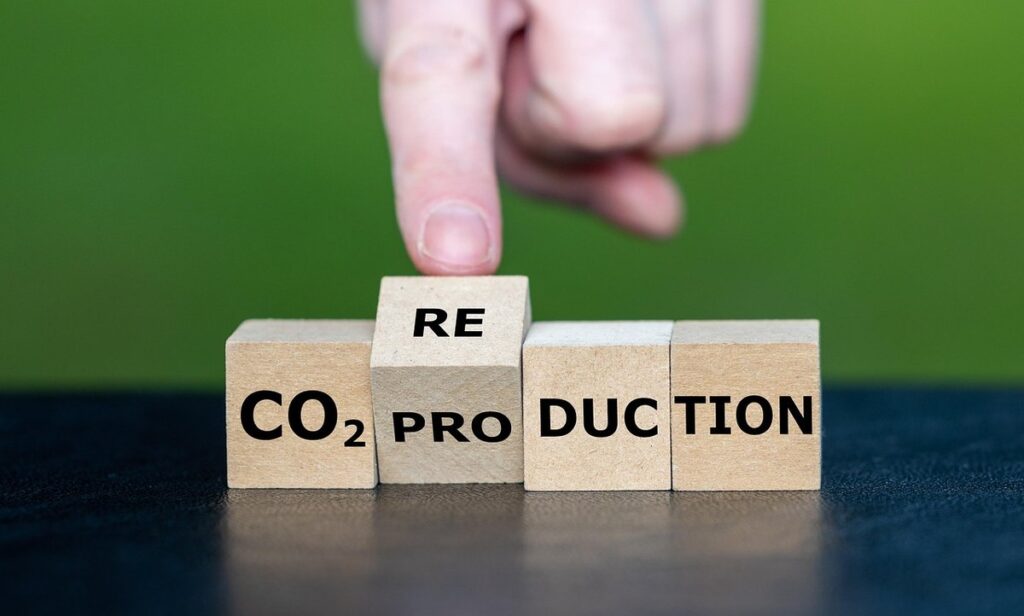
Reducing your carbon footprint is one of the most effective ways to combat climate change, and with so many simple yet impactful measures available, there’s never been a better time to take action. You likely know that energy-efficient appliances and renewable energy sources can make a big difference, but have you considered the impact of sustainable lifestyle changes on your overall carbon footprint? From switching to LED light bulbs to investing in solar panels, making these adjustments may seem daunting, but with the right guidance, they become straightforward and achievable. This article will explore practical tips and strategies for reducing emissions through energy-efficient measures, renewable energy sources, and sustainable lifestyle changes, helping you create a more environmentally friendly home and lower your carbon footprint. By the end of this guide, you’ll be equipped to make informed decisions about how to live more sustainably.
Understanding Your Carbon Footprint
Your daily habits and lifestyle choices contribute significantly to your carbon footprint, making it essential to understand where you’re at before starting to make changes. Let’s break down what affects your environmental impact most.
What is a Carbon Footprint?
A carbon footprint refers to the total amount of greenhouse gas emissions produced by an individual, organization, or activity. It’s a measure of the impact human activities have on the environment, and it’s essential to understand its effects to reduce our contribution to climate change.
To put this into perspective, consider your daily routine: what you eat, how you travel, and the products you use all contribute to your carbon footprint. For example, meat consumption tends to be more resource-intensive than plant-based diets, while frequent air travel generates significantly higher emissions compared to carpooling or using public transportation.
Calculating your carbon footprint involves tracking these individual activities and estimating their respective emissions. This can be done through various online tools and calculators that provide personalized assessments based on specific data inputs. Understanding the breakdown of your carbon footprint helps identify areas where you can make a significant difference by adopting more sustainable practices.
Calculating Your Carbon Footprint
To calculate your personal or business carbon footprint, you’ll need to gather data on your energy consumption, transportation habits, and other emissions sources. Start by identifying the categories that contribute most to your overall footprint. Common ones include electricity, gas, water, air travel, car usage, and waste management.
Use online calculators like the EPA’s Household Carbon Footprint Calculator or the carbonfootprint.com tool to get a rough estimate of your emissions. These tools will ask for information on your energy consumption, transportation habits, and other lifestyle choices. Be sure to have data on hand such as your electricity bills, water usage, and car mileage.
You can also use the PAS 2060 standard, which provides a framework for calculating carbon footprints in organizations. This method involves assessing emissions from direct activities like energy consumption and indirect activities like supply chain management. For small businesses or individuals with complex operations, consider hiring a sustainability consultant to help you measure your footprint accurately.
Most online calculators provide a breakdown of your emissions by category, allowing you to identify areas for improvement.
Causes of High Carbon Emissions
One of the first steps towards reducing your carbon footprint is understanding what contributes to high emissions. Let’s examine the main causes behind excessive carbon output and how they impact our environment.
Transportation Emissions
Transportation is a significant contributor to carbon emissions, accounting for nearly 30% of global greenhouse gas emissions. Cars, airplanes, and other modes of travel rely on fossil fuels, which release carbon dioxide when burned. The most polluting mode of transportation is air travel, with a single round-trip flight from the US to Europe producing up to 2 tons of CO2 per passenger.
Driving electric or hybrid vehicles can reduce emissions by up to 70%, but even these alternatives have limitations. Charging an electric vehicle typically requires energy generated from fossil fuels, which negates some of its environmental benefits. To mitigate this, many countries are investing in renewable energy sources to power their transportation infrastructure.
Other modes of transportation, such as buses and trains, tend to be more carbon-efficient than cars. However, even these options can be detrimental if they rely on diesel fuel or have low occupancy rates. To reduce emissions from transportation, consider using public transport, carpooling, or biking whenever possible. By making small changes to our daily routines, we can significantly lower our carbon footprint and contribute to a more sustainable future.
Food Production and Consumption
Food production, processing, and consumption patterns have a profound impact on the environment. Meat consumption is particularly concerning due to the significant greenhouse gas emissions associated with livestock farming. For example, beef production releases approximately 20-30 kg of CO2-equivalent per kilogram of meat produced, compared to only around 1-2 kg for plant-based protein sources like beans or lentils.
Food waste management also plays a critical role in reducing carbon emissions. According to the United Nations Food and Agriculture Organization (FAO), one-third of all food produced globally is lost or wasted. This not only contributes to greenhouse gas emissions but also squanders finite resources, including land, water, and energy. To minimize food waste, consider implementing a “first-in-first-out” inventory system in your kitchen, where older items are consumed before newer ones.
Another key area of focus is the production process itself. Industrial agriculture relies heavily on synthetic fertilizers, pesticides, and irrigation systems, all of which contribute to greenhouse gas emissions. Choosing locally sourced, organic produce can help reduce these impacts by supporting more sustainable farming practices.
Strategies for Reducing Carbon Emissions
One effective way to reduce your carbon footprint is by making simple lifestyle changes, such as adjusting your daily habits and investing in eco-friendly products.
Energy Efficiency Measures
Energy efficiency measures can significantly reduce energy consumption in homes and businesses. One effective way to do this is by switching to LED lighting. LEDs use up to 90% less energy than traditional incandescent bulbs and last much longer, reducing the need for frequent replacements. In addition to lighting, proper insulation upgrades can also make a big impact. This includes sealing air leaks around windows and doors, adding insulation to attics and walls, and upgrading to energy-efficient windows.
Insulation upgrades not only reduce heat loss in winter but also prevent overheating in summer. Some common types of insulation include spray foam, fiberglass batts, and radiant barrier insulation. When selecting an insulation material, consider factors such as R-value (a measure of thermal resistance), cost, and ease of installation. In businesses, energy efficiency can be achieved through the use of smart thermostats, which learn occupants’ schedules and preferences to optimize temperature settings.
For homes, a simple DIY project is to install power strips with built-in switches that allow for easy control over electronics when not in use. This can help eliminate standby power consumption, also known as “vampire” energy drain. By implementing these measures, individuals and businesses can significantly reduce their energy consumption and lower their carbon footprint.
Renewable Energy Sources
Renewable energy sources offer a promising solution to significantly lower carbon emissions. Solar power is one of the most widely used renewable energy options, and its potential is vast. According to the International Energy Agency (IEA), solar energy could meet 27% of global electricity demand by 2050. To harness this potential, homeowners can install solar panels on their rooftops or invest in community-based solar programs.
Wind power is another significant contributor to renewable energy production. Wind turbines convert wind energy into electricity, and advancements in technology have made them more efficient and cost-effective. Geothermal power, which utilizes heat from the Earth’s core, is also gaining traction. This form of energy is particularly suitable for regions with volcanic activity or areas with a high geothermal gradient.
When considering renewable energy sources, it’s essential to assess your local resources and infrastructure. For instance, if you live in an area with abundant sunlight, solar panels might be the most viable option. In contrast, wind power may be more suitable for coastal or mountainous regions. By choosing the right renewable energy source for your location, you can significantly reduce your carbon footprint and contribute to a cleaner environment.
Carbon Offset Options
Considering carbon offset options can be a crucial step in reducing your environmental impact, let’s explore some effective ways to compensate for emissions. From renewable energy projects to reforestation initiatives, we’ll examine the possibilities.
Voluntary Emissions Reduction Programs
Voluntary Emissions Reduction Programs allow individuals and businesses to offset their emissions by investing in projects that reduce greenhouse gas emissions elsewhere. These programs often support renewable energy sources, reforestation efforts, or sustainable land-use practices in developing countries.
Some notable examples of voluntary emissions reduction programs include the Verified Carbon Standard (VCS) and the Gold Standard. The VCS is a widely recognized certification standard for carbon credits, ensuring that projects meet rigorous environmental and social criteria. The Gold Standard, on the other hand, focuses specifically on supporting sustainable development and poverty alleviation in developing countries.
When choosing a voluntary emissions reduction program, it’s essential to look for certifications like the VCS or Gold Standard. These programs not only ensure the credibility of carbon credits but also promote sustainable development in project locations. Additionally, consider verifying the transparency and accountability of the program’s operations, as well as its impact on local communities.
A few key factors to evaluate when selecting a voluntary emissions reduction program include:
- The type of projects supported (e.g., renewable energy, reforestation)
- Certification standards met
- Transparency and accountability measures in place
- Impact on local communities
Carbon Credit Market
The carbon credit market is a system where companies and individuals can purchase credits to offset their greenhouse gas emissions. On the surface, it appears as a straightforward way to compensate for one’s environmental impact. However, critics argue that the market has its limitations. One major issue is greenwashing – the practice of presenting false or exaggerated claims about a project’s environmental benefits in order to attract investors.
For instance, some companies may claim to be investing in reforestation efforts when, in reality, they are merely selling credits for existing forests. This can lead to financial gains while making little to no actual impact on emissions reduction. Furthermore, the market’s complexity and lack of transparency make it difficult to verify the legitimacy of certain projects.
When considering carbon credits, it is essential to research the issuer and project thoroughly. Look for third-party verification from reputable organizations, such as the Verified Carbon Standard (VCS) or the Gold Standard. Additionally, be wary of credits that are too cheap – if a credit seems significantly lower in price than others, it may indicate a scam.
Implementing Sustainable Practices in Your Daily Life
To reduce your carbon footprint, making small changes to your daily habits can add up over time. Let’s explore practical ways to incorporate sustainable practices into your daily routine.
Simple Lifestyle Changes
Making sustainable choices is often more achievable than it seems. Start by reducing meat consumption to a few times a week – choose plant-based meals for one day and see how it feels. You can also opt for meat-free Mondays or adopt a flexitarian diet. Using public transport, carpooling, or walking for shorter trips are other easy ways to reduce emissions.
When commuting, consider switching to an electric vehicle (EV) if possible. Many cities now offer EV charging stations, making this option more convenient than ever. If you can’t switch to an EV, look into carpooling apps that connect drivers and passengers with similar routes. Using public transport or biking to work not only reduces emissions but also saves time and money on fuel.
In your daily routine, make small changes like turning off lights, using energy-efficient light bulbs, and unplugging electronics when not in use. These habits may seem minor, but they add up over time. By making a few simple swaps and adopting sustainable practices, you’ll be well on your way to reducing your carbon footprint.
Encouraging Others to Reduce Their Carbon Footprint
Promoting environmental awareness and encouraging others to adopt more sustainable practices is crucial for creating a collective impact on carbon reduction. You can start by sharing your own experiences with eco-friendly habits and the benefits you’ve observed. This can help normalize sustainable choices among friends, family, and colleagues.
When engaging in conversations about sustainability, focus on specific actions rather than making sweeping statements. For example, instead of saying “we should all use public transport,” suggest that you’d like to carpool or explore alternative modes of transportation together. This approach fosters a sense of collaboration and shared responsibility.
You can also participate in local environmental initiatives, such as park cleanups, tree planting events, or climate-focused community groups. These activities not only raise awareness but also provide opportunities for networking and building relationships with like-minded individuals who share your commitment to sustainability.
When discussing the benefits of sustainable practices, highlight the positive outcomes rather than solely focusing on the negative consequences of inaction. For instance, you could emphasize how reducing energy consumption can lead to cost savings or improved air quality, making it more relatable and appealing to others.
Overcoming Challenges and Achieving Long-Term Success
As you work towards reducing your carbon footprint, you’ll inevitably encounter obstacles that can be discouraging. We’ll share practical strategies for overcoming these challenges and achieving lasting results.
Overcoming Financial Barriers
One of the most significant obstacles to reducing carbon emissions is financial constraint. Many individuals and businesses are deterred from implementing eco-friendly measures due to concerns about upfront costs. However, there are several government incentives and financing options available that can help alleviate these financial burdens.
For instance, governments worldwide offer tax credits or rebates for renewable energy installations, such as solar panels or wind turbines. Additionally, many organizations provide low-interest loans or grants for energy-efficient upgrades, green infrastructure development, and sustainable transportation projects.
Some examples of government programs include the U.S. Department of Energy’s Weatherization Assistance Program, which provides funding for home energy audits and retrofitting. Similarly, the European Union’s Horizon 2020 initiative offers financial support for research and innovation in clean energy technologies.
It’s essential to explore these resources when planning carbon-reducing measures. By doing so, you can reduce upfront costs and make eco-friendly upgrades more accessible. Be sure to consult with a professional to determine which incentives and financing options are available in your area and best suited to your needs.
Measuring Progress and Continuous Improvement
Monitoring progress is crucial to achieving long-term success in reducing carbon emissions. To measure progress effectively, track changes over time and set specific, measurable goals for reduction. This can be done by regularly calculating your carbon footprint using online tools or apps that provide personalized estimates.
Establish a baseline measurement of your current emissions, then set incremental targets for reduction. For instance, aim to reduce energy consumption by 10% within the next six months. Regularly reviewing and updating these targets will help you stay focused on continuous improvement.
Consider implementing a carbon tracking system, such as a spreadsheet or habit-tracking app, to monitor daily habits and their corresponding emissions. This can be as simple as logging miles driven or kilograms of CO2 emitted from transportation. By regularly reviewing progress against set targets, you’ll be able to identify areas for improvement and make data-driven decisions about your reduction strategies.
When evaluating progress, consider not just the absolute reduction in emissions but also the relative impact on your daily habits and lifestyle choices. This holistic approach will help ensure that your carbon reduction efforts are sustainable and long-lasting.
Frequently Asked Questions
What if I’ve already implemented many of the strategies mentioned in this guide, but my carbon footprint is still relatively high?
Yes, it’s possible to have made significant changes and still have a high carbon footprint due to factors beyond your control. Consider exploring options for offsetting your emissions through verified projects or investing in renewable energy sources.
How can I measure the effectiveness of my carbon reduction efforts over time?
To accurately track progress, regularly assess your energy consumption, transportation habits, and waste management practices using metrics such as kWh usage, miles driven per month, or kilograms of CO2 equivalent reduced. Adjust your strategies based on these measurements to ensure continuous improvement.
Can I offset emissions from a single large purchase, like buying an electric vehicle, or is it only effective for daily habits?
While offsets can be applied to one-time large purchases, the most impactful approach is often to make consistent sustainable choices across multiple areas of life. Offset occasional high-emission events by investing in renewable energy projects or supporting reforestation efforts.
What if I’m on a tight budget and struggle to afford some of the recommended changes, such as installing solar panels?
Explore government incentives, grants, or low-interest financing options for implementing energy-efficient measures or transitioning to renewable energy sources. Consider phased investments, starting with more affordable upgrades or exploring community-based initiatives that share costs.
How can I balance my need for convenience and technology with reducing my carbon footprint, especially when it comes to transportation?
Prioritize sustainable modes of transportation like electric bikes or public transit, and consider carpooling or ride-sharing apps. When using personal vehicles, opt for fuel-efficient models or explore alternative fuels like hydrogen or biofuels.

