
Watercolor painting is an art form that requires finesse and control, yet even experienced artists struggle with mastering basic brushstrokes and executing advanced techniques. You may have encountered frustrating moments where your painting looks muddy or uneven, but with the right methods and expert tips, you can overcome these common mistakes and achieve stunning results. From creating subtle washes to bold, expressive strokes, watercolor painting methods are crucial for producing beautiful, one-of-a-kind pieces of art. In this article, we’ll explore essential techniques, from basic to advanced, that will help you improve your skills and stay inspired throughout the creative process. By the end of this guide, you’ll be able to confidently tackle even the most challenging watercolor projects and bring your artistic vision to life.
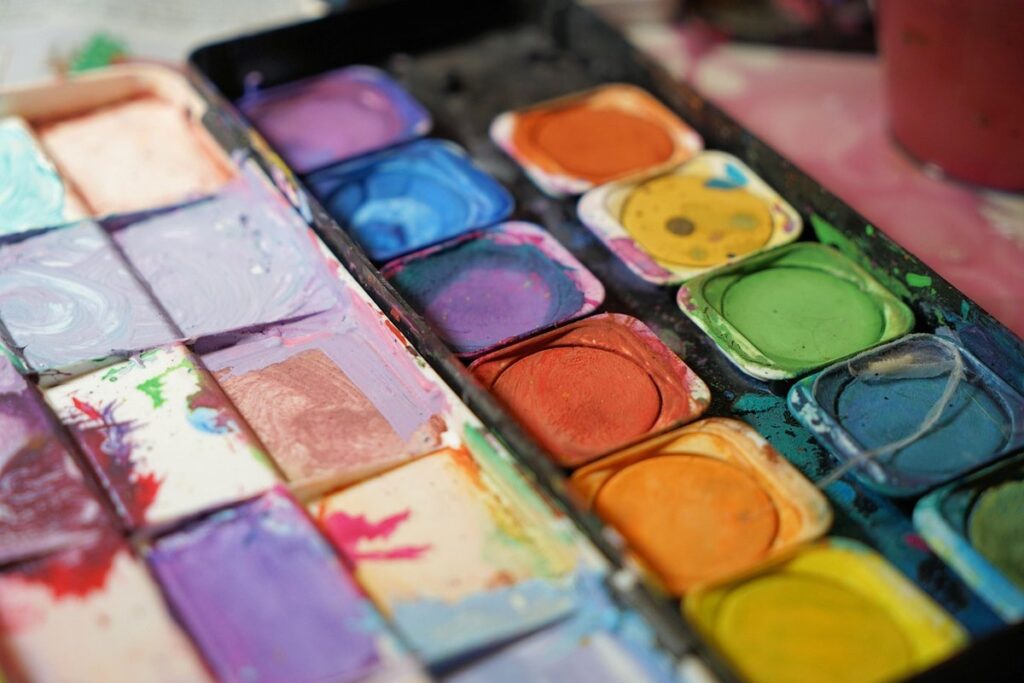
Understanding Watercolor Basics
When starting out with watercolor painting, it’s essential to grasp the fundamentals of color mixing and application techniques that create a smooth, even wash. Let’s begin by exploring the basic principles of watercolor basics.
The Importance of Paper Selection
When working on a watercolor painting, the type of paper used can significantly impact the final result. The most common types of watercolor paper are cold press, hot press, and rough.
Cold press paper has a textured surface that allows for expressive brushstrokes and subtle blending. It’s ideal for creating loose, gestural paintings where the artist wants to capture the natural movement of the paint. However, this texture can also be unforgiving if too much water is applied, leading to unwanted wrinkles or warping.
Hot press paper, on the other hand, has a smooth surface that allows for precise details and crisp edges. It’s perfect for creating realistic paintings where precision is key. But it may not hold up well to heavy washes or impasto techniques.
Rough paper offers an even more textured surface than cold press, with deep ridges and valleys. This type of paper is best suited for abstract or mixed-media artworks where the texture becomes an integral part of the piece.
Basic Brushstrokes and Techniques
When working with watercolors, mastering basic brushstrokes is essential for achieving desired effects. There are three primary types of brushstrokes: flat washes, round washes, and drybrush techniques.
Flat washes involve holding the brush almost flat against the paper and applying gentle pressure to create a smooth, even layer of color. This technique is ideal for covering large areas or creating subtle gradations in tone. For example, you can use a flat wash to paint a soft sky or a gentle landscape.
Round washes are created by pointing the bristles towards the subject and applying more pressure to achieve a more textured look. This technique is perfect for adding details or creating expressive brushstrokes. Try using round washes to add foliage or branches to your painting.
Drybrush techniques involve dragging a almost-dry brush across the paper to create rough, textured strokes. This method can be used to simulate tree bark, stone textures, or other rugged surfaces. To achieve a drybrush effect, simply wet the brush and then drag it across the paper before allowing excess water to drip off – this will leave behind a series of rough, textured lines.
Watercolor Painting Techniques
Watercolor painting is all about experimentation and creativity, and mastering various techniques will take your art to the next level. We’ll explore some essential methods for creating stunning watercolor pieces.
Glazing and Layering
To achieve depth and luminosity in watercolor paintings, glazing is an essential technique. Glazing involves applying multiple thin layers of transparent paint to create a rich, subtle effect. To mix glaze layers, combine a small amount of pigment with a lot of water in a palette cup. Start with a light mixture and gradually add more pigment until you reach the desired intensity.
When applying glazes, use a soft brush to gently sweep the layer across the paper. Avoid using too much pressure, which can cause the paint to pool and lose its transparency. Instead, focus on maintaining an even, smooth application.
Layering is another crucial aspect of achieving depth in watercolor paintings. Start by building up layers of washes, allowing each layer to dry before adding the next. As you build up layers, gradually increase the intensity of the pigments used. This will help create a sense of dimensionality and luminosity.
To add even more depth, try using glazes over areas where you’ve already applied paint. This can help to soften edges, blend colors, and create a sense of atmosphere. By mastering glazing and layering techniques, you’ll be able to unlock new levels of subtlety and nuance in your watercolor paintings.
Wet-on-Wet vs. Wet-on-Dry
When working with watercolors, two primary techniques come into play: wet-on-wet (wet-on-wet) and wet-on-dry. The key difference lies in the state of the paper when adding subsequent layers.
Wet-on-wet involves applying paint to a damp or previously painted area, allowing the colors to blend together immediately. This method excels at creating soft, subtle transitions between hues and can be used for delicate washes and blending. However, it requires quick thinking and precise brushstrokes, as mistakes are more difficult to correct.
In contrast, wet-on-dry involves applying paint to dry paper. This technique provides greater control over color placement and intensity but may require multiple layers to achieve desired effects. It’s ideal for creating sharp lines, detailed work, and layering colors without bleeding.
Some artists prefer the flexibility of wet-on-wet, while others value the precision of wet-on-dry. Experiment with both techniques to determine which suits your style best. Consider starting with a loose sketch using wet-on-wet to establish composition and then refining details with wet-on-dry layers.
Advanced Watercolor Techniques
Next, we’ll take a closer look at some of the more complex and nuanced techniques that can help you achieve truly professional-looking watercolors. This includes glazing, wet-on-wet blending, and subtle color layering.
Masking Fluid and Tape Methods
When working on complex watercolor compositions, it’s essential to employ techniques that prevent unwanted color bleed. One effective tool for achieving crisp edges and preserving delicate details is masking fluid. This transparent liquid or gel-like substance can be applied using a brush or sponge to protect specific areas of the painting from subsequent washes.
Masking fluid works by creating an impermeable barrier between the watercolor paint and the paper, preventing pigment from seeping into sensitive areas. To use it effectively, carefully apply masking fluid to the regions you wish to shield. Make sure to let it dry completely before adding additional layers of paint or water. When the painting is complete, simply lift off the masking fluid with a gentle touch, revealing crisp, sharp edges.
Tape can also be used to achieve precise lines and edges in watercolor art. By applying painter’s tape in thin strips or shapes over your paper, you can create crisp borders and define separate areas within a composition. When painting over the taped sections, avoid getting water on the edges of the tape to prevent it from lifting. Once the paint is dry, carefully remove the tape to reveal clean, defined lines.
Salt Sprinkling and Other Texturing Techniques
Salt sprinkling is a versatile technique for adding texture to watercolor paintings. To get started, mix 1-2 tablespoons of salt with water until it forms a smooth paste. Then, dip a brush into the mixture and flick it onto the wet paint. The resulting speckles can add a dynamic, expressive quality to your work.
Other household items can also be used to create texture in watercolor paintings. For instance, you can use a fork or a palette knife to drag through wet washes, creating interesting patterns and marks. Alternatively, try adding modeling paste or heavy gel medium to your paint for a thick, impasto effect.
Applying heavy washes is another technique for building up textured layers in a watercolor painting. Start by applying a thin layer of transparent wash, allowing it to dry completely before adding subsequent layers. This will help prevent the paint from pooling and create a more even texture.
When experimenting with these techniques, remember that less is often more. It’s easy to overdo it and end up with an overly textured or muddy-looking painting.
Watercolor Painting for Beginners
Watercolor painting can be intimidating, but starting with basic techniques and understanding color theory will set you up for success. We’ll walk through the fundamentals of getting started with watercolors.
Setting Up Your Studio
When setting up a home studio for watercolor painting, it’s essential to create an environment that promotes creativity and focus. Start by designating a dedicated space for painting, free from distractions and interruptions. This can be a corner of a room or a separate studio altogether.
Invest in a sturdy table or desk that can hold your watercolor paints, brushes, paper, and other supplies. Consider using a palette organizer to keep your colors within easy reach. You’ll also need good lighting – natural light is ideal, but if that’s not possible, invest in high-quality lamps or LED lights specifically designed for art.
In terms of essential tools and materials, you’ll need a variety of watercolor brushes, including round, flat, and mop brushes. A set of basic paints should include titanium white, yellow ochre, burnt sienna, ultramarine blue, and viridian green. Don’t forget to stock up on paper – choose a high-quality, cold-press watercolor paper that can handle multiple layers.
A few other essentials to consider are a spray bottle for misting, a palette knife for mixing, and a tissue or cloth for blotting. Keep your supplies organized and within reach to minimize interruptions and maximize your painting time.
Basic Color Theory and Mixing
Color theory is the foundation of creating harmonious paintings in watercolor. Understanding how colors interact with each other is crucial for achieving balanced and visually appealing compositions. In watercolor, you can create a wide range of hues by mixing different primary colors.
Start by learning about the color wheel, which shows how colors are related to each other. The primary colors – red, blue, and yellow – cannot be created from any other colors. By combining these three colors in various ways, you can produce secondary colors: orange (red + yellow), green (blue + yellow), and violet (blue + red). To create a new shade or tint, mix your chosen color with white or black paint.
To demonstrate this concept, try mixing equal amounts of blue and yellow to create a pale green. Experiment by adding more blue or yellow to create different shades of green. Practice mixing colors in small test areas on your paper before applying them to your painting. This will help you achieve the desired hues and avoid unwanted color interactions.
Watercolor Painting Challenges
Even experienced watercolor artists face unique challenges, such as unpredictable washes and delicate brushwork, which can test their skills. Let’s take a closer look at some of these common issues that may be holding you back from achieving your desired results.
Overcoming Common Mistakes
Overmixing your paint is a common mistake made by beginners. When you overmix watercolor paint, it becomes too thick and loses its transparency. This can result in an unnatural, heavy appearance on the paper. To avoid overmixing, mix your colors just until they’re combined, then stop mixing.
Another mistake is using too much water. While a little water can help create smooth blends, excessive water can cause your paint to become watery and difficult to control. This can lead to uneven washes and loss of detail. When adding water, do so in small increments and observe the consistency of your paint.
To overcome these issues, try mixing small amounts of pigment at a time and gradually building up layers. This will allow you to maintain more control over your paint’s consistency and achieve smoother blends. Additionally, experiment with different brushstrokes and techniques, such as wet-on-wet or glazing, to create subtle, layered effects.
By being mindful of these common mistakes and adjusting your technique accordingly, you can improve the overall quality of your watercolor paintings.
Troubleshooting and Problem-Solving
When encountering problems during a watercolor painting session, it’s essential to approach troubleshooting with a calm and analytical mindset. Begin by identifying the issue at hand – is the problem related to color, composition, or technique? Once you’ve pinpointed the source of the issue, take a step back and assess what can be salvaged from your work so far.
If you’re struggling with an unappealing color combination, try adjusting the hues through subtle mixing or layering. Conversely, if the problem lies in the composition, consider rearranging elements or using masking fluid to protect areas that are working well.
Another common pitfall is overworking a piece – recognize when it’s time to stop adding layers and allow your painting to dry before evaluating its progress. Consider taking a break from the painting to approach it with fresh eyes later.
Common mistakes often stem from misjudging the drying process or using the wrong brushstrokes for a particular effect. To correct these errors, consult basic watercolor technique tutorials and practice patience when working with wet-on-wet or glazing methods.
Tips for Success
To truly master watercolor painting, you’ll need to pay attention to a few key details that can make all the difference between a good painting and a great one. Mastering these subtle techniques is where your art will shine.
Practice and Experimentation
Regular practice is essential to mastering watercolor techniques. As you become more comfortable with the basics, it’s crucial to continue pushing yourself to try new methods and experiment with different approaches. Set aside a specific time each week for dedicated practice, whether that’s an hour or two, and stick to it.
Experimenting with new techniques can be intimidating, but it’s often where the most significant growth occurs. Start by trying small variations on familiar methods, such as altering brushstrokes or changing your paper choice. You might also try working from a photograph or using a non-traditional subject matter. As you become more confident, gradually increase the complexity of your experiments.
To get the most out of experimentation, it’s essential to keep an open mind and not be too hard on yourself when results don’t meet expectations. Remember that failures are often valuable learning opportunities, and they can help you refine your skills in ways you might not have anticipated. By embracing experimentation as a regular part of your practice, you’ll continue to grow as an artist and develop your unique watercolor style.
Staying Inspired and Motivated
To stay inspired and motivated while mastering watercolor painting methods, it’s essential to find new sources of creative energy. Try visiting local art museums, galleries, or exhibitions featuring contemporary watercolor artists. Observe how they use color, composition, and technique to convey emotion and tell stories. You can also draw inspiration from nature – take a walk outside, observe the play of light on water, or study the intricate patterns found in flowers.
Another key aspect is setting achievable goals for each painting session. Break down larger projects into smaller, manageable tasks. For example, focus on capturing the perfect blue hue or practicing a specific brushstroke technique. Celebrate your small victories along the way to maintain momentum and enthusiasm. Consider joining a watercolor community or online forum to share work, receive feedback, and stay accountable.
To avoid burnout, schedule regular painting sessions with friends or fellow artists. This will not only provide social interaction but also encourage experimentation and learning from one another’s experiences. By incorporating these strategies into your practice, you’ll be better equipped to navigate creative plateaus and maintain a consistent flow of inspiration throughout the painting process.
Frequently Asked Questions
Can I achieve professional-looking watercolor paintings with practice alone?
Yes, consistent practice is essential to mastering watercolor techniques, but it’s also crucial to understand the underlying principles and theories. Familiarize yourself with color interactions, brushstrokes, and other fundamental concepts to ensure your practice yields meaningful results.
What if I’m stuck between using wet-on-wet or wet-on-dry techniques in a particular painting?
Both methods have unique benefits; use wet-on-wet for soft blends and subtle transitions, while wet-on-dry is ideal for crisp lines and defined edges. Consider the specific effect you want to achieve and choose the technique that best suits your needs.
How do I know when my glaze layers are evenly applied and not pooling in certain areas?
To ensure even layering, start with a light wash and gradually build up layers, allowing each one to dry before adding more color. Monitor your brushstrokes and adjust your technique as needed to avoid pooling or uneven application.
Can I use masking fluid on entire sections of the painting, or is it best for small details?
While masking fluid is excellent for protecting specific areas from unwanted color bleed, applying it to large sections can create a harsh visual line. Use it judiciously and reserve it for detailed work where precision is key.
How long should I wait between layers before adding more paint or glaze?
The waiting time depends on the surface dryness; observe your paper’s drying speed and let each layer dry completely before continuing to avoid muddying colors or creating unsightly textures.

