Cardboard tubes are often discarded without a second thought, but they hold a treasure trove of creative potential. These humble tubes can be transformed into an array of crafts that not only add a personal touch to your home decor but also provide an engaging way for children to develop their fine motor skills and encourage STEM learning. From simple decorations like ornaments and gift tags to more complex projects like bird feeders and marble runs, the possibilities are endless. Whether you’re looking to reduce waste or simply want to explore your creative side, this guide will walk you through a variety of cardboard tube crafts that cater to different skill levels and interests. By the end of this article, you’ll be equipped with the knowledge to repurpose these tubes into imaginative and functional creations.
Introduction to Cardboard Tube Crafts
Welcome to the world of cardboard tube crafts, where everyday materials become works of art. Let’s start with the basics: what are cardboard tubes and how can they be transformed into creative projects?
What are Cardboard Tubes?
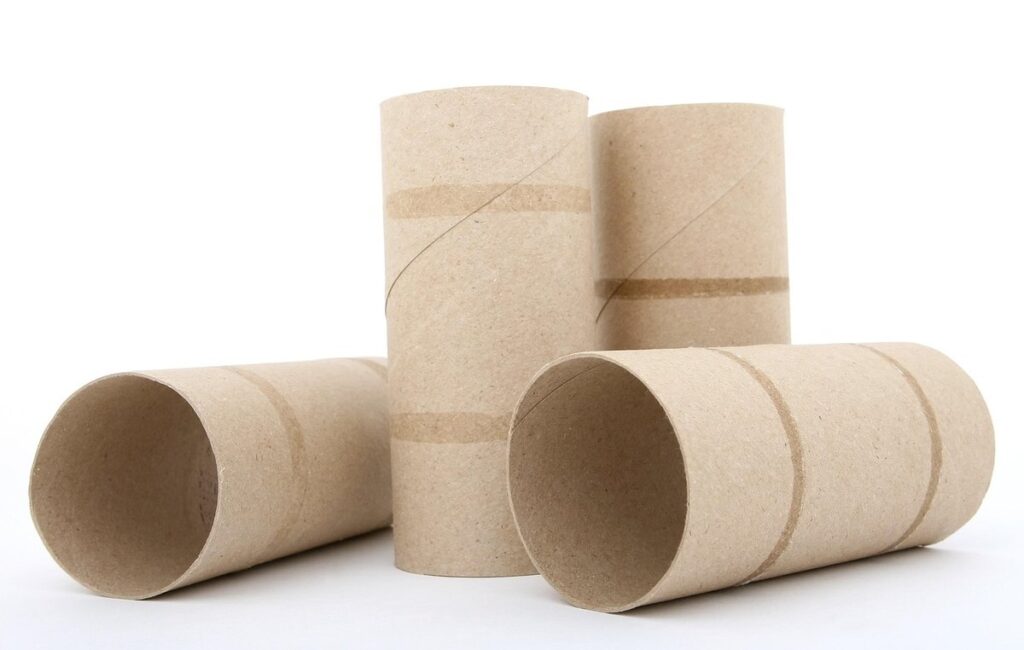
Cardboard tubes are a ubiquitous material found in most households. They come from various everyday items such as toilet paper rolls, paper towel rolls, and wrapping paper tubes. These tubes are typically made of cardboard or a thick paper-based material that provides structure and support for the contents.
When you think about it, there’s no shortage of cardboard tubes around the house. Toilet paper rolls often accumulate in bathroom cabinets, while paper towel rolls get used up quickly in kitchens. Wrapping paper tubes can be found in gift wrapping supplies. These tubes are designed to hold the core materials, such as toilet paper or paper towels, but they also offer a lot of creative potential.
Consider repurposing these cardboard tubes for your next craft project instead of throwing them away. You might be surprised at how versatile and useful they can be. Some examples include making maracas, bird feeders, or even robots. Keep an eye out for these tubes in your daily life and get inspired to create something new and unique.
Benefits of Using Cardboard Tubes in Crafts
Using cardboard tubes in crafts offers numerous benefits, making them an attractive choice for creative projects. One of the most significant advantages is their cost-effectiveness. Cardboard tubes are often discarded and readily available, reducing the need to purchase specialized materials. This not only saves money but also minimizes waste.
In addition to being budget-friendly, cardboard tubes provide a sustainable crafting option. They are typically made from recycled paper or cardboard, making them an eco-friendly choice. By repurposing these tubes, you’re giving old materials new life and reducing the demand for raw resources. This approach is particularly appealing for those looking to reduce their environmental footprint.
The creative possibilities with cardboard tubes are endless. You can use them as a base for sculptures, wind chimes, or even jewelry. With a little imagination, the humble tube can be transformed into a unique work of art. The versatility of cardboard tubes allows you to experiment with various techniques, from painting and decorating to cutting and assembling. Whether you’re a seasoned crafter or just starting out, cardboard tubes offer a versatile canvas for self-expression.
Basic Crafting Techniques for Cardboard Tubes
To create unique cardboard tube crafts, you’ll need some basic crafting techniques up your sleeve, and we’re starting with the fundamentals of shaping, cutting, and decorating these humble tubes.
Cutting and Preparing Cardboard Tubes
Cutting and preparing cardboard tubes is a crucial step in bringing your craft ideas to life. The tools you use for cutting can significantly impact the outcome of your project. For most general crafting tasks, scissors are sufficient for cutting cardboard tubes. However, if you need precise cuts or want to save time, consider using a craft knife or paper trimmer.
When using scissors, be cautious not to squeeze too hard, which can cause the tube to crumple or tear unevenly. A craft knife is ideal for making smooth, curved cuts, but be sure to use a cutting mat and sharp blade for safety. Paper trimmers are also effective for straight cuts and can help you achieve clean edges.
To prepare your tubes for crafting, you may need to flatten them. This can be done by applying gentle pressure with your hands or using a bone folder. Another option is to cut the tube in half lengthwise and then unfold it to create two flat pieces of cardboard.
Decorating with Paints and Markers
When it comes to decorating cardboard tubes, paint and markers are excellent tools to add color and personality. You can use acrylic paints, tempera paints, or even watercolors to create vibrant designs. Start by applying a base coat to the tube, allowing it to dry completely before adding additional layers.
Markers, such as permanent fine-tip markers or colored pencils, work well for detailed work. Try layering colors with markers to achieve unique effects. For instance, you can use a light blue marker and then add darker shades of blue on top to create an ombre effect. Consider using metallic markers to add a touch of luxury.
Other art supplies like glitter, stickers, or even stamps can also be used to decorate cardboard tubes. Experiment with different combinations to find the look that suits your project. For example, you can use glue and glitter to create a sparkly design on one tube while keeping another plain for contrast.
Basic Assembly Techniques for 3D Crafts
When building 3D crafts from cardboard tubes, assembly techniques play a crucial role in bringing your design to life. To get started, you’ll need a sturdy base and some way to connect individual components together. One common method is using glue – hot glue for more permanent bonds or white glue for quicker repairs. Another option is utilizing tape, either masking or packing, which can provide a secure hold without damaging the cardboard.
For more complex designs, you may want to use a combination of both. For example, attaching legs or arms with glue and then connecting them to the body using tape. This approach allows for easy adjustments as needed during the assembly process.
Keep in mind that some materials may require specialized adhesives or bonding agents to ensure a strong hold. Research specific requirements before starting your project to avoid any last-minute complications. When working with multiple components, label each piece clearly to avoid confusion and ensure proper alignment during assembly.
Advanced Cardboard Tube Projects
Take your cardboard tube crafts to the next level with these innovative and intricate projects that showcase the material’s versatility and potential for sophisticated designs. From sculptures to mobiles, get inspired by our most advanced creations yet.
Making Robots and Characters
Transforming cardboard tubes into robots and characters is a fun and creative way to breathe new life into everyday waste. Start by cutting the tube into segments of varying lengths, depending on the design you have in mind. For example, if you’re creating a rolling car, cut two identical pieces for the wheels and one longer piece for the body.
Next, decorate your cardboard tubes using paints or markers. You can add details such as windows, headlights, or license plates to give your robot or character personality. Consider adding texture by layering paper strips, yarn, or even fabric scraps onto the surface of the tube. This will not only enhance the visual appeal but also provide a tactile experience.
Some popular designs include animals, like cats and dogs, which can be created using cardboard tubes as the body and tail. You can also repurpose small toys, such as toy cars or planes, by attaching cardboard tubes to their bodies for added detail. To take your design to the next level, try adding movable parts, like wheels or flaps, using tape, glue, or other adhesives.
Creating Cardboard Tube Marble Runs and Mazes
To create intricate marble runs and mazes using cardboard tubes, you’ll need a variety of tools and materials. Start by gathering different sizes and shapes of cardboard tubes, scissors, glue, tape, and a craft knife or X-Acto blade.
Begin by cutting the tubes to varying lengths and diameters to create a series of interconnected channels. Use glue and tape to secure the connections between the tubes, making sure they’re stable and won’t collapse under the weight of marbles. Consider adding supports or stabilizers to prevent the structure from toppling over.
When designing your marble run or maze, think about the flow of gravity and how marbles will move through the system. You can create twists, turns, and jumps by cutting specific shapes into the tubes or using tape to create barriers. For a more complex design, use multiple layers of cardboard tubes, nesting them inside each other to create a multi-level course.
Some examples of cardboard tube marble runs include spiral tunnels, loop-the-loops, and zigzag channels. You can also experiment with different types of marbles, such as magnetic or glow-in-the-dark marbles, to add an extra element of fun.
Advanced Assembly Techniques for Large-Scale Crafts
When working on large-scale cardboard tube crafts, you’ll often need to employ more complex assembly techniques. One such technique is called “nesting,” where smaller tubes are inserted into larger ones to create a sturdy base. To achieve this, start by cutting the larger tube to create a flat surface. Next, use hot glue to attach small tubes to the inside of the larger one, making sure they’re evenly spaced and secure.
Another advanced technique is called “bracing,” where you add additional support to large structures using smaller tubes or cardboard pieces. For example, if you’re building a cardboard tube castle, you can use small tubes as supports between the main walls for added stability. To do this, simply glue the small tubes into place at strategic points.
When working on large-scale crafts, it’s essential to plan ahead and consider how your design will come together. Use cardboard or paper to create a mockup of your project before cutting any actual tubes. This will help you visualize the final product and identify potential issues early on. By mastering these advanced assembly techniques, you can take your cardboard tube projects to new heights and create truly impressive works of art.
Educational Value of Cardboard Tube Crafts
You might be wondering how engaging cardboard tube crafts can also serve a greater purpose, like teaching kids valuable skills and promoting STEM learning. From math to literacy, these activities offer more than just creative fun.
Developing Fine Motor Skills in Children
Developing fine motor skills is essential for children’s cognitive and physical development. Cardboard tube crafts provide an engaging way to improve hand-eye coordination and dexterity in young hands. Cutting, rolling, and shaping cardboard tubes require precision and control, which helps build finger strength and flexibility.
For example, making a simple cardboard tube marble run involves cutting slits and holes at specific angles, requiring children to manipulate the scissors and glue with accuracy. As they create more complex designs, their fine motor skills improve significantly. Even decorating cardboard tubes with paint or markers requires deliberate strokes and movements, enhancing hand-eye coordination.
To maximize these benefits, try incorporating different textures and materials into your cardboard tube crafts. For instance, gluing beads or sequins onto the tubes can add an extra layer of tactile experience. Additionally, consider using various shapes and sizes of cardboard tubes to challenge children’s fine motor skills in different ways. By making cardboard tube crafts a regular activity, you can help your child develop essential fine motor skills while fostering creativity and imagination.
Encouraging STEM Learning through Cardboard Tube Projects
Cardboard tube crafts offer a unique opportunity to encourage STEM learning in children. By engaging with hands-on projects, kids can develop problem-solving skills, critical thinking, and creativity while exploring scientific concepts. To incorporate STEM principles into cardboard tube crafts, try designing projects that emphasize experimentation, innovation, and iteration.
For instance, you can create a marble run using cardboard tubes, tape, and scissors. This project introduces children to the concept of gravity, friction, and potential energy as they design and test different pathways for marbles to follow. Another example is building a bridge using multiple tubes, demonstrating tension, compression, and structural integrity.
To take it further, consider incorporating math concepts by designing projects that involve measurement, geometry, or scaling. You can also challenge kids to find ways to improve an existing project, promoting the engineering design process. By embracing cardboard tube crafts as a tool for STEM education, you’ll be providing children with a fun and interactive way to develop essential skills in science, technology, engineering, and math. This approach helps build a strong foundation for future learning, preparing kids for real-world challenges and careers.
Safety Precautions and Tips for Working with Cardboard Tubes
Before you start crafting, it’s essential to know how to work safely with cardboard tubes. This section will cover some crucial precautions and tips to ensure a fun and injury-free experience.
Handling Sharp Objects and Materials
When working with cardboard tubes, it’s essential to handle sharp objects and materials safely. This includes scissors, craft knives, and other tools used for cutting, trimming, and shaping the tubes.
When handling sharp objects, keep your fingers curled under and out of the way. Hold the object at a 45-degree angle, allowing you to maintain control without compromising your grip. Keep your work surface clear of clutter and secure any loose materials that could become projectiles.
Use scissors with rounded tips or blunt blades, which are safer for children and beginners. For more precise cutting, consider using craft knives or X-Acto knives with sharp blades. Always cut away from your body and maintain a safe distance between yourself and others.
Store sharp objects in a designated container or on a high shelf out of reach of children. Dispose of used materials responsibly, recycling paper products whenever possible. Keep the workspace clean and organized to prevent tripping hazards and ensure a smooth crafting experience.
Storage and Disposal of Cardboard Tube Crafts
When storing cardboard tube crafts, it’s essential to keep them organized and protected from damage. Consider using a designated storage bin or container with dividers to separate individual projects. Label each project for easy identification and reference later on.
For particularly fragile or delicate pieces, consider wrapping them in tissue paper or bubble wrap before placing them in storage. This will help prevent creasing or bending during handling. When storing multiple projects together, make sure to cushion the tubes with soft materials like foam sheets or cloth.
When it’s time to dispose of cardboard tube crafts, explore eco-friendly options for recycling or repurposing. Many community centers, libraries, and schools have craft programs that accept donations of used cardboard tubes. You can also consider composting certain materials like paper scraps or cardboard fragments.
To minimize waste, reuse cardboard tubes whenever possible. For example, clean and flatten used tubes to use as inserts in packages or mailers. This not only reduces waste but also provides a creative solution for packaging materials. By adopting responsible storage and disposal practices, you can help reduce clutter, conserve resources, and promote sustainability in your craft projects.
Real-Life Applications of Cardboard Tube Crafts
Cardboard tube crafts are more than just fun projects for kids – they also have practical uses that can make a real difference in your daily life. Think beyond toys and decorations, and discover how cardboard tubes can help you organize your home.
Upcycling and Repurposing Ideas
Cardboard tube crafts offer numerous creative ways to repurpose and upcycle items for real-life applications. One of the most innovative uses is transforming tubes into storage containers for small items like paper clips, pushpins, or beads. For instance, you can use a cardboard tube as a desk organizer by cutting it to size and decorating it with paint or markers. This functional piece can be easily moved around your workspace as needed.
Another creative way to upcycle cardboard tubes is for gift wrapping. You can turn them into unique gift card holders or even create a DIY paper towel roll snowman for a festive touch. To make a tube-based gift card holder, simply cut the top and bottom flaps of the tube, decorate it with paint or markers, and insert the gift card. This eco-friendly alternative to traditional gift wrapping adds a personal touch while reducing waste.
You can also repurpose cardboard tubes as plant markers in your garden. Simply write the plant’s name on each tube using a marker and place them next to the corresponding plants. This creative solution helps keep track of your plants without harming the environment. By getting inventive with cardboard tubes, you’re not only saving space but also contributing to a more sustainable lifestyle.
Environmental Impact of Reducing Waste through Cardboard Tube Crafts
Reducing waste is a significant concern for individuals and communities worldwide. One way to make a positive impact on the environment is by upcycling cardboard tubes into creative crafts. When used in crafting, cardboard tubes can reduce the amount of waste sent to landfills. A single tube might seem insignificant, but consider that millions are discarded each day.
In reality, most people throw away cardboard tubes after using them for toilet paper rolls or wrapping paper holders. However, these tubes can be transformed into functional items like plant markers, coat hooks, or even sculptures. The environmental benefits of reducing waste through cardboard tube crafts extend beyond the individual level. Communities and businesses can also benefit from adopting creative reuse strategies.
By promoting the use of cardboard tubes in crafting, we encourage individuals to think creatively about waste reduction. This mindset shift has a ripple effect, inspiring others to explore sustainable practices in their daily lives. To maximize the environmental impact of cardboard tube crafts, consider repurposing tubes for items that are both functional and durable, thus extending their lifespan and minimizing the need for single-use alternatives.
Conclusion and Inspiration for Further Projects
Now that you’ve mastered the basics of cardboard tube crafting, let’s look at some exciting project ideas to take your skills to the next level. This final section shares inspiration for further creativity and exploration.
Recap of Key Takeaways
In the world of cardboard tube crafts, you’ve learned about the versatility and potential of these humble tubes. From basic crafting techniques to advanced projects, we’ve explored various methods for cutting, preparing, decorating, and assembling cardboard tubes into unique creations. You now know how to develop fine motor skills in children through engaging activities like making robots and characters. By upcycling old tubes into creative masterpieces, you’re not only reducing waste but also encouraging STEM learning through hands-on experiments with marble runs and mazes.
This comprehensive guide has covered the benefits of using cardboard tubes in crafts, including their affordability, eco-friendliness, and adaptability to various themes and ages. You’ve seen how to safely handle sharp objects and materials, store your creations, and dispose of them responsibly. Some key takeaways from this article include:
- The importance of cutting and preparing cardboard tubes for optimal crafting
- How to decorate tubes with paints and markers to add color and personality
- Tips for basic assembly techniques that can be applied to 3D crafts
- Examples of advanced projects, such as marble runs and mazes, that promote STEM learning
Encouragement to Experiment with New Ideas and Techniques
As you’ve explored various cardboard tube crafts and techniques throughout this guide, it’s time to think beyond the projects presented here. Don’t be afraid to experiment with new ideas and techniques, combining what you’ve learned with your own creativity. Start by looking at everyday objects and thinking about how they could be repurposed or upcycled into unique cardboard tube crafts.
Consider using different materials alongside your tubes, such as fabric scraps, yarn, or even found items like bottle caps or keys. Think about scale: try making miniatures of larger objects or creating life-size versions of smaller ones. Play with shapes and forms by bending, twisting, or shaping tubes to create unique silhouettes.
Some key things to keep in mind when experimenting are to always test your materials and techniques on a small scale before committing to a larger project, and be prepared for unexpected results – they can often lead to new and exciting ideas.
Frequently Asked Questions
Can I Use Cardboard Tubes from Different Sources for the Same Project?
Yes, you can mix and match cardboard tubes from different sources (e.g., toilet paper rolls, paper towel rolls) to create unique textures and visual interest in your crafts. However, consider the size and shape of each tube when planning your project.
How Do I Prevent Cardboard Tubes from Unraveling or Falling Apart When Handling?
Use a strong adhesive like glue or tape to reinforce the seams, especially if you’re working with large or delicate tubes. You can also try wrapping the tubes in paper or fabric for added stability.
What If My Child Is Struggling to Develop Fine Motor Skills Despite Making Cardboard Tube Crafts?
Don’t worry – every child learns at their own pace! Consider consulting with a pediatrician or occupational therapist for personalized advice on developing fine motor skills. In the meantime, try modifying cardboard tube crafts to accommodate your child’s abilities.
How Can I Repurpose Old Cardboard Tube Crafts When They’re No Longer Needed?
Get creative! Use old cardboard tube crafts as storage containers, gift wrapping materials, or even as a base for new projects. You can also repurpose them in your garden by filling the tubes with soil and using them as mini planters.
Can I Make Large-Scale Cardboard Tube Projects That Are Stable Enough to Hang on a Wall?
Yes, you can create large-scale cardboard tube projects that are stable enough to hang on a wall. Use a sturdy base or frame, attach multiple tubes together using glue or tape, and add additional support with wire or string as needed.