
Are you planning to visit Verona and want to experience its rich history, stunning architecture, and vibrant culture? A self-guided Verona walking tour is an excellent way to explore the city’s hidden gems and must-see sights. From ancient Roman ruins like the Arena di Verona to Renaissance palaces like Casa Giulietta, there’s no shortage of breathtaking landmarks to discover on foot. But with so much to see, it can be overwhelming to plan your itinerary. That’s where our insider tips come in – we’ll share expert advice on how to make the most of your Verona walking tour, from exploring historic neighborhoods like San Zeno to sampling local wines and trattorias. By the end of this article, you’ll know exactly how to plan a dream Verona walking tour that showcases the city’s best-kept secrets and unforgettable experiences.
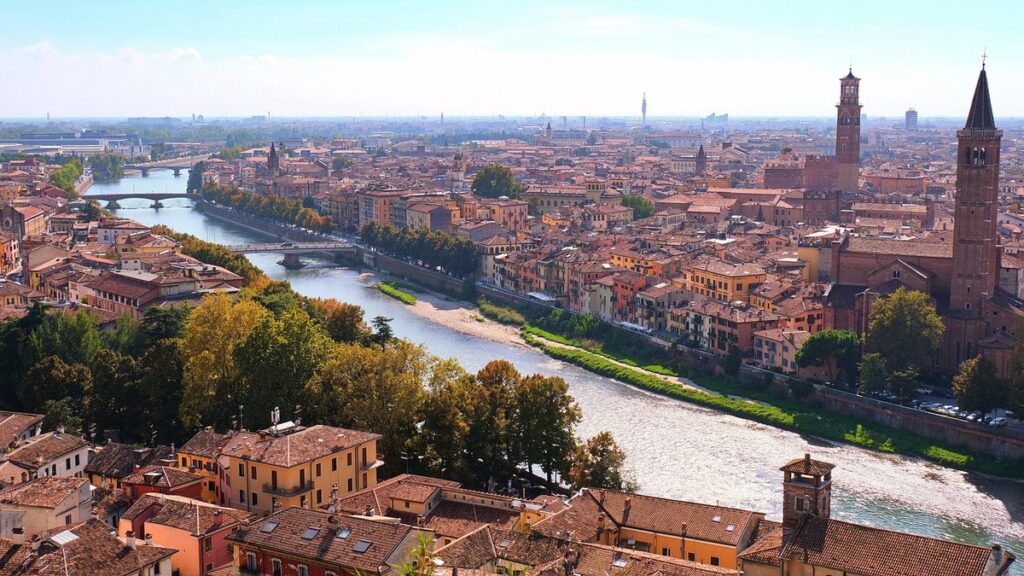
Planning Your Verona Walking Tour
Before you set out on your Verona walking tour, let’s get organized and make sure you know what to see and when. Plan your route effectively to make the most of your time in this beautiful Italian city.
Choosing the Best Time to Visit
When planning your Verona walking tour, timing is everything. The best time to visit Verona largely depends on your preferences regarding weather and tourist crowds. Spring (April to June) and autumn (September to November) are the ideal seasons to explore the city’s hidden gems. During these periods, the temperatures are mild, with average highs ranging from 17°C to 22°C (63°F to 72°F), making it perfect for walking tours.
In spring, the city is less crowded than in summer, allowing you to discover its charming neighborhoods and historic landmarks without the chaos of peak tourist season. The blooming flowers and lush greenery add a picturesque touch to your stroll through Verona’s streets.
Summer (July to August) is peak tourist season, with large crowds flocking to the city for the famous opera festival. While this can be an exciting time to experience the city’s cultural events, it may not be ideal for those seeking a more relaxed pace.
In contrast, winter (December to March) brings fewer tourists, but you’ll need to bundle up against cooler temperatures and potential rain showers. If you don’t mind the chill, you can enjoy a peaceful stroll through the snow-covered streets of Verona.
Mapping Out Your Route
When creating an effective walking tour itinerary for Verona, it’s essential to prioritize must-see attractions and landmarks. Start by identifying the city’s main sights, such as Juliet’s Balcony and the Arena di Verona. However, don’t limit yourself to just these iconic destinations – explore lesser-known areas like the San Zeno Maggiore Church and the Castelvecchio Bridge.
Consider grouping similar attractions together in your itinerary. For example, dedicate a morning to exploring Roman ruins, such as the Arco dei Gavi and the Teatro Romano. Alternatively, spend an afternoon admiring Renaissance palaces and churches, including the Palazzo Maffei and the Basilica di San Zeno Maggiore.
To avoid fatigue, build in breaks between attractions. Verona’s charming streets and piazzas are perfect for a leisurely stroll or coffee stop. Be sure to also include time for spontaneity – don’t be afraid to deviate from your itinerary if you stumble upon an intriguing side alley or local market. By striking the right balance of planned activities and flexibility, you’ll be able to fully immerse yourself in Verona’s hidden gems.
Budgeting for Your Trip
When setting a realistic budget for your Verona walking tour, consider transportation costs. A one-way ticket on public transport can cost around 1-2 euros, but buying a daily pass or a weekly ticket can be more economical. For example, the city’s urban mobility card offers unlimited travel on buses and trams for 10 euros per day. Accommodation prices vary greatly depending on the season and type of lodging. Expect to pay between 40-80 euros per night for a budget-friendly B&B or hostel, while mid-range hotels can cost between 80-120 euros per night. For food, aim to spend around 15-20 euros per meal at a local trattoria or osteria, where you can find authentic Veronese cuisine. Eating at cafes or restaurants near popular tourist spots can be pricier, with meals costing upwards of 25 euros. To save money, consider purchasing a Verona city map that highlights affordable eateries and accommodations. Additionally, book your accommodation and transportation in advance to secure better rates.
History and Architecture
Verona’s rich history is on full display in its stunning architecture, from ancient Roman ruins to breathtaking Renaissance palaces. Let’s take a closer look at some of the city’s most iconic landmarks.
Exploring Roman Ruins and Historical Landmarks
The Arena di Verona and Teatro Romano are two of the most significant ancient structures in Verona, offering a glimpse into the city’s rich history. The Arena di Verona, built in the 1st century AD, is one of the world’s largest amphitheaters and has hosted numerous performances throughout its long history. Its architectural style is characteristic of Roman architecture, with a combination of arches, columns, and vaults that create an impressive structure.
In contrast, the Teatro Romano, built in the 1st century BC, is one of the best-preserved ancient theaters in Italy. Its unique design features a semicircular auditorium and a stage with a backdrop. Both structures showcase the engineering skills and artistic flair of the ancient Romans. When visiting these sites, consider taking a guided tour to gain a deeper understanding of their history and significance.
The Arena di Verona is particularly notable for its excellent acoustics, which allow spectators to hear even the faintest sounds from the stage. The Teatro Romano, on the other hand, offers stunning views of the city from its upper levels. By exploring these ancient structures, visitors can appreciate the architectural and cultural achievements of the Romans in Verona.
Admiring Renaissance Palaces and Churches
As you stroll through Verona’s charming streets, be sure to admire the city’s stunning Renaissance palaces and churches. Two of the most notable examples are Casa di Giulietta and Chiesa di Sant’Eufemia.
Casa di Giulietta, also known as the House of Juliet, is a 14th-century palace that has become an iconic symbol of Verona. This beautiful building boasts stunning frescoes by Domenico Morone, which adorn the walls of its courtyard. The palace’s artistic importance lies in its unique blend of Gothic and Renaissance styles, showcasing the evolution of architectural design during this period.
In contrast, Chiesa di Sant’Eufemia is a magnificent church that dates back to the 16th century. Its façade is adorned with intricate stone carvings, while its interior features an impressive dome designed by renowned architect Baldassare Longhena. This church serves as a prime example of Verona’s rich artistic heritage and the influence of prominent architects on the city’s architectural landscape.
When visiting these sites, take note of the ornate details that set them apart from other Renaissance buildings in the city.
Culture and Traditions
As we wander through Verona’s charming streets, it’s easy to stumble upon vibrant festivals and traditions that reflect the city’s rich history. From operatic performances to ancient rituals, you’ll discover the cultural heartbeat of this enchanting Italian town.
Discovering Verona’s Musical Heritage
Verona is renowned for its rich musical heritage, which spans centuries and encompasses a range of genres. At the heart of this legacy lies La Fenice Theatre, one of Italy’s most celebrated opera houses. Built in 1790, La Fenice has hosted some of the world’s greatest singers and composers, including Verdi himself.
Verdi, born just outside Verona in 1813, is arguably the city’s most famous son. His operas, such as “Rigoletto” and “La Traviata,” are staples of the classical repertoire and continue to be performed worldwide. Visitors can walk to La Fenice from the city center and take a guided tour of the theatre, gaining insight into its history and significance.
Other notable composers with ties to Verona include Claudio Monteverdi and Gaetano Donizetti. The city’s musical past is also reflected in its numerous festivals and concerts throughout the year. These events celebrate everything from classical music to jazz and pop, providing something for every taste. For those interested in delving deeper into Verona’s musical heritage, consider attending a performance at La Fenice or exploring the city’s archives and libraries, which house an extensive collection of sheet music and historical documents related to the city’s musical past.
Participating in Local Festivals and Events
Verona is a city that comes alive with music and celebration throughout the year. If you’re visiting during the summer months, be sure to catch the Opera Festival, which takes over the city’s streets and piazzas with performances of Verdi’s iconic operas. This festival is a highlight of the cultural calendar, attracting visitors from around the world.
In addition to the Opera Festival, there are many other festivals and celebrations that take place throughout the year. The Festa di San Zeno, for example, is a lively celebration held in June to commemorate the city’s patron saint. During this time, the streets are filled with music, food stalls, and traditional games.
If you’re visiting during these times, be sure to participate by trying some local delicacies, dancing along to the music, or even joining in on one of the many street performances. You might also consider purchasing a ticket to one of the main events, such as an opera performance or a concert in the city’s historic amphitheater.
Some practical tips for participating in these festivals include: checking the official festival schedule, planning your itinerary around peak event times, and being prepared for crowds and lively street atmosphere.
Food and Wine
As we wander through Verona’s charming streets, it’s only fitting that our walking tour includes a taste of la dolce vita – discovering the city’s culinary treasures and savoring its renowned wines. From local specialties to wine bars, you’ll want to try these must-visit spots.
Savoring Traditional Veronese Cuisine
Veronese cuisine is a culinary reflection of the region’s rich history and cultural influences. You’ll find traditional dishes that showcase local ingredients and flavors. Risotto alla pilota is one such specialty, made with saffron-infused risotto, beef or veal ragù, and served with a sprinkle of Parmesan cheese.
This comforting dish is often associated with the city’s famous football team, Hellas Verona. Fegato alla veneziana, on the other hand, is a classic Veronese recipe that consists of slow-cooked liver and onions, typically served with polenta or mashed potatoes. Both dishes are staples in local trattorias and restaurants.
When exploring Verona’s culinary scene, be sure to try these authentic local specialties. To truly experience the flavors of Veronese cuisine, opt for ingredients sourced from nearby farms and markets. Look for menus that highlight seasonal produce and traditional preparation methods.
Some popular restaurants and eateries serve excellent versions of risotto alla pilota and fegato alla veneziana. Try Ristorante La Terrazza or Trattoria al Pompiere, both of which offer a taste of authentic Veronese cuisine in a cozy atmosphere.
Wine Tasting in the Surrounding Countryside
When exploring Verona on foot, consider venturing into its picturesque countryside to sample some of the region’s renowned wines. A short drive from the city center will lead you to vineyards producing distinctive varietals like Soave and Valpolicella.
For a unique wine-tasting experience, visit the nearby Fattoria San Giorgio, which offers guided tours and tastings of their award-winning Soave Classico. Alternatively, head to the picturesque hills surrounding Verona to taste some of the area’s finest Valpolicella wines at local estates like Villa Corleto.
Soave, a crisp white wine made from Garganega grapes, pairs perfectly with the region’s seafood and salads. Meanwhile, Valpolicella, a rich red wine produced from Corvina grapes, complements Verona’s hearty pasta dishes and risottos.
Some notable wine producers to look out for include Tommasi, which offers tastings of their premium Soave and Valpolicella wines, as well as Negrar-based Venegazzù, whose expertly crafted blends showcase the region’s signature styles.
Tips and Essentials
To make the most of your Verona walking tour, here are some insider tips on what to see, do, and experience beyond the typical tourist trail. We’ve got the inside scoop on Verona’s hidden gems.
Getting Around Verona
To get around Verona efficiently, you’ll want to familiarize yourself with the city’s public transportation system. The most convenient way to explore the city is by bus, and ATB (Azienda Tramvie e Autobus del Comune di Verona) operates an extensive network of routes. You can plan your journey using the company’s online route planner or buy a rechargeable ticket called “City Star” for easy travel.
Verona also has a bike-sharing system called Verona Bike, which allows you to rent bikes for short periods. This is a great option for exploring the city’s scenic areas and getting some exercise while sightseeing. Be aware that bike rentals are limited during peak tourist season, so it’s best to book in advance.
If you prefer to walk or take a taxi, Verona’s historic center is relatively compact and pedestrian-friendly. However, keep in mind that some areas can get congested with tourists, especially during peak season. Consider purchasing a “Verona Card,” which grants access to public transportation and discounts on attractions. This can be a cost-effective option for frequent travelers or those planning multiple visits within a short timeframe.
Safety and Etiquette
When walking through Verona’s historic center, be mindful of pedestrian-only zones and follow the signs directing you to these areas. Avoid obstructing the views of shops, cafes, or other passersby by keeping to designated paths and not lingering in front of street performers or food vendors.
Respect local customs and traditions by dressing modestly when visiting churches or other places of worship. Remove your shoes before entering a church, as is customary in Italy. You’ll typically find shoe racks or designated areas outside the church where you can leave your footwear.
Be aware that some areas within Verona’s historic center are under restoration or archaeological excavation. Follow any guidance from local authorities or signs indicating restricted access to these sites. If you’re unsure about an area, it’s always better to err on the side of caution and avoid entering until further notice.
When interacting with locals, use polite language and try to learn a few basic Italian phrases, such as “grazie” (thank you) and “per favore” (please). Showing respect for the local culture can go a long way in enhancing your experience and making connections with the people you meet.
Advanced Topics: Off-the-Beaten Path
Beyond the main attractions, we’ll venture into Verona’s lesser-known neighborhoods and hidden corners, where history and culture await discovery in every winding street. Get ready to uncover the city’s unique character.
Exploring Verona’s Hidden Neighborhoods
San Fermo Maggiore is one of Verona’s lesser-known neighborhoods, yet it boasts a rich history and unique charm. This area is home to the stunning San Fermo Maggiore church, which dates back to the 13th century and features an impressive Gothic façade. As you wander through the narrow streets surrounding the church, you’ll discover an array of small shops selling handmade crafts, local artwork, and vintage items.
Nearby, the Sant’Anastasia neighborhood offers a tranquil escape from the city’s bustling center. This picturesque area is characterized by its cobblestone streets and historic buildings, many of which date back to the Renaissance period. Visitors can explore the beautiful Santa Maria della Scala church, admire the stunning frescoes adorning its walls, and browse the local boutiques selling high-end fashion and jewelry.
For foodies, San Fermo Maggiore has a few hidden gems worth exploring. Try Ristorante La Grotta for authentic Veronese cuisine in an intimate setting, or stop by Gelateria di Santa Anastasia for artisanal gelato made with fresh, locally-sourced ingredients.
Visiting Nearby Villages and Towns
A short drive from Verona lies the medieval town of Soave, a gem nestled within the rolling hills of the Veneto region. Its picturesque landscape, dotted with vineyards and olive groves, makes for a serene escape from the city’s bustle. Historically, Soave was an important stop on the ancient Roman trade route, and its well-preserved architecture still bears witness to this rich heritage.
Visitors can explore the town’s narrow cobblestone streets, taking in the charming piazzas and ornate stone facades. A visit to the Castello Scaligero, a 14th-century fortress, offers breathtaking views of the surrounding countryside. For those interested in wine, Soave is renowned for its crisp white wines, which pair perfectly with the region’s seafood delicacies.
Another nearby town worth visiting is Sirmione, a charming lakeside resort on Lake Garda. Its Roman ruins and thermal baths are remnants of a bygone era, while the town’s scenic promenade offers stunning views of the lake. Visitors can stroll along the waterfront, take a dip in the lake, or indulge in water sports for an adrenaline rush.
When planning your day trip to these towns, consider renting a car or joining a guided tour to make the most of your time. With its unique blend of history, culture, and natural beauty, visiting nearby Soave and Sirmione is an excellent way to deepen your understanding of Verona’s hidden gems.
Frequently Asked Questions
Can I visit Verona during peak tourist season and still enjoy the city’s hidden gems?
Yes, with some planning and flexibility, you can still explore the city’s lesser-known areas even during peak tourist season. Consider visiting popular attractions early in the morning or later in the evening to avoid crowds.
How do I balance my budget for transportation, accommodations, and food in Verona when traveling on a tight budget?
Prioritize your spending by focusing on affordable accommodations and cooking some meals yourself instead of relying on restaurants. Consider using public transportation or walking/biking whenever possible to save money on transportation costs. Research free or low-cost attractions and activities to make the most of your trip.
What if I have mobility issues or prefer not to walk long distances? Are there accessible Verona walking tour options available?
Yes, many guided tours in Verona cater to visitors with mobility issues or those who prefer shorter walks. Look for tour operators that offer wheelchair-accessible routes and accommodations. You can also consider hiring a private guide who can tailor the itinerary to your needs.
Can I combine my Verona walking tour with day trips to nearby villages and towns, such as Soave and Sirmione?
Absolutely! In fact, visiting these nearby towns is a great way to experience the region’s unique culture and landscapes. Plan your day trips in advance to ensure you have enough time for both exploration and transportation between destinations.
How do I know which local festivals and events are worth attending during my Verona walking tour?
Research the city’s event calendar in advance to catch popular festivals like the Opera Festival or Festa di San Zeno. Check with your accommodations, tourist information centers, or social media groups for locals’ recommendations on must-attend events and festivals that align with your interests.

