
Every year on the third Saturday of September, millions of people around the globe come together to make a difference on World Clean Up Day. This global movement is all about promoting sustainability and community engagement by cleaning up our planet’s waste and reducing its impact on our environment. As one of the largest volunteer-based events in the world, it’s an incredible opportunity for individuals, communities, and organizations to take action against pollution and come together towards a common goal. But have you ever wondered how to make your World Clean Up Day event truly successful? With tips from experienced organizers, inspiring success stories, and strategies for engaging your community, our comprehensive guide will show you exactly what it takes to host an event that not only cleans up but also fosters lasting change and promotes a culture of sustainability. By the end of this article, you’ll be equipped with the knowledge and inspiration needed to make a real difference in your community on World Clean Up Day.
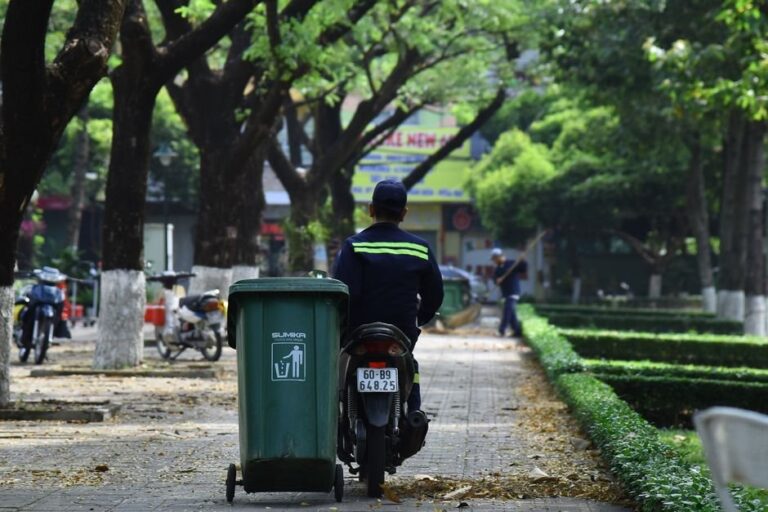
History and Significance
World Clean Up Day has its roots in a 1989 initiative, which marked the beginning of a global movement to inspire community-led clean-up efforts around the world.
The Origins of World Clean Up Day
World Clean Up Day originated from a simple yet powerful idea: bringing people together to make a difference in their communities. The concept was first proposed by a group of individuals from Sweden and Finland, who were frustrated with the growing problem of waste and pollution in their countries. They wanted to create an event that would not only clean up public spaces but also raise awareness about the importance of environmental conservation.
The founders of World Clean Up Day, led by a Finnish man named Lasse Gustafsson, drew inspiration from a similar initiative called “Let’s Do It” in Estonia. This grassroots movement had successfully mobilized thousands of people to clean up their country’s environment in just one day. Building on this momentum, Gustafsson and his team launched World Clean Up Day in 2008 with the goal of creating a global phenomenon that would unite individuals from all walks of life to take action against waste and pollution.
The first edition of World Clean Up Day saw a modest turnout, but it sparked a snowball effect. As news of the event spread, more countries began to join in, and the movement gained momentum. Today, World Clean Up Day is celebrated by millions of people worldwide, making it one of the largest environmental events on the planet.
Global Impact and Recognition
Over the years, World Clean Up Day has grown to become a globally recognized event, with participation from over 180 countries and territories. Notable participants include governments, corporations, schools, and community groups, all working together to promote environmental stewardship and sustainability. The event’s impact is evident in the sheer scale of clean-up activities – from beach cleanups to park revitalizations, and from urban streets to rural landscapes.
Notable achievements include the removal of over 18 million tons of trash from oceans and waterways since the event’s inception. Additionally, World Clean Up Day has inspired countless community-led initiatives, such as the “Adopt a Beach” program in Australia, which has seen significant reductions in marine debris. The event’s reach extends beyond individual clean-up activities, with many countries incorporating it into their national environmental policies.
The United Nations Environment Programme (UNEP) has also partnered with World Clean Up Day, providing critical support and resources to participating organizations. As a result of this collaboration, the event’s global impact continues to grow, inspiring new generations of environmental stewards and promoting a culture of sustainability worldwide.
Preparing for the Big Day
To make World Clean Up Day a success, you’ll want to prepare ahead of time by gathering essential supplies and coordinating with your team. This means having all the right gear in place.
Planning and Coordination
To effectively plan and coordinate clean-up efforts on World Clean Up Day, start by identifying specific goals for your community or organization. Determine which areas of your neighborhood or local park need attention, and prioritize those tasks accordingly. Establish clear roles and responsibilities to ensure a smooth operation.
Create a schedule with set times for setup, cleanup, and any necessary breaks in between. Assign teams to manage logistics, communication, and waste disposal. Develop a plan for handling special items such as hazardous materials, electronics, or bulky waste. Make sure to leave some flexibility in your plan for unexpected situations.
When working with local communities, build partnerships with schools, businesses, and other organizations to amplify the impact of your clean-up efforts. This can include collaborating on promotional activities, securing donations or sponsorships, or leveraging resources such as equipment and volunteers. Consider hosting a pre-event meeting to discuss plans, assign tasks, and address any concerns. For example, a local park department might team up with a community group to organize a joint clean-up event that benefits both parties.
Gathering Resources and Equipment
To ensure a successful clean-up operation, it’s crucial to gather the right resources and equipment. Start by identifying the specific areas you’ll be cleaning and the types of debris you’ll encounter. This will help you determine the necessary safety gear, such as gloves, masks, and protective eyewear.
For cleaning materials, consider the following essentials: trash bags, brooms, dustpans, shovels, and rakes. Don’t forget to stock up on soap, water, and disinfectant for any heavy-duty cleaning tasks. If you’re dealing with hazardous waste or pollutants, be sure to have proper containment equipment, like buckets or tarps.
You may also need specialized gear depending on the location and type of clean-up. For example, if you’ll be working near waterways, bring along a skimmer or grabber for removing debris from surfaces. Additionally, consider having a first-aid kit on hand in case of accidents. When collecting equipment, make sure to check its condition and functionality beforehand to avoid any issues during the clean-up. A well-prepared team with the right resources can significantly enhance the overall impact of your World Clean Up Day efforts.
Types of Clean-Up Activities
From community beach cleanups to park renovations, there are countless ways to participate and make a difference on World Clean Up Day. Let’s take a closer look at some unique activities you can get involved in.
Community-Based Initiatives
Community-driven clean-up projects have been instrumental in revitalizing local environments. The 2018 “Adopt a Highway” initiative in California, USA, saw volunteers band together to clear over 200 miles of litter from highways and byways. Similarly, the “Keep Australia Beautiful” campaign has been running for decades, with community-led clean-ups resulting in significant reductions in waste and improved environmental health.
Effective community-based initiatives often involve partnerships between local government agencies, businesses, and residents. For instance, a small town in Japan organized a joint clean-up effort with nearby businesses, resulting in the collection of over 10 tons of recyclables. Such collaborations not only amplify impact but also foster a sense of community ownership and responsibility.
To replicate success, consider the following strategies:
- Identify a specific area or focus for your clean-up efforts
- Engage local stakeholders, including residents, business owners, and government representatives
- Develop clear goals and objectives for your project
- Establish partnerships with local organizations to amplify resources and impact
Environmental Focus Areas
Clean-up efforts on World Clean Up Day focus on various environmental hotspots. Oceans are a prime concern, with marine pollution from plastic waste and oil spills threatening ecosystems and wildlife. Rivers, including urban waterways and natural habitats, require attention to prevent chemical runoff, sedimentation, and habitat destruction. Public spaces, such as parks, playgrounds, and streets, accumulate litter, graffiti, and hazardous materials that can harm people and the environment.
In addition to these areas, focus should also be on green spaces, including city gardens and nature reserves, which are crucial for urban biodiversity and air quality. Mountains and forests need attention to prevent soil erosion, landslides, and loss of forest cover. Finally, abandoned sites, such as former industrial areas or waste dumps, require remediation to protect nearby communities from pollution.
When tackling these environmental focus areas, consider the following: prioritize the most critical hotspots in your community, collaborate with local authorities and experts to identify the best clean-up strategies, and ensure that all volunteers are equipped with necessary protective gear.
Tips for Effective Clean-Up Practices
To make the most out of World Clean Up Day, let’s focus on establishing some essential habits to maintain a clean and organized environment in our daily lives. This includes simple yet effective practices that can be adapted anywhere.
Waste Management Strategies
To minimize waste during clean-up activities, it’s essential to have effective waste management strategies in place. One approach is to use designated collection points for recyclables and non-recyclables. These can be clearly labeled bins or containers that encourage participants to separate their trash accordingly.
Another technique is to adopt the “3Rs” – reduce, reuse, recycle – as a guiding principle. This involves reducing single-use plastics and materials, reusing items whenever possible, and recycling materials that are collected during the clean-up event.
When it comes to handling hazardous waste, such as chemicals or electronics, consider partnering with local organizations or experts who can provide guidance on safe disposal practices. For instance, some communities may have designated electronic waste collection facilities.
In terms of logistics, consider using reusable bags, gloves, and other equipment to reduce the amount of disposable waste generated during clean-up activities. Additionally, plan for proper disposal of collected materials by identifying local recycling centers or landfills that can accept the waste.
Involving Local Communities
To effectively involve local communities in the clean-up process, consider establishing a clear communication channel with residents. This can be achieved through social media groups, neighborhood meetings, or local newspapers. By keeping them informed about the clean-up schedule, objectives, and progress, you’ll foster a sense of ownership and community pride.
Organize activities that cater to diverse age groups and abilities, such as park clean-ups, beach clean-ups, or even urban gardening initiatives. This will encourage residents to participate actively, making the event more enjoyable and inclusive.
For instance, in Stockholm’s World Clean Up Day initiative, local schools partnered with waste management authorities to create a “Recycling Challenge.” Students competed to collect the most recyclable materials, promoting environmental awareness among younger generations.
When engaging with local communities, remember that flexibility is key. Be prepared to adapt plans according to weather conditions or unexpected circumstances. By doing so, you’ll demonstrate your willingness to work collaboratively and minimize potential disruptions.
To encourage continued community involvement after World Clean Up Day, establish a maintenance program that allows residents to contribute regularly. This can be as simple as adopting a local park or participating in monthly clean-up events.
World Clean Up Day Around the Globe
From community-led initiatives in small towns to massive global events, we’re shining a spotlight on how people worldwide come together for World Clean Up Day. Let’s take a look at some of these inspiring efforts.
Regional Highlights and Success Stories
From the Pacific Islands to the European countryside, communities around the world have showcased remarkable initiatives and achievements on World Clean Up Day. In Australia, the “Beach Cleanup Challenge” encouraged participants to collect 1 kilogram of trash from their local beach, with many areas exceeding this target. This creative approach not only raised awareness about marine pollution but also inspired individuals to take action.
In Africa, the “Clean-Up Kenya” campaign organized community-led clean-ups in major cities, engaging over 10,000 volunteers and collecting a significant amount of waste. The initiative’s success can be attributed to its inclusive approach, involving local residents, schools, and businesses in the planning process. This collaborative effort not only beautified public spaces but also fostered a sense of community pride.
In Asia, Japan’s “World Clean Up Day Challenge” focused on reducing single-use plastics, with participants encouraged to collect and recycle as much plastic waste as possible. The campaign’s innovative use of social media helped amplify the message, reaching a wide audience and inspiring individuals to adopt sustainable habits. These regional highlights demonstrate the power of community-driven initiatives in making a tangible impact on environmental issues.
International Partnerships and Collaborations
World Clean Up Day has become a truly global phenomenon, thanks to the efforts of numerous international partners and collaborations. The United Nations Environment Programme (UNEP) has been a key player in promoting the event, providing guidance on planning and execution. Other notable partnerships include the World Association of Girl Guides and Girl Scouts, which mobilizes its vast network of volunteers for clean-up activities.
The Ocean Conservancy is another important partner, working with local communities to address marine pollution through beach cleanups. The European Union has also shown support by launching a dedicated campaign to reduce waste and promote sustainable practices. These partnerships have helped amplify the impact of World Clean Up Day, ensuring its reach extends far beyond individual countries.
In addition to these large-scale collaborations, numerous grassroots initiatives have emerged, linking local communities with international organizations. For instance, the Global Environment Facility (GEF) has supported community-led projects in developing countries, empowering them to address their unique environmental challenges. By engaging diverse stakeholders and leveraging expertise from around the world, World Clean Up Day has become a shining example of global cooperation for a common goal: a cleaner, healthier planet.
Long-Term Impact and Sustainability
As we reflect on World Clean Up Day, it’s essential to consider how our actions today will affect the future of our planet. This section explores strategies for lasting environmental impact and sustainability.
Creating Lasting Change
Creating lasting change requires a multi-faceted approach. Community engagement is crucial to sustaining clean-up efforts beyond World Clean Up Day. This involves building relationships with local stakeholders, including businesses, schools, and community groups. By fostering partnerships, you can leverage collective resources, expertise, and enthusiasm to maintain momentum.
Education plays a vital role in creating lasting change. Organize workshops, training sessions, or environmental fairs to raise awareness about the importance of waste management, pollution prevention, and conservation. These events not only educate but also inspire community members to take ownership of their environment.
Policy changes can also contribute significantly to sustaining clean-up efforts. Collaborate with local authorities to implement long-term solutions, such as recycling programs, waste reduction initiatives, or green infrastructure projects. By advocating for policy changes, you can create a framework that supports environmental stewardship and encourages sustained community involvement.
Measuring Success and Progress
To accurately measure the success and progress of clean-up initiatives on World Clean Up Day, it’s essential to establish clear goals and metrics. These might include the amount of trash collected, the number of volunteers involved, or the impact on local ecosystems. A commonly used method is to track the weight of waste collected before and after events, providing a tangible measure of progress.
Consider using a combination of quantitative and qualitative indicators. For example, weigh the total amount of debris removed and also gather feedback from participants about their experiences and perceptions of the event’s effectiveness. This dual approach helps create a more comprehensive understanding of an initiative’s overall impact.
Some key performance indicators (KPIs) to focus on include:
• Total weight of waste collected
• Number of volunteers participating
• Local community engagement and involvement
• Changes in environmental conditions, such as reduced litter or improved water quality
Frequently Asked Questions
Can I participate in World Clean Up Day with a group of friends or family?
You can definitely participate in World Clean Up Day with a group of friends or family. In fact, many successful clean-up events have been organized by community groups and volunteers. When planning your event, make sure to coordinate with local authorities and follow the guidelines provided by World Clean Up Day organizers to ensure a smooth and safe experience for everyone involved.
What if it rains on the day of the clean-up? Should we still go ahead?
Yes, you should still participate in the clean-up even if it rains. In fact, many organizations have reported that cleaning up after heavy rainfall can be just as effective, if not more so, than cleaning up on a dry day. Just make sure to bring appropriate gear and equipment to handle slippery surfaces and potential waterlogging.
How do I measure the impact of my community’s clean-up efforts?
Measuring the impact of your community’s clean-up efforts can be done in various ways, including tracking the amount of waste collected, monitoring changes in local wildlife populations, or assessing the aesthetic improvements to public spaces. You can also involve local residents and stakeholders in the evaluation process to ensure that everyone is on the same page.
What if I’m short on resources or equipment for my clean-up event?
If you’re short on resources or equipment for your clean-up event, consider reaching out to local businesses or organizations for donations or partnerships. Many companies are eager to support community-led initiatives and may be willing to provide materials or expertise in exchange for promotion or recognition.
Can I organize a clean-up event in my neighborhood without getting official permission from the authorities?
No, it’s generally recommended that you obtain official permission from local authorities before organizing a large-scale clean-up event. This will help ensure that your efforts are supported and that any necessary permits or licenses are obtained to avoid potential fines or penalties.

