
Every day, plastic bags, bottles, and microbeads make their way into our oceans, harming marine life and contaminating the food chain. Oil spills and nutrient pollution are also major contributors to this environmental crisis. Despite its severity, many people remain unaware of the devastating impact of marine pollution on ecosystems. You may be surprised to learn that plastic pollution alone is responsible for killing over 100,000 marine animals annually. From plastic debris entangling coral reefs to oil slicks coating sensitive habitats, the effects are far-reaching and alarming. In this article, we’ll explore the most pressing marine pollution facts and highlight individual actions that can make a difference in preventing this crisis. By the end of this post, you’ll have a better understanding of the problem and know what steps you can take to become part of the solution.
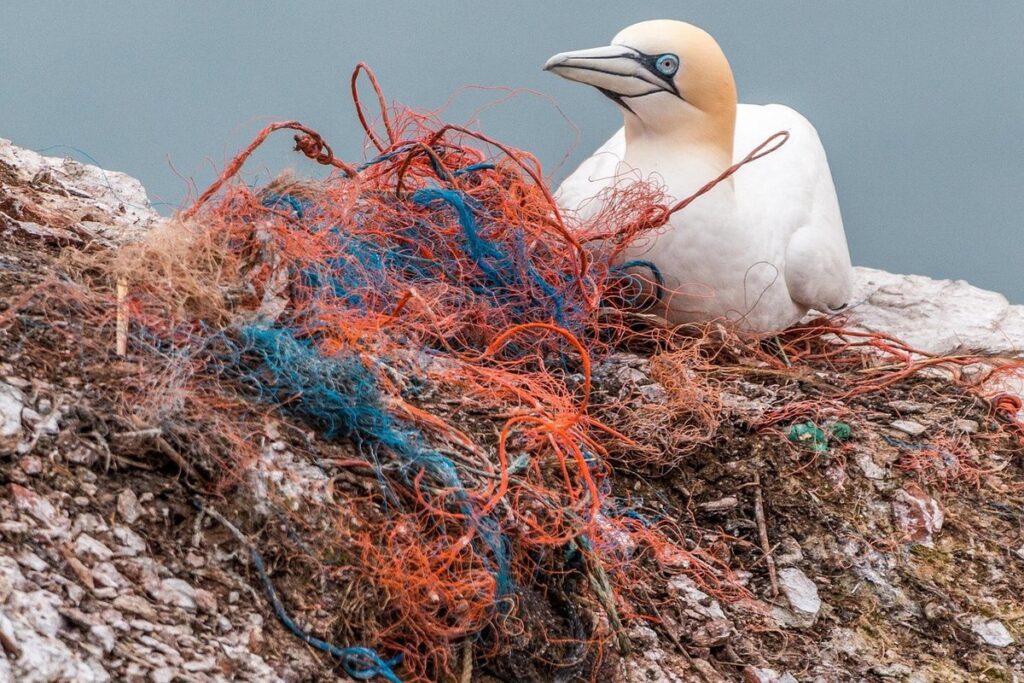
The Scope of Marine Pollution
Marine pollution affects not just our oceans, but also human health and the environment. This section will explore the far-reaching consequences of pollution on marine ecosystems.
Types of Marine Pollution
Marine pollution comes in various forms, each with its own unique characteristics and consequences. Plastic pollution is a significant concern, as it can entangle marine life, cause suffocation, and break down into microplastics that are ingested by fish and other organisms. Oil spills, on the other hand, can devastate coastal ecosystems and contaminate the food chain.
Nutrient pollution, often linked to agricultural runoff and sewage, can lead to algal blooms that deplete oxygen levels in waterways and harm marine life. Invasive species, such as zebra mussels and lionfish, can outcompete native species for resources and habitat, disrupting the balance of delicate ecosystems.
Another type of pollution is noise pollution, which can disrupt communication among marine animals and affect their behavior. This can be caused by shipping traffic, sonar use, or even recreational activities like jet skiing. Understanding these various types of marine pollution is crucial to addressing their impacts and developing effective solutions.
Sources of Marine Pollution
Industrial activities, such as oil refineries and chemical plants, release pollutants like heavy metals and toxic chemicals into coastal waters through wastewater discharge. Agricultural runoff from fertilizers and pesticides contributes to nutrient pollution, causing algal blooms that deplete oxygen levels and harm marine life. Shipping also plays a significant role in marine pollution, with cargo vessels releasing oils and fuels during loading and unloading processes.
Human consumption habits are another major contributor to marine pollution. Food waste and sewage from households and restaurants often enter waterways through storm drains or directly into the ocean. Additionally, the production and disposal of single-use plastics have become a major concern, as plastic debris accumulates in oceans and harms wildlife. The improper disposal of hazardous materials like batteries, electronics, and pesticides also contaminates marine ecosystems.
In some cases, marine pollution is caused by natural disasters such as hurricanes or tsunamis, which can stir up pollutants and disrupt marine habitats. However, the majority of marine pollution is human-induced and can be mitigated through proper waste management practices, sustainable industrial processes, and regulations on shipping and agriculture.
Plastic Pollution in Oceans
Did you know that plastic waste is a significant contributor to ocean pollution, harming marine life and ecosystems worldwide? We’ll explore the alarming facts behind plastic pollution’s devastating impact on our oceans.
The Problem with Single-Use Plastics
Single-use plastics are a major contributor to marine pollution, causing harm to marine life through entanglement, suffocation, and ingestion. When plastic bags, straws, and other disposable items enter the ocean, they can become trapped in coral reefs, seaweed forests, or other underwater structures, injuring or killing fish and other animals that try to escape.
Entanglement is a particularly painful process for marine life, as it can take weeks or even months for an animal to die after being trapped. Suffocation occurs when plastic debris blocks air passages, causing asphyxiation. Ingestion of microplastics has been linked to reduced fertility, impaired immune systems, and altered behavior in marine animals.
To put this problem into perspective, consider the sheer volume of single-use plastics used daily. According to a recent report, over 8 million tons of plastic waste enter the ocean every year. To make matters worse, many of these items are not biodegradable, meaning they persist in the environment for centuries. By making conscious choices about our use of single-use plastics – such as switching to reusable bags and water bottles – we can significantly reduce the amount of marine pollution caused by plastic waste.
Microplastics: A Growing Concern
Microplastics enter the ocean through a variety of sources, including wastewater treatment plants, stormwater runoff, and microbeads from personal care products. These tiny particles can be ingested by marine animals, potentially causing harm to their digestive systems and leading to an accumulation of toxins in the food chain.
Once ingested, microplastics can be transferred up the food chain through consumption of contaminated prey. This means that humans who eat seafood may also ingest microplastics, which raises concerns about potential human health risks. Studies have shown that microplastics have been found in a wide range of marine species, including fish, shellfish, and even plankton.
Some research suggests that exposure to microplastics can cause inflammation, oxidative stress, and changes to the gut microbiome in laboratory animals. While more research is needed to fully understand the effects of microplastic ingestion on human health, it’s clear that this issue warrants further attention and investigation.
Oil Spills and Chemical Pollution
Oil spills and chemical pollution are two of the most devastating types of marine pollution, causing irreparable harm to aquatic ecosystems and wildlife. We’ll examine the impact and causes of these pollutants in this section.
The Devastating Effects of Oil Spills
The Exxon Valdez disaster of 1989 is one of the most well-documented oil spills in history. On March 24, 1999, an oil tanker ran aground near Prince William Sound in Alaska, releasing nearly 11 million gallons of crude oil into the pristine waters. The immediate impact was staggering: over 1,000 miles of shoreline were coated with a thick layer of oil, and an estimated 250,000 seabirds died as a result.
The effects on marine life persisted for years after the spill. In one study, researchers found that fish populations in affected areas took up to three years to recover. The ecosystem was severely disrupted, leading to cascading impacts throughout the food chain. Oil spills like this one not only devastate local wildlife but also have a lasting impact on human communities.
The Gulf of Mexico oil spill in 2010 is another notable example. In addition to killing an estimated 8 million gallons of crude oil, it released massive amounts of toxic chemicals into the water. These chemicals can persist for years, causing long-term damage to marine ecosystems and human health.
Chemical Pollution: A Silent Killer
Chemicals like pesticides, fertilizers, and industrial pollutants seep into oceans through various channels, including agricultural runoff, wastewater discharge, and direct dumping. These substances can be toxic to marine life, even at low concentrations, and some have been linked to reproductive issues, birth defects, and DNA damage in fish and other organisms.
Certain chemicals, such as polycyclic aromatic hydrocarbons (PAHs), are known carcinogens that can accumulate in the food chain, posing risks to human health through consumption of contaminated seafood. Other pollutants, like endocrine disruptors, can interfere with hormone regulation in marine animals, leading to changes in reproductive behavior and growth patterns.
The effects of chemical pollution on marine ecosystems are often invisible, making it a silent killer. However, the consequences can be devastating when these chemicals accumulate over time or interact with other pollutants. To mitigate this issue, it’s essential to implement better agricultural practices, invest in advanced wastewater treatment technologies, and strengthen regulations surrounding industrial activities that generate hazardous waste. Reducing our reliance on chemical-intensive agriculture and adopting more sustainable methods can also help minimize the introduction of these pollutants into oceans.
Nutrient Pollution and Algal Blooms
Nutrient pollution is a major contributor to algal blooms, which can have devastating effects on marine ecosystems, harming marine life and even posing health risks to humans. We’ll explore this crucial issue in more detail.
The Role of Fertilizers and Sewage
Agricultural runoff and sewage are two primary sources of nutrient pollution in our oceans. Fertilizers used in farming contain high levels of nitrogen and phosphorus, which can easily enter waterways through rain or irrigation. This excess nutrient load stimulates the growth of algae, leading to algal blooms that deplete oxygen and harm marine ecosystems. Sewage treatment plants also release significant amounts of nutrients into the ocean, often due to inadequate infrastructure or overcapacity.
Some notable examples of nutrient pollution include the Gulf of Mexico’s “Dead Zone,” where an estimated 5,000 square miles of water are devoid of oxygen due to algal blooms fueled by agricultural runoff and sewage. The Chesapeake Bay has also experienced severe algal blooms in recent years, with the bay’s oyster population declining significantly as a result.
While it may seem like these problems are isolated incidents, they’re actually symptoms of a broader issue: our reliance on fertilizers and inefficient waste management systems. To mitigate this problem, we need to adopt more sustainable agricultural practices that reduce fertilizer use and implement effective sewage treatment technologies.
The Consequences of Algal Blooms
Algal blooms are a major concern for marine ecosystems, causing a range of devastating consequences. One of the most significant impacts is oxygen depletion, as the rapid growth and decay of algae consume large amounts of dissolved oxygen in the water. This can lead to “dead zones” where no marine life can survive due to lack of oxygen.
Fish kills are another critical consequence of algal blooms. When fish inhale water with high levels of toxins produced by the algae, they suffocate or die. In 2016, a massive algal bloom in Lake Erie led to an estimated 3 million gallons of dead fish being removed from the lake’s shoreline. This not only affects local wildlife but also has economic and social implications for communities reliant on fishing industries.
Human health risks are also associated with algal blooms, particularly when toxins like microcystin or saxitoxin contaminate seafood or drinking water. In 2015, a toxic algal bloom in Brazil’s Tapajós River forced the closure of a major hydroelectric dam due to concerns over human health and safety. To mitigate these risks, communities near affected areas can monitor water quality closely, avoid consuming tainted fish or shellfish, and follow guidelines for safely handling and cooking seafood.
Human Impact and Responsibility
Human actions are significantly contributing to marine pollution, so it’s essential to examine our individual roles in causing harm to the ocean and its inhabitants. We’ll explore how human activities have a direct impact on marine ecosystems.
Consumerism and Waste Management
The demand for single-use plastics and other polluting products is largely driven by consumerism. When we choose to buy disposable items like plastic water bottles, straws, and bags, we contribute to the staggering amount of waste that ends up in our oceans. In fact, it’s estimated that most plastic waste originates from just 10% of consumers who use a disproportionate amount of single-use products.
To break this cycle, improved waste management practices are essential. This includes recycling more effectively, reducing consumption of polluting products, and adopting sustainable alternatives like reusable bags and water bottles. Governments can also play a crucial role by implementing policies that discourage the production and sale of single-use plastics.
Here are some key changes consumers can make:
- Avoid buying single-use plastics whenever possible
- Choose products with minimal or biodegradable packaging
- Support companies that prioritize sustainability and recycling practices
Government Regulations and Policy Changes
Existing regulations and policy changes aimed at reducing marine pollution are crucial to mitigating its impact. The International Maritime Organization’s (IMO) MARPOL convention, for instance, sets standards for preventing oil spills from ships. This includes requirements for double-hulled tanks, a system to detect leaks, and rules for disposing of oily waste. Additionally, the IMO has implemented regulations on ballast water management to prevent invasive species from entering new ecosystems.
Other international agreements, such as the Basel Convention on the Control of Transboundary Movements of Hazardous Wastes, also play a vital role in addressing marine pollution. This convention aims to reduce the generation and transportation of hazardous waste, including those that can harm marine environments when disposed of improperly. Some countries have also implemented their own policies, like Australia’s ban on single-use plastics or the European Union’s circular economy package.
These regulations are not without challenges, however. Enforcement remains a concern in many parts of the world. In some cases, economic interests may conflict with environmental regulations, leading to lackluster enforcement or even outright non-compliance. Nonetheless, ongoing efforts to strengthen international cooperation and harmonize policies will be essential in combating marine pollution effectively.
Solutions and Prevention Strategies
Now that you’ve learned about the causes and effects of marine pollution, let’s focus on what can be done to prevent it. We’ll explore practical solutions and prevention strategies to combat this growing issue.
Individual Actions: Making a Difference
Reducing plastic use is a critical step towards mitigating marine pollution. You can start by carrying a reusable water bottle and coffee cup on-the-go, opting for products with minimal packaging, and refusing single-use plastics like straws and bags. Many cities now offer public water fountains where you can refill your bottle instead of buying bottled water.
You can also reduce plastic use in your home by switching to eco-friendly cleaning products that come in reusable containers or concentrated formulas. Consider buying items in bulk to minimize packaging waste, and compost food scraps to reduce the amount of organic waste sent to landfills.
In addition to reducing plastic use, supporting policies and initiatives that promote marine conservation can also make a significant difference. Contact your local representatives to express support for legislation aimed at reducing plastic pollution, or sign petitions advocating for stronger regulations on single-use plastics. You can also choose to shop from companies that prioritize sustainability and environmentally responsible practices. By taking these individual actions, you can contribute to a collective effort to protect our oceans and marine life.
Community Efforts and Organizational Change
Community-led initiatives have been instrumental in addressing marine pollution. For instance, beach cleanups, such as the annual International Coastal Cleanup, bring together volunteers to collect and dispose of trash. These efforts not only remove pollutants but also raise awareness about the issue. Similarly, organizations like Surfrider Foundation work with local communities to develop and implement solutions.
Some successful approaches include implementing recycling programs, reducing single-use plastics, and promoting sustainable fishing practices. The town of Kamari, Greece, has implemented a comprehensive waste management system that includes recycling and composting facilities. This approach has significantly reduced the amount of marine pollution in the area.
Organizations are also working to change policies and practices within their industries. For example, companies like Patagonia and Reformation have made public commitments to reduce plastic use in their supply chains. These changes can have a ripple effect, influencing other businesses to adopt similar practices. By combining community efforts with organizational change, we can create lasting impacts on marine pollution.
Frequently Asked Questions
What if I live in an area with limited access to recycling facilities? How can I still reduce my plastic waste?
You can consider composting or repurposing materials that would otherwise end up in the landfill. Additionally, look into local organizations or initiatives that may offer alternative methods for disposing of recyclable materials.
Can individual actions really make a significant difference when it comes to addressing marine pollution on a global scale?
Yes, collective action can lead to substantial change over time. Every small reduction in plastic use, for example, contributes to a larger decrease in overall pollution. It’s essential to participate in efforts like beach cleanups and support policies that protect marine ecosystems.
How do I know if the products I buy are free from microplastics? Are there any certifications or labels I should look for?
While there aren’t specific certifications for microplastic-free products, look for brands that prioritize transparency about their materials and manufacturing processes. Some companies may voluntarily disclose information about microplastic presence in their products.
What can be done to prevent oil spills from occurring in the first place? Are there any regulations or technologies being developed to mitigate this issue?
Several countries have implemented stricter regulations on offshore drilling, including measures for spill prevention and response. Research into more efficient cleanup methods and containment systems is ongoing, aiming to reduce environmental damage in the event of an oil spill.
Can nutrient pollution be completely eliminated, or are there any long-term solutions for addressing algal blooms?
While it’s challenging to eradicate nutrient pollution entirely, implementing sustainable agricultural practices and improving wastewater management can significantly reduce the amount of excess nutrients entering waterways. This, combined with more effective monitoring systems, will help mitigate algal bloom occurrences.

