
The Great Pacific Garbage Patch is a staggering 700,000 square kilometers of plastic debris floating in the ocean, entangling marine life and contributing to an estimated $13 billion annual loss in global fishing revenue. These alarming statistics highlight the devastating impact of ocean pollution on our planet’s ecosystems and economy. You may be aware that plastic bottles, bags, and microbeads are major contributors to this problem, but what about the lesser-known sources, such as agricultural runoff and industrial waste? Understanding these causes is crucial for developing effective solutions to combat ocean pollution. This article will explore the sources, statistics, and economic costs of ocean pollution, its effects on marine life and ecosystems, and practical individual actions and government policies that can help mitigate this crisis, ultimately giving you a clear understanding of how to contribute to a cleaner, healthier ocean.
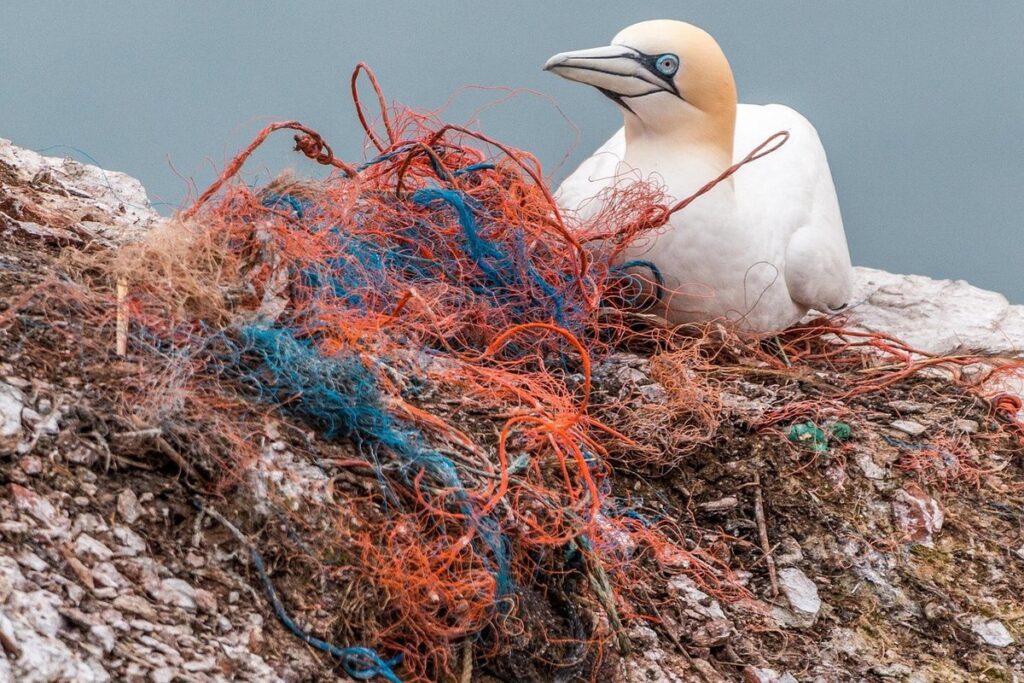
The Reality of Ocean Pollution
The harsh truth is that our oceans are choking on a staggering amount of trash, from plastic bottles to abandoned fishing gear. We’ll examine the grim reality of ocean pollution up close in this crucial section.
Sources and Statistics of Marine Debris
Plastic bags are one of the most common types of marine debris, with an estimated 500 billion to 1 trillion single-use plastic bags being used worldwide every year. These bags often end up in oceans due to littering or as a result of storm drains and sewage systems overflowing into waterways. Once in the ocean, they can be mistaken for food by sea creatures like turtles, fish, and birds, causing blockages and even death.
Straws are another significant contributor to marine pollution, with millions of plastic straws being discarded each day. In the United States alone, it’s estimated that over 300 million straws are used daily, with many ending up in landfills or as litter. The city of Seattle, for example, has implemented a ban on single-use plastic straws and utensils to help reduce marine pollution.
Microbeads, small plastic particles found in personal care products like face wash and toothpaste, also contribute significantly to ocean pollution. These microplastics can be ingested by small fish and other aquatic organisms, potentially entering the human food chain through consumption of contaminated seafood.
Economic Costs of Ocean Pollution
Ocean pollution has a significant impact on industries that rely heavily on the ocean’s health. The fishing industry is one of the most affected, as polluted waters reduce fish populations and damage marine habitats. This loss of biodiversity results in decreased catch rates and lower profits for fishermen. In 2019, a study found that ocean pollution cost the global fishing industry around $1.4 billion annually.
Tourism also suffers from ocean pollution. Beaches with high levels of trash and debris deter visitors and harm local economies. For example, a beach cleanup project in California estimated that removing just one pound of trash can attract an additional 200 tourists, generating thousands of dollars in revenue. Shipping companies are also impacted by ocean pollution, as damaged vessels and equipment due to pollution-related accidents can cost millions of dollars.
In addition to direct losses, industries indirectly affected by ocean pollution include those involved in the production and sale of seafood, recreation, and leisure activities. A study found that a 1% decrease in water quality can result in a 2-5% decrease in tourism revenue. These economic costs can have far-reaching consequences, affecting local communities and the global economy as a whole.
Plastic Pollution in Our Oceans
Plastic debris of all kinds, from microbeads to massive plastic bags, is a major contributor to ocean pollution. Here we’ll examine the impact of plastics on marine ecosystems and wildlife.
The Microplastic Menace
Microplastics enter the ocean through various routes, including storm drains, wastewater treatment plants, and direct disposal of plastic debris. Once in the water, they can be ingested by small marine animals, such as zooplankton and fish, which are then consumed by larger predators. This process, known as biomagnification, allows microplastics to accumulate in the food chain.
For example, a study found that 90% of table salt samples from around the world contained microplastic particles. Similarly, research has shown that microplastics have been detected in tap water, bottled water, and even beer. When humans consume seafood or drink contaminated water, they may inadvertently ingest microplastics. The potential health effects are still being studied, but some research suggests a link between microplastic consumption and human disease.
To put the risk into perspective, consider that the average American consumes around 5 grams of plastic per week through their diet. This raises concerns about the long-term impact on human health and highlights the need for reduced plastic use and improved waste management practices to prevent microplastics from entering the food chain in the first place.
Breakdown of Plastic Pollution Statistics
Each year, approximately 8 million tons of plastic waste enter our oceans, with devastating consequences for marine ecosystems. To put this number into perspective, consider that it’s equivalent to dumping the contents of one garbage truck full of plastic into the ocean every minute. This staggering amount of plastic pollution affects not only the marine life but also contaminates the food chain and ultimately reaches human consumption.
The impact of plastic pollution on marine ecosystems is multifaceted. Plastic debris can be ingested by marine animals, causing blockages, nutrient deficiencies, or even death. Additionally, microplastics, which are small plastic particles less than 5 millimeters in size, have been found to leach chemicals into the water, harming aquatic life. The cumulative effect of these pollutants is a loss of biodiversity and ecosystem services, further threatening the health of our oceans.
A key factor contributing to this problem is the lack of effective waste management infrastructure in many countries, particularly in low- and middle-income nations. To combat plastic pollution, it’s essential for governments, businesses, and individuals to work together to implement sustainable practices and reduce plastic waste entering the environment.
Human Activities Contributing to Ocean Pollution
Human activities such as industrial waste, agricultural runoff, and plastic pollution from single-use products all contribute significantly to ocean pollution. We’ll examine these key contributors in more detail below.
Agricultural Runoff and Fertilizers
Chemical runoff from agricultural activities is a significant contributor to ocean pollution. This occurs when fertilizers and pesticides used on land make their way into waterways through various channels, including irrigation systems and heavy rainfall events. The excess nutrients from these chemicals can stimulate the growth of algae, leading to algal blooms that deplete oxygen in the water and harm marine life.
When these pollutants enter the ocean, they can cause a range of problems for both water quality and marine habitats. For instance, high levels of nitrogen and phosphorus in fertilizers can lead to eutrophication, where the increased nutrient availability supports excessive growth of aquatic plants. This process reduces sunlight penetration, kills off marine life, and alters the ecosystem’s structure.
Agricultural runoff also affects the sensitive balance of marine ecosystems. Many marine species rely on specific habitats or water conditions that are disrupted by pollutants from agricultural activities. For example, coral reefs are particularly vulnerable to changes in water chemistry caused by fertilizer runoff.
Industrial Waste and Oil Spills
Industrial processes generate massive amounts of waste, including chemical byproducts and heavy metals. These hazardous materials can contaminate oceans through various means, such as improper disposal or accidental spills during transportation. For instance, the 2010 Deepwater Horizon oil spill released millions of gallons of crude oil into the Gulf of Mexico, causing widespread damage to marine ecosystems.
Industrial waste also contributes to ocean pollution in less visible ways. Chemical plants and refineries release pollutants like mercury and polychlorinated biphenyls (PCBs) into waterways, which can accumulate in fish and shellfish, posing a risk to human health through the food chain. Additionally, the production of certain chemicals, such as pesticides and fertilizers, generates waste that can enter oceans through runoff or direct discharge.
To mitigate these issues, it’s essential for industries to adopt more sustainable practices and invest in robust pollution prevention measures. This includes implementing efficient recycling systems, reducing chemical usage, and developing safer, alternative materials. Furthermore, governments and regulatory bodies must strengthen laws and enforcement to prevent industrial waste from entering oceans in the first place.
Solutions to Combat Ocean Pollution
Now that you’ve learned the alarming facts about ocean pollution, let’s explore some practical ways to make a positive impact and reduce your own contribution to the problem.
Individual Actions for a Change
Reducing plastic use is a straightforward yet effective way to minimize individual contributions to ocean pollution. Start by switching to reusable bags for grocery shopping and opting for products with minimal or biodegradable packaging. Choose glass or metal containers over plastic ones, especially for acidic foods like tomatoes and citrus fruits. Refuse single-use straws, water bottles, and coffee cups. Instead, invest in a refillable straw and a stainless steel or glass water bottle.
Participating in beach cleanups is another crucial action individuals can take to combat ocean pollution. Organize or join local events, either with friends or through community groups. This hands-on approach not only removes trash but also raises awareness about the issue among volunteers and onlookers. Consider adopting a beach regularly for ongoing cleanup efforts.
Be mindful of microbeads in personal care products, which are often washed into waterways and eventually the ocean. Opt for exfoliating scrubs made from natural ingredients like sugar or salt instead. When shopping, look for certifications like “biodegradable” or “non-toxic,” but be aware that these labels can be misleading without proper regulation.
Reducing food waste is also essential in combating ocean pollution. Plan meals to avoid overbuying perishable items and compost as much organic matter as possible to minimize landfill waste.
Government Policies and Regulations
Extended producer responsibility laws are a crucial component of government policies aimed at reducing ocean pollution. These laws hold manufacturers accountable for the waste generated by their products throughout their entire lifecycle. For instance, countries like Sweden and Norway have implemented extended producer responsibility for packaging waste, requiring companies to design more recyclable materials or pay for proper disposal. Similarly, waste management regulations are being enforced in many nations to ensure that trash is disposed of properly.
In the United States, the federal government has implemented policies such as the Marine Debris Act, which encourages collaboration among federal agencies and stakeholders to prevent marine debris. Some states have also established specific laws addressing ocean pollution. For example, California’s Extended Producer Responsibility Bill requires manufacturers to pay for the collection and recycling of packaging materials.
A key aspect of effective regulations is setting clear guidelines and standards for waste management. This includes establishing minimum requirements for recyclable materials, implementing deposit-refund systems for bottles and cans, and ensuring that waste infrastructure is available in coastal communities.
The Impact on Marine Life and Ecosystems
Ocean pollution has far-reaching consequences that extend beyond our coastlines, devastating marine life and ecosystems in profound ways. Let’s examine the alarming effects of plastic waste, oil spills, and other pollutants on marine habitats.
Effects of Pollution on Marine Species
Pollution causes direct harm to marine species through various mechanisms. Entanglement in plastic debris is a significant threat, as it can trap and suffocate animals such as sea turtles, whales, and seabirds. For example, the ingestion of six-pack rings by sea turtles has been documented, causing intestinal blockages that lead to death.
Ingestion of microplastics is another major concern. Microplastics are small plastic particles that are consumed by marine animals, often alongside their food. This can cause physical harm, such as blockages and nutrient deficiencies, and also expose animals to toxic chemicals leached from the plastics. A study found that nearly 90% of table salt samples contained microplastic particles.
Chemical poisoning is also a significant threat to marine species. Industrial waste, agricultural runoff, and oil spills can release a range of pollutants into the water, including pesticides, heavy metals, and polycyclic aromatic hydrocarbons (PAHs). These chemicals can accumulate in animals’ tissues and cause reproductive problems, birth defects, and even death.
Some examples of marine species affected by pollution include coral reefs, which are bleached by chemical runoff from land-based activities.
Loss of Biodiversity and Ecosystem Services
The loss of biodiversity and ecosystem services is a devastating consequence of ocean pollution. When pollutants enter marine ecosystems, they can alter habitats, disrupt food chains, and lead to population declines. For instance, coral bleaching due to rising sea temperatures and chemical runoff can cause entire reef systems to collapse. This not only destroys the complex structures that provide shelter for countless species but also jeopardizes the livelihoods of millions who depend on these ecosystems.
Pollution can also affect key ecosystem services such as nutrient cycling, coastal protection, and fisheries production. For example, when fertilizers from agricultural runoff enter the ocean, they can trigger an overgrowth of algae, leading to oxygen depletion and subsequent “dead zones.” The loss of these critical functions not only harms marine life but also compromises global food security by threatening the availability of seafood and other marine resources. To mitigate this impact, it’s essential for governments and individuals to take action against pollution at its source, investing in sustainable practices that protect both human communities and the ecosystems they rely on.
The Future of Ocean Pollution Prevention
As we’ve explored the alarming facts surrounding ocean pollution, it’s essential to look towards a brighter future and examine promising approaches for preventing further harm. Let’s explore emerging strategies that may mitigate this environmental crisis.
Innovations in Sustainable Practices
Emerging technologies and practices are being developed to reduce ocean pollution. For instance, biodegradable plastics made from renewable resources such as cornstarch or sugarcane are being introduced as an alternative to traditional plastics. These materials break down faster in marine environments, reducing the time they spend in oceans.
Another innovation is the use of bioplastics derived from algae and other aquatic plants. Companies are also exploring the production of compostable bags and packaging made from plant-based materials. Additionally, ocean-friendly agriculture methods such as vertical farming and precision agriculture aim to reduce runoff and fertilizers entering waterways.
Some notable examples include the development of “ocean-safe” sunscreens that use non-toxic zinc oxide instead of oxybenzone and octinoxate, which have been shown to cause coral bleaching. The European Union has also implemented policies to reduce single-use plastics and increase recycling rates. Governments and companies are working together to create standards for sustainable packaging and reduce marine pollution.
Collective Action towards a Cleaner Ocean
To prevent further degradation of our oceans and promote sustainable development, it’s essential that individuals, communities, governments, and industries work together. This collective action is crucial for mitigating ocean pollution and its devastating impact on marine life and ecosystems.
Governments can establish and enforce stricter regulations on industrial waste and agricultural runoff, while also investing in research and development of sustainable technologies. Communities can organize beach cleanups and advocacy campaigns to raise awareness about the issue and promote individual actions. Industries can adopt more environmentally friendly practices, such as reducing plastic use and implementing recycling programs.
Individuals can make a significant difference by making conscious choices in their daily lives, such as using reusable bags and water bottles, choosing products with minimal packaging, and supporting companies that prioritize sustainability. By working together, we can create a ripple effect of positive change. For example, the city of Vancouver’s ban on single-use plastics has inspired other cities to follow suit.
By combining individual actions, community efforts, and government policies, we can create a movement towards a cleaner ocean and promote sustainable development for future generations.
Frequently Asked Questions
Can I make a difference by recycling more?
Yes, recycling is an important step in reducing ocean pollution, but it’s just one part of the solution. To truly make a difference, individuals and communities must also adopt sustainable practices, such as using reusable bags, straws, and water bottles, and participating in beach cleanups.
How do I know if I’m contributing to ocean pollution without even realizing it?
Pay attention to your daily habits and choices. Ask yourself: Do you use plastic bags or straws? Do you buy products with microbeads or excess packaging? Are there any chemicals in your garden or household that could run off into waterways? Make small changes to reduce your impact.
What if I live in an area with limited waste management infrastructure?
In areas with inadequate waste management, it’s essential to take matters into your own hands. Organize community cleanups, advocate for better infrastructure, and support local initiatives that promote sustainable practices. You can also consider composting or recycling as much as possible.
Is there a specific type of plastic pollution that I should focus on reducing?
While all types of plastic pollution are harmful, microplastics are particularly concerning due to their small size and ability to enter the food chain. Focus on reducing your use of microbeads in personal care products, choosing reusable straws, and avoiding single-use plastics like bags and water bottles.
Can I still support industries that contribute to ocean pollution by buying sustainable or eco-friendly alternatives?
Yes, supporting companies that prioritize sustainability can help drive change within the industry. Look for certifications like “eco-friendly” or “biodegradable,” and choose products with minimal packaging. However, be aware that even eco-friendly alternatives have their own environmental impact, so continue to reduce your overall plastic use and support policy changes that address the root causes of ocean pollution.

