
Discovering hidden gems in your own backyard can be one of life’s greatest pleasures. Small, historic towns near you are often filled with charm and character, offering a glimpse into the past that’s hard to find elsewhere. These quaint communities are not only rich in history but also play an important role in preserving our cultural heritage for future generations. As these towns continue to attract visitors, it’s essential to learn how to visit them responsibly and support their preservation efforts.
Many of us may be unaware of the unique attractions, accommodations, and transportation options available in these towns. This article will provide expert tips on exploring and appreciating small historic towns near you. You’ll learn how to plan a visit that benefits both you and the local community, from finding affordable accommodations to enjoying authentic experiences without over-tourism. By the end of this guide, you’ll be able to confidently plan your own trip to these charming destinations.
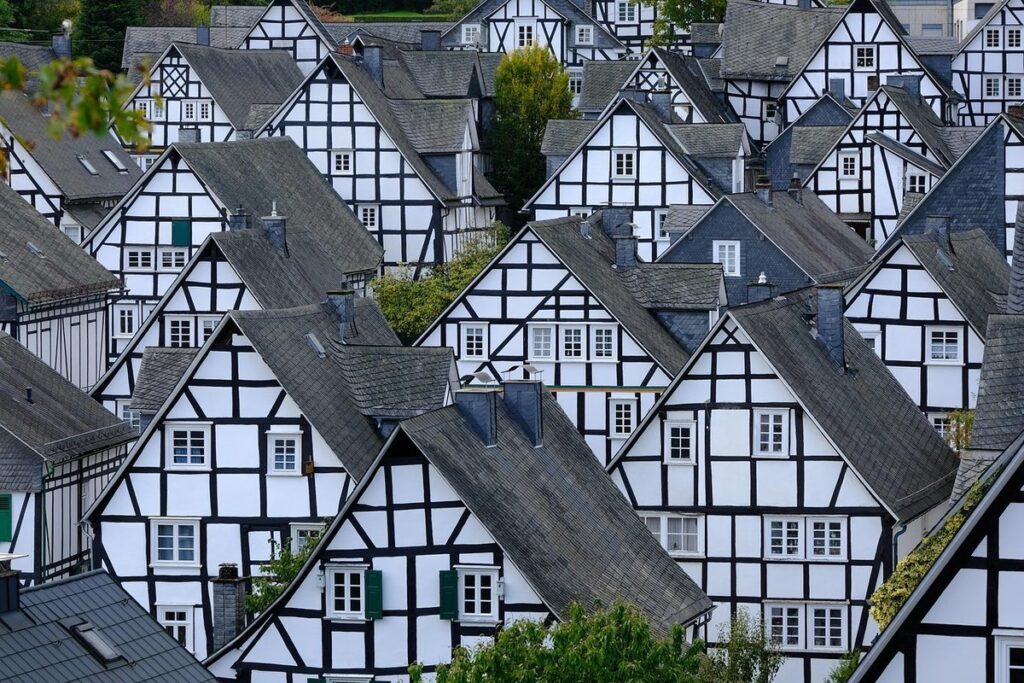
Exploring the Charm of Small Historic Towns
As you wander through these quaint towns, you’ll discover unique architecture, rich history, and a sense of community that’s hard to find in larger cities. Each town has its own distinct character waiting to be uncovered.
What Makes a Town Historic?
A town’s age is a significant factor in determining its historic status. Typically, towns must be at least 50 years old to qualify as historic, although some may be eligible for preservation efforts even if they’re younger. Architectural style also plays a crucial role; look for towns with well-preserved buildings from the 18th or 19th centuries, such as Federal-style homes or Victorian-era commercial buildings.
In addition to its physical appearance, a town’s cultural significance is equally important. Consider the stories and events that have shaped its history, like Civil War battles, Native American settlements, or early industry milestones. Some towns may also be designated as historic because of their association with notable figures from the past, such as authors, artists, or musicians.
When evaluating a town’s historic status, look for official recognition from local or national preservation organizations, such as being listed on the National Register of Historic Places. You can also research online archives and local historical societies to learn more about the town’s past and its significance.
Types of Historic Towns to Explore
Colonial-era towns are a staple of American history, with many still intact today. Places like Salem, Massachusetts, and St. Augustine, Florida, offer a glimpse into life during the 17th and 18th centuries. These towns often feature historic architecture, museums, and reenactments that bring the past to life.
Mining towns, on the other hand, were established in areas rich with natural resources. Many of these towns have been preserved as historic sites, such as Leadville, Colorado, which boasts a well-preserved downtown area from the 19th century. Visitors can explore old mines, take tours of former mining facilities, and learn about the lives of those who worked in the industry.
Native American settlements also offer a unique glimpse into history. The Taos Pueblo in New Mexico is one example of a continuously inhabited community that dates back over 1,000 years. Visitors can walk through the adobe buildings and experience the traditional way of life for the Taos people. By exploring these different types of historic towns, you can gain a deeper understanding of the complex history of the region and appreciate the diverse cultural heritage of its inhabitants.
Researching Small Historic Towns Near Your Location
Start by identifying your closest historic towns and then research their local events, museums, and walking tours to get a feel for each place. This will help you decide which ones are worth visiting in person.
Using Online Resources for Research
When researching small historic towns near your location, online resources can be a treasure trove of information. Start by using Google Maps to explore nearby areas and identify towns with a rich history. Zoom in on the map to reveal local landmarks, museums, and cultural attractions that hint at a town’s historic significance.
Next, visit travel websites like TripAdvisor or Expedia to read reviews and ratings from visitors who have already explored these towns. Look for keywords like “historic” or “charming” to find areas that match your interests. You can also use online forums and discussion groups to ask questions and gather insider tips from locals and seasoned travelers.
Historical society websites are another valuable resource, often providing detailed information on a town’s history, architecture, and cultural events. These sites may offer guided tours, walking maps, or self-guided itineraries that help you make the most of your visit. Be sure to check the dates and hours of operation for these resources, as they can change seasonally. By leveraging online resources, you’ll be well-prepared to discover the hidden gems of small historic towns near your location.
Consulting Local Experts and Guides
When researching a small historic town near you, don’t underestimate the value of consulting local experts. Historians, tour guides, and chamber of commerce representatives can offer insider knowledge on the town’s history, attractions, and hidden gems that aren’t listed online. They’ve spent years studying or living in the area, and their insights will help you make the most of your visit.
For instance, a historian might recommend visiting a lesser-known museum or taking a walking tour of historic homes that aren’t well-documented online. A tour guide may know about seasonal events, such as festivals or reenactments, that are only announced locally. Chamber of commerce representatives can provide information on local accommodations, restaurants, and shops that cater to visitors.
To find these experts, start by visiting the town’s website or contacting their chamber of commerce directly. They often have a list of recommended tour guides, historians, or other local resources that they’d be happy to share with you. You can also ask for recommendations from locals at cafes, restaurants, or shops during your visit. By tapping into this insider knowledge, you’ll gain a deeper understanding and appreciation for the town’s unique history and culture.
Planning Your Visit to a Small Historic Town
To make the most of your trip, it’s essential to plan ahead and consider factors such as accommodation options and seasonal events that may impact your visit.
Getting There: Transportation Options
When visiting a small historic town, you have several transportation options to consider. If you’re planning a road trip, driving is often the most convenient option, especially if you have a car or can rent one for the duration of your stay. Parking can be limited in these towns, but many offer designated parking areas near popular attractions.
For those without access to a vehicle, public transportation is another viable option. Many small historic towns have scheduled bus services that connect them to larger cities and nearby towns. You can research local transit schedules online or ask locals for advice on the best routes to take.
If you’re looking for a more leisurely experience, walking tours are an excellent way to explore these charming towns at your own pace. Many historic districts offer self-guided walking trails that highlight notable landmarks, shops, and restaurants. Cycling tours are also gaining popularity in some areas, offering a unique perspective on the town’s history and architecture.
In some cases, guided tours may be available by bike or on foot, providing expert commentary and insight into the town’s rich heritage. Be sure to check with local tour operators for schedules and availability before planning your visit.
Where to Stay: Accommodations in Historic Towns
When visiting a small historic town, you have several options for accommodations to choose from. One popular choice is bed-and-breakfast inns, which often reside in beautifully restored historic homes and offer a personalized experience with homemade breakfasts and warm hospitality.
Historic hotels are another option, offering modern amenities while still maintaining their original charm. These hotels can range from grand estates to cozy boutique hotels, making them suitable for various budgets and preferences. Some notable examples of historic hotels include the Omni Parker House in Boston’s Freedom Trail area or the Hotel Monteleone in New Orleans’ French Quarter.
For a more homey experience, consider renting a vacation property. Websites like Airbnb and VRBO offer a wide range of options, from cozy cottages to grand mansions, often located within walking distance to historic sites and attractions. This option is ideal for families or groups who want to spread out and enjoy the town’s amenities at their own pace.
When choosing accommodations in a historic town, consider the location, amenities, and overall atmosphere that best fit your travel style.
Attractions and Activities in Small Historic Towns
When visiting small historic towns, there are often plenty of charming attractions and activities to explore beyond the town’s central square. These hidden gems can add depth and character to your visit.
Must-See Landmarks and Monuments
Small historic towns are often home to an array of notable landmarks and monuments that showcase their rich history. One must-visit type of landmark is the lighthouse, which not only offers breathtaking views but also provides a glimpse into the town’s maritime past. Take the charming town of Kennebunkport in Maine, for example, where the Seashore Trolley Museum showcases historic trolleys and offers insight into the town’s transportation history.
Historic homes are another significant attraction in many small towns. Visit Monticello in Virginia to explore Thomas Jefferson’s iconic estate, which features an impressive collection of artwork and artifacts. Similarly, the Hermitage in Tennessee is the former residence of President Andrew Jackson and boasts stunning views of the surrounding countryside.
In addition to these individual attractions, many small historic towns also have dedicated museums that offer a comprehensive look at their history. The Smithsonian’s National Museum of American History in Washington D.C. may be well-known, but smaller towns like Gettysburg in Pennsylvania have their own unique museum offerings, such as the Gettysburg Museum of the Civil War.
When visiting small historic towns, consider stopping by these landmarks and monuments to get a deeper understanding of their history and cultural significance.
Cultural Events and Festivals
These small historic towns often transform into vibrant hubs of cultural activity throughout the year. One notable example is reenactments, where residents and visitors alike participate in meticulously choreographed historical events, bringing the past to life. These reenactments can range from medieval jousting tournaments to 19th-century American Civil War battles.
Food festivals are another staple in many small historic towns, celebrating local cuisine and traditions. These events often feature live music, craft vendors, and of course, a variety of mouth-watering dishes prepared by local chefs. For instance, the annual “Taste of History” festival in St. Mary’s, Maryland, showcases the town’s rich seafood heritage with crab feasts, oyster shucking competitions, and cooking demonstrations.
Beyond reenactments and food festivals, parades are also a common occurrence in these towns. From Christmas light parades to summer Independence Day celebrations, these events add to the festive atmosphere and showcase community spirit. For example, the historic town of Leavenworth, Washington, hosts an annual Christmas Lighting Festival that attracts thousands of visitors each year.
To experience these unique cultural events firsthand, research local calendars and event listings for small historic towns near you. Many towns also offer visitor centers or tourism websites with up-to-date information on upcoming festivals and reenactments.
Preserving Small Historic Towns for Future Generations
As we explore these charming small historic towns, let’s consider how their unique character and heritage can be preserved for future generations to enjoy. Effective preservation efforts require careful planning and community involvement.
Challenges Facing Historic Town Preservation
Urbanization and gentrification pose significant challenges to preserving small historic towns. As surrounding areas grow and urbanize, small towns often struggle to maintain their unique character and authenticity. New development can lead to increased property values, pushing out long-time residents and small business owners who are unable to afford the rising costs.
Gentrification also brings concerns about cultural homogenization, as chain stores and upscale amenities replace locally owned shops and eateries. This not only alters the town’s physical landscape but also erodes its sense of community and history. Economic development pressures can further exacerbate these issues, as towns seek to attract new businesses and investments that may come with strings attached.
To mitigate these challenges, communities must prioritize preservation efforts and involve residents in decision-making processes. This can include establishing historic districts, implementing zoning regulations, and providing tax incentives for owners of historic properties. By balancing economic growth with heritage protection, small historic towns can safeguard their character and charm for future generations.
Community-Led Preservation Efforts
Many historic towns rely on community-led initiatives to preserve their heritage. One notable example is the town of Durango, Colorado, where a group of volunteers formed the Historic Preservation Committee to restore the old downtown district. Through crowdfunding campaigns and in-kind donations, they raised funds for new facades, repaired damaged buildings, and even helped open up previously abandoned spaces as community centers.
Similar efforts can be replicated in other towns by leveraging social media platforms to raise awareness about local preservation projects. For instance, a Facebook group dedicated to preserving the town’s historic architecture could rally support from residents and attract donations from online contributors. Some groups also organize annual festivals or events that celebrate their town’s heritage and encourage community engagement.
When exploring your own small historic town, look for opportunities to get involved in community-led preservation efforts. Volunteer for restoration projects or join a local historical society to learn about the area’s history and contribute to its preservation. You might be surprised by the impact you can have when working together with like-minded individuals who share your passion for preserving the past.
Conclusion: The Rewards of Exploring Small Historic Towns
As you conclude your journey through these charming towns, let’s reflect on the rewards of immersing yourself in history and culture. You’ll discover why small historic towns are truly treasures worth visiting again and again.
Reflecting on the Experience
As you conclude your visit to a small historic town, take a moment to reflect on the experience. Ask yourself how it has enriched your understanding of local history. You may find that a single street or landmark sparks a deeper appreciation for the town’s past. Perhaps a conversation with a local resident or a guided tour shed new light on a particular era or event.
Consider how your visit compares to what you’ve learned from online resources and local experts. Did the hands-on experience of exploring the town’s architecture, museums, or cultural events help bring history to life in a way that wasn’t possible through research alone? Think about the people you met along the way – shopkeepers, chefs, artists – who share stories and traditions that are unique to this place.
As you reflect on your experience, ask yourself: What new perspectives have I gained? How has my understanding of local history been broadened or nuanced? Are there particular aspects of the town’s past that now hold greater significance for me? By taking time to process what you’ve seen and learned, you’ll be able to better retain memories and connections made during your visit.
To further solidify your connection to this place, consider journaling about your experience. Write down specific details – sights, sounds, smells – that stood out to you. Record the names of people you met or encountered, and any advice they shared about the town’s history or culture. This practice will help you integrate what you’ve learned into your long-term memory, allowing you to appreciate small historic towns in a more profound way even after you return home.
Frequently Asked Questions
What if I’m visiting a historic town during peak tourist season and accommodations are booked up?
You can try contacting local bed-and-breakfast inns or vacation rentals directly to inquire about availability, as they may have more flexibility than larger hotels. Additionally, consider staying in nearby towns or exploring alternative accommodation options like camping or glamping.
Can I still visit a historic town if I’m traveling with young children or have mobility issues?
Many historic towns offer accessible walking paths, wheelchair-accessible attractions, and family-friendly activities. Be sure to research the specific town you’re visiting to find out what accommodations are available for visitors with disabilities or families with young children.
How can I support local preservation efforts when visiting a historic town?
Look for opportunities to volunteer with community-led restoration projects, attend cultural events that benefit local preservation initiatives, and consider making donations to organizations dedicated to preserving the town’s history. Your support can help ensure the town’s heritage is protected for future generations.
What if I’m interested in exploring a specific type of historic town, such as a colonial-era or Native American settlement?
Research online resources and consult with local experts to find out which towns fit your interests. You can also ask about lesser-known attractions or hidden gems that are off the beaten path, which may offer a more authentic experience.
Can I visit small historic towns year-round, or are some only worth visiting during certain seasons or festivals?
While many historic towns have events and festivals throughout the year, some may be more suited to specific seasons due to weather conditions or historical reenactments. Be sure to research the town’s schedule and plan your visit accordingly to make the most of your experience.

