
Gardening in containers is a liberating way to bring plants into your life, regardless of the space you have available. You can turn a small balcony, patio, or even a windowsill into a lush oasis with the right combination of containers and plants. But where do you start? Choosing the right containers is just the beginning – you also need to consider the type of plants that thrive in containers, how to provide the right amount of light and water, and troubleshooting common issues that can arise. This article will cover all of these topics and more, providing expert tips and ideas for growing your favorite plants in containers. By the end of it, you’ll have the confidence to create a beautiful and thriving container garden that brings you joy and beauty all year round.
Choosing the Right Containers for Your Garden
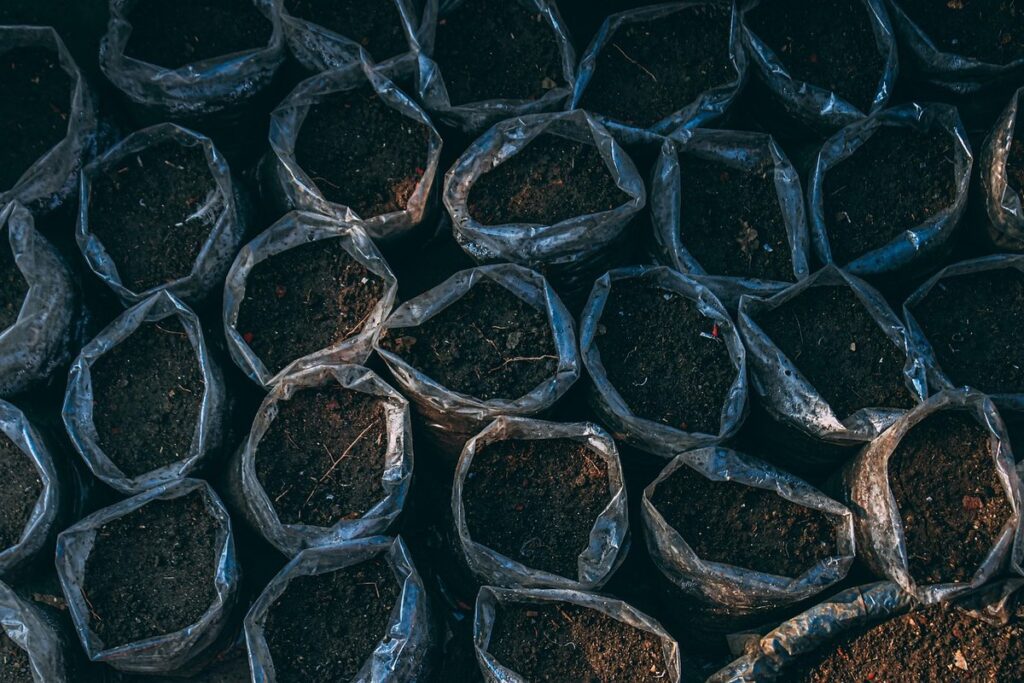
When selecting containers for your garden, it’s essential to consider factors like size, material, and drainage to ensure your plants thrive in their new home. The right container can make all the difference.
Material Options: Plastic, Ceramic, and Wood
When choosing containers for your garden, the material you select is crucial for long-term success. Three popular options are plastic, ceramic, and wood, each with its own set of pros and cons. Plastic containers are often inexpensive and lightweight, but they can become brittle in extreme temperatures and may leach chemicals into the soil. Ceramic containers, on the other hand, are durable and can withstand harsh weather conditions, but they can be heavy and expensive.
Wooden containers offer a natural, rustic look and can be a cost-effective option. However, they require regular maintenance to prevent rot and insect damage. If you do choose wood, look for containers made from hardwoods like cedar or cypress, which are more resistant to rot and insects. Regardless of the material, make sure to choose containers with good drainage holes to prevent waterlogged soil. Consider the climate and weather conditions in your area when selecting a material, and weigh the costs and benefits of each option to make an informed decision.
Some wood types, like cedar, are naturally resistant to rot and insects, but still require occasional sealing. Always inspect containers before purchasing, looking for cracks or other damage that could compromise their integrity.
Container Sizes and Shapes: What Works Best for You
When selecting containers for your garden, it’s essential to consider the size and shape of the containers in relation to your specific needs and space constraints. The ideal container size will depend on the mature size of the plants you’re growing, as well as the amount of space you have available for your garden.
A general rule of thumb is to choose containers that are at least 5-7 gallons in size for small plants and herbs, while larger plants and vegetables may require 14-20 gallon containers or more. However, this is just a starting point, and you may need to adjust based on the specific growing conditions and space available.
For example, if you’re growing a large tomato plant, you’ll want to choose a container that is at least 14-20 gallons in size to accommodate its mature size. On the other hand, if you’re growing a compact herb like thyme, a smaller container of 5-7 gallons may be sufficient.
In terms of shape, consider the type of plant and the space available. For example, tall containers are ideal for plants that need to be staked or supported, such as tomatoes or peas, while narrower containers are better suited for spreading plants like mint or creeping thyme.
DIY vs. Store-Bought Containers: Pros and Cons
When it comes to choosing containers for your garden, you have two main options: making your own or purchasing pre-made containers. Both approaches have their pros and cons, which are worth considering to ensure you get the best results for your specific needs.
One advantage of making your own containers is that you can customize them to fit your space and style. You can choose the materials, shape, and size that work best for your garden, and even add decorative elements to make them more visually appealing. Additionally, making your own containers can be cost-effective, especially if you use recycled materials or repurpose items you already have on hand.
On the other hand, pre-made containers offer convenience and consistency. They are often made with durable materials and come in a range of sizes and styles, making it easy to find the perfect fit for your garden. However, pre-made containers can be more expensive than making your own, and you may have limited options for customization.
When deciding between DIY and store-bought containers, consider your specific needs and preferences. If you have a lot of creative energy and enjoy upcycling, making your own containers might be the way to go. However, if you prioritize convenience and consistency, pre-made containers are a great option.
Soil and Fertilization for Container Gardens
When it comes to thriving container gardens, choosing the right soil and fertilizer is crucial, and we’ll explore the best options for you in this section. Selecting the right soil and fertilizer can make all the difference in the success of your container garden.
The Importance of Well-Draining Soil Mixes
Waterlogged soil and root rot are common pitfalls for container gardeners. This is often due to using a potting mix that doesn’t drain well, allowing water to collect in the soil. When the roots of your plants sit in waterlogged conditions, they can quickly become susceptible to root rot, a condition that can be fatal to your plants. A well-draining potting mix, on the other hand, allows excess water to escape, preventing waterlogged soil.
A high-quality potting mix should contain ingredients like perlite, vermiculite, or sand, which help to improve drainage. You can also create your own well-draining mix by combining these ingredients with peat moss or coconut coir. When selecting a potting mix, look for products that are specifically designed for container gardens and contain ingredients that improve drainage.
Some key characteristics of a good potting mix include high water-holding capacity, aeration, and good structure. Avoid using regular garden soil in containers, as it can compact over time and prevent proper drainage. By using a well-draining potting mix, you can give your plants the best chance to thrive in their container garden.
Fertilizing Your Container Garden: Organic and Synthetic Options
When it comes to fertilizing your container garden, you have two primary options: organic and synthetic fertilizers. Organic fertilizers are derived from natural sources, such as compost, manure, or bone meal, and release nutrients slowly as they break down. These fertilizers promote healthy soil biota and can improve soil structure over time. However, they may not provide an immediate boost to plant growth, and their effectiveness can depend on factors like soil type and temperature.
Synthetic fertilizers, on the other hand, are manufactured from chemical compounds and provide a rapid release of nutrients. They can quickly address deficiencies and promote rapid growth, but they can also cause an overabundance of certain nutrients, leading to toxicity and other problems. Additionally, synthetic fertilizers can deplete the soil of beneficial microorganisms and contribute to environmental pollution.
A key consideration when choosing between organic and synthetic fertilizers is your garden’s specific needs. If you’re looking for a long-term solution that promotes soil health, organic fertilizers may be the better choice. However, if you need a quick fix to address a nutrient deficiency, synthetic fertilizers might be more effective.
Tips for Repotting and Dividing Plants in Containers
When repotting and dividing plants in containers, timing is crucial. Spring and fall are the best seasons for repotting, as the temperatures are mild and the plants are actively growing. Avoid repotting during the hottest summer months or the coldest winter months, as this can cause shock to the plant.
To repot, gently remove the plant from its container, taking care not to damage the roots. Inspect the roots and trim any that are circling or growing out of the container. If the plant has outgrown its container, choose a new one that is only one to two sizes larger. Use a well-draining potting mix and water the plant thoroughly after repotting.
For dividing, wait until the plant has finished flowering or has reached a suitable size. Gently remove the plant from its container and separate the roots, using a sharp, sterile knife or pruning tool. Replant the divisions in new containers, making sure each division has at least one “eye” or growth point. Water thoroughly after dividing and keep the soil consistently moist during the first few weeks. By repotting and dividing at the right time, you can keep your container plants healthy and thriving.
Container Gardening for Small Spaces: Balconies, Patios, and Beyond
If you’re short on yard space, don’t worry – you can still grow a lush garden on your balcony, patio, or even a tiny rooftop. We’ll show you how to make the most of these small spaces.
Maximizing Space on Balconies and Patios
To maximize space on balconies and patios, consider vertical gardening options. Trellises, arbors, and obelisks provide structural support for climbing plants like peas, beans, and cucumbers, making the most of narrow spaces. For example, a trellis-mounted tomato plant can produce a bountiful harvest in a 2×2 foot area. Wall-mounted planters and tiered planters are also effective space-savers, allowing you to grow multiple plants in a small footprint.
When designing a space-saving container garden, prioritize compact plant varieties. Choose dwarf or semi-dwarf fruit trees, compact herbs like thyme and rosemary, and flowering plants like petunias and begonias. These plants are naturally smaller in size and require less support, making them ideal for small outdoor spaces.
To further optimize space, group plants together in multi-tiered planters or use hanging baskets. This not only saves floor space but also adds visual interest to the area. For instance, a large hanging basket can be used to grow a mix of herbs, succulents, and flowering plants, creating a lush display in a small area. By incorporating these space-saving strategies, you can create a thriving container garden on even the smallest of balconies and patios.
Container Gardening for Indoor Spaces: Ideas and Tips
When it comes to container gardening indoors, you’re not limited to a small selection of plants. Many varieties can thrive in low-light conditions, making them perfect for indoor spaces. For example, Chinese Evergreen, Pothos, and Snake Plant are all low-maintenance and can tolerate low light. They’re also great air purifiers, making them a popular choice for indoor gardens.
To select the right plants for your indoor space, consider the amount of light your room receives. If it’s a north-facing room, choose plants that can tolerate low light, such as peace lilies or dracaena. If you have a south-facing room with plenty of direct sunlight, you can opt for plants like African Violets or begonias.
When planting indoors, be mindful of the size of your containers. Choose a pot that’s at least 6-8 inches deep to provide enough room for the roots to grow. Also, use a well-draining potting mix to prevent waterlogged soil. By following these tips and selecting the right plants, you can create a thriving indoor container garden that brings beauty and life to your space.
Container Gardening for Large Spaces: Creating a Backyard Oasis
When it comes to container gardening in large spaces, the possibilities are endless. You can create a serene oasis in your backyard that’s perfect for relaxing and entertaining. To start, choose a variety of containers in different sizes and shapes to add visual interest to your space. Consider using large planters or tubs for statement pieces, and smaller pots and planters for a more intimate feel.
For a backyard oasis, you’ll want to select plants that thrive in full sun and can tolerate a range of temperatures. Succulents and cacti are great options, as they’re low-maintenance and can handle heat. You can also incorporate water features, such as a small fountain or birdbath, to create a soothing ambiance.
To add some texture and depth to your container garden, incorporate a mix of plants with different growth habits. For example, you could pair a tall, upright plant like a bamboo or a palm with a shorter, spreading plant like a creeping thyme or a sweet woodruff. Don’t forget to leave space for movement and circulation – a well-designed container garden should feel inviting and easy to navigate.
Tips for Container Garden Maintenance and Troubleshooting
To keep your container garden thriving, it’s essential to stay on top of regular maintenance tasks and troubleshoot common issues that can arise, like pests or nutrient deficiencies.
Common Pests and Diseases in Container Gardens
Aphids, whiteflies, and spider mites are common pests that thrive in container gardens, feeding on sap and causing curled or distorted leaves. To prevent these infestations, ensure good air circulation by keeping plants at least 6 inches apart and avoiding overcrowding. Regularly inspect your plants for signs of pests and treat them promptly with neem oil or insecticidal soap.
Root rot and leaf spot diseases are also prevalent in container gardens, often caused by excess moisture and poor drainage. Use a well-draining potting mix and avoid overwatering to prevent these issues. Remove any infected leaves or stems, and treat the plant with a fungicide if necessary. For example, if you notice yellowing leaves or black spots on the leaves, it may be a sign of root rot or leaf spot.
Keep an eye out for signs of fungal diseases like powdery mildew, which appears as a white, powdery coating on leaves. Treat these issues promptly to prevent them from spreading to other plants. By being aware of these common pests and diseases, you can take proactive steps to prevent them and keep your container garden healthy and thriving.
Troubleshooting Common Issues: Too Much Water, Too Little Sun
When container gardens receive too much water, the roots can rot, causing plants to develop yellow or wilted leaves. To address this issue, check the drainage holes in the container and ensure they’re not clogged. You can also repot the plant in a slightly larger container with better drainage or use a moisture meter to gauge the soil’s water levels. If you’re using a water-retentive potting mix, consider switching to a well-draining mix specifically designed for container gardens.
On the other hand, underwatering can cause plants to become stressed, leading to weak growth and reduced flowering. To prevent this, water your containers when the top 1-2 inches of soil feels dry to the touch. Be mindful of weather forecasts and adjust your watering schedule accordingly. For example, if you’re experiencing a heatwave, you may need to water your containers more frequently.
To prevent both overwatering and underwatering, consider implementing a routine where you check the soil moisture daily. Use your finger or a moisture meter to gauge the soil’s dryness, and adjust your watering schedule based on the results.
Seasonal Maintenance and Upgrades: Keeping Your Container Garden Thriving
As the seasons change, your container garden requires regular maintenance and upgrades to stay healthy and thriving. During the spring, after the last frost, inspect your containers for damage or rot, and replace any damaged or worn-out containers or liners. This is also a good time to add a fresh layer of compost or fertilizer to replenish the soil.
In the summer, keep an eye on your plants’ watering needs, as the heat and dryness can quickly dehydrate container gardens. Consider installing a drip irrigation system or self-watering containers to make watering easier and more efficient. You may also need to prune or train your plants to maintain their shape and promote healthy growth.
In the fall, prepare your container garden for the upcoming winter by bringing tender plants indoors or into a protected location, and mulching the soil to retain moisture and regulate soil temperature. You can also upgrade your containers with new soil mixes or fertilizers specifically designed for the upcoming season.
When performing seasonal maintenance, inspect your containers for pests, diseases, and nutrient deficiencies, and take corrective action as needed. By staying on top of these tasks, you’ll keep your container garden thriving and ensure a bountiful harvest throughout the growing season.
Container Gardening for Specific Plants: Tips and Tricks
If you’re growing a specific plant in a container, like tomatoes or herbs, you’ll want to know the best tips and tricks for success. We’ll cover the unique needs of these plants and how to give them the care they need to thrive.
Vegetables in Containers: Growing Your Own Produce
When growing vegetables in containers, it’s essential to choose varieties that are well-suited for container gardens. Look for compact or dwarf varieties of your favorite vegetables, such as cherry tomatoes, leaf lettuce, and radishes. These varieties typically mature faster and require less space than their full-sized counterparts.
Some vegetables, like vining crops like peas and cucumbers, need a trellis or other support to grow upright. Use a trellis or a cage to provide the necessary support and keep the plants upright. For bushy vegetables like peppers and eggplants, prune them regularly to encourage bushy growth and prevent them from becoming leggy.
To ensure a bountiful harvest, provide your container garden with at least 6 hours of direct sunlight per day. Most vegetables also require a well-draining potting mix and regular watering. Aim to provide about 1-2 inches of water per week, either from rainfall or irrigation. By selecting the right varieties and providing the necessary support and care, you can enjoy a thriving container garden filled with your favorite vegetables.
Fruits in Containers: Growing Berries, Citrus, and More
Growing fruiting plants in containers can be a rewarding experience, but it requires careful selection of the right varieties and provision of necessary support. Many fruiting plants, such as strawberries and blueberries, are naturally compact or dwarf varieties that thrive in containers. However, some citrus trees, like oranges and lemons, can grow quite large and may need pruning to maintain a manageable size.
When selecting fruiting plants for containers, choose varieties that are specifically bred for container growing or compact growth habits. These plants typically require less space and support, making them ideal for small spaces. For example, the ‘Albiflora’ strawberry is a popular choice for containers, producing sweet and flavorful berries in a compact package.
To ensure success with fruiting plants in containers, provide a trellis or other support for climbing varieties, such as kiwi or passionfruit. Regular pruning and training can also help maintain a healthy and productive plant. Consider using a container with good air circulation and drainage to prevent disease and root rot. With proper care and attention, you can enjoy a bountiful harvest of fresh, homegrown fruit from your container garden.
Flowers and Herbs in Containers: Adding Color and Fragrance to Your Garden
When it comes to adding color and fragrance to your container garden, flowers and herbs are an excellent choice. They require minimal maintenance, can thrive in a variety of conditions, and provide a burst of vibrancy to your outdoor space. For a low-maintenance option, consider using annuals like petunias, geraniums, or marigolds, which require minimal care and can be easily replaced at the end of the season.
Perennials like lavender, rosemary, and thyme are also great choices for container gardens. They can be pruned to maintain shape and size, and many varieties are compact enough to thrive in small containers. Herbs like basil and mint are also excellent choices, and can be used in a variety of dishes and drinks.
When selecting flowers and herbs for your container garden, consider factors like sunlight, soil type, and water requirements. For example, plants that require full sun should be placed in a location that receives at least six hours of direct sunlight per day. Bulbs like daffodils and tulips can also be used in containers, and should be planted in the fall for a beautiful spring display.
Advanced Container Gardening Techniques: Propagation, Pruning, and More
To take your container garden to the next level, we’ll share expert tips on propagation, pruning, and other advanced techniques to maximize your space and yields.
Propagating Plants from Cuttings and Division
Propagating plants from cuttings and division is a great way to multiply your favorite container garden plants and share them with friends. For cuttings, you’ll need a sharp, clean tool for making the cut, a rooting hormone powder or liquid to stimulate root growth, and a clear glass or plastic cup or container to create a mini-greenhouse environment.
To take a cutting, choose a healthy stem with at least two sets of leaves, and cut it just above a node (the joint where a leaf meets the stem). Remove lower leaves to prevent moisture from collecting and causing rot. Dip the cut end into rooting hormone and plant it in a well-draining mix, water, and place the cup over the cutting to maintain humidity.
For division, wait until the plant has outgrown its container and is pot-bound. Gently remove the plant from its pot, and use a fork to loosen the roots. Then, separate the plant into smaller sections, making sure each section has at least one growing point. Replant the sections in a larger container with fresh potting mix, and water well.
Pruning and Training Container Plants for Maximum Growth
Pruning and training container plants are essential techniques for promoting healthy growth and maximizing yields. Pruning helps maintain plant shape, controls growth, and encourages new development. When pruning container plants, remove dead, diseased, or damaged branches to prevent the spread of disease and encourage healthy growth. Cut back leggy stems to encourage bushy growth and prevent the plant from becoming too top-heavy.
For plants that tend to grow leggy or spindly, consider using a trellis or stake to provide support. Train climbing plants like peas, beans, or cucumbers to grow up the trellis using twine or clips. For plants that produce long stems, like tomatoes or peppers, use stakes to keep them upright and promote even growth.
Some plants, like roses and hydrangeas, benefit from regular pruning to maintain shape and promote blooming. Prune these plants in late winter or early spring, removing any dead or damaged branches. For plants that produce repeat blooms, like petunias and geraniums, prune them back by about one-third after the first flush of blooms to encourage a second round of flowering.
Using Trellises and Other Supports in Container Gardens: Tips and Tricks
When used effectively, trellises and other supports can take your container garden to the next level. They provide structure for climbing plants, maximize space, and add visual interest to your garden. Here are some tips and tricks for incorporating trellises and supports into your container garden:
For climbing plants like peas, beans, and clematis, choose a trellis that is sturdy enough to support their weight. A 6-8 foot tall trellis is ideal for most varieties. You can also use obelisks or stakes to support plants like tomatoes and peppers.
To make the most of your trellis, train the plant to climb up the support by gently twining the stems around the structure. For more delicate plants, use a soft tie like a twist tie or a soft wire to secure them to the trellis.
When selecting a trellis or support, consider the mature size of the plant and the amount of space you have available. Make sure the support is anchored securely to prevent it from toppling over in the wind.
Some popular alternatives to traditional trellises include:
- Bamboo stakes for delicate plants like ferns and grasses
- Wooden obelisks for adding a decorative touch to your garden
- Metal cages for supporting plants like cucumbers and squash
Frequently Asked Questions
Can I use regular potting soil in my containers, or do I need a specific mix?
Yes, you can use regular potting soil, but a well-draining potting mix specifically designed for containers is recommended. Regular potting soil can retain too much water, leading to waterlogged soil and root rot, which can be detrimental to container plants.
How often should I fertilize my container garden, and what type of fertilizer is best?
Fertilize your container garden regularly, ideally once a month during the growing season. Organic fertilizers like compost or fish emulsion are great options, as they promote healthy plant growth without harming the environment.
What if I have limited space on my balcony or patio? Can I still grow a thriving container garden?
Yes, you can still grow a thriving container garden in a small space. Consider using vertical gardening techniques, like trellises or wall-mounted planters, to maximize your space. Choose compact or dwarf varieties of plants that don’t require a lot of space to grow.
How do I propagate plants from cuttings, and what materials do I need?
To propagate plants from cuttings, you’ll need a clean, sharp tool, a potting mix specifically designed for propagation, and a container with good drainage. Cut a healthy stem from the mother plant, remove lower leaves, and plant the cutting in the potting mix. Water well and provide bright, indirect light.

