
Spring is finally here, and with it comes the vibrant display of colorful blooms that bring life to our gardens and parks. As the last wisps of winter’s chill dissipate, the air is filled with the sweet scent of blooming flowers, attracting pollinators and supporting local wildlife. But did you know that choosing the right varieties of spring flowers can make all the difference in attracting these beneficial visitors? By selecting flowers that are native to your region and providing the right conditions, you can create a haven for pollinators and wildlife. This article will guide you through the process of choosing the perfect spring flowers, as well as share tips on how to preserve blooms for display and incorporate them into photography and art projects. By the end of this article, you’ll be equipped with the knowledge to create a stunning spring garden that showcases the beauty of nature.
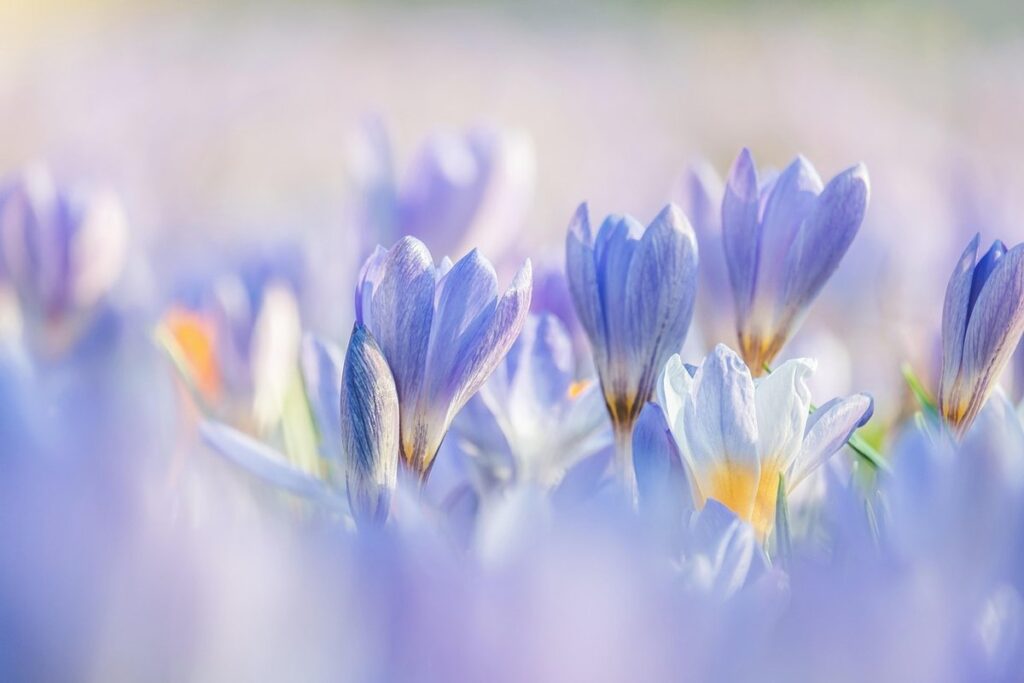
The Magic of Spring Flowers
As you step into the vibrant world of spring flowers, let’s take a closer look at the enchanting blooms that burst forth with color and fragrance, bringing new life to the season.
What Are Spring Flowers?
Spring flowers are the vibrant and colorful blooms that herald the arrival of warmer weather and longer days. They come in a wide range of species, each with its unique characteristics, benefits, and uses. One of the most striking aspects of spring flowers is their incredible diversity. From the delicate, bell-shaped blooms of forget-me-nots to the showy, trumpet-shaped flowers of peonies, there’s a spring flower to suit every taste and garden style.
Some spring flowers are prized for their fragrance, such as the sweetly scented lilacs and honeysuckles. Others are valued for their ability to attract pollinators, like the bright yellow blooms of daffodils and crocuses. Many spring flowers are also edible, making them a great addition to salads and other culinary creations. For example, violas and pansies have edible flowers that can add a pop of color and flavor to dishes. When selecting spring flowers, consider the specific characteristics and uses that matter most to you, and choose varieties that fit your needs. By doing so, you can enjoy the beauty and benefits of these incredible blooms in your garden and beyond.
Types of Spring Flowers
Spring flowers come in a diverse range of species, each with its unique characteristics and growing requirements. Among the most popular and recognizable types are tulips, daffodils, hyacinths, and crocuses. Tulips, for instance, are known for their cup-shaped blooms and require well-drained soil and full sun to thrive. Daffodils, on the other hand, are often among the first spring flowers to bloom, producing bright yellow and white trumpet-shaped flowers that are highly fragrant.
Hyacinths are another popular spring flower, prized for their intense fragrance and vibrant colors. They prefer well-drained soil and partial shade, making them a great choice for gardeners with partially shaded areas. Crocuses, meanwhile, are among the smallest and hardiest spring flowers, often blooming as early as February in warmer climates. They require minimal care and can thrive in a variety of conditions, making them an excellent choice for beginners.
When selecting spring flowers, it’s essential to consider their specific growing requirements to ensure they flourish in your garden. By choosing the right type of spring flower for your climate and soil conditions, you can enjoy a vibrant display of color and fragrance throughout the spring season.
Importance of Spring Flowers
Spring flowers play a vital role in the ecosystem, and their importance extends far beyond their aesthetic appeal. One of the most significant contributions of spring flowers is their provision of essential nutrients for pollinators. As plants bloom, they release nectar and pollen, which serve as a primary source of food for bees, butterflies, and other pollinators. Without these flowers, pollinators would struggle to survive, and the entire food chain would be disrupted.
In addition to their role in supporting pollinators, spring flowers add beauty and vibrancy to gardens and landscapes. They come in a wide range of colors, shapes, and sizes, making them a popular choice for gardeners and flower enthusiasts. By planting spring flowers, gardeners can create a stunning display of color and texture, which can also attract beneficial insects and other wildlife.
Spring flowers also serve as a powerful symbol of hope and renewal. As the last remnants of winter fade away, spring flowers burst forth, signaling the arrival of new life and the promise of a brighter future. This symbolism is not lost on gardeners, who often plant spring flowers as a way to celebrate the season and mark its significance in their lives.
Choosing the Right Spring Flowers
When selecting the perfect spring flowers, it’s essential to consider the type of blooms you want, your desired color palette, and the space where they’ll be placed. This helps ensure your chosen flowers thrive and add beauty to your surroundings.
Selecting Spring Flowers for Your Garden
When selecting spring flowers for your garden, consider the climate and soil type in your area. Cool-season flowers thrive in temperatures between 40°F and 70°F (4°C and 21°C), while warm-season flowers prefer temperatures above 70°F (21°C). In areas with cold winters, choose bulbs that can withstand frost, such as tulips and daffodils. In warmer climates, opt for heat-tolerant flowers like azaleas and hibiscus.
Think about the soil type in your garden. Most spring flowers prefer well-draining soil with a pH between 6.0 and 7.0. Sandy soils drain quickly, while clay soils retain moisture. Consider adding organic matter like compost to improve soil structure and fertility.
Reflect on your personal preferences. Do you want vibrant colors or subtle pastels? Do you prefer long-blooming flowers or those that attract pollinators? Consider the mature size of the flowers and leave enough space for them to grow. For example, if you’re planting a mix of annuals and perennials, allocate more space for perennials, which will return year after year.
Tips for Growing Spring Flowers
When planting spring flowers, choose a location with plenty of sunlight and well-draining soil. Avoid planting in areas where water tends to collect, as this can lead to root rot and other problems. Most spring flowers require at least six hours of direct sunlight per day, so select a spot that receives sufficient sunlight.
Water your spring flowers regularly, but avoid overwatering, which can cause the roots to rot. Typically, you’ll need to water every 2-3 days during hot weather and every 4-5 days during cooler weather. Fertilize your spring flowers once a month with a balanced fertilizer to promote healthy growth.
Pruning is essential for maintaining the shape and promoting blooming of your spring flowers. Remove dead or dying flowers to encourage the plant to focus its energy on producing new blooms. Cut back stems to about one-third of their height to maintain a neat appearance and encourage new growth. Keep in mind that different types of spring flowers require different pruning techniques, so research the specific needs of your plants.
Common Spring Flower Varieties
Pansies, violas, and snapdragons are popular choices for spring gardens due to their vibrant colors and low-maintenance requirements. Pansies come in a variety of colors, including purple, yellow, and red, and are often used as edging or in containers. They typically bloom from spring to fall, but can be coaxed to continue blooming by deadheading spent flowers.
Violas, on the other hand, have heart-shaped leaves and delicate, intricate blooms in shades of blue, yellow, and purple. They are often used in cottage-style gardens and can thrive in partial shade. Snapdragons, with their tall, upright stems and colorful blooms, add a dramatic touch to spring gardens. They come in a range of colors, including pink, yellow, and red, and can be grown in full sun to partial shade.
When choosing between these varieties, consider the amount of sunlight your garden receives and the desired height of your flowers. Pansies and violas tend to be shorter, while snapdragons can grow quite tall.
Spring Flowers and Their Meanings
Spring flowers have long been imbued with symbolic meanings, and understanding these can add a whole new layer of appreciation to your garden or bouquet. Let’s explore the meanings behind some of the most popular spring flowers.
Symbolism of Spring Flowers
Spring flowers have long been imbued with symbolic meanings and associations that vary across cultures and traditions. For instance, red tulips are often seen as a symbol of love and passion, while yellow daffodils represent new beginnings and renewal. Meanwhile, lavender is often linked to friendship and devotion. These meanings can be deeply personal and subjective, but they also hold roots in history and cultural context.
In some European traditions, the first spring flower to bloom is seen as a harbinger of good luck and prosperity. In Japan, cherry blossoms are celebrated as a symbol of the fleeting nature of life and the beauty of impermanence. When choosing spring flowers, consider the symbolic meanings that resonate with you and your intentions.
Some popular spring flowers with symbolic meanings include:
- Red tulips: love and passion
- Yellow daffodils: new beginnings and renewal
- Lavender: friendship and devotion
- Cherry blossoms: the fleeting nature of life and beauty
Keep in mind that these meanings can be tailored to suit your personal context and preferences. When selecting spring flowers for your garden or arrangements, consider the symbolic significance that will resonate with you and your loved ones.
Cultural Significance of Spring Flowers
Spring flowers have been imbued with cultural and historical significance, transcending their aesthetic appeal. In many cultures, these blooms are integral to festivals, traditions, and ceremonies. For example, the cherry blossoms in Japan are a symbol of the fleeting nature of life and are celebrated during the annual Hanami festival. In India, the holi festival is marked by the scattering of colorful flowers, signifying the triumph of good over evil. In some European countries, spring flowers are used to decorate church altars and are a focal point of Easter celebrations. The significance of these flowers lies not only in their beauty but also in the stories and myths surrounding them. For instance, the legend of the daffodil in Celtic mythology, where it’s believed to bring good fortune and protection. By understanding the cultural significance of spring flowers, you can appreciate their deeper meaning and incorporate them into your own celebrations and traditions. This can be as simple as choosing flowers that hold personal significance for a special occasion or incorporating them into your home decor.
Using Spring Flowers in Decor
When it comes to incorporating spring flowers into your home decor, the possibilities are endless. One of the most popular ways to showcase their beauty is through arrangements and bouquets. Create a stunning centerpiece for your dining table by combining fresh tulips, daffodils, and hyacinths in a clear glass vase. Alternatively, gather a mix of spring blooms and tie them with twine to create a rustic, yet elegant, bouquet.
For a more subtle approach, consider adding dried spring flowers to potpourri or wreaths. The delicate petals of forget-me-nots or violas can add a soft, romantic touch to your home. You can also use spring flowers to create beautiful potpourri blends. Mix dried flowers with essential oils and spices to create a unique and fragrant blend that can be used in your home all year round.
Incorporating spring flowers into your decor is not only a great way to celebrate the season, but also a wonderful way to add a personal touch to your home.
Spring Flower Care and Maintenance
To keep your spring flowers thriving, it’s essential to understand the unique care and maintenance needs of these delicate blooms, which can vary greatly. From watering schedules to pruning techniques, we’ll cover it all.
Watering and Fertilizing Spring Flowers
When it comes to watering spring flowers, the most crucial factor is ensuring the soil has adequate moisture. Check the soil by inserting your finger about an inch deep; if it feels dry, it’s time to water. Aim for about an inch of water per week, either from rainfall or irrigation. Be cautious not to overwater, as this can lead to root rot and other issues.
In terms of fertilizing, most spring flowers require a balanced fertilizer with a 10-10-10 N-P-K ratio. However, some plants like azaleas and rhododendrons require acidic fertilizers, while others like roses need a high-phosphorus fertilizer. Consider getting a soil test to determine your soil’s pH level and nutrient requirements. This will help you choose the right fertilizer for your specific plants.
For example, if your soil pH is on the alkaline side, you may need to add sulfur to lower the pH. Similarly, if your soil lacks nitrogen, phosphorus, or potassium, you’ll need to choose a fertilizer that addresses these deficiencies. By adjusting your watering and fertilizing routine accordingly, you can provide your spring flowers with the nutrients they need to thrive.
Pruning and Deadheading Spring Flowers
When pruning and deadheading spring flowers, it’s essential to do so at the right time to promote healthy growth and encourage repeat blooming. Typically, you’ll want to prune spring flowers after they’ve finished blooming, as this helps redirect the plant’s energy towards producing new flowers. Deadheading, on the other hand, should be done regularly to remove spent blooms and encourage the plant to focus on producing more flowers.
For example, if you’re growing tulips, you’ll want to deadhead them as soon as the blooms fade, usually within a week or two after they finish flowering. This is because tulips tend to focus their energy on producing a single, long-lasting bloom. By removing the spent flower, you’re signaling the plant to produce more blooms. In contrast, perennials like peonies and roses benefit from more extensive pruning, typically cutting back the stems to about a third of their height after the blooms have faded.
When deadheading, make sure to remove the entire flower stem, leaving only the foliage behind. This helps direct the plant’s energy towards producing new growth and encourages repeat blooming. By pruning and deadheading your spring flowers at the right time, you can enjoy a longer blooming season and promote healthy, vigorous growth.
Common Spring Flower Pests and Diseases
Aphids, whiteflies, and spider mites are common pests that target spring flowers. These tiny insects feed on the sap of the plants, causing curled or distorted leaves and stunted growth. To prevent infestations, inspect your plants regularly and remove any affected areas. Use neem oil or insecticidal soap to control infestations, and introduce beneficial insects like ladybugs or lacewings to your garden.
Diseases like powdery mildew, leaf spot, and root rot are also prevalent among spring flowers. Fungal diseases thrive in humid environments, so ensure good air circulation around your plants. Water at the base of the plants to avoid overhead watering, which can spread spores. Remove any infected leaves or stems to prevent the spread of disease.
Some common spring flower pests and diseases include:
- Powdery mildew on roses and lilacs
- Leaf spot on tulips and daffodils
- Root rot on gerbera daisies and begonias
To control diseases, treat your plants with fungicides or bactericides as soon as symptoms appear. Practice good garden hygiene, including disinfecting tools and removing weeds that can harbor disease. Regularly inspect your plants for signs of stress or disease to catch problems early.
Spring Flowers and Wildlife
As spring awakens, vibrant blooms bring new life to the landscape, and with them, a variety of fascinating wildlife species emerge to enjoy the bounty.
Attracting Pollinators with Spring Flowers
Pollinators like bees and butterflies are essential for the reproduction of many spring flower species. To attract these beneficial visitors, your garden should offer a mix of early-blooming flowers, such as crocuses and grape hyacinths, which provide a crucial source of nectar for pollinators in late winter and early spring. Plant a variety of flowers that are rich in nectar and pollen, like sunflowers, zinnias, and cosmos, which will provide a sustained food source throughout the growing season.
When selecting spring flowers for a pollinator-friendly garden, consider the following factors: choose single-petaled flowers, like daisies and sunflowers, which are easier for pollinators to access; opt for flowers with a prominent scent, like lavender and rosemary, which will attract pollinators from a distance; and incorporate native plants, like coneflowers and black-eyed Susans, which are more likely to attract native pollinators.
A few key tips for creating a pollinator-friendly garden include avoiding the use of pesticides, which can harm pollinators, and providing a source of water, like a shallow dish or birdbath, which will allow pollinators to drink and cool down.
Using Spring Flowers to Support Local Wildlife
Spring flowers play a vital role in supporting local wildlife, particularly birds, insects, and small mammals. These flowers provide a crucial source of nectar, pollen, and shelter for many species. For example, bees and butterflies are attracted to the nectar-rich blooms of crocuses and daffodils, while hummingbirds feed on the tubular flowers of salvias and honeysuckles. Even small mammals like rabbits and mice benefit from the shelter and food provided by spring flowers, such as the dense foliage of peonies and the seed heads of grasses.
When selecting spring flowers to support local wildlife, consider the specific needs of the species you want to attract. For instance, birds often prefer flowers with deep, tubular shapes that allow for easy access to nectar, while butterflies and moths are drawn to flowers with strong, sweet fragrances. Planting a diverse range of spring flowers in your garden can create a welcoming habitat for local wildlife. Some excellent choices include native species, such as wild geraniums and pasque flowers, which are rich in pollen and nectar.
Creating a Spring Flower Habitat
When creating a spring flower habitat, it’s essential to focus on native species that are well-suited to your local climate and soil conditions. Native plants have co-evolved with the local wildlife, providing the perfect food sources, shelter, and breeding grounds. To attract pollinators like bees and butterflies, plant a mix of flowers that bloom at different times to provide a constant nectar source. For example, plant early-blooming bulbs like crocuses and daffodils, followed by perennials like coneflowers and black-eyed Susans.
To create a diverse and thriving habitat, choose plants that offer different shapes, sizes, and textures. Incorporate native grasses, shrubs, and trees to provide structure and support for the wildlife. Consider using a layered approach, with taller plants in the back and shorter ones in the front, to create a natural, layered effect.
By incorporating native plants and creating a layered habitat, you can attract a wide range of wildlife, from birds and bees to butterflies and beneficial insects. Remember to plant in clusters, rather than isolated individuals, to create a more welcoming environment for the local wildlife.
Spring Flower Photography and Art
As you capture the vibrant beauty of spring flowers, this section will explore the creative ways to merge your photography skills with artistic expression, elevating your photos into stunning works of art.
Capturing the Beauty of Spring Flowers
When capturing the beauty of spring flowers, consider the composition of your shot. A simple, uncluttered background is often best, allowing the flowers to be the focal point. Look for interesting shapes, textures, and patterns in the flowers and surrounding foliage. Experiment with placing the flowers against a contrasting background, such as a bright blue sky or a soft, muted wall.
Pay attention to lighting, as it can greatly enhance the beauty of your spring flower photos. Natural light is ideal, so try to shoot during the golden hour, just before sunset, when the light is soft and warm. Avoid harsh midday sun, which can create unflattering shadows and highlights. If shooting indoors, consider using a softbox or diffuser to mimic natural light.
In terms of camera settings, start with a low ISO (100-400) to minimize noise and ensure the best image quality. Use a wide aperture (like f/2.8 or f/4) to create a shallow depth of field, blurring the background and emphasizing the flowers. Finally, experiment with different focal lengths to find the most flattering perspective for your spring flowers.
Using Spring Flowers in Art and Crafts
Spring flowers offer a wealth of inspiration for artists and crafters, with their vibrant colors, delicate forms, and intoxicating scents. Painting and drawing are just two mediums that lend themselves perfectly to capturing the beauty of spring blooms. Consider using watercolors to capture the soft, ethereal quality of petals or bold brushstrokes to emphasize the textures of leaves and stems. For a more subtle approach, try using pastels or colored pencils to create delicate, layered washes that evoke the intricate patterns found in nature.
In addition to traditional mediums, spring flowers can also be used in more unorthodox ways. Floral arranging is a great example, where the artist can use the flowers as the primary subject or incorporate them into more abstract compositions. Consider pairing delicate blossoms with branches, foliage, and other natural materials to create visually striking arrangements. When working with spring flowers in art and crafts, remember to handle them gently and with care to preserve their delicate beauty.
Preserving Spring Flowers for Display
To preserve spring flowers for display, you’ll need a few basic materials: silica gel, borax, or a commercial flower preservative. You can also use air drying, but this method is less reliable and can result in brittle, fragile blooms. For air drying, simply tie the stems together and hang them upside down in a dry, cool environment. This method works best for delicate flowers like baby’s breath and Queen Anne’s lace.
For silica gel or borax, follow these steps: Fill a container with the desiccant, and gently place the flowers inside. Seal the container and let it sit for 2-4 weeks, depending on the moisture content of the flowers. Once the flowers are dry, you can remove them from the container and store them in airtight bags or containers.
When choosing a preservation method, consider the type of flower and its intended use. For example, if you’re creating a floral arrangement, you may prefer to use a commercial preservative to maintain the flowers’ color and texture. If you’re making potpourri or wreaths, air drying or using borax may be a better option.
Conclusion: Celebrating Spring Flowers
As you’ve learned about the beauty and diversity of spring flowers, let’s take a moment to appreciate their vibrant blooms and the joy they bring to our lives.
Recap of Key Points
As we conclude our comprehensive guide to spring flowers, it’s essential to recap the key points covered in this article. Spring flowers bring immense importance and beauty to our lives, and understanding their significance can help us appreciate them even more. From their symbolic meanings to their cultural significance, spring flowers have a profound impact on our surroundings and emotions.
Some of the most striking aspects of spring flowers include their ability to attract pollinators, support local wildlife, and create vibrant displays of color in our gardens. With proper care and maintenance, these flowers can thrive, providing endless joy and beauty. Common spring flower varieties, such as daffodils, tulips, and hyacinths, are not only stunning but also relatively easy to grow.
To encourage readers to get involved in celebrating spring flowers, we’ve provided practical tips and advice throughout this article. By selecting the right spring flowers for their garden, understanding their symbolism, and using them in decor and art, readers can appreciate the beauty and importance of these flowers in their own unique way. Whether you’re a seasoned gardener or just starting out, this guide has provided you with the tools and knowledge to make the most of the spring flower season.
Encouraging Readers to Get Involved
As you’ve learned about the beauty and significance of spring flowers, we encourage you to get involved in celebrating these blooms. Whether you’re a seasoned gardener or an enthusiastic photographer, there are many ways to engage with spring flowers and make the most of their fleeting presence.
Consider starting a spring flower garden in your own yard, where you can cultivate a variety of species and enjoy their colors and scents up close. If you’re not ready to commit to a full garden, try growing a few potted spring flowers on a balcony or patio. For photographers, spring flowers provide a vibrant backdrop for capturing stunning images. Experiment with different angles, lighting setups, and composition techniques to create unique and breathtaking photos.
If you’re inspired to create art or crafts featuring spring flowers, you can explore various mediums and techniques. From painting and drawing to printmaking and collage, the possibilities are endless. For more ideas and guidance, check out online tutorials, workshops, or local classes. Websites like YouTube, Skillshare, and Craftsy offer a wealth of spring flower-themed content to get you started.
Frequently Asked Questions
Can I grow spring flowers in containers if I have limited space?
Yes, you can grow spring flowers in containers, and it’s a great way to add color and vibrancy to small spaces. Make sure to choose varieties that are compact or dwarf, and use a well-draining potting mix to prevent waterlogged soil.
How do I know if my spring flowers are getting enough sunlight?
To determine if your spring flowers are getting enough sunlight, observe their color and growth. If they’re not receiving sufficient sunlight, they may become leggy or pale. Check the plant tag or consult with a local nursery to determine the specific sunlight requirements for your variety.
What’s the best way to preserve spring flowers for display?
There are several methods for preserving spring flowers, including air drying, pressing, and glycerin preservation. Air drying is a simple and effective method that involves tying the stems together and allowing the flowers to dry naturally. You can also use a desiccant or a commercial flower preservation kit for more advanced results.
Can I use spring flowers in arrangements with other plants that have different soil pH requirements?
Yes, you can use spring flowers in arrangements with other plants that have different soil pH requirements. However, be sure to choose plants that are tolerant of a wide pH range or provide separate containers for each plant to prevent pH shock.
How do I protect my spring flowers from pests and diseases, especially in areas with high humidity?
To protect your spring flowers from pests and diseases, especially in areas with high humidity, use physical barriers like fine mesh or fine netting to prevent pests from reaching the plants. Regularly inspect your plants for signs of disease, and treat promptly if you notice any issues. You can also use neem oil or insecticidal soap to control pests.

