
Imagine strolling through cobblestone streets lined with ancient buildings, the air thick with history and stories yet to be told. Old historic towns are more than just quaint tourist attractions; they’re gateways to understanding our collective past and preserving cultural heritage. For those of us lucky enough to live near these gems, it’s a treasure trove of experiences waiting to be uncovered. But where do you even begin? This guide will help you explore the significance of old historic towns near your location, from the architecture to the local traditions that bring them to life. You’ll learn about the stories behind each town’s landmarks and how they contribute to our cultural identity. By the time you finish reading this article, you’ll be equipped with insider knowledge on how to plan a unique cultural experience in one of these charming historic towns near your home.
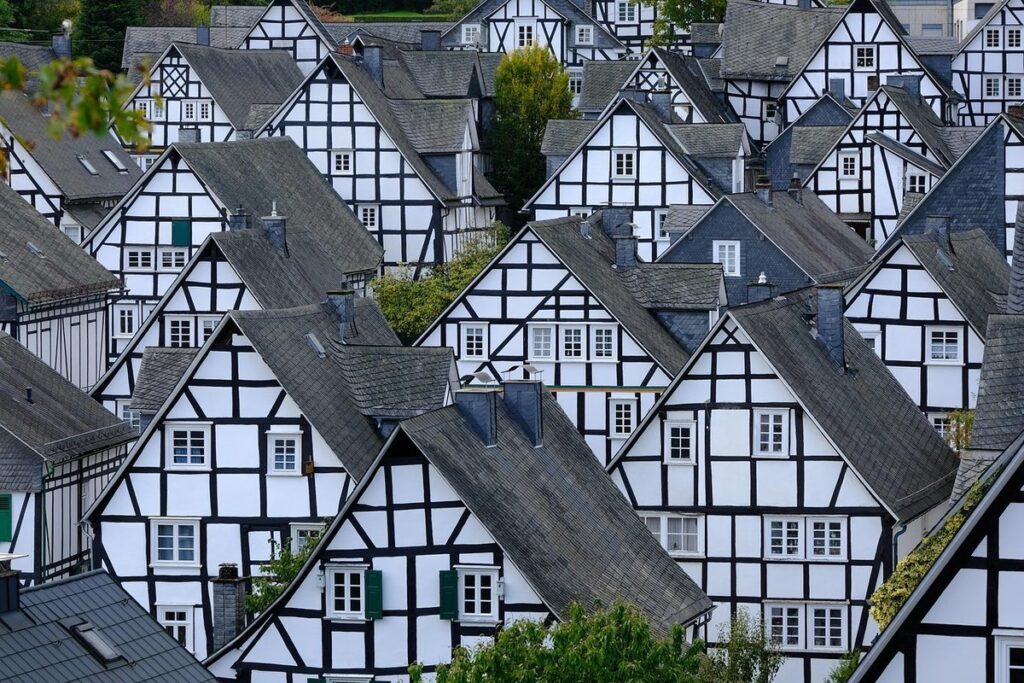
Discovering Local Charm
As you wander through the narrow streets of these historic towns, you’ll begin to uncover their unique character and charm, from quaint shops to old-world architecture. Let’s discover what makes each one so special.
What Makes a Historic Town
An old historic town is characterized by its distinct architectural styles, which often reflect the era in which it was built. Look for a mix of old and new buildings, such as 18th-century colonial homes alongside 19th-century Victorian-era mansions. The historical significance of these towns lies not only in their architecture but also in the events that took place within them.
Many historic towns were established along rivers or coastlines, which provided trade routes and access to resources. This proximity to water often led to the development of industries such as shipbuilding, fishing, and textile manufacturing. The cultural importance of these towns is evident in their well-preserved buildings, museums, and historical landmarks.
Some notable examples include St. Augustine, Florida, with its Spanish colonial architecture; Salem, Massachusetts, famous for its 17th-century witch trials; and New Orleans’ French Quarter, which showcases the city’s rich history and cultural heritage. When exploring old historic towns near you, pay attention to these architectural styles, historical landmarks, and cultural significance to fully appreciate their unique charm.
Identifying Historic Towns in Your Area
To identify historic towns in your area, start by consulting online resources such as websites like PreservationDirectory.org, which lists historic districts and preservation organizations across the United States. Local government websites are also a rich source of information, often featuring maps and descriptions of historic neighborhoods and districts.
Another useful tool is travel guides, both online and offline, that specialize in heritage travel or cultural tourism. Guides like Lonely Planet’s “Off the Beaten Path” series can provide valuable insights into lesser-known historic towns near your location. You can also search for local historical societies or preservation organizations, which often publish their own guides to historic areas.
When researching, pay attention to designations such as National Historic Districts, State Historic Sites, and local Historic Preservation Commissions. These labels typically indicate areas with significant architectural, cultural, or historical value. Make a note of these locations and consider visiting them during your next trip. Additionally, many cities offer self-guided walking tours that highlight historic neighborhoods and landmarks, which can be a great way to explore old historic towns near you.
Understanding the Benefits of Visiting Historic Towns
Visiting historic towns offers a unique opportunity for cultural immersion, historical exploration, and community engagement. When you walk through the narrow streets of an old town, you’re surrounded by layers of history. You can feel the weight of centuries past in every stone, every building, and every artifact on display. This tangible connection to the past allows you to experience history firsthand, rather than simply reading about it.
Historic towns often have a strong sense of community that’s palpable when you interact with locals. By visiting these places, you’re not only supporting local economies but also contributing to their preservation. You can engage with artisans, taste traditional cuisine, and attend cultural events that showcase the town’s heritage. For instance, in the historic town of Quebec City, Canada, you can stroll along cobblestone streets, visit the Notre-Dame de Québec Basilica-Cathedral, and sample local specialties like sugar pie and tourtière.
By embracing the unique character of these towns, you’ll discover hidden gems that reveal the complexities and nuances of history. Whether it’s a picturesque village in Europe or an old town in North America, each place has its own distinct story to tell.
Planning Your Visit to an Old Historic Town
When planning a visit to an old historic town, it’s essential to consider the time of year, best walking routes, and local events that might impact your experience. This helps you make the most of your trip.
Researching Accommodations and Dining Options
When researching accommodations and dining options in an old historic town, you’ll want to prioritize local character and charm. Start by scouring online review sites like TripAdvisor and Yelp for recommendations on top-rated restaurants and cafes. Look for places that serve traditional local cuisine or have a unique atmosphere.
Consider staying at a bed-and-breakfast (B&B) or boutique hotel within the historic district itself. These often offer a more immersive experience, with many located in beautifully restored 19th-century buildings. Some popular options include the Historic District Bed and Breakfast in Savannah’s picturesque grid, or the elegant Hotel Monteleone in New Orleans’ French Quarter.
For dining, try to avoid chain restaurants and opt for family-owned eateries instead. You might stumble upon a hidden gem like the Olde Pink House in Savannah, which serves up classic Lowcountry cuisine in an 18th-century mansion. Don’t be afraid to ask locals or hotel staff for insider tips on their favorite spots – they can often point you towards authentic experiences that will truly make your visit unforgettable.
When booking accommodations, look for properties with historic charm and character. Many offer amenities like free breakfast, wine tastings, or even live music in the evenings. By choosing wisely, you’ll not only support local businesses but also get a deeper sense of the town’s unique personality.
Creating an Itinerary for Your Trip
When creating an itinerary for your trip to a historic town, start by prioritizing the must-see attractions. Consider visiting iconic landmarks like old churches, castles, or town halls, which often offer guided tours. For example, a visit to the 17th-century St. Michael’s Church in the English countryside might include a tour of its stunning stained-glass windows and historic organ.
Next, consider incorporating walking tours into your itinerary. Many historic towns offer self-guided or guided walking routes that showcase their unique architecture and history. In addition to exploring the town’s main streets, venture off the beaten path to discover hidden alleys and courtyards, like the charming passageways in Quebec City’s Old Town.
Lastly, be sure to incorporate local culture and community events into your itinerary. Attend a traditional folk festival or watch a historical reenactment, such as a medieval jousting tournament. By incorporating these experiences into your trip, you’ll gain a deeper understanding of the town’s history, culture, and people. Consider visiting during peak tourist season to catch special events like parades, fireworks displays, or artisan markets.
Budgeting for Your Historic Town Getaway
When budgeting for a trip to an old historic town, it’s essential to consider various expenses. Transportation costs can range from $50 to $200, depending on the distance and mode of travel. For example, driving to a nearby historic town might cost around $20 in gas, while taking a train or bus could be more expensive.
Accommodation prices vary widely, but expect to pay around $80 to $150 per night for a budget-friendly B&B or hotel. You can find deals on websites like Booking.com or Airbnb, especially if you’re willing to stay in a room without a private bathroom.
Food costs are another significant factor. Eating at local restaurants and cafes can cost between $15 to $30 per meal, while grabbing snacks from street vendors might be more affordable. Consider budgeting around $30 to $50 per day for meals.
Activities and attractions also contribute to your overall expenses. Most historic towns offer free or low-cost walking tours, but some attractions, like museums or guided tours, may cost between $10 to $20 per person. Plan ahead by researching the town’s offerings and prioritizing what you want to see and do.
Exploring Old Historic Towns: A Guide to Must-See Attractions
Now that you’ve learned how to uncover hidden gems, it’s time to focus on the must-see attractions within these old historic towns. Let’s take a closer look at what makes each one unique and unmissable.
Top Historical Landmarks to Visit
When visiting an old historic town, there are several must-see historical landmarks to explore. Start with local museums, which often house artifacts and exhibits that showcase the town’s history and culture. The Old Town Museum in Ann Arbor, Michigan, for example, features a collection of 19th-century buildings and offers insight into the town’s role in the Underground Railroad.
Next, visit iconic churches, such as St. Patrick’s Church in Galway, Ireland, which boasts stunning stained-glass windows and ornate stone carvings. Don’t miss ancient monuments like the Roman Forum in Rome, Italy, or the Colosseum, which offer a glimpse into the city’s rich history.
Other notable landmarks include historic homes, like the Edgar Allan Poe House in Baltimore, Maryland, and government buildings, such as the Old State Capitol in Springfield, Illinois. Be sure to check opening hours, admission fees, and any specific rules or restrictions before visiting these sites. Consider purchasing a guided tour or audio guide to enhance your experience and gain deeper understanding of each landmark’s significance.
Walking Tours and Self-Guided Itineraries
A well-crafted walking tour can reveal the hidden gems of an old historic town, taking you off the beaten path to discover secret spots that even locals might not know about. Consider partnering with local tourism boards or heritage organizations to create guided tours that showcase the town’s lesser-known attractions.
For a more DIY approach, download a self-guided itinerary from the town’s official website or pick up a brochure at the visitor’s center. Many historic towns now offer mobile apps that guide you through their streets and landmarks, often with interactive maps and audio descriptions. Take your time to explore the narrow alleys and side streets, where you might stumble upon quaint shops, charming cafes, or even a hidden garden.
To create your own self-guided itinerary, start by identifying key areas of interest in the town, such as historic neighborhoods, cultural landmarks, or scenic viewpoints. Then, research local businesses that offer tours, exhibits, or workshops related to these topics. Finally, use online mapping tools to plot out your route and schedule your visits accordingly. With a little planning, you can unlock the secrets of an old historic town and experience its unique charm up close.
Local Culture and Community Events
When exploring old historic towns, immersing yourself in local culture and community events is essential to truly experience their unique character. Many historic towns host festivals, parades, and street fairs throughout the year that showcase local traditions and customs. For example, Salem, Massachusetts’s Halloween celebrations are world-renowned, while St. Augustine, Florida’s annual Spanish Festival features live music, dancing, and traditional cuisine.
To discover these events, check local event calendars or tourist information centers for schedules and details. Some towns also offer guided tours that highlight their cultural heritage, such as walking tours of historic districts or visits to local museums and galleries. Participating in a town’s community activities can be a great way to meet locals and gain insight into the area’s history and culture.
Some key events to look out for include:
• Heritage Day celebrations, where towns often reenact historical events
• Music festivals featuring traditional local music
• Cultural exhibitions showcasing local artisans and craftspeople
• Food and wine tastings highlighting regional specialties
Preserving Old Historic Towns: Challenges and Opportunities
Preserving old historic towns requires a delicate balance between preserving their charm and meeting the needs of modern residents. We’ll examine the challenges and opportunities that come with revitalizing these unique communities.
Threats to Historic Preservation
Gentrification poses a significant threat to historic preservation. As affluent individuals and businesses move into older neighborhoods, they often bring with them new development projects that can displace long-time residents and alter the character of the area. This phenomenon is evident in many historic towns where once-abandoned buildings are now converted into trendy restaurants, boutiques, and Airbnb rentals. While these changes may seem desirable at first, they ultimately erode the community’s identity and make it difficult for low-income families to afford living there.
Urban sprawl also contributes to the deterioration of old historic towns. As surrounding areas expand outward, residents increasingly opt for newer developments on the outskirts rather than reviving and maintaining the existing infrastructure within the town’s core. This exodus leads to a decrease in foot traffic and commercial activity, further diminishing the area’s vitality.
Climate change poses another threat to historic preservation, as rising temperatures and extreme weather events increase the risk of damage to buildings, roads, and other infrastructure. Rising sea levels, for example, can compromise coastal towns’ integrity and make them more vulnerable to flooding and erosion.
Community Efforts in Preservation
Successful community-led preservation efforts are a vital component of preserving old historic towns. In many cases, local residents and organizations take it upon themselves to protect and restore historic buildings, streetscapes, and landmarks. These initiatives not only help preserve the town’s physical fabric but also foster a sense of community pride and ownership.
For example, in the small town of Salem, Massachusetts, the non-profit organization “Preservation Salem” has worked tirelessly to restore many of the town’s 19th-century homes and buildings. Their efforts have helped maintain the town’s historic character while also providing affordable housing options for local residents. Similar initiatives can be found in other towns, such as the “Historic Preservation Society” in Gettysburg, Pennsylvania, which has successfully preserved numerous Civil War-era structures.
Best practices for community-led preservation efforts include engaging with local stakeholders, conducting thorough historical research, and collaborating with town officials to ensure that preservation goals align with development plans. By working together, communities can ensure the long-term protection of their historic assets while also promoting economic growth and tourism.
Balancing Preservation with Progress
Balancing preservation and progress is a delicate task when it comes to old historic towns. On one hand, preserving historical architecture helps maintain the town’s unique character and attracts tourists who appreciate its charm. However, allowing for progress and development can revitalize the local economy and improve residents’ quality of life.
For instance, in many historic towns, adaptive reuse projects have transformed old buildings into trendy shops, restaurants, and hotels. This approach not only preserves the original architecture but also brings new businesses and jobs to the area. To strike a balance, town planners often implement zoning regulations that restrict development in sensitive areas while encouraging it in less historic districts.
Some successful examples of balancing preservation with progress include the revitalization of Quebec City’s Old Town, which added boutique hotels and restaurants without compromising its UNESCO World Heritage status. Similarly, San Francisco’s Haight-Ashbury neighborhood preserved its 1960s counterculture vibe while introducing new eco-friendly housing developments. By learning from these models, towns can find innovative ways to preserve their history while embracing progress and growth.
Making Old Historic Towns Accessible to All
Creating accessible pathways and ramps can greatly enhance your experience of exploring old historic towns, allowing you to fully appreciate their charm. Let’s look at some practical solutions for making these destinations more inclusive for all visitors.
Inclusive Tourism Practices
Inclusive tourism practices are essential for making old historic towns welcoming to all visitors. Many historic towns have narrow cobblestone streets and old buildings with uneven flooring, posing challenges for visitors with mobility impairments. To address this issue, some towns have implemented accessible walking routes and provide maps with adapted itineraries.
Another important aspect of inclusive tourism is providing accommodations that cater to diverse needs. Historic inns and bed-and-breakfasts can offer rooms with roll-in showers, grab bars, and lowered countertops. Some establishments also provide wheelchair-accessible facilities and services for guests with disabilities.
In addition to physical accessibility, inclusive tourism practices should also consider the needs of families and other underserved groups. For example, some historic towns have started to offer family-friendly activities and events, such as scavenger hunts or children’s workshops. These initiatives can help create a more inclusive atmosphere and encourage visitors from diverse backgrounds to explore these charming destinations.
Some historic towns have taken it a step further by incorporating multilingual signage and audio guides to cater to international visitors. This thoughtful approach not only enhances the visitor experience but also promotes cross-cultural understanding and exchange.
Promoting Cultural Exchange and Understanding
Cultural exchange and understanding between locals and tourists are crucial for promoting a positive and respectful tourism experience. When visitors feel welcome and included, they’re more likely to appreciate the town’s unique character and respect its customs.
In old historic towns, locals often have a deep connection to their community and its heritage. By engaging with locals, tourists can gain a richer understanding of the town’s history, traditions, and way of life. This exchange can be facilitated through guided tours led by knowledgeable residents or by participating in local events and festivals.
To promote cultural exchange, some towns offer programs that match visitors with local hosts, allowing them to experience daily life firsthand. Others provide language classes or cultural workshops for tourists, helping bridge the communication gap.
Ultimately, fostering cultural understanding requires effort from both locals and tourists. By being open-minded, respectful, and curious, visitors can help create a positive atmosphere in historic towns. This, in turn, benefits not only the town but also its residents, who gain from the economic benefits of tourism while preserving their community’s unique character.
Supporting Local Economies through Sustainable Tourism
When visiting old historic towns, you can make a positive impact on local economies by supporting sustainable tourism practices. This means choosing accommodations and restaurants that are locally owned and operated. For instance, consider staying at family-run bed-and-breakfasts or boutique hotels that invest in the community. Similarly, dine at eateries serving traditional cuisine made with locally sourced ingredients.
You can also contribute to the local economy by shopping at independent boutiques, art galleries, and craft shops. These small businesses often employ residents and sell handmade goods that reflect the town’s unique character. When exploring the town, look for signs of community-led initiatives, such as street art projects or community gardens.
To further support sustainable tourism, consider visiting during the off-season when possible. This can help reduce peak tourist season pressures on local infrastructure and services. Additionally, be mindful of your impact on the environment by reducing waste, conserving water, and respecting local regulations. By adopting these practices, you’ll not only preserve the town’s charm but also contribute to its economic well-being.
Conclusion: Embracing the Charm of Old Historic Towns
As you’ve explored these hidden gems, now it’s time to reflect on what makes them so special and how their unique charm can be incorporated into your daily life.
Recap of Key Takeaways
As you conclude your exploration of old historic towns near you, remember to preserve these cultural treasures by promoting inclusive tourism practices and supporting local economies through sustainable tourism. This approach not only benefits the town’s residents but also enriches your own travel experience.
Key takeaways from this article emphasize the importance of embracing the charm of old historic towns. These communities are more than just tourist attractions; they offer a glimpse into the past, a chance to engage with local culture, and an opportunity to make a positive impact on the environment.
To put these principles into practice, consider the following:
- Support local businesses and artisans by shopping at their establishments or purchasing handmade goods.
- Respect historical landmarks and architectural features by staying on designated walking paths and avoiding damage to property.
- Engage with local residents by participating in community events, learning about their customs, and sharing your own cultural experiences.
By adopting these habits, you can contribute to the preservation of old historic towns while fostering cross-cultural understanding and appreciation.
Final Thoughts on Exploring Old Historic Towns Near You
As you conclude your journey through old historic towns near you, remember that these unique destinations offer a wealth of experiences that go beyond mere sightseeing. By immersing yourself in their rich history and culture, you’re not only gaining knowledge but also fostering community engagement and appreciation for the past.
These towns often thrive on tourism, which can be a double-edged sword – while it brings in revenue, it can also lead to overcrowding and strain on local resources. To minimize your impact, consider visiting during off-peak seasons or supporting locally-owned businesses that contribute to the town’s preservation efforts.
By embracing the charm of old historic towns, you’re not only enriching yourself but also contributing to their long-term viability. This can be as simple as sharing your experiences with others, encouraging friends and family to visit, or even offering to help local preservation initiatives in some way.
Ultimately, exploring old historic towns is an opportunity to connect with the past while investing in a community’s future – a truly enriching experience that will stay with you long after you leave.
Frequently Asked Questions
Can I visit an old historic town with limited mobility?
Yes, many old historic towns have made efforts to make their attractions and amenities accessible for visitors with disabilities. Research the specific town you’re planning to visit and look for information on wheelchair accessibility, audio descriptions, and sign language interpretation.
How do I support local economies when visiting old historic towns?
One way to support local economies is by choosing accommodations and dining options that are locally owned and operated. You can also consider purchasing handmade crafts or souvenirs from local vendors, which helps to keep money within the community.
What if the standard advice for budgeting doesn’t apply to my specific situation?
If you’re planning a long-term stay in an old historic town or have a large family, your expenses may be higher than the estimates provided. Consider researching specific costs for your needs and adjust your budget accordingly. Additionally, look into local resources such as hostels or vacation rentals that can offer more affordable options.
Can I visit old historic towns during peak tourist season?
While visiting an old historic town during peak tourist season can be busy and crowded, many towns have strategies in place to manage the influx of visitors. Consider visiting during the shoulder season (April-May or September-October) for a more relaxed experience.

