
Sketching exercises have long been a cornerstone of artistic development, but their benefits extend far beyond technical skill-building. By incorporating regular sketching into your practice, you can unlock your full creative potential and discover new ways to express yourself. Whether you’re a seasoned artist or just starting out, sketching exercises offer a unique opportunity to tap into your imagination and bring fresh ideas to life. But many artists struggle with staying motivated, and finding the right techniques to overcome common challenges can be overwhelming. In this comprehensive guide, we’ll explore the power of sketching exercises in detail, covering key techniques, tips, and strategies for improving drawing skills, boosting creativity, and overcoming obstacles along the way. By the end of this article, you’ll know how to create effective sketching routines that will help you stay motivated and reach new heights in your artistic journey.
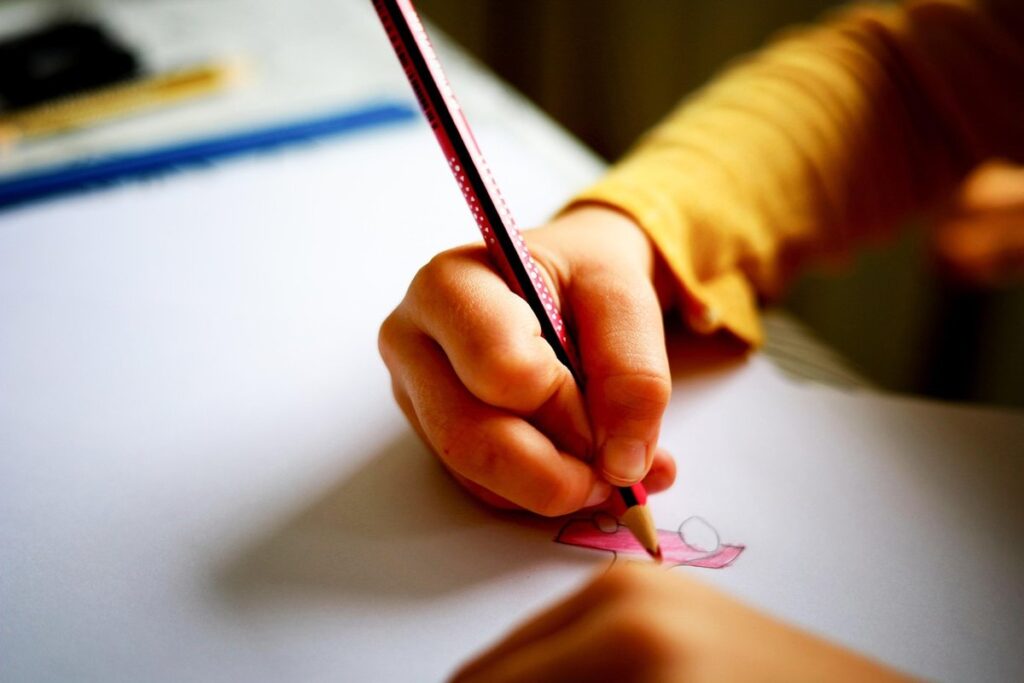
Understanding the Basics of Sketching
Sketching exercises are built on a foundation of basic drawing skills, and understanding these fundamentals is essential for creating effective and expressive art. Let’s start by covering the basics of sketching and how to apply them in your practice.
What is a Sketching Exercise?
A sketching exercise is a deliberate and focused drawing activity designed to improve specific aspects of your artistic skills. These exercises typically involve setting a timer, choosing a subject, and committing to capturing its essence within a short time frame – usually between 5-30 minutes. The goal is not to create a perfect representation but to practice observing and rendering the subject’s overall shape, proportions, and basic features.
Sketching exercises often start with simple tasks like drawing basic shapes or capturing the negative space around an object. As you progress, you’ll move on to more complex activities like gesture drawing, where you focus on conveying movement and energy through loose lines and strokes. These exercises help you develop your observational skills, build confidence in your drawing abilities, and cultivate a greater sense of awareness about form, texture, and composition.
By incorporating sketching exercises into your practice routine, you’ll see significant improvements in your overall drawing skills and creative potential. Remember to approach these exercises with an open mind, a willingness to experiment, and a focus on the process rather than perfection.
Types of Sketching Exercises
Gesture drawing involves quickly sketching the overall pose and movement of a subject, capturing its energy and gesture. This exercise helps loosen up your drawing muscles and gets you thinking about the composition as a whole. In contrast, contour drawing focuses on accurately rendering the outline and shape of an object or subject, often without worrying about details or proportions.
Blind contour drawing takes this concept further by having you draw the contours of a subject without looking at your paper. This exercise helps develop your observational skills and teaches you to trust your instincts when drawing. It’s common for beginners to find blind contour drawing challenging, but with practice, you’ll become more comfortable and confident in your ability to capture the essence of what you’re observing.
These exercises may seem simple, but they form the foundation of a solid sketching practice. By incorporating gesture drawing, contour drawing, and blind contour drawing into your routine, you’ll improve your observation skills, increase your confidence, and develop a more intuitive approach to drawing.
Benefits of Regular Sketching Practice
Regular sketching practice has numerous benefits for individuals looking to enhance their creative potential. One of the most significant advantages is improved observation skills. By regularly observing and drawing subjects, you develop a heightened sense of awareness about proportions, shapes, textures, and details. This increased attention to detail translates into other areas of life, such as photography or writing, where observing the subtleties of a scene can make all the difference.
Regular sketching also boosts creativity by training your brain to think outside the box. As you practice drawing from different angles and perspectives, you learn to see objects and scenes in new ways. This exercise in creative problem-solving helps break free from conventional thinking patterns, allowing for innovative ideas to emerge. For instance, a beginner might start with simple exercises like drawing household objects or everyday people. As they progress, they can move on to more complex subjects, experimenting with different styles and techniques.
Moreover, sketching regularly can reduce stress and anxiety by providing an outlet for creative expression. With the ability to focus on the present moment, you clear your mind of worries and immerse yourself in the process of creating.
Building Fundamentals: Gesture Drawing and Contour Drawing
Let’s get started with the building blocks of drawing by exploring two essential techniques that will help you capture movement and form on paper. We’ll begin with gesture drawing, which is all about capturing energy and motion.
Introduction to Gesture Drawing
Gesture drawing is a fundamental sketching exercise that helps you develop your observational skills and capture the essence of a subject quickly. The goal of gesture drawing is not to create a detailed, realistic representation but rather to convey the overall pose, movement, and energy of the subject. To get started with gesture drawing, find a willing model or use a still life setup, and set a timer for 1-5 minutes. Focus on capturing the major shapes, proportions, and movement lines, using simple gestures and minimal details.
Common mistakes to avoid in gesture drawing include overthinking and getting caught up in trying to draw every detail, which can lead to frustration and a lack of fluidity. Another pitfall is failing to observe and capture the subject’s overall pose and movement, instead focusing on individual features. To overcome these challenges, practice regularly and focus on developing your observational skills through short, quick sketches. As you become more comfortable with gesture drawing, experiment with different mediums and techniques to add variety and depth to your practice. By mastering the basics of gesture drawing, you’ll be better equipped to tackle more complex sketching exercises and unlock your creative potential.
The Importance of Contour Drawing in Sketching Exercises
Contour drawing is a fundamental technique in sketching exercises that helps you understand and accurately capture an object’s form and structure. By focusing on the outline of a subject, contour drawing allows you to develop your observation skills and build your hand-eye coordination.
One of the primary benefits of contour drawing is its ability to break down complex forms into manageable parts. When practicing contour drawing, it’s essential to observe the subtle transitions between shapes and edges, rather than trying to draw every detail at once. This approach helps you become more aware of how different elements contribute to the overall form.
In addition to improving your observation skills, contour drawing also enhances your ability to capture proportions and relationships between forms. By paying attention to the contours of an object, you can develop a deeper understanding of its underlying structure, which is crucial for creating accurate and believable sketches. To practice contour drawing effectively, try setting a timer for 10-15 minutes and focusing on drawing the outline of a subject without looking at your paper.
Tips for Improving Your Gesture and Contour Drawing Skills
Consistent practice and experimentation are essential for improving your gesture and contour drawing skills. Start by setting aside a dedicated time each day to sketch from observation. Begin with simple exercises like gesturing an entire figure from memory, paying attention to its overall shape, proportions, and movement.
For contour drawing, focus on capturing the outline of a subject accurately. Practice drawing simple shapes first, then gradually move on to more complex forms. Pay close attention to the edges and how they relate to each other. Experiment with different mediums, like charcoal or ink, which can add texture and expressiveness to your drawings.
Experiment with blind contour drawing by covering your paper’s edge while you draw, allowing you to focus solely on the subject in front of you. This exercise helps develop your observation skills and reduces self-criticism. Keep a sketchbook dedicated to gesture and contour exercises, and regularly review your progress to identify areas that need improvement.
To further challenge yourself, try drawing from different angles or with limited time constraints. These variations will help you adapt to unexpected situations and improve your ability to work under pressure.
Advanced Techniques: Blind Contour Drawing and Tonal Values
Now that you’ve mastered basic sketching exercises, it’s time to take your skills to the next level by learning advanced techniques like blind contour drawing and tonal values.
Mastering the Art of Blind Contour Drawing
To master the art of blind contour drawing, start by placing the paper on top of the subject and folding it to create a crease along the line where you want to draw. Then, slowly and carefully draw along that crease without looking at your paper. This exercise is designed to improve hand-eye coordination and observation skills.
Begin with simple subjects like household objects or still-life compositions. As you become more comfortable with the process, gradually move on to more complex forms like animals or portraits. Remember to focus solely on tracing the contours of your subject without worrying about proportions or details.
For an added challenge, try drawing a series of blind contour lines in rapid succession, without stopping or looking at your paper between each line. This will help you build speed and accuracy while maintaining focus on the subject’s overall shape and structure.
To further enhance your skills, practice blind contour drawing with different materials like charcoal, ink, or colored pencils. Each medium offers unique challenges and opportunities for expression, so experiment to find what works best for you.
Understanding Tonal Values in Sketching Exercises
Tonal values refer to the range of light and dark shades within a sketch. They play a crucial role in creating depth and dimensionality, drawing the viewer’s eye through the composition. When executed well, tonal values can make or break the overall impact of a piece. To understand how they contribute to a sketch’s depth, consider a simple still-life setup: a vase on a table against a neutral background.
Notice how the light source creates areas of deep shadow and highlights on the vase, while the surrounding environment is rendered in mid-tones. By capturing these subtle variations in value, you can create a more engaging and lifelike representation of your subject. When sketching exercises focus on tonal values, they often involve limiting or eliminating color to emphasize contrast between light and dark.
In blind contour drawing, for example, the emphasis is solely on capturing the subject’s form through varying line weights and values. This exercise helps you develop a greater sensitivity to the subtleties of value, allowing you to convey depth and dimensionality even without colors. By practicing tonal values in your sketching exercises, you’ll improve your ability to create richer, more immersive drawings that draw the viewer into the scene.
Exercise: Incorporating Tonal Values into Your Sketches
When incorporating tonal values into your sketches, it’s essential to understand that value refers to the lightness or darkness of a subject. To practice capturing tonal values, try sketching simple forms like spheres or cylinders against different backgrounds. Observe how the form’s texture and color interact with the surrounding environment.
Notice how the areas in shadow appear darker and cooler, while those in highlight are lighter and warmer. Practice rendering these transitions smoothly by using a range of tonal values from dark to light. You can also experiment with capturing subtle gradations of value within a single subject, like the folds of fabric or the texture of skin.
A simple exercise is to create a series of sketches showing the same object at different times of day or in varying lighting conditions. This will help you develop your ability to capture the dynamic interplay between light and shadow. Remember, it’s not about capturing perfect realism but rather about conveying the essence of a subject through tonal values.
Overcoming Common Challenges in Sketching Exercises
One of the most frustrating things about sketching exercises is running into roadblocks, whether it’s a lack of motivation or struggling to capture proportions accurately. Let’s tackle some common challenges that can hold you back from making progress.
Managing Time Pressure in Sketching Exercises
When working under tight deadlines or participating in timed sketching exercises, managing time pressure can be a significant challenge. One effective way to approach this is by setting clear goals for each exercise and allocating specific time slots for different stages of the process.
For example, if you have 10 minutes to complete an exercise, allocate 2-3 minutes for observing the subject, 4-5 minutes for sketching the overall gesture or contour, and 2-3 minutes for adding details. This structure helps maintain a balance between speed and accuracy.
Another strategy is to focus on capturing the essence of the subject rather than striving for perfection. In timed exercises, it’s often better to prioritize quick, confident lines over precise, detailed renderings. By letting go of the need for flawless execution, you can maintain your creative flow and complete the exercise within the allotted time.
In addition to these strategies, consider practicing timed exercises regularly to build your endurance and adaptability. This will enable you to work efficiently under pressure and make progress even when faced with tight deadlines or short timeframes.
Tips for Improving Your Observation Skills
When engaging in sketching exercises, it’s easy to get caught up in trying to capture everything at once. However, this can lead to a superficial representation of the subject, lacking depth and detail. To improve your observation skills, focus on slowing down and concentrating on the details of what you’re seeing.
Practice observing small aspects of a subject, like the texture of an object’s surface or the way light falls across its features. Try to isolate these smaller elements and capture them accurately in your sketch. This will help you develop a more nuanced understanding of how different components contribute to the overall image.
To further enhance your observation skills, try using a limited color palette or working with only black and white ink. By simplifying your medium, you’ll be forced to focus on what’s truly essential: capturing the essence of the subject through careful observation.
Common Mistakes to Avoid in Sketching Exercises
When engaging in sketching exercises, it’s easy to fall into common pitfalls that hinder progress and limit creativity. One such mistake is overthinking the outcome, leading to hesitation and a lack of spontaneity in the drawing process. This can cause you to spend too much time deliberating on details, rather than focusing on capturing the essence of the subject.
Another error is failing to observe the negative space around the subject, which can result in an unbalanced composition. Beginners often get so caught up in rendering every detail that they neglect the importance of surrounding areas, leading to a cluttered and confusing visual experience.
To avoid these mistakes, practice sketching with loose gestures, allowing your pencil to move freely across the paper without worrying about perfection. Also, pay attention to the overall shape and structure of the subject, rather than getting bogged down in minor details. By adopting this mindset, you’ll be able to capture the essence of your subject more efficiently and effectively, ultimately unlocking your creative potential through sketching exercises.
Making Progress: Setting Goals and Staying Motivated
To make the most of your sketching exercises, setting clear goals and staying motivated is crucial to see consistent progress and improvement in your artistic skills.
Now that you’ve discovered how to get started, let’s explore ways to set achievable targets and maintain momentum throughout your creative journey.
Setting Realistic Goals for Your Sketching Practice
Setting realistic goals for your sketching practice is crucial to making progress and staying motivated. Aiming too high can lead to frustration when you don’t meet your expectations, while setting goals that are too low may not challenge you enough. To strike a balance, start by identifying what you want to achieve in your sketching practice. Do you want to improve your drawing skills, increase your confidence, or simply enjoy the process? Knowing your objectives will help you set specific and measurable goals.
Track your progress by setting milestones and regular check-ins with yourself. For example, commit to practicing for 15 minutes a day, three times a week, for the next month. At the end of each week, review what you’ve accomplished and adjust your schedule as needed. Celebrate your successes, no matter how small they may seem.
When setting goals, consider both short-term and long-term objectives. Short-term goals might include mastering a new technique or completing a specific project, while long-term goals could involve improving your drawing skills or developing a personal style. By breaking down larger goals into smaller, manageable tasks, you’ll stay motivated and focused on making progress in your sketching practice.
Overcoming Frustration and Perseverance in Sketching Exercises
When frustration sets in during sketching exercises, it’s easy to get discouraged and give up. However, maintaining a consistent practice requires perseverance and a growth mindset. One effective strategy is to adopt positive self-talk by acknowledging small victories and accomplishments. Instead of focusing on what you did wrong, concentrate on the incremental improvements made from one exercise to the next.
To cultivate this mindset, try incorporating affirmations into your daily routine. Repeat phrases like “I am capable of learning new skills” or “I trust my process and will improve with time.” You can also set specific goals for each session, such as improving gesture drawing or mastering tonal values. Break down larger objectives into manageable tasks to maintain focus and motivation.
It’s essential to recognize that frustration is a normal part of the learning process. Even experienced artists face setbacks and challenges. Rather than letting frustration dictate your practice, learn from it by analyzing what went wrong and how you can improve next time. By adopting a growth-oriented mindset and using positive self-talk, you’ll be better equipped to overcome obstacles and make consistent progress in your sketching exercises.
Joining a Community: Benefits and Resources
Joining a community or finding resources to support your sketching journey can be a game-changer. Not only will you gain access to like-minded individuals who share your passion for art, but you’ll also receive valuable feedback, guidance, and encouragement.
Online forums are an excellent place to start. Websites like DeviantArt, ArtStation, and Reddit’s r/learndrawing community offer a space to share your work, ask questions, and learn from others. You can engage with fellow artists, participate in discussions, and even join group projects or challenges that help keep you motivated.
Local drawing groups are another great resource. Many cities have art schools, studios, or libraries that host drawing classes, workshops, or meetups. These events provide an opportunity to practice your skills in a supportive environment, receive feedback from instructors or peers, and stay accountable with others who share your goals.
When searching for online communities or local groups, consider what you hope to achieve. Do you want to improve your drawing skills? Get feedback on your work? Learn new techniques? By finding the right community, you’ll be able to focus on specific aspects of your sketching journey and stay motivated along the way.
Frequently Asked Questions
How Long Should I Spend on Each Sketching Exercise?
Start with shorter exercises and gradually increase the time as you become more comfortable with the techniques. Aim to spend at least 15-30 minutes per session, but remember that quality is more important than quantity.
Can I Use Digital Tools for Sketching Exercises Instead of Traditional Media?
Yes, digital tools can be a great way to practice sketching exercises, especially if you’re new to drawing or prefer the flexibility of digital media. However, keep in mind that traditional media can provide a unique tactile experience and help improve fine motor skills.
What If I Get Stuck on a Particular Exercise – How Do I Move Forward?
Don’t get discouraged if you struggle with an exercise – it’s normal! Take a break, revisit the basics, or try a different approach. You can also experiment with combining exercises to create new challenges and keep your practice fresh.
Can Sketching Exercises Help Improve My Fine Motor Skills for Other Activities?
Yes, sketching exercises can help improve fine motor skills, hand-eye coordination, and dexterity, which can benefit other activities like painting, coloring, or even playing musical instruments. The more you practice, the more transferable these skills will become.
How Can I Incorporate Sketching Exercises into My Busy Schedule – Are There Any Tips for Time Management?
Prioritize your sketching practice by scheduling it in your daily planner or setting reminders on your phone. Start small and be consistent – even 5-10 minutes of sketching per day can make a big difference. Find a routine that works for you and stick to it!

