
Sketching Christmas trees is an art form that brings joy to many, capturing the essence of the holiday season in a simple yet elegant way. Whether you’re a seasoned artist or a beginner looking for inspiration, traditional techniques and digital methods can be combined to create unique and festive pieces. What’s more, sketching Christmas trees allows us to slow down and appreciate the beauty of nature during this busy time of year. In this guide, we’ll explore various approaches to sketching these iconic symbols of the holiday season, from basic shapes and lines to detailed textures and patterns. We’ll also cover tips for capturing the festive atmosphere and incorporating personal touches into your artwork. By the end of this article, you will be equipped with the skills and confidence to create stunning sketches that reflect your own unique style and celebrate the magic of Christmas.
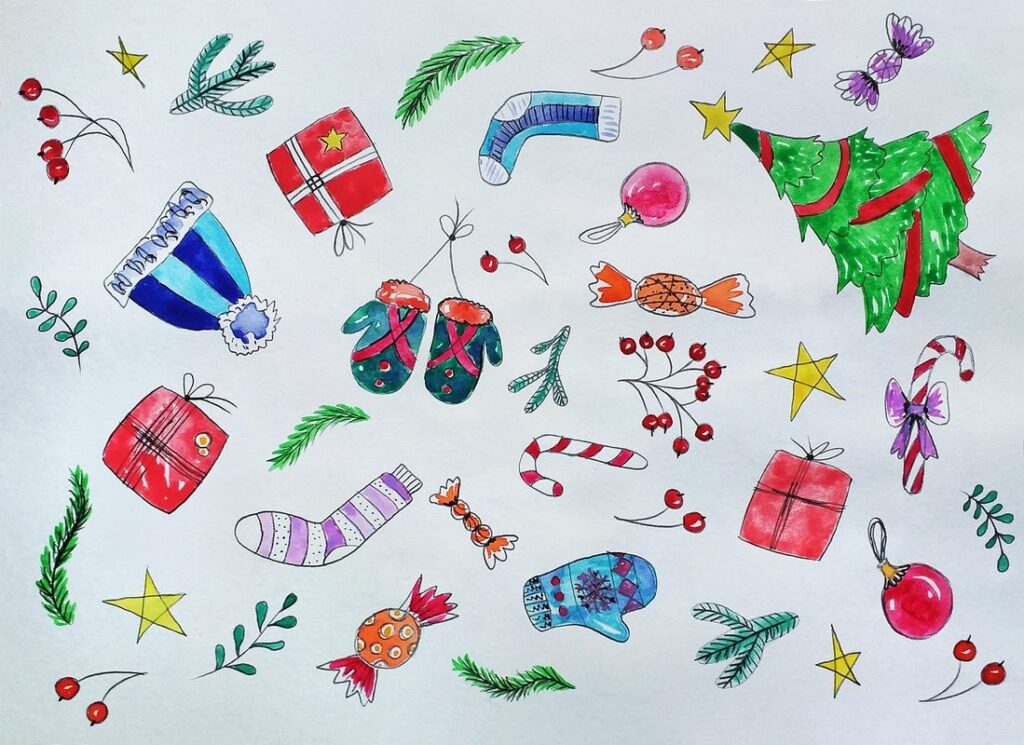
The History and Evolution of Christmas Tree Sketching
The tradition of sketching Christmas trees dates back centuries, with many artists drawing inspiration from ancient evergreen traditions.
From medieval illustrations to modern-day doodles, we’ll explore the fascinating evolution of this festive art form.
Early Beginnings: Traditional Techniques and Styles
In the 16th century, sketches of evergreen trees began to appear in illustrations as a symbol of life during the cold winter months. These early depictions were often simple and straightforward, emphasizing the tree’s natural beauty rather than elaborate decorations. Traditional techniques such as pen and ink drawing, watercolor, and gouache were commonly used to capture the tree’s form and texture.
Artists like Albrecht Dürer and Pieter Bruegel the Elder featured evergreen trees in their work, often using them as a motif for the cycle of life and death. These early illustrations not only reflected the cultural significance of Christmas but also paved the way for future generations of artists to experiment with new styles and techniques.
One notable aspect of traditional Christmas tree sketches is the focus on naturalism. Artists sought to accurately depict the tree’s shape, foliage, and bark, often using subtle shading and texture to create a sense of depth and dimension. This emphasis on realism can be seen in the works of 19th-century artists like Gustave Doré, who illustrated elaborate Christmas trees with intricate details and ornate decorations. By studying these traditional techniques, modern artists can gain a deeper understanding of the evolution of Christmas tree sketching and learn how to apply timeless principles to their own work.
Influences from Famous Artists and Illustrators
Famous artists and illustrators have long been a source of inspiration for Christmas tree sketches. One notable example is Thomas Nast, an American illustrator who popularized the modern image of Santa Claus. In his 1863 illustration “Santa for the War,” Nast depicted a robustly built Santa standing amidst a lush evergreen forest, complete with a towering Christmas tree. This iconic image has since been emulated and reinterpreted by countless artists.
Another influential figure is Howard Pyle, an American illustrator known for his detailed and atmospheric drawings of winter scenes. In his 1915 illustration “The Christmas Tree,” Pyle captured the soft, golden light of candle-lit branches and the cozy atmosphere of a family gathered around the tree. His use of warm colors and gentle shading has inspired many artists to adopt similar techniques in their own work.
Artists can learn from these masters by studying their techniques and styles. For instance, Nast’s use of bold lines and textures adds depth and visual interest to his illustrations. Meanwhile, Pyle’s emphasis on atmosphere and mood creates a sense of intimacy and warmth. By incorporating these elements into their own sketches, artists can create rich and engaging Christmas tree scenes that capture the holiday spirit.
Choosing the Right Medium for Your Sketches
When it comes to capturing your Christmas tree sketches, choosing the right medium can make all the difference in bringing your ideas to life. Consider the texture and tone you want to achieve in your artwork.
Watercolor: A Classic Choice for Capturing Festive Spirit
Watercolor is a classic choice for capturing festive spirit in Christmas tree sketches due to its ease of use and ability to create soft, delicate lines. When working with watercolors, it’s essential to choose the right brushstrokes and techniques to achieve the desired effect. Start by selecting a range of colors that evoke the holiday season, such as blues, greens, and golds.
To create soft, delicate lines, use wet-on-wet technique by adding clean water to your brush before picking up paint. This will help blend colors seamlessly and prevent harsh edges. For more intricate details, try using a small round brush to add subtle textures and patterns to the tree’s branches and foliage.
A key advantage of watercolor is its ability to create soft, gradient-like effects that capture the warm glow of Christmas lights or the softness of snow-covered trees. To achieve this look, experiment with layering transparent washes over a lightly painted base coat. This will help you build up subtle color gradations and add depth to your sketch.
When working with watercolors, remember to work quickly and have fun! The beauty of watercolor lies in its unpredictability, so don’t be afraid to let the paint flow freely and see where it takes you.
Pencil Drawing: Techniques for Achieving Realism and Texture
When working with pencil drawings, achieving realism and texture can be a challenge. To create convincing Christmas tree sketches, you’ll need to focus on layering, blending, and subtle shading techniques. Start by using a range of pencils, including soft (B) and hard (H) leads, to build up layers of value and texture.
Pay attention to the bark of your tree: a mix of smooth and rough textures can create visual interest. Use a sharp HB pencil for fine details like branches and needles, while a softer B or 2B is better suited for creating smooth, rounded forms. Experiment with blending techniques by layering soft pencils over harder ones.
In addition to pencils, consider using a variety of stumpwork tools – small sticks and skewers used to create texture and pattern on paper. These can be particularly useful for adding realistic details like pine needles or snowflakes to your tree’s foliage.
When working on large areas, use gentle, sweeping strokes with a soft pencil to build up gradual transitions between values. For more detailed work, try using a fine-tip brush dipped in graphite powder – this will allow you to create precise lines and delicate textures.
Digital Art: Software Options for Creating Vibrant Sketches
Digital art has become a popular choice for creating vibrant and detailed sketches of Christmas trees. With its versatility and range of software options, it’s no wonder why many artists are turning to digital art to capture the festive spirit.
One of the most widely used digital art programs is Adobe Photoshop. Its vast array of brushes, textures, and layers make it an ideal choice for creating intricate details and vibrant colors in your Christmas tree sketches. For example, you can use the “brush engine” feature to create custom brushes that mimic traditional media like pencils or watercolors.
Other popular software options include Procreate and Clip Studio Paint. These programs offer a range of features specifically designed for digital art, such as customizable brushes, layers, and tones. They also allow for easy sharing and exporting of your work, making it perfect for social media or online platforms.
When choosing a digital art program, consider the specific needs of your project. Do you want to create realistic textures or vibrant colors? Look for software that offers advanced features like layer blending modes and texture overlays. With the right tools at hand, you can bring your Christmas tree sketches to life in stunning detail and color.
Composition and Layout Tips for Effective Sketching
When it comes to capturing the essence of a Christmas tree on paper, composition and layout are key elements that can make or break your sketch. A well-placed branch or balanced foliage can add depth and interest to your artwork.
Balancing Elements: Focal Points and Negative Space
When sketching a Christmas tree, it’s essential to strike a balance between focal points and negative space. A well-balanced composition draws the viewer’s eye through the artwork without overwhelming them with too much detail. Start by identifying the central focal point – often the tree itself or a prominent ornament. Place this element in a location that commands attention, such as at the center of the paper or above the horizon line.
However, don’t forget to leave room for negative space. This empty area between and around elements helps the eye move naturally through the composition. A Christmas tree sketch might include sparse foliage on the left side, creating an illusion of depth and allowing the viewer’s gaze to travel down to the ornaments on the right.
To apply this principle effectively, consider dividing your paper into thirds both horizontally and vertically. Place your focal points along these lines or at their intersections. By doing so, you’ll create a balanced composition that guides the viewer’s eye through your sketch in a harmonious flow.
Creating Depth and Dimension with Shading and Perspective
When creating a sketch of a Christmas tree, it’s essential to consider techniques that add depth and dimension. Shading plays a crucial role in achieving this effect. Start by identifying areas where shadows would naturally fall – under the branches, between ornaments, or behind the trunk. Use a range of shading values to create contrast: light, medium, and dark. For instance, if you’re drawing a tree with soft, white lights, use gentle, feathery strokes for shading to suggest the soft glow.
Perspective is also vital in creating depth. Pay attention to the placement of branches, ornaments, and other elements within your composition. Consider where they would naturally be positioned – closer to or farther from the viewer. Use perspective lines (horizon line, vanishing point) to guide the eye through the sketch. For example, if drawing a tree with a prominent top branch, use a gentle curve to suggest its height, rather than making it flat and two-dimensional.
A combination of shading and perspective can add incredible depth to your sketches. Practice using different techniques and experiment with various mediums to achieve the desired effect.
Sketching Different Types of Christmas Trees
Let’s explore some inspiring variations on traditional Christmas tree sketches, from rustic fir trees to elegant palm trees. We’ll examine how different branches and foliage can add visual interest.
Evergreen Trees: Traditional and Non-Traditional Styles
When it comes to evergreen trees, you have a wide range of options for traditional and non-traditional styles. For traditionalists, fir trees are a classic choice, with their symmetrical branches and soft needles. They’re a popular subject for sketches, especially when adorned with ornaments or garlands.
Other traditional options include spruce and pine trees, each with their unique characteristics. Spruces have a more robust shape and prickly needles, while pines have long, flexible branches and distinctive scents. Consider sketching them in various lighting conditions to capture their texture and depth.
For a non-traditional approach, you might want to explore less common evergreen trees like cedar or cypress. These trees have unique shapes and textures that can add interest to your sketches. You could also experiment with abstract representations of evergreen trees, focusing on patterns and shapes rather than realistic depictions.
To get started, try studying reference images of different evergreen trees in various settings – in the wild, as part of a festive arrangement, or even as a decorative feature indoors. Pay attention to their shapes, textures, and colors to inform your sketching choices.
Artificial Trees: Capturing Their Unique Characteristics
Artificial trees bring a unique charm to holiday decor, and capturing their distinctive characteristics on paper requires attention to detail. Start by studying the tree’s shape – artificial trees often have a more uniform density of branches compared to real trees. Note how the branches are spaced and how they intersect with each other.
Pay close attention to the texture of the tree’s surface. Artificial trees can have a range of textures, from smooth plastic to more realistic polyethylene or PVC finishes that mimic the feel of evergreen needles. Consider using hatching techniques in your drawing to convey this texture.
Lighting effects also play a crucial role in capturing artificial Christmas trees on paper. Notice how the tree’s lights are arranged and how they reflect off surrounding surfaces. You can use subtle shading and highlights to suggest this visual interest.
When sketching artificial trees, it’s essential to capture their distinctive features, such as colorful lights or ornaments, to infuse your drawing with personality. Consider experimenting with different mediums – a soft pencil can create a warm, inviting glow around the tree’s lights.
Tips for Incorporating Personal Style and Themes
To make your sketches of Christmas trees truly unique, consider incorporating personal touches that reflect your style and interests. This is where your creativity can shine through in bold ways!
Adding Whimsy with Color and Pattern
Adding a pop of color and playful patterns can instantly give your Christmas tree sketches a whimsical touch. You can start by incorporating traditional festive hues like crimson red, emerald green, and snowy white into your artwork. Consider using bold brushstrokes or layering to achieve vibrant, textured effects.
When it comes to pattern, think beyond the usual ornaments. Use subtle snowflakes, delicate holly leaves, or even tiny snowmen to add visual interest to your sketch. For a more modern look, try combining contrasting patterns like stripes and polka dots in a harmonious way. This can be achieved by dividing the tree into sections or using different brush sizes.
To take it up a notch, experiment with abstract patterns inspired by winter elements, such as frosty glass or icy windows. You can also pay homage to specific holiday traditions, like incorporating intricate Celtic knots for a more vintage feel. Remember, the key is to balance pattern and color in a way that feels cohesive and visually appealing. Don’t be afraid to mix and match different styles until you find a look that truly reflects your personality and festive spirit.
Sketching for Specific Audiences: From Children’s Books to Advertising
When sketching for specific audiences, consider the age and interests of your target viewers. For children’s books, use simple shapes and bold lines to create a playful atmosphere. Think about the story’s tone: if it’s whimsical or humorous, add more expressive details like exaggerated branches or colorful ornaments.
In advertising, focus on creating an eye-catching composition that showcases the tree as a central feature. Use clear, high-contrast colors to make the tree stand out against busy backgrounds. Consider the product being promoted and how it relates to Christmas trees: for example, if it’s a decorative item, draw attention to its placement on or around the tree.
To create engaging sketches for specific audiences, experiment with different styles and techniques. For children’s books, try using textures like watercolor or colored pencils to give the illustration depth and tactility. For advertising, use bold lines and bright colors to grab viewers’ attention. Keep in mind that the goal is to communicate a message effectively while still conveying a festive holiday spirit.
When sketching for specific audiences, remember to tailor your style to their preferences and needs.
Displaying and Sharing Your Finished Sketches
Now that you’ve finished sketching your Christmas tree, it’s time to showcase your artwork to friends and family. You can display them proudly in a decorative album or share online for everyone to see.
Tips for Preserving and Framing Original Artwork
When it comes to preserving and framing original artwork, especially delicate sketches of Christmas trees, handling with care is crucial. Start by using acid-free materials for mounting and framing, such as archival-quality mats and UV-filtering glass or acrylic. This will help prevent damage from light exposure and moisture.
For watercolor and mixed-media pieces, consider applying a fixative spray to lock in colors and prevent smudging. However, be cautious not to overuse this product, as it can alter the artwork’s appearance.
When framing your sketch, choose a frame that complements its style without overpowering it. For instance, a simple wooden frame might suit a traditional pencil drawing, while a more ornate frame could enhance the whimsy of a watercolor piece.
To further protect your artwork, store it in a cool, dry environment away from direct sunlight. Consider investing in a storage box or portfolio designed specifically for artworks, as these often feature climate-controlled compartments and protective padding.
When displaying your framed sketch, consider factors like lighting and wall space. Avoid placing the artwork near windows with direct sunlight, which can cause fading over time. Opt for a spot with gentle, indirect light instead.
Online Platforms for Sharing and Selling Your Work
You can showcase your artwork on various online platforms, reaching a global audience and potentially selling your sketches. Some popular options include Etsy, Redbubble, and Society6, which specialize in art prints and merchandise. You can also use social media websites like Instagram and Pinterest to share your work with a broader audience.
When choosing an online platform, consider the type of artwork you’re creating and the target market for your pieces. For example, if you’re selling original sketches, you may want to focus on platforms that cater to art collectors or enthusiasts. Etsy is a good option for this, as it allows artists to sell handmade and unique items directly to customers.
To get started, you’ll need to create an account on the platform of your choice and set up a shop or portfolio page. This typically involves uploading high-quality images of your artwork, writing descriptions and captions, and setting prices. Be sure to follow each platform’s guidelines for formatting and content. By sharing your sketches online, you can gain exposure, connect with potential buyers, and turn your artistic passion into a viable business.
Troubleshooting Common Issues and Challenges
When you’re struggling to capture the perfect sketch of a Christmas tree, we’ve got solutions for common issues that might be holding you back from achieving your artistic vision.
Overcoming Technical Difficulties with Medium-Specific Solutions
When working with a medium-specific solution, one common issue is bleeding or feathering when using watercolors. To overcome this, try layering washes carefully and allowing each layer to dry before adding more color. You can also experiment with different brands of watercolor paper that are designed to minimize bleed.
Another challenge arises when using digital art software – specifically, how to achieve a sense of texture and tactility in your sketch. One solution is to use a combination of brush textures and layer blending modes to create depth and dimension. For example, you can apply a rough, organic texture to the tree’s branches and then blend it with a smooth, gradient-filled background.
If you’re working with pencils, one common issue is creating uniform shading and avoiding muddy or streaky areas. To achieve even tones, try using a range of soft pencils (HB through 6B) and blending them carefully with a tortillon or blending stump. You can also use a fixative to set your pencil marks in place before layering additional details.
Using the right tools and techniques for your chosen medium can help you overcome common technical difficulties and achieve the desired effect in your Christmas tree sketches.
Overcoming Creative Blocks: Tips for Staying Inspired
When you’re stuck for ideas, try switching up your routine. Take a walk outside and observe how people decorate their trees – notice the shapes, textures, and colors they use. You might be inspired by something as simple as the way twinkling lights reflect off a frosty windowpane. Alternatively, revisit earlier sketches or studies of Christmas trees, but this time focus on a specific aspect like the intricate patterns on the needles or the way the branches intersect.
Another strategy is to experiment with different mediums or techniques that you might not typically use for sketching Christmas trees. For example, try combining traditional media like watercolor or ink with digital tools like Procreate or Adobe Illustrator. This can help you break free from your usual style and discover new ways of expressing yourself.
If you’re still struggling, try setting a timer for 10-15 minutes and sketch whatever comes to mind without worrying about the result. This exercise can help loosen up your creative muscles and get your juices flowing again.
Frequently Asked Questions
How Can I Use My Sketches to Create a Year-Round Christmas Display?
You can use your sketches as a starting point for creating a year-round Christmas display by printing them out and displaying them in a collage or arranging them around the room. You can also use digital versions of your sketches on a tablet or computer to create an immersive experience. Consider using LED lights, glitter, or other decorations to add a festive touch.
What If My Sketches Don’t Turn Out as Realistic As I Want?
Don’t worry if your sketches don’t turn out exactly as realistic as you want – the beauty of sketching is in its imperfections! To achieve more realism, try using reference images, practicing different techniques, and experimenting with various mediums. Remember, it’s okay to make mistakes – they can often lead to new and interesting effects.
Can I Sell My Christmas Tree Sketches Online?
Yes, you can sell your Christmas tree sketches online through platforms like Etsy or Redbubble. Make sure to follow the guidelines for each platform and take high-quality photos of your artwork. You can also use social media to showcase your work and connect with potential customers.
How Do I Preserve and Store My Original Sketches Long-Term?
To preserve and store your original sketches long-term, consider using acid-free paper or archival-quality materials. Keep them away from direct sunlight, moisture, and extreme temperatures. Store them in a cool, dry place, and avoid folding or bending the artwork. You can also consult with a professional conservator for advice on preserving specific types of art.
What If I Want to Create a Sketchbook Focused on Christmas Trees but Don’t Know Where to Start?
Start by brainstorming ideas, researching different mediums and techniques, and experimenting with sketches. Consider creating a loose outline or theme for your sketchbook to keep yourself organized and focused. Don’t be afraid to try new things and make mistakes – they can often lead to exciting discoveries!

