
Here is a 100-150 word introduction paragraph for a blog post about bead ideas for bracelets:
Are you tired of making the same old bracelet designs over and over again? Want to take your jewelry-making skills to the next level with unique and inspiring bead ideas? Choosing the right beads can be overwhelming, especially when it comes to creating a cohesive look. With so many shapes, sizes, and materials to choose from, it’s easy to get stuck in a rut. But don’t worry, I’ve got you covered! In this article, we’ll explore some creative bead ideas for bracelets that will help you create one-of-a-kind pieces. From techniques like wire-wrapping to choosing the perfect beads, we’ll cover everything you need to know to make beautiful and unique jewelry. By the end of this article, you’ll be able to design and create your own custom bead bracelet designs with confidence.
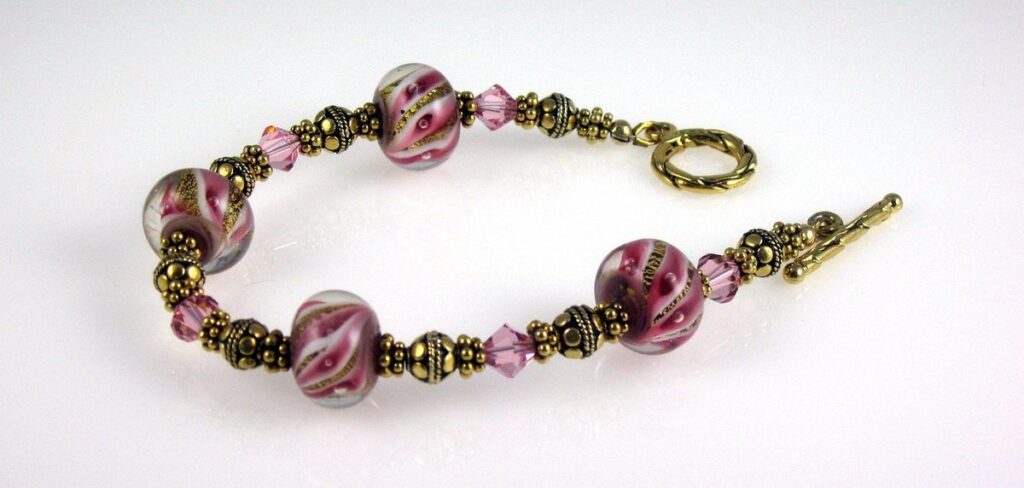
Choosing the Perfect Beads
When selecting beads for your bracelet design, it’s essential to choose a type and color that complements the style and theme of your project. This will ensure a cohesive and visually appealing final result.
Selecting Bead Colors and Shapes
When selecting bead colors and shapes, consider the overall aesthetic you want to achieve. For a cohesive look, choose beads with harmonious color schemes. Warm tones like golden brown and terracotta pair well together, while cool tones such as blue and purple create a soothing contrast. You can also experiment with monochromatic color palettes for a sophisticated appearance.
Consider the occasion or personal style when picking beads. For example, delicate silver or crystal beads are often used in more formal jewelry pieces, whereas brightly colored beads like turquoise or amethyst are better suited for casual wear. Think about the recipient’s preferences and dress sense if you’re creating a gift piece.
Pay attention to the shape of your beads as well. Round beads can create a soft, flowing effect, while geometric shapes add visual interest. Mix and match different shapes to achieve balance in your design. For instance, pairing large round beads with smaller square ones creates a visually appealing contrast. Experiment with various combinations to find what works best for you.
Considering Bead Materials and Types
Glass beads can add a touch of elegance to a bracelet, while crystal beads provide a more luxurious feel. Wood beads, on the other hand, offer a natural and earthy look. When choosing between these materials, consider the overall style you’re aiming for.
Different types of beads also contribute significantly to the final design. Seed beads are tiny and versatile, often used in intricate patterns or as a filler material. Gemstone beads, made from precious stones like quartz or amethyst, add a touch of sophistication due to their natural beauty.
Charm beads can serve as focal points, drawing attention to specific elements within the design. Consider what message you want your bracelet to convey: do you want it to be playful and whimsical or elegant and understated?
When combining different materials, balance is key. Too many contrasting textures and colors can overwhelm the senses, while a harmonious blend can create visual interest without chaos. Experiment with various combinations to find the perfect mix for your design.
Understanding Bead Sizing and Quality
When selecting beads for your bracelet design, it’s crucial to consider both bead sizing and quality. Beads come in various sizes, measured by their diameter or length, so it’s essential to choose beads that fit harmoniously together. To measure beads accurately, use a ruler or caliper to determine their size. Check the packaging or manufacturer’s website for specific measurements.
Look for high-quality beads that are well-made and durable. Avoid beads with rough edges, uneven surfaces, or obvious manufacturing defects. Consider the material used – glass, crystal, or seed beads, for example – as each has its own unique characteristics. For example, seed beads are typically small and uniform in size, making them ideal for intricate designs.
When evaluating bead quality, inspect the finish, weight, and overall construction. High-quality beads will have a smooth, even surface and a substantial feel. They should also be able to withstand normal wear and tear without breaking or discoloring. By prioritizing both size and quality, you can create a beautiful, long-lasting bracelet that showcases your design skills.
Popular Bead Patterns and Designs
Get ready to be inspired by some of the most popular bead patterns and designs that will elevate your bracelet game, from classic simplicity to intricate complexity.
The Classic Beaded Chain
A classic beaded chain is a timeless design that exudes elegance and sophistication. It’s a versatile pattern that can be dressed up or down to suit any occasion. To create a beautiful beaded chain, start by selecting beads that have a consistent shape and size. This will ensure that the chain lies flat and even.
When stringing beads onto wire or cord, use a consistent spacing between each bead to achieve a harmonious flow. You can experiment with different bead-to-bead spacings to create varying textures and effects. For example, you might space larger beads apart for a more dramatic look, while using smaller beads in closer proximity for a more intricate design.
Adding embellishments to your beaded chain is also an excellent way to add visual interest. Consider incorporating charms or pendants that complement the beads’ color palette or shape. You can also use seed beads to create delicate accents or borders around the main bead chain.
Beading with Seed Beads
Seed beads are an excellent choice for creating intricate patterns and designs on bracelets. These tiny beads come in a wide range of colors and sizes, making them versatile for various beading techniques. To get started with seed bead jewelry, it’s essential to learn basic beaded stitches such as the Japanese stitch or the herringbone stitch.
These stitches allow you to weave seed beads into intricate patterns that can add depth and visual interest to your bracelet designs. For more complex projects, consider using a beading needle and threader to help guide your seed beads onto the stringing material. You can also use a bead mat or workboard to keep your seed beads organized and prevent them from getting lost.
When working with seed beads, it’s crucial to choose the right size and type of thread or stringing material. A waxed thread or beading cord is ideal for seed bead jewelry as it allows for smooth movement and easy beading. Always follow proper beading techniques and keep your workspace clean and organized to avoid mistakes and frustration.
Creating a Focal Point with Charms or Pendants
When incorporating charms or pendants into a bracelet design, it’s essential to strike the right balance between showcasing them effectively and avoiding overwhelming the piece. Start by selecting charms or pendants that complement the bead selection, rather than competing with it. Consider the size, shape, and style of both the beads and the charms to ensure they work harmoniously together.
A good rule of thumb is to choose one or two statement pieces – large or intricately designed charms – and pair them with simpler beads to let their beauty shine through. Conversely, if using multiple smaller charms, opt for more understated beads that won’t get lost in the mix. To add visual interest, experiment with different textures and materials by mixing metal, glass, or crystal elements.
When arranging charms and pendants, think about creating a focal point by placing them at an angle or slightly off-center on the wrist. This will draw the eye to the charm, adding depth and visual appeal to the design. Remember, the key is to balance your selection with restraint – too many charms can make the piece feel cluttered and overwhelming.
Advanced Beading Techniques and Tools
Take your beading skills to the next level by learning expert techniques for combining beads, wirework, and other advanced methods to create stunning bracelets. We’ll explore the tools you need to master these intricate designs.
Working with Wire-Wrapping and Jewelry-Making Tools
When working with wire-wrapping and jewelry-making tools, it’s essential to understand how to use them effectively. Wire-wrapping pliers are a crucial tool for shaping and bending wire into intricate designs. To get started, choose the right type of plier – flat-nose or round-nose – depending on your specific needs.
Crimping tools are also vital for securing beads onto jewelry findings. Use a crimping tool to flatten the metal crimp tube over the wire, ensuring it’s securely attached to the bead. For added stability, apply a small amount of crimping pliers pressure while twisting the wire.
Bead molds can help you create uniform beads or shapes. To fill a mold, thread the desired material – such as wire, clay, or metal leaf – through the mold’s center hole. Secure the material by gently pressing it into place, using minimal pressure to avoid distorting the shape.
When working with these tools, keep your workspace clean and organized to prevent damage and make cleanup easier. Regularly clean and maintain your tools to ensure longevity and optimal performance. Experimenting with different techniques and materials will help you master the use of these advanced beading tools.
Bead Embellishments and Ornaments
Crystals add a touch of sophistication to beaded jewelry when used as embellishments. Consider incorporating crystals into the design by using them as focal points or accents. For example, a simple crystal bead can be surrounded by smaller seed beads to create a beautiful and elegant look.
Sequins are another type of ornament that can be used in beaded jewelry. They come in various shapes and sizes, making it easy to incorporate them into designs. To add sequins to your bracelet design, simply thread them onto the beading wire or stringing material along with other beads.
Appliques are also a popular choice for adding embellishments to beaded jewelry. These small decorative elements can be made from various materials, including metal and plastic. When using appliques in your design, choose ones that complement the colors and style of the rest of the bracelet.
When incorporating these embellishments into your designs, remember to balance them with simpler elements to avoid overwhelming the overall look. Consider using a mix of small and large beads, along with different textures and shapes, to create visually appealing bracelets. By experimenting with various embellishments, you can add a unique touch to your beaded jewelry creations.
Experimenting with Textured and Layered Beadwork
When experimenting with textured and layered beadwork, you can create visually striking designs that add depth and interest to a bracelet. One technique to try is spiral wrapping, where beads are wrapped around a core wire or stringing material in a continuous spiral motion. This creates a dynamic, three-dimensional effect that catches the eye. To take it up a notch, stack different types of beads on top of each other to create layered textures.
For example, you could pair smooth seed beads with chunky gemstone beads or metal spacers for a striking contrast. Alternatively, use multiple colors or finishes to create a sense of movement and energy. When working with textured and layered beadwork, it’s essential to balance the different elements to avoid overwhelming the design. Start by choosing a focal point – whether it’s a single statement bead or a group of smaller beads – and then build around it.
To add an extra layer of interest, consider using metal findings like head pins or jump rings to connect your beads in unique ways. This can help create a sense of tension and visual flow. By experimenting with different combinations of beads, textures, and colors, you can unlock a wide range of possibilities for creating eye-catching, one-of-a-kind beaded bracelets.
Tips and Tricks for Selling or Gifting Beaded Jewelry
When you’re ready to share your beaded creations, we’ve got some expert advice on how to sell or gift them in a way that showcases their beauty and value. This includes tips for pricing, packaging, and presentation.
Pricing and Marketing Your Handmade Pieces
When pricing handmade beaded jewelry, consider the time and materials that go into each piece. Calculate your costs by multiplying the number of hours spent on a project by your hourly wage, then add the cost of beads and other materials. This will give you a base price for each item. However, this is just the starting point – you’ll also need to factor in overheads like studio rent or equipment costs.
To market your handmade pieces effectively online, focus on high-quality product photos that showcase your jewelry from multiple angles. Use clear descriptions and highlight any unique features or materials used in each piece. For example, if a bracelet is made with recycled beads, mention this in the description to appeal to customers who value sustainability.
When creating product listings, keep it concise and easy to read. Avoid using overly promotional language – instead, focus on the story behind your jewelry pieces. What inspired you to create them? What makes each one unique? This approach will help you connect with potential customers on a personal level and build trust in your brand. Use relevant keywords in your descriptions to improve visibility in search results.
Packaging and Displaying Your Work
When presenting beaded jewelry, whether online or offline, presentation matters just as much as the design itself. You want to make a good impression on potential buyers and showcase your pieces in their best light.
Custom boxes and bags can add a touch of elegance to your jewelry displays. Consider using sturdy, high-quality packaging that complements the style of your beaded bracelets. For example, delicate crystal-encrusted earrings might look lovely in a velvet-lined box, while a chunky, handmade cuff could be displayed in a rustic wooden crate.
Displaying your work is also crucial. Use attractive displays or stands to showcase individual pieces or groupings of jewelry. If you’re selling online, make sure high-quality photos are taken from multiple angles to give customers a clear view of the item. Consider using lifestyle shots that show how the piece could be styled or paired with other items.
When it comes to in-person sales or gifting, consider setting up an attractive display case or tabletop stand to showcase your pieces. This can help create a visually appealing and engaging experience for customers.
Gift-Giving Ideas for Beaded Jewelry
When it comes to gifting beaded jewelry, there are numerous occasions to consider. Birthday celebrations, anniversaries, graduations, and even holiday gifts all lend themselves well to a beautifully crafted beaded piece. Consider creating customized jewelry for special milestones or personal interests. For instance, if the recipient has a favorite sports team or hobby, incorporate beads that reflect their passion.
Personalized jewelry is not only thoughtful but also ensures the gift is unique and meaningful. You can achieve this by using initials, names, or symbols that hold significance to the wearer. This adds an emotional depth to the piece, making it even more treasured.
When presenting beaded jewelry as a gift, attention to detail matters. Use attractive packaging materials, such as velvet pouches or small boxes, to add a touch of elegance. Consider pairing the gift with a thoughtful note or card, highlighting why this particular piece was chosen for the recipient.
Troubleshooting Common Bead-Related Issues
We’ve all been there: a stray bead slips through your fingers, or a clasp refuses to cooperate. Don’t worry, we’ll cover common problems and their easy fixes right here.
Dealing with Breakage and Damage
When working with beads, breakage and damage are inevitable issues that can ruin a beautiful piece of jewelry. To prevent these problems, start by selecting high-quality beads that are less prone to cracking or chipping. For example, opt for glass beads over crystal beads, as they tend to be more durable.
Another way to minimize breakage is to handle your beads with care. Avoid touching the beads excessively, and use a soft cloth to clean them instead of exposing them to water or harsh chemicals. When stringing beads, use a sturdy wire or thread that can withstand tension and movement.
If a piece does become damaged, don’t despair – most bead-related issues can be easily repaired. For minor breaks, try restringing the affected area using new wire or thread. If a bead is cracked or chipped, you can often glue it back together with a clear adhesive like epoxy or superglue. In more severe cases, consider replacing the damaged beads entirely to maintain the integrity of your design.
To repair a broken clasp or findings, use jewelry-making tools like pliers and wire cutters to reattach or replace them.
Managing Inventory and Supply
Proper inventory management is crucial to ensure you have the right beads on hand when needed. This not only saves time but also prevents last-minute scrambles for specific supplies. Start by organizing storage with clear labels and designated areas for different bead types, sizes, and materials.
When it comes to maintaining a well-stocked supply, consider ordering beads in bulk from reputable suppliers or wholesalers. Research their minimum order quantities, lead times, and return policies before committing to large purchases. For smaller businesses or hobbyists, maintaining a balanced inventory can be achieved by regularly reviewing current stock levels and adjusting orders accordingly.
To manage your beading business’s inventory effectively, consider implementing a tracking system that accounts for each bead type, quantity, and cost. This can be done using spreadsheets, inventory management software, or even a simple notebook system. Regularly update this record to ensure accurate information and avoid over- or under-ordering supplies. By maintaining an organized inventory and supply chain, you’ll be better equipped to meet customer demands and focus on creating new bead ideas for bracelets.
Frequently Asked Questions About Beads and Beading
Got stuck on a beading project? This FAQ answers your most pressing questions about beads, from types to stringing techniques, to get you back on track.
Q: What’s the best way to store my beads?
When storing beads, organization is key to maintaining their quality and preventing damage. Start by grouping similar types of beads together, such as seed beads, gemstone beads, or wooden beads. Within each group, sort the beads by color to create a visually pleasing arrangement.
To further maximize storage space, consider categorizing beads by size. This will prevent smaller beads from getting lost in larger ones and make it easier to find specific beads when needed. You can use small bins or containers labeled with the bead type and size range (e.g., “6mm-8mm seed beads”) to keep them organized.
For beads that are sensitive to light, such as crystal or opal beads, store them in a dark or covered area to prevent fading. For beads prone to tangling or knotting, like wire-wrapped beads or beaded threads, consider storing them separately from other types of beads to avoid damage.
Some bead enthusiasts swear by using dividers within storage containers to separate different types and sizes of beads. This can help keep the storage space tidy and make it easier to find what you need when working on a project.
Q: How do I keep my jewelry clean and maintained?
To keep your beaded jewelry clean and maintained, start by gently wiping it with a soft cloth after each wear. This removes dirt and oils from skin that can cause tarnish over time. For more thorough cleaning, mix a solution of mild soap and warm water, and use a soft-bristled brush to gently scrub away any stubborn stains or residue.
To remove tarnish, try dipping your jewelry in a bowl of white vinegar for a few hours or overnight. The acid in the vinegar helps break down tarnish without damaging the metal. After soaking, rinse with cold water and dry thoroughly with a soft cloth.
Prevent damage by storing your beaded jewelry separately from other accessories to avoid scratching or tangling. You can also use a soft pouch or wrap each piece individually in tissue paper to keep them safe. Regular cleaning and storage will help extend the life of your beaded jewelry and prevent damage. To maintain the finish, apply a clear coat of jewelry wax or silicone spray to protect against tarnish and wear.
Rinse your beads with cold water after cleaning, as hot water can cause some materials to crack or discolor.
Q: Can I use any type of thread or stringing material with beads?
When it comes to stringing beads, you have a range of options beyond traditional beading wire. Nylon cord is a popular choice for its durability and ease of use. It’s suitable for projects like macrame bracelets or chunky designs where a thicker thread is needed. Leather cord adds a touch of elegance and texture to beadwork, making it ideal for bohemian-inspired pieces.
Elastic stringing material is another option, often used in stretchy beaded cuffs or anklets. Keep in mind that elastic can lose its shape over time, so it’s best suited for projects where this isn’t a concern. Cotton cord and hemp twine are also viable alternatives, offering a more rustic look and feel.
When selecting a thread or stringing material, consider the weight of your beads and the desired finish of your piece. Beads with large holes can often accommodate thicker cords like nylon or leather, while smaller holes may require finer threads. Experiment with different materials to find the one that works best for you and your design.
Frequently Asked Questions
Can I use seed beads in combination with larger beads?
Yes. Seed beads can be used to create intricate patterns and designs alongside larger beads. This is a great way to add texture and visual interest to your bracelet design.
How do I know if my wire-wrapped bead design is too dense or overcrowded?
When designing with wire wrapping, it’s essential to strike a balance between the number of beads and the amount of wire used. A good rule of thumb is to leave some negative space between beads, allowing the eye to move freely across the design.
What if I want to create a beaded chain but don’t have any experience with wire working?
You can still create a beautiful beaded chain using pre-made chain findings or cord. Simply thread your beads onto the chain and add embellishments as desired. This is a great option for beginners who want to experiment with beading without investing in specialized tools.
Can I use textured or layered beadwork on a delicate or dainty bracelet?
Yes, but it may require some extra planning and consideration. Delicate bracelets often benefit from simpler designs that allow the texture of the beads to shine through. Consider using smaller beads or more subtle layering techniques to achieve the desired effect without overwhelming the design.
How do I determine if my beaded jewelry is worth selling or gifting?
When determining the value of your handmade beaded jewelry, consider factors such as the quality of materials used, the complexity and uniqueness of the design, and the time and effort invested in creation. This will help you price your pieces competitively and decide whether to sell or gift them.

