
You’ve probably seen them blowing around in the wind or clogging up recycling bins: plastic bags. While some people swear by recycling them, others claim they’re doing more harm than good. But is it really worth throwing your plastic bags into the recycling bin? The answer isn’t as simple as you might think. Many of us assume that biodegradable bags are the solution to our plastic problems, but the truth is even more complicated. Some eco-friendly alternatives are gaining popularity, but which ones actually make a difference? In this article, we’ll explore the ins and outs of recycling plastic bags, debunk some common myths about biodegradable materials, and look at simple changes you can make to minimize plastic bag pollution and have a positive impact on the environment. By the end of it, you’ll know exactly how to reduce your plastic bag waste and contribute to a cleaner future.
The Problem of Plastic Bag Waste
Plastic bag waste is a major environmental concern, contributing significantly to landfill pollution and harming marine life. Here’s a closer look at the issue that’s driving our question: should you recycle plastic bags?
How Plastic Bags Contribute to Pollution
Plastic bags contribute to pollution through litter, ocean pollution, and harm to wildlife. When not properly disposed of, plastic bags can become entangled in trees, rivers, and other environments, creating unsightly litter that can take years to decompose. In addition, these lightweight bags are often blown away by wind, ending up in storm drains and eventually making their way into our oceans.
Once in the ocean, plastic bags break down into microplastics that are ingested by marine life, causing physical harm and even death. A small fish may mistake a plastic bag for food and eat it, while larger animals like whales and sea turtles can become entangled in the debris. In fact, many species of seabirds have been found with plastic bags in their stomachs, highlighting the devastating impact of plastic pollution on marine ecosystems.
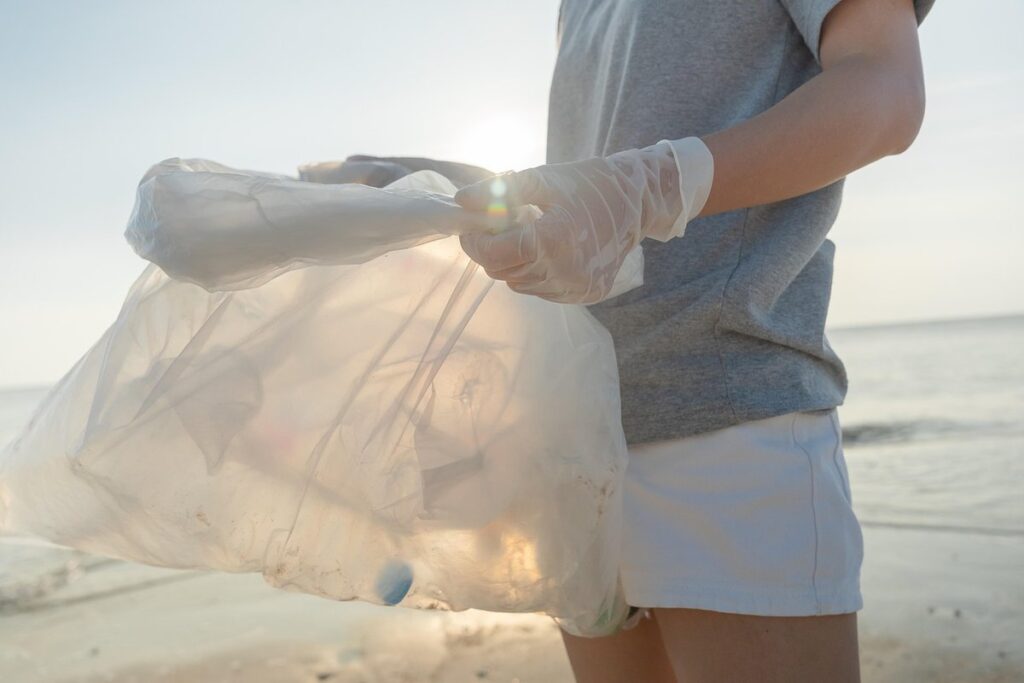
To mitigate this problem, individuals can make simple changes to reduce their use of single-use plastic bags. When out shopping, bring reusable bags and decline plastic bag offers whenever possible. Additionally, participating in local beach cleanups or joining community initiatives that address plastic pollution can help create a ripple effect and inspire others to take action against plastic waste.
Statistics on Plastic Bag Use and Disposal
In the United States alone, it’s estimated that over 100 billion plastic bags are used each year. Of these, only a small fraction are recycled. According to the Environmental Protection Agency (EPA), in 2018, just 11.6% of plastic bags and other types of plastic packaging were recycled. The majority of plastic bags end up in landfills or as litter.
In terms of recycling rates, it varies significantly by state. Some states, such as California and Oregon, have implemented policies that require a minimum percentage of plastic bags to be recycled. In these states, recycling rates are higher, with around 20-30% of plastic bags being collected for recycling.
Interestingly, the way plastic bags are disposed of can also impact their recyclability. For example, if plastic bags are mixed with other types of trash or contaminated with food waste, they may not be accepted by curbside recycling programs. This highlights the importance of proper sorting and preparation when it comes to recycling plastic bags.
Can Plastic Bags Be Recycled?
Many people wonder if plastic bags can be recycled, but it’s not that simple. Let’s take a closer look at what happens to these bags once they’re placed in your recycling bin.
Understanding Plastic Bag Recycling Processes
Plastic bags are sorted and processed through a multi-step recycling process. First, they’re collected from curbside recycling bins or deposit programs and transported to material recovery facilities (MRFs). At the MRF, plastic bags are removed from other recyclables like paper, cardboard, and glass. They’re then compressed into large bales.
These bales are sent to specialized facilities called plastic bag processors, where they’re sorted by resin type and color. This is crucial because different types of plastics have varying recycling requirements. For instance, high-density polyethylene (HDPE) bags can be recycled into new products like playground equipment or garden hoses, while low-density polyethylene (LDPE) bags are often downcycled into lower-quality materials.
Despite these processes, there are limitations to plastic bag recycling. Many curbside programs don’t accept plastic bags due to contamination concerns and the high cost of sorting them. Additionally, not all communities have access to specialized plastic bag processors or deposit programs. This can make it difficult for consumers to recycle their plastic bags effectively.
Types of Plastic Bags That Can be Recycled
Not all plastic bags are created equal when it comes to recycling. Some types of plastic bags can be recycled, but others cannot. HDPE (high-density polyethylene) bags, for example, are a type of plastic bag that is commonly accepted by many curbside recycling programs. These bags are typically used for produce and other dry goods. They have a distinctive code on the back with the letters “2” or “4,” which indicates that they can be recycled.
LDPE (low-density polyethylene) bags, on the other hand, are often used for dry cleaning and other specialty items. These bags may also be accepted by curbside recycling programs, but their recyclability can vary depending on the specific program’s guidelines. Other types of plastic bags, such as those made from PP (polypropylene), PET (polyethylene terephthalate), or PVC (polyvinyl chloride), are generally not accepted for recycling.
Before tossing your plastic bags in the recycling bin, make sure to check with your local recycling program to see which types of bags they accept. You can usually find this information on their website or by contacting them directly.
The Myth of Biodegradable Plastic Bags
Many people assume biodegradable plastic bags are a more environmentally friendly alternative, but their effectiveness is often overstated and misunderstood. Let’s examine the truth behind this claim.
What “Biodegradable” Really Means
The term “biodegradable” is often misunderstood when it comes to plastic bags. Many assume that biodegradable means a material will easily decompose in nature, but this isn’t always the case. Biodegradation refers specifically to the process by which microorganisms break down organic materials into carbon dioxide, water, and biomass.
In reality, most plastic bags are made from polyethylene or polypropylene, non-biodegradable materials that can take hundreds of years to decompose. Even if a plastic bag is labeled as biodegradable, it may still require specific conditions – such as high temperatures and controlled microbial environments – to break down efficiently. Without these conditions, biodegradable plastics can persist in the environment for just as long as their non-biodegradable counterparts.
To put this into perspective, consider that many so-called “biodegradable” plastic bags are actually made from a type of plastic called PBAT (polybutylene adipate-co-butylene terephthalate). While PBAT does biodegrade more quickly than other plastics, it still requires specific conditions to break down effectively. This highlights the importance of understanding what truly makes a material biodegradable – rather than simply relying on marketing labels or assumptions.
The Environmental Impact of Biodegradable Bags
Biodegradable bags are often touted as a more environmentally friendly alternative to traditional plastic bags. However, their production and decomposition have significant environmental consequences. To produce biodegradable bags, manufacturers require large amounts of raw materials such as cornstarch or sugarcane. These crops could otherwise be used for food, leading to increased demand on agricultural resources.
The manufacturing process also generates greenhouse gas emissions, primarily due to the use of fertilizers and pesticides in crop cultivation. Furthermore, the production process itself consumes energy, typically generated from fossil fuels and contributing to climate change. When biodegradable bags do break down, they release carbon dioxide as a byproduct of decomposition, exacerbating the problem.
In reality, biodegradable bags are often not disposed of properly, ending up in landfills where they can take years to decompose. This prolonged process allows microorganisms to produce methane, a potent greenhouse gas with a significant global warming potential. As a result, the environmental benefits of biodegradable bags are largely offset by their production and disposal impacts.
Alternatives to Plastic Bags
If you’re considering alternatives to recycling plastic bags, there are several options you can use for grocery shopping and other daily needs. From cloth bags to paper packaging, we’ll explore some popular choices.
Reusable Shopping Bags: Pros and Cons
Reusable shopping bags have gained popularity as a sustainable alternative to single-use plastic bags. One of their key advantages is durability – with proper care, they can be used hundreds of times, reducing the need for frequent replacements. However, this benefit comes at a higher upfront cost, often between $5 to $15 per bag. While some argue that reusable bags pay for themselves over time, others may find the initial investment too steep.
Another consideration is convenience. Reusable bags are often larger and bulkier than plastic bags, making them more difficult to store in small spaces or carry when traveling. Additionally, they can be prone to spills and stains if not cleaned regularly. On the other hand, reusable bags can also provide a sense of ownership and identity, as many consumers choose from a wide range of colors, patterns, and designs.
To maximize the benefits of reusable shopping bags, it’s essential to use them frequently and clean them regularly. This can be achieved by washing them in cold water after each use or airing them out if they’re made of breathable materials. By doing so, you’ll not only reduce your plastic bag usage but also extend the lifespan of your reusable bags.
Other Alternatives to Plastic Bags
In addition to reusable shopping bags, there are several other alternatives to plastic bags worth considering. Cloth bags made from durable materials like canvas or jute can be used multiple times and washed for cleaning. Paper bags, often lined with a thin layer of plastic, are another option although they have their own environmental drawbacks.
Digital receipts sent directly to your email can also reduce the need for physical packaging. Many stores now offer this service as an alternative to traditional paper receipts. This not only reduces waste but also saves you from having to dig through your wallet or purse for a receipt at tax time.
Some businesses and individuals are starting to use cardboard bags, which can be more biodegradable than plastic. However, they may require additional resources to produce and transport, so their overall environmental impact is still being evaluated.
The Role of Individuals in Reducing Plastic Bag Waste
While it’s true that companies and governments have a significant impact on plastic bag waste, individual actions also play a vital role in making a difference. Here, we’ll explore the ways you can contribute to reducing plastic bag usage.
Simple Changes to Reduce Plastic Bag Use
Making a few simple changes to your shopping habits and product choices can significantly reduce your reliance on single-use plastic bags. Start by switching to stores that offer reusable bag options or provide a discount for bringing your own bags. Some retailers even have programs where you can earn rewards points or cash back for using their reusable bags.
When grocery shopping, consider buying items in bulk, which often come with minimal packaging or are sold in biodegradable containers. You can also opt for stores that offer paper or cardboard bags instead of plastic ones. For instance, many health food stores and specialty markets use these types of bags as a standard option.
In addition to changing your shopping habits, think about the products you buy and how they impact plastic bag waste. Choose items with minimal packaging or those sold in reusable containers. For example, buying cheese or nuts in bulk can significantly reduce the number of single-use plastic bags used for packaging. By implementing these simple changes, you’ll not only reduce your plastic bag use but also contribute to a larger shift towards sustainability.
Community-Based Initiatives to Combat Plastic Bag Pollution
Successful community-led initiatives have made significant strides in reducing plastic bag waste. In San Francisco, for example, a ban on single-use plastic bags was implemented after years of grassroots activism and education campaigns. The city’s residents were educated about the impacts of plastic bag pollution through public outreach programs, school curricula, and community events.
As a result of these efforts, many local businesses began to adopt reusable bags as part of their sustainability initiatives. Some retailers even partnered with non-profit organizations to provide free or low-cost reusable bags to customers who brought in empty cans and bottles for recycling. This collaborative approach helped to shift consumer behavior and reduce plastic bag waste by 70% in the first year after the ban was implemented.
In addition to policy changes, community-based initiatives have also focused on education and awareness-raising efforts. For instance, a group of volunteers in Australia created a public art installation using discarded plastic bags, which sparked conversations about the issue and encouraged residents to take action. These types of creative approaches can be replicated in communities worldwide, demonstrating that collective action can drive meaningful change and reduce plastic bag pollution.
Conclusion: Taking Action Against Plastic Bag Waste
Now that we’ve weighed the pros and cons of recycling plastic bags, it’s time to think about what you can do in your daily life to make a real difference. Here are some actionable steps to reduce plastic bag waste.
Summary of Key Points
Recapping the main arguments made throughout this article, it’s clear that plastic bag waste is a pressing environmental issue that requires collective action to address. We’ve discussed how plastic bags contribute significantly to pollution, with staggering statistics on their use and disposal. Understanding the limitations of recycling processes and the types of plastic bags that can be recycled has also been crucial in determining the best course of action.
Moreover, debunking the myth of biodegradable plastic bags has shown that these supposedly eco-friendly alternatives have serious environmental implications. The real solution lies not in finding new ways to dispose of plastic bags, but rather in reducing our reliance on them altogether through reusable shopping bags and other alternatives. Community-based initiatives and simple changes to our daily habits can significantly contribute to this effort.
In order to combat plastic bag pollution effectively, we must recognize the importance of individual action within a broader collective movement. This means not only making conscious choices about our own consumption but also engaging with local communities and advocating for policy changes that promote sustainability. By taking these steps together, we can create a ripple effect that inspires widespread change.
Ultimately, it’s essential to remember that plastic bag waste is not an issue that can be tackled alone – it requires the collective efforts of individuals, businesses, and governments working together towards a common goal. By prioritizing reusable shopping bags and supporting initiatives that promote sustainability, we can make meaningful strides in reducing plastic bag pollution and creating a more environmentally conscious future.
Frequently Asked Questions
Can I recycle plastic bags from a specific store or brand?
You can typically recycle plastic bags from most grocery stores and retailers, but it’s essential to check with the store directly about their recycling policies. Some stores may have specific requirements for the type of plastic bag they accept, so it’s best to confirm before dropping them off at the recycling bin.
How do I know if a biodegradable plastic bag is truly environmentally friendly?
While biodegradable bags may seem like an eco-friendly option, they often require landfills or industrial composting facilities to break down properly. If not disposed of correctly, these bags can still contribute to pollution and harm the environment. Look for certifications from reputable organizations that ensure the product meets rigorous environmental standards.
What if I have a large quantity of plastic bags to recycle? Can I drop them off at multiple locations or call for pickup?
Yes, many communities offer special collection programs for bulk plastic bag recycling. You can contact your local waste management agency or visit their website to find out about available options in your area. Some stores also offer plastic bag recycling bins where you can deposit your bags.
Can I recycle plastic bags if they’re heavily soiled or contaminated with food residue?
Unfortunately, soiled or contaminated plastic bags cannot be recycled through typical curbside collection programs. However, some communities have specialized facilities that accept these types of materials for proper processing and disposal. Check with local waste management agencies to see if such services are available in your area.
How long does it take for biodegradable plastic bags to decompose, and what happens during this process?
Biodegradable plastic bags typically require 1-3 years to decompose under optimal conditions, depending on factors like temperature, moisture, and microorganism activity. During decomposition, the bag breaks down into smaller components that can be reused as nutrients for plants or even become part of the soil’s organic matter.

