
Every year, millions of tons of plastic waste enter our oceans, harming marine life and contaminating the water we drink. The impact is staggering: plastic pollution affects not only sea creatures but also human health, as chemicals from plastics are ingested through the food chain. You might be surprised to learn that a significant portion of this waste comes from everyday items like bags, bottles, and straws, often thoughtlessly discarded on land or directly into the ocean. The consequences are far-reaching: from entangled sea turtles to toxic algal blooms, plastic pollution is one of the most pressing environmental issues of our time. In this article, we’ll explore the causes and effects of ocean pollution with plastic, as well as practical solutions for reducing waste and protecting marine life – by the end of it, you’ll know what individual actions can make a real difference in addressing this issue.
Understanding the Problem
Plastic pollution is a complex issue, but first we need to understand its underlying causes. Let’s take a closer look at how human activities contribute to ocean plastic pollution.
What is Ocean Pollution?
Ocean pollution is a complex issue that encompasses various types of pollutants, including plastic waste. Plastic pollution is a significant contributor to ocean pollution, with an estimated 8 million tons of plastic waste entering the world’s oceans each year. This pollution can come from various sources, such as landfills, agricultural runoff, and sewage systems.
The consequences of plastic pollution in the ocean are far-reaching. When plastic waste enters the ocean, it can break down into microplastics, which are then consumed by marine life. Microplastics have been found in over 90% of table salt samples worldwide, highlighting the extent to which plastic pollution has contaminated our food supply.
The breakdown of plastic in the ocean is a multi-step process that involves exposure to sunlight, oxygen, and water. As plastic breaks down, it releases chemicals such as BPA and PCBs, which can be toxic to marine life. Furthermore, large pieces of plastic debris can also harm marine animals through entanglement or ingestion.
In addition to these direct impacts, ocean pollution also has broader consequences for human health and the economy.
The Impact of Plastic on Marine Life
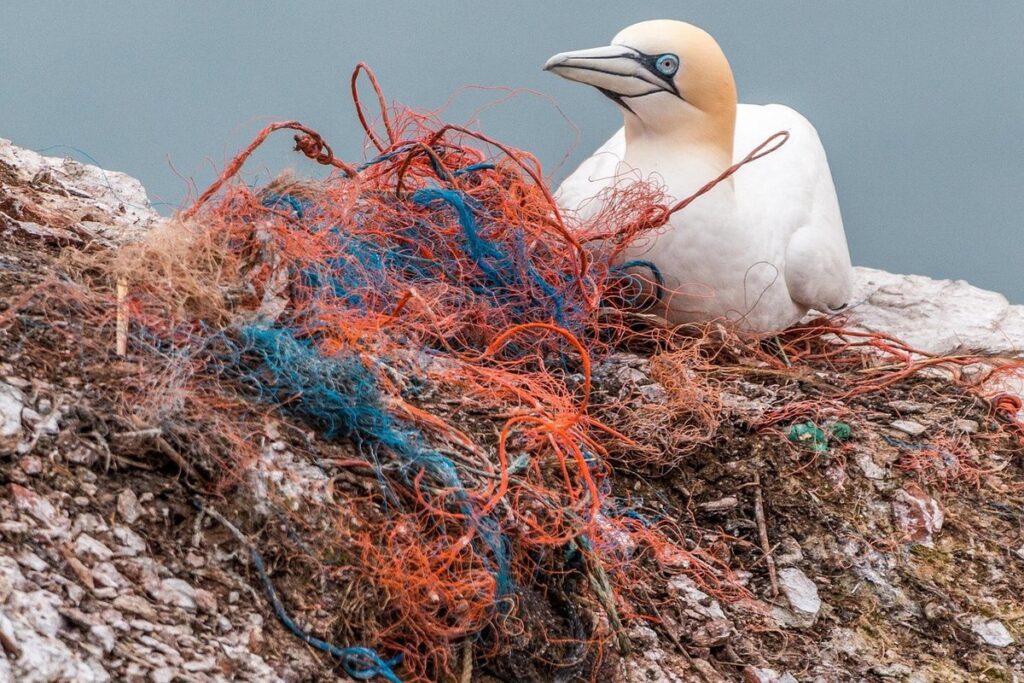
Plastic pollution has a devastating impact on marine life, affecting entire ecosystems and causing irreparable harm. Entanglement is one of the most common issues, where marine animals like sea turtles, dolphins, and whales become trapped in discarded plastic debris such as six-pack rings, fishing nets, and other waste. This can cause severe injuries, drowning, or even death.
Ingestion is another critical problem, with many species consuming plastic debris, mistaking it for food. Plastic bags, straws, and microbeads are particularly hazardous, causing blockages, nutrient deficiencies, and even death. The consequences of ingestion are far-reaching, affecting marine life at every trophic level.
Habitat destruction is also a significant concern, as large amounts of plastic waste accumulate in ocean ecosystems, altering habitats and disrupting delicate balances. For example, plastic debris can clog coral reefs, destroying the homes of countless species that depend on them for survival.
The statistics are staggering: it’s estimated that over 800 marine animals die each year from entanglement or ingestion of plastic waste. To put this into perspective, consider the following numbers:
• Over 100,000 marine animals are killed by plastic pollution every year.
• Sea turtles alone ingest up to 50,000 plastic bags annually.
• Plastics can persist in ocean ecosystems for hundreds of years, causing long-term damage.
By understanding the impact of plastic on marine life, we can begin to address this pressing issue and work towards a more sustainable future.
Sources of Plastic Pollution
Plastic pollution is a widespread problem, and understanding its sources is crucial to tackling it effectively. Let’s take a closer look at some of the most significant contributors to ocean plastic pollution.
Single-Use Plastics: A Major Contributor
Single-use plastics are a major contributor to ocean pollution, responsible for an estimated 40% of marine debris. These items can range from plastic bags and straws to water bottles and microbeads found in personal care products. Companies like Starbucks have phased out single-use straws, replacing them with paper or metal alternatives. Similarly, cities like San Francisco have banned the use of plastic bags, encouraging customers to bring reusable bags instead.
The impact of single-use plastics is not limited to their physical presence in the ocean. Microplastics from these items can break down into smaller particles that are ingested by marine life, potentially harming entire ecosystems. In fact, a study found that over 90% of seabirds have plastic in their stomachs. By reducing our reliance on single-use plastics, we can significantly decrease the amount of waste that ends up in the ocean.
Some simple changes to our daily habits can make a big difference. For example, carrying a reusable water bottle and shopping bag can help eliminate plastic waste. Additionally, choosing products with biodegradable or recyclable packaging can also contribute to a reduction in single-use plastics.
Microplastics in Personal Care Products
Microplastics from personal care products have become a significant contributor to ocean pollution. Many everyday items, such as face washes and exfoliating scrubs, contain tiny plastic particles called microbeads. These microbeads are too small to be filtered out by wastewater treatment plants and often end up in rivers and oceans.
When they reach the ocean, these microplastics can be ingested by marine life, causing harm and even death. Some personal care products also contain polyethylene or polypropylene fibers from polyester clothing or nylon brushes used for makeup removal. These fibers can break down into smaller pieces, further increasing the amount of plastic waste in the ocean.
To reduce this problem, consumers have several alternatives available. Switching to microbead-free face washes and exfoliating scrubs made with natural ingredients like sugar or salt is a good starting point. Some companies also offer products containing alternative exfoliants, such as jojoba beads or apricot kernel shells. When shopping for personal care products, look for certifications like the “Microbead-Free” label or choose items from brands that have pledged to eliminate microplastics from their products.
Effects of Plastic Pollution on Humans
Research has shown that exposure to plastic pollutants can have serious health consequences, including increased risk of cancer and reproductive issues. We’ll examine these potential effects in more detail here.
Human Consumption of Plastic-Contaminated Seafood
When you eat seafood contaminated with plastic pollutants, you’re not just consuming a meal – you’re also taking in tiny pieces of plastic. These microplastics can come from a variety of sources, including ocean pollution and food packaging. Research has shown that people who consume high amounts of seafood are more likely to have higher levels of microplastics in their bodies.
The risks associated with eating plastic-contaminated seafood are two-fold. First, the chemicals used to make plastics can leach into the water and accumulate in fish and other sea creatures. These chemicals can be toxic to humans if ingested, causing a range of health problems from digestive issues to cancer. Second, microplastics can cause physical harm by getting stuck in the body’s tissues or organs.
Some studies have found that people who eat a lot of seafood are more likely to have high levels of microplastics in their blood and tissues. This is particularly concerning for pregnant women, as it could potentially affect fetal development. To minimize your exposure to plastic-contaminated seafood, choose wild-caught fish from reputable sources and avoid eating shellfish or other types of seafood that may be more prone to contamination.
The Economic Impact of Ocean Pollution
The economic costs of ocean pollution are far-reaching and devastating. Damage to fishing industries is a significant concern, as plastic debris entangles and kills fish, damaging marine ecosystems and depleting fish populations. This not only affects the livelihoods of fishermen but also has a ripple effect on the entire food chain. A study by the Ocean Conservancy found that if nothing changes, there could be more plastic than fish in the ocean by 2050.
Tourism is another industry heavily impacted by ocean pollution. Plastic waste on beaches and in coastal areas can drive away tourists, resulting in significant economic losses for local communities. In Hawaii, for example, beach cleanups have become a regular occurrence, with volunteers working to remove tons of plastic debris from shorelines. The economic impact is also seen in the form of lost revenue from fishing and tourism industries, which can be substantial.
In addition to these costs, coastal communities are also affected by ocean pollution. The presence of plastic waste can lead to decreased property values, making it more difficult for residents to sell their homes. Furthermore, the health risks associated with living near polluted coastlines can also have a negative impact on local economies.
Solutions and Strategies for Reduction
Now that we’ve explored the causes and effects of ocean pollution, it’s time to focus on what can be done to mitigate its impact. We’ll share practical solutions and effective strategies for reducing plastic waste in our oceans.
Government Policies and Regulations
Government policies and regulations play a crucial role in reducing plastic waste and mitigating ocean pollution. Extended producer responsibility (EPR) is a key strategy implemented by governments worldwide. This approach requires manufacturers to take back and recycle their products at the end of their life cycle, making them financially responsible for the waste generated by their products.
Countries like France, Italy, and Spain have successfully implemented bans on single-use plastics, such as plastic bags, straws, and water bottles. For instance, in 2019, France banned single-use plastic cups, cutlery, and plates, with a fine of up to €1,500 for non-compliance.
Some notable policies include the EU’s Circular Economy Package, which aims to increase recycling rates and reduce landfill waste by 2030. The United States has also taken steps, such as the Break Free From Plastic Act introduced in Congress, aiming to ban single-use plastics and hold manufacturers accountable for plastic waste.
Examples of successful policy implementation can serve as models for other countries and regions. For instance, Iceland’s ambitious plan to eliminate single-use plastics by 2023 demonstrates a commitment to comprehensive change.
Individual Actions: Making a Difference
Individual actions can significantly contribute to reducing plastic pollution. Recycling is a crucial step, but it’s equally important to minimize the need for recycling by adopting habits like reusing bags, containers, and water bottles. Refusing single-use plastics altogether is another effective approach.
When shopping, opt for items with minimal or biodegradable packaging. For instance, choose products sold in bulk or those packaged in recyclable materials. Some stores now offer reusable containers for bulk purchases, which can be filled and refilled as needed.
Another simple yet impactful change is reducing consumption of single-use plastics like straws, cutlery, and bags. Instead, use stainless steel or glass alternatives for drinking on-the-go. Many cities have banned single-use plastics, so familiarize yourself with local regulations to stay informed.
To further reduce plastic usage in daily life, consider implementing the following:
• Avoid microbeads in personal care products by choosing brands that use natural exfoliants.
• Use a refillable coffee cup and avoid disposable cups and lids.
• Support businesses that adopt sustainable practices and refuse single-use plastics.
Innovations and Technologies for Plastic Reduction
New technologies and innovative solutions are emerging that can help mitigate plastic pollution, from biodegradable materials to advanced recycling methods. We’ll take a closer look at some of these promising developments.
Biodegradable Plastics and Alternatives
Biodegradable plastics are designed to decompose naturally, breaking down into harmless components that don’t harm the environment. These alternatives aim to replace traditional plastics, which can take hundreds of years to decompose. One promising material is seaweed-based packaging, which uses seaweed as a biodegradable and compostable substitute for plastic film.
Seaweed-based packaging has been used in various applications, including food wrapping and shopping bags. This innovative material offers several benefits: it’s non-toxic, compostable, and can be sourced locally, reducing reliance on fossil fuels. However, large-scale production is still limited due to high costs and scalability challenges.
Other alternatives include PLA (polylactic acid), a bioplastic derived from corn starch or sugarcane, and PBAT (polybutylene adipate-co-butylene terephthalate), a biodegradable plastic that can be composted at home. While these materials show promise, it’s essential to note that their production processes must also be environmentally friendly and sustainable.
To accelerate the adoption of biodegradable plastics, governments and companies are investing in research and development. For example, some countries have implemented policies requiring businesses to use biodegradable packaging by a certain date. As consumers become more aware of plastic pollution, demand for eco-friendly alternatives is increasing, driving innovation and growth in this sector.
Cleanup Initiatives and Beach Cleanups
Community-led cleanup initiatives and beach cleanups are crucial for reducing plastic waste and raising awareness about ocean pollution. These events not only physically remove trash from our coastlines but also inspire individuals to take action against single-use plastics. For instance, the annual Coastal Cleanup Day organized by the Ocean Conservancy has led to the removal of over 25 million pounds of trash worldwide since its inception.
Local organizations and volunteers often partner with government agencies to organize beach cleanups, which not only collect plastic waste but also educate participants about the impact of plastic pollution on marine life. Some communities have even implemented long-term cleanup efforts, such as Adopt-a-Beach programs, where a specific stretch of coastline is assigned to a group or individual for regular maintenance.
When participating in a beach cleanup, it’s essential to focus on collecting data on the types and quantities of trash collected. This information can be used to inform policymakers and advocate for waste management infrastructure improvements. Additionally, many organizations offer opportunities for volunteers to get involved in post-cleanups, such as helping to sort and recycle collected materials or participating in advocacy campaigns.
Conclusion: A Call to Action
As we conclude our exploration of ocean pollution caused by plastic, it’s clear that the consequences are dire and far-reaching. Not only do plastic pollutants harm marine life, but they also contaminate the food chain and ultimately affect human health. So what can be done? For starters, individuals can make a significant impact by reducing their use of single-use plastics such as straws, bags, and water bottles. Simple changes like these can collectively add up to a substantial reduction in plastic waste.
Businesses and governments must also take responsibility for addressing this issue. Implementing policies that restrict or ban certain types of plastic products, increasing recycling rates, and investing in clean-up initiatives are all crucial steps towards mitigating the problem. Ultimately, it’s time for us to recognize the gravity of ocean pollution caused by plastic and work together to prevent further damage.
Frequently Asked Questions
How Can I Make Sure My Community-Led Cleanup Initiative is Effective?
Make sure to set clear goals and objectives for your cleanup initiative, and establish partnerships with local organizations and businesses. Also, consider working with a local government agency or non-profit organization to help coordinate efforts and maximize impact.
What If I Live in an Area Where Recycling Facilities Are Limited or Non-Existent? Can I Still Make a Difference?
Yes, even without access to traditional recycling facilities, you can still make a difference by participating in community-led cleanup initiatives or organizing local beach cleanups. You can also advocate for better waste management infrastructure and policies in your area.
How Can I Talk About Ocean Pollution with Family Members Who Don’t Seem Interested in the Issue?
Start by sharing personal stories and experiences related to ocean pollution, such as a recent visit to a polluted beach. Emphasize how individual actions, like reducing plastic use or participating in cleanups, can have a positive impact on marine life and local communities.
What Are Some Common Mistakes People Make When Trying to Reduce Plastic Waste at Home?
One common mistake is not fully understanding the recycling process and what types of plastics are accepted. Another mistake is relying too heavily on single-use alternatives that may still contribute to plastic pollution, such as reusable bags made from synthetic materials. Be sure to do your research and choose products made from sustainable, biodegradable materials whenever possible.
Can I Use Alternative Cleaning Products That Are Free From Microbeads, But Still Contain Other Harsh Chemicals? Or Should I Opt for Biodegradable Options Instead?
No, even if a cleaning product is labeled as “microbead-free,” it may still contain other harsh chemicals that can harm marine life and the environment. Opting for biodegradable options made from natural ingredients, such as plant-based soaps or essential oils, is generally the best choice for reducing plastic pollution in personal care products.

