
Chewing gum has been a staple in many people’s daily routines for decades, but have you ever stopped to think about its composition? Specifically, is chewing gum considered plastic? The answer might surprise you. You see, the term “plastic” often conjures up images of synthetic materials like polyethylene and polypropylene, but it can also refer to a broader category of semi-synthetic or natural polymers. Chewing gum, on the other hand, is typically made from a mixture of rubber, resins, fats, and waxes, which may raise questions about its classification as a plastic material. But what does this mean for our environment and consumer perceptions? In this article, we’ll explore the surprising truth behind chewing gum’s composition and its impact on the planet, shedding light on whether it indeed meets the definition of plastic. By the end of this article, you’ll have a better understanding of the complex relationship between chewing gum, plastics, and sustainability.
The Basics: What’s in Chewing Gum?
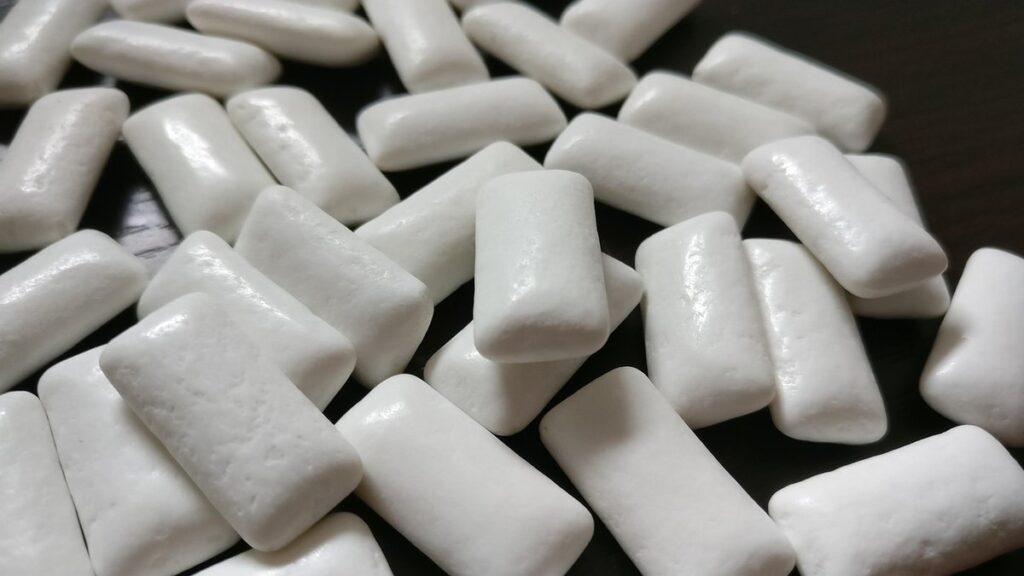
Chewing gum is a common habit, but have you ever stopped to think about what’s actually in that sticky piece of gum? Let’s take a look at the basic ingredients.
Composition of Modern Chewing Gum
Modern chewing gum is a complex mixture of various ingredients, each playing a crucial role in its texture and flavor. At its core lies the gum base, typically made from elastomers such as synthetic rubber or natural latex. This flexible component provides the chewy texture that consumers associate with gum. Alongside the gum base are resins, usually derived from plants like pine or spruce trees, which contribute to the gum’s adhesive properties.
Fats and waxes, often sourced from petroleum products, also comprise a significant portion of modern chewing gum. These components help to create a smooth mouthfeel and facilitate the release of flavors. Other additives include coloring agents, sweeteners, and flavorings, although their quantities vary depending on the manufacturer and intended product.
The exact formulation of commercial gum can differ significantly between brands, with some opting for more natural ingredients while others rely on synthetic alternatives. Despite these variations, most modern chewing gums contain a blend of these key components. Understanding their roles can help consumers better appreciate the complexity of this everyday product, as well as raise questions about its environmental impact and potential classification as plastic.
Historical Perspective: Traditional Gum Bases
Chicle, a natural latex sap harvested from the sapodilla tree, was one of the earliest and most popular gum bases used by indigenous peoples in Mesoamerica. This sticky substance was chewed for its medicinal properties and as a form of entertainment. The ancient Mayans and Aztecs prized chicle for its ability to freshen breath and stimulate saliva production.
In the late 19th century, American entrepreneurs began importing chicle from Mexico to manufacture chewing gum. Chicle-based gums were initially marketed as a natural alternative to traditional candies. However, with the introduction of synthetic rubber in the early 20th century, manufacturers started to replace chicle with more cost-effective and durable materials.
Traditional gum bases also included other plant-based polymers like gum arabic, derived from the acacia tree. These natural materials were valued for their unique properties: they could be molded into various shapes, held their texture over time, and didn’t melt at room temperature. Modern gum base, a blend of elastomers, resins, fats, and waxes, has largely supplanted these traditional gum bases. Understanding the historical context behind these early materials helps us appreciate the evolution of chewing gum composition and its ongoing impact on consumer expectations and environmental concerns.
Is Chewing Gum Plastic in the Classical Sense?
So, is chewing gum plastic if we consider its composition and structure? Let’s break down what makes up a typical piece of gum.
Defining Plastics and Polymers
Plastics are typically defined as synthetic materials created from organic compounds and processed into various forms, such as films, fibers, and foams. These materials are often produced through chemical reactions that combine carbon-based molecules with other elements like oxygen, nitrogen, or sulfur. The resulting plastics can exhibit a range of properties, including flexibility, durability, and resistance to heat.
Polymers, on the other hand, refer specifically to long-chain molecules composed of repeating units called monomers. Polymers are the building blocks of most plastics, as they can be tailored to possess unique properties depending on their molecular structure. Examples include polyethylene (a common plastic used in packaging) and nylon (used in clothing and textiles).
It’s essential to note that not all polymers are plastics, but nearly all plastics are polymers. This distinction is crucial when considering the classification of chewing gum as a plastic material. By understanding what constitutes a plastic and how it differs from other materials, we can begin to assess whether chewing gum meets the criteria for being considered a plastic.
Properties of Modern Chewing Gum Bases
Modern chewing gum bases are often synthetic polymers, which exhibit distinct physical and chemical properties. One key characteristic is their molecular structure, typically composed of long chains of repeating units. This configuration imparts durability to the gum base, allowing it to withstand mechanical stress without deforming or breaking down.
Some common synthetic gum bases include polyvinyl acetate (PVA) and polyethylene vinyl acetate (EVA). These materials demonstrate notable resistance to heat, chemicals, and abrasion. For instance, PVA can maintain its shape at temperatures up to 200°F (93°C), while EVA exhibits excellent flexibility and elasticity.
The chemical stability of modern gum bases is also noteworthy. They resist degradation from environmental factors such as UV radiation and moisture. This property enables them to retain their physical integrity even when exposed to extreme conditions, ensuring the chewing gum retains its texture and structure over time.
These attributes contribute significantly to the overall performance and shelf life of commercial chewing gums. Manufacturers can rely on these synthetic materials to produce products with consistent quality and durability, meeting consumer expectations for a long-lasting and enjoyable chewing experience.
The Plastic Debate: Is Chewing Gum Synthetic?
Chewing gum is often associated with plastic, but what exactly makes it so? We’ll examine the synthetic ingredients that give some gums their unique properties and textures.
Types of Synthetic Materials Used in Chewing Gum
Chewing gum manufacturers use a variety of synthetic materials to create their products. One common material is polyisobutylene (PIB), a flexible polymer derived from butadiene and isobutylene. PIB’s elastic properties make it an ideal ingredient for gums that require stretchiness, such as bubble gum. Polyvinyl acetate (PVA) is another widely used synthetic material in chewing gum production. PVA acts as a binder, holding the gum’s ingredients together and providing a smooth texture.
Polyethylene is also often incorporated into chewing gum formulations. This petroleum-based plastic polymer adds durability and resistance to wear. Some manufacturers combine these materials with natural waxes or resins to create a more stable and longer-lasting product. The use of synthetic materials in chewing gum production allows for consistent quality and shelf life, but it also raises concerns about the environmental impact of these materials. When shopping for eco-friendly options, look for brands that explicitly state their use of biodegradable or plant-based ingredients.
Comparison with Traditional Plastics
Chewing gum’s synthetic components share some characteristics with traditional plastics. For example, polyvinyl acetate (PVA) and gum arabic, commonly found in sugar-free gum bases, exhibit similar properties to PVC when it comes to durability and flexibility. They can be molded into various shapes and forms without breaking down, much like how polypropylene is used in packaging materials.
However, there are key differences between chewing gum’s synthetic components and traditional plastics. Unlike polyethylene or polystyrene, which are often used as single-use items due to their low melting points, chewing gum bases are designed to be chewed and eventually swallowed. This process breaks down the polymer chains, rendering them less comparable to traditional plastics.
Some similarities can also be seen in terms of chemical composition. Many synthetic materials used in chewing gum, such as elastomers like polyisobutylene or styrene-butadiene rubber, have similar molecular structures to those found in certain types of PVC. These similarities highlight the intricate relationships between various polymers and their respective uses in different applications.
Impact on the Environment: Chewing Gum as a Plastic Material?
As we examine the surprising truth behind chewing gum’s composition, let’s consider how its plastic properties might be affecting our planet. We’ll investigate the environmental implications of this common habit.
Microplastic Controversy Surrounding Chewing Gum
Chewing gum’s microplastic controversy stems from its ability to release tiny particles during consumption. These fragments can range from a few micrometers to several millimeters in size and are often made of synthetic materials like polyvinyl acetate (PVA) or elastomers. When you chew gum, these small particles can break off into your mouth and potentially swallow them. The concern is that ingested microplastics may not be fully digested by the body and could instead pass through to the environment via wastewater.
The potential impact on marine ecosystems is a significant worry. Microplastics have been found in various water sources, including drinking water and wastewater treatment plants. If ingested by aquatic organisms, these tiny plastics can cause physical harm, block digestive tracts, or even leach chemicals into the food chain. Research suggests that microplastic contamination in seawater is widespread, with a recent study detecting PVA particles in 80% of tested samples.
To mitigate this issue, some manufacturers are exploring alternative gum bases made from natural materials, such as plant-based biopolymers or chicle. However, more research is needed to understand the effects of these alternatives on human health and the environment.
Biodegradability and Compostability of Chewing Gum Materials
Chewing gum manufacturers have started to introduce biodegradable and compostable alternatives to traditional gum bases. These new ingredients are made from natural materials like cornstarch, sugarcane, or potato starch, which can easily decompose. Gum base companies such as Glee and BASF offer plant-based alternatives that meet the standards for biodegradability.
Some examples of biodegradable chewing gums include those sweetened with xylitol, which is derived from birch trees or corn cobs. These ingredients break down quickly in composting facilities, reducing waste and the environmental impact of traditional gum bases. However, it’s essential to note that not all biodegradable materials are created equal. Some may require specific conditions to decompose, such as high temperatures or controlled environments.
For consumers looking for more sustainable options, look for certifications like Compostable or Biodegradable Products Institute (BPI). These labels ensure that the product meets rigorous standards for decomposition and can be safely composted at home. When shopping for biodegradable chewing gum, check the ingredient list for plant-based materials and opt for products with these certifications to minimize your environmental footprint.
Public Perception: What Do Consumers Think?
Consumers have strong opinions about chewing gum, but do they know what’s really inside that piece of gum they’re chomping on daily. Let’s take a closer look at what people think.
Survey or Poll Results on Consumer Awareness
Consumer awareness about the plastic content in chewing gum is a complex issue. Surveys and polls have shed light on the public’s understanding of this topic, revealing both misconceptions and areas of concern. A study conducted by YouGov found that 61% of Americans believe chewing gum contains some form of plastic, while only 21% are certain it does. This discrepancy highlights the need for clear labeling and education.
Another survey discovered that most consumers associate synthetic materials with traditional plastics like polyethylene or polypropylene, rather than recognizing the specific types of polymers used in modern gum bases. When asked about their concerns regarding chewing gum’s environmental impact, respondents cited littering and microplastics as top worries. However, few recognized the presence of biodegradable materials in some gum products.
A key takeaway from these surveys is that consumers are often unaware of the nuances involved in chewing gum composition. Clear labeling and marketing strategies can help address this knowledge gap. For example, companies could highlight the use of bioplastics or natural polymers to reassure consumers about the eco-friendliness of their products.
Marketing Strategies and Labeling Practices
Manufacturers of chewing gum employ various marketing strategies to present their products in a favorable light. One key aspect is labeling and disclosing ingredients, which can be a complex process due to regulatory requirements. In the United States, for example, the Federal Trade Commission (FTC) governs advertising claims, while the Food and Drug Administration (FDA) oversees ingredient labeling.
A closer look at advertising campaigns reveals that some manufacturers emphasize the natural or organic aspects of their products, even if they contain synthetic ingredients. This can be misleading to consumers who are seeking genuinely plastic-free options. Other companies downplay the presence of plastics in their gum bases by using vague terms like “synthetic rubber” or “plastic-like materials.”
To navigate these marketing strategies effectively, consumers should carefully read labels and look for certifications from reputable third-party organizations. Some manufacturers also voluntarily disclose more information about their products online or through social media channels. By being informed and critical of labeling practices, consumers can make more educated choices when it comes to choosing chewing gum that aligns with their values.
The Future of Chewing Gum: Trends Towards Sustainability?
As we explore the surprising truth behind chewing gum’s plastic connections, let’s take a closer look at the industry’s shift towards more eco-friendly practices and innovative sustainable products.
Shifts in Consumer Preferences and Expectations
Consumer preferences are shifting towards more sustainable options, and manufacturers are taking notice. Many consumers now actively seek out products with reduced environmental impact, driving demand for eco-friendly alternatives to traditional chewing gum bases. This trend is fueled by growing concerns about plastic waste, microplastics, and the role of single-use plastics in contributing to these issues.
As a result, some companies have begun to innovate around biodegradable gum bases or plant-based alternatives. For instance, some manufacturers are using natural gums like chicle, which is derived from the sapodilla tree, as a sustainable alternative to traditional synthetic materials. Others are exploring the use of cornstarch, sugarcane, or potato starch-based gum bases.
To cater to these changing expectations, companies can consider adopting more transparent labeling practices and clear sustainability claims on packaging. This not only helps consumers make informed choices but also provides an opportunity for manufacturers to differentiate themselves in a crowded market. By embracing sustainable materials and production methods, the chewing gum industry can better align with consumer values and reduce its environmental footprint.
Regulatory Efforts and Industry Initiatives for Change
Several governments have initiated regulations to minimize plastic waste from chewing gum. For instance, some cities have banned non-biodegradable gum in public spaces due to concerns over litter and environmental harm. In response to growing consumer pressure, the European Union has proposed a ban on traditional plastics used in chewing gum by 2025.
Industry-led initiatives are also underway to address the issue. Many companies are exploring bioplastic alternatives made from plant-based materials like corn starch or sugarcane. These alternatives have shown promise in reducing greenhouse gas emissions and minimizing waste. Some manufacturers have started developing recycling programs for used chewing gum, which can be transformed into new products.
Regulatory agencies and industry stakeholders are collaborating to establish a standardized system for labeling and tracking the biodegradability of chewing gum products. This will enable consumers to make more informed choices about the environmental impact of their purchases. Additionally, some companies are adopting “closed-loop” systems where used gum is collected, processed, and reused in production, reducing waste and promoting sustainability.
Frequently Asked Questions
What can I use as a biodegradable alternative to traditional gum base in my DIY chewing gum recipe?
You can experiment with natural ingredients like chicle, beeswax, or plant-based waxes. These alternatives may require some trial and error to achieve the desired texture and consistency. Consider researching recipes that incorporate these ingredients to find a suitable substitute for your needs.
How do I know if a particular brand of chewing gum is biodegradable or compostable?
Check the product label or manufacturer’s website for information on their eco-friendly claims. Look for certifications like Compostable or Biodegradable Products Institute (BPI) certification, which ensure that the product meets specific standards for biodegradability and compostability.
Can I recycle chewing gum packaging, and what types of materials are commonly used in gum packaging?
Yes, many manufacturers are now using recyclable materials for their gum packaging. Common types of materials include polypropylene (PP), polyethylene terephthalate (PET), or paper-based containers. Check with your local recycling program to see if they accept these materials.
What are some common mistakes people make when trying to switch to a more sustainable chewing gum option?
People often overlook the impact of their daily habits, assuming that switching to a more eco-friendly product is enough. However, it’s essential to consider the entire supply chain and life cycle of the product, from production to disposal. Be mindful of your consumption patterns and explore ways to reduce waste in other areas as well.
Can I make my own chewing gum at home using natural ingredients, or are there any specific safety precautions I should be aware of?
Yes, making your own chewing gum can be a fun and creative project. However, ensure that you use safe and edible ingredients, avoiding anything that could cause harm or allergic reactions. Research recipes carefully and follow proper food handling and storage guidelines to avoid contamination.

