
Plastic pollution has become an unspoken crisis that affects not just our oceans, but also human health and the economy. You may be aware of the problem, but do you know the true extent of its devastating impact? Marine life is suffocating under a tide of plastic waste, from tiny fish to massive whales, while humans are unknowingly ingesting microplastics through their food and water. The consequences for our planet’s ecosystems and economies are dire, with plastic pollution estimated to cost over $13 billion annually.
As you’ll see in this article, the statistics on plastic pollution are staggering. From the millions of tons of plastic waste dumped into our oceans every year to the alarming rise in human exposure to microplastics, we’re about to uncover some shocking facts that will leave you wondering how much more we can take. By the end of this article, you’ll know the truth about plastic pollution and what you can do today to make a difference.
Understanding the Problem
Plastic pollution is a complex issue, but understanding its root causes is key to finding effective solutions. Let’s break down the fundamental problems driving this environmental crisis.
What is Plastic Pollution?
Plastic pollution is a complex issue that encompasses not just litter but also the presence of plastic particles in our environment. It’s often the result of human activities such as manufacturing, consumption, and waste disposal. When plastics aren’t disposed of properly, they can end up in oceans, rivers, and landfills. Here, they can break down into microplastics that contaminate soil, water, and air.
The effects of plastic pollution on the environment are multifaceted. For instance, large items like bottles and bags can cause harm to marine life through entanglement or suffocation. Smaller particles like microbeads in face wash can be ingested by tiny creatures, which are then eaten by larger fish. These plastics accumulate in the food chain, ultimately reaching human plates.
The causes of plastic pollution include single-use products, packaging waste, and inadequate recycling infrastructure. To mitigate this issue, individuals can make conscious choices about their purchasing habits, choose reusable items, and support organizations working towards reducing plastic waste.
Types of Plastic Pollution
Plastic pollution comes in various forms, each with its own set of concerns. Microplastics are tiny plastic particles smaller than 5 millimeters, often found in exfoliating face washes and cosmetics. They can slip through water treatment systems and end up in oceans, where they’re ingested by marine life. Macroplastics, on the other hand, refer to larger plastic items like bottles, bags, and straws that litter beaches and ocean floors.
Bioplastics are a relatively new type of plastic made from renewable resources like corn starch or sugarcane. However, their production process often relies on fossil fuels, and they can still contribute to microplastic pollution if not disposed of properly. Another lesser-known type is nanoplastics, which are even smaller than microplastics but just as potentially hazardous.
Not all plastics are created equal in terms of impact. For example, plastic bags take hundreds of years to decompose, while some bioplastics can break down within weeks. Understanding these different types of plastic pollution can help you make more informed choices about your own plastic use and encourage others to do the same.
The Scale of Plastic Pollution
Plastic pollution has reached staggering proportions worldwide. According to a recent report, over 8 million tons of plastic waste enter our oceans every year, harming marine life and contaminating the food chain. To put that number into perspective, if we were to stop all plastic production today, it would take around 500 years for the Great Pacific Garbage Patch to fully decompose.
On land, the situation is equally alarming. Plastic pollution has contaminated soil, waterways, and wildlife habitats globally. In the United States alone, over 35 million tons of plastic waste are dumped into landfills each year. The average American uses around 700 pounds of plastic per year, with a significant portion ending up in oceans and waterways.
Human consumption is also a major contributor to plastic pollution. Single-use plastics, such as bags, bottles, and straws, make up a significant portion of this waste. Reducing individual plastic usage can have a substantial impact: if every American replaced just one bottle of water with a reusable container each day, it would prevent over 1 billion pounds of plastic from entering the environment annually.
Impact on Marine Life
Plastic pollution is having a devastating impact on marine life, from entanglement and suffocation to toxic ingestion and habitat destruction. Let’s take a closer look at the ways in which plastic pollution is harming our ocean’s precious creatures.
Entanglement and Suffocation
Marine animals can become entangled in plastic debris such as six-pack rings, fishing nets, and abandoned lines. These entanglements can cause physical harm, leading to injuries like lacerations and amputations. For example, sea turtles have been found with plastic rings wrapped around their necks, while fish have gotten tangled in discarded fishing gear.
Suffocation also occurs when marine animals ingest or get trapped under plastic debris. Microbeads and other small plastics can be ingested by tiny organisms like zooplankton, which are then eaten by larger animals. This process is often referred to as the “filter feeder effect.” In addition, large pieces of plastic can block the airways of animals, causing them to suffocate.
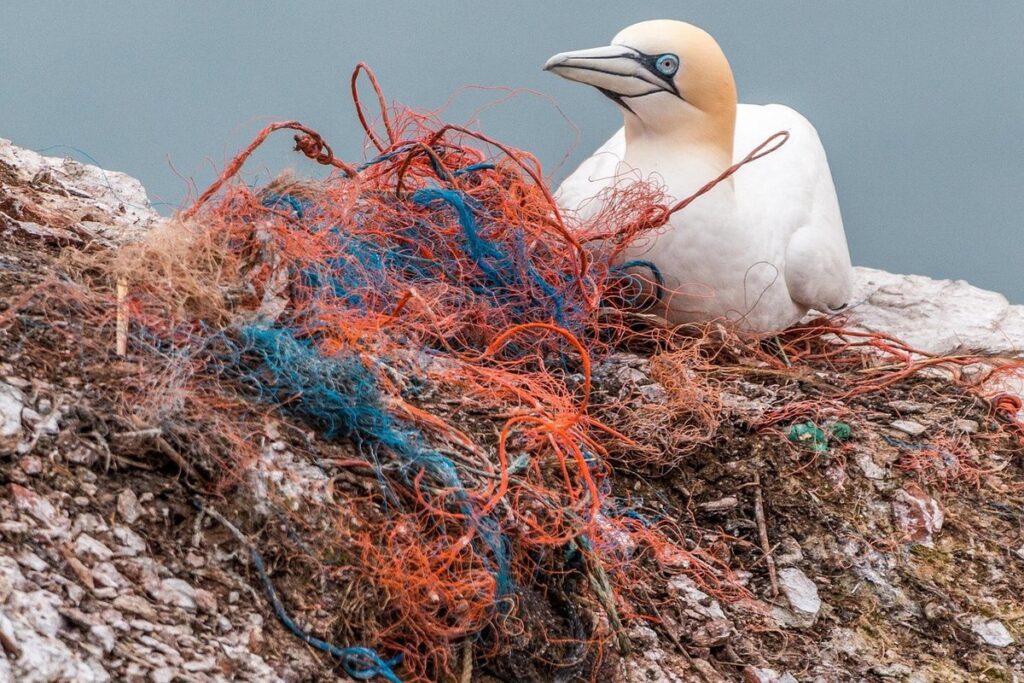
The Northern Gannet, a seabird species, has been particularly affected by entanglement and suffocation. These birds have been found with plastic debris lodged in their digestive tracts, causing blockages that lead to starvation and death. The impact of plastic pollution on marine life is multifaceted, and understanding these effects can inform efforts to mitigate the problem.
Ingestion of Plastic
Marine animals ingest plastic debris through various means, including mistaking it for food. For example, sea turtles have been known to eat jellyfish-like plastic bags, which can cause blockages and nutrient deficiencies. In some cases, the plastic can even be ingested by smaller prey fish, which are then eaten by larger predators, leading to a buildup of toxic substances in the food chain.
When plastic debris enters an animal’s digestive system, it can cause physical harm, including blockages, punctures, and inflammation. Nutrient deficiencies can also occur if the plastic absorbs essential vitamins and minerals, leaving the animal malnourished. In severe cases, ingestion of large amounts of plastic can lead to death.
The effects of plastic ingestion are not limited to individual animals; they can also have a ripple effect on entire ecosystems. For instance, studies have shown that microplastics can be transferred from mother to offspring through trophic levels, meaning the toxic substances ingested by one animal can harm subsequent generations.
Algal Blooms and Oxygen Depletion
Plastic pollution contributes to algal blooms by introducing excess nutrients into water bodies. These nutrients can come from microbeads and other small plastic particles that are ingested by algae, causing them to grow at an alarming rate. As a result, the oxygen levels in these water bodies decrease dramatically, leading to oxygen depletion.
Excessive algae growth is often referred to as an algal bloom. It’s a natural process, but when it occurs too frequently or becomes too severe, it can have devastating effects on aquatic life. The lack of oxygen can be particularly problematic for fish and other marine animals that rely on sufficient oxygen levels in the water.
In some cases, algal blooms are caused by an overabundance of nitrogen and phosphorus, which can come from a variety of sources, including agricultural runoff and sewage. When these nutrients mix with excess plastic pollution, it creates an ideal environment for algae growth.
Excessive algae growth depletes oxygen levels in the water at a rate of about 1-2% per day. This might not seem like much, but it can have severe consequences for aquatic ecosystems.
Human Health Effects
The impact of plastic pollution on human health is a pressing concern, and studies have shown that exposure to microplastics can lead to serious health problems. Exposure has been linked to everything from respiratory issues to cancer.
Microplastics in Drinking Water
Microplastics have been found in drinking water sources worldwide, including tap water in major cities. A study published by Orb Media in 2017 analyzed samples from over 250 water bottles and taps in several countries and detected microplastic particles in all of them. The most common type of plastic found was polypropylene, a non-toxic material used in packaging.
However, the presence of microplastics in drinking water raises concerns about potential health risks for humans. When ingested, microplastics can be absorbed into the bloodstream and potentially cause inflammation or even cancer. Some studies have also suggested that microplastics may leach chemicals like BPA and phthalates, which are known endocrine disruptors.
The World Health Organization (WHO) has identified microplastics as a potential human health risk, but more research is needed to fully understand the implications. Until then, it’s essential for individuals to take steps to reduce their exposure to microplastics in drinking water. This can be achieved by using filters that are designed to capture microplastic particles or switching to bottled water from trusted sources that have been tested for microplastics.
Plastic Chemicals and Hormone Disruption
Exposure to certain chemicals found in plastics has been linked to hormone disruption in humans. One of the primary concerns is Bisphenol A (BPA), a chemical used in the production of polycarbonate plastics and epoxy resins. BPA can mimic estrogen in the body, leading to an overproduction of this hormone. This hormonal imbalance has been associated with various health issues, including breast cancer, reproductive problems, and obesity.
Phthalates, another group of chemicals commonly found in plastics, have also been shown to interfere with hormone regulation. These endocrine disruptors can mimic or block the activity of hormones like testosterone and estrogen, leading to a range of health problems. For example, exposure to high levels of phthalates has been linked to reduced fertility in both men and women.
To minimize exposure to these chemicals, it’s essential to choose products that are BPA-free and made from safer alternatives. When shopping for plastics, look for products labeled as “phthalate-free” or “non-toxic.” Additionally, avoid heating food in plastic containers, as this can cause the chemicals to leach into your food.
Impact on Mental Health
Plastic pollution’s impact on mental health is a disturbing reality that’s often overlooked. Exposure to microplastics and chemicals released from plastic waste can have far-reaching consequences for individuals, communities, and society as a whole. Studies have shown that people living near areas with high levels of plastic pollution experience increased rates of anxiety and depression. This is likely due in part to the perceived loss of control over one’s environment.
The psychological toll of plastic pollution can also manifest in feelings of guilt, shame, and hopelessness. For example, communities affected by massive oil spills or beach cleanups may struggle with the emotional aftermath of witnessing the destruction of their natural surroundings. This emotional trauma can be particularly pronounced for indigenous communities who rely heavily on marine resources for food and livelihood.
To mitigate these effects, it’s essential to prioritize community-led initiatives that promote plastic-free living and address environmental injustices. This includes supporting local clean-up efforts, advocating for policy changes, and educating others about the human health impacts of plastic pollution. By acknowledging and addressing the psychological toll of plastic pollution, we can work towards a more holistic approach to reducing its devastating effects.
Economic Consequences
The economic consequences of plastic pollution are far-reaching and devastating, from the loss of revenue for fishing industries to the costs of cleaning up littered beaches.
Costs of Cleaning Up Pollution
Cleaning up plastic pollution is a massive undertaking, with significant economic costs. Estimating these costs can be challenging, but some numbers provide a glimpse into the scale of the problem. A 2019 study found that cleanup efforts for marine debris cost around $500 million annually. However, this figure only accounts for direct cleanup expenses and doesn’t include indirect losses.
Lost productivity due to plastic pollution is also substantial. For instance, when beaches are closed or fishing areas are restricted due to pollution, businesses suffer from reduced revenue. A study in Indonesia found that the closure of beaches for a month resulted in losses of up to $1 million per day. These costs can be mitigated with proper waste management and prevention strategies.
In addition to direct cleanup expenses and lost productivity, there’s also an opportunity cost associated with pollution cleanup. The money spent on cleaning up plastic pollution could be redirected towards more productive uses, such as investing in renewable energy or sustainable infrastructure projects. By understanding the economic costs of plastic pollution, we can better allocate resources and work towards a more sustainable future.
Loss of Biodiversity and Ecosystem Services
Plastic pollution not only harms marine life but also has a profound impact on ecosystems. When plastic debris enters the environment, it can alter the composition of species and disrupt delicate balances between predators and prey. For example, coral reefs are often smothered by plastic waste, causing them to lose their structural integrity and become vulnerable to disease. This loss of biodiversity has significant economic implications.
In addition to habitat destruction, plastic pollution also leads to ecosystem degradation. When marine life ingests microplastics or gets entangled in larger debris, it can have a ripple effect throughout the food chain. For instance, when fish eat plastic, they may transfer toxins up the food chain, potentially affecting human health through consumption. Furthermore, plastic debris can alter water flow and sediment transport patterns, leading to erosion and coastal degradation.
The economic costs of these losses are substantial. When ecosystems degrade or become extinct, it’s difficult for governments and businesses to estimate the long-term financial impact. However, studies suggest that conserving biodiversity could add up to 10% to global GDP by 2050. This highlights the importance of taking immediate action to address plastic pollution and mitigate its devastating effects on ecosystems and economies.
Potential Solutions and Economic Benefits
Implementing circular economy models can significantly reduce plastic pollution by designing waste out of production. For example, companies like H&M and Patagonia have introduced clothing take-back programs, where old garments are collected and recycled into new products. This approach not only decreases the amount of plastic waste but also generates revenue from the sale of recycled materials.
Another solution is to increase recycling rates through advanced technologies like chemical recycling, which can break down mixed plastics into their raw components. Cities like Rotterdam and Copenhagen have implemented large-scale chemical recycling facilities, demonstrating a significant reduction in landfill waste and greenhouse gas emissions.
A key economic benefit of adopting sustainable practices is the creation of new industries and job opportunities in recycling and waste management. According to a study by the Ellen MacArthur Foundation, a global transition to circular economy models could generate $2 trillion in annual cost savings by 2050. Furthermore, investing in waste reduction and recycling can also boost local economies by keeping money within communities rather than exporting waste to other countries.
What You Can Do
Now that you know the extent of plastic pollution, it’s time to take action and make a positive impact on our planet. Here are some practical steps you can take today to contribute to a cleaner tomorrow.
Individual Actions
Reducing plastic use requires a combination of awareness, habit change, and intentional actions. Here are some simple steps you can take:
Bring reusable bags when shopping: This is one of the easiest ways to reduce plastic waste, especially for grocery shopping. Consider investing in sturdy canvas or mesh bags that can be washed and reused multiple times.
Refuse single-use water bottles: Tap water is safe to drink in most areas, so there’s no need for bottled water. If you’re concerned about taste or odor, consider a water filter instead of buying bottled water.
Avoid microbeads: Microbeads are found in many personal care products like face wash and toothpaste. Choose products that use natural exfoliants instead.
Buy in bulk: Purchasing items in bulk can reduce packaging waste. Consider buying items like nuts, grains, or cleaning supplies in larger quantities to minimize plastic usage.
Reduce food waste: Plan your meals, shop from local farmers, and compost food scraps to minimize the amount of food that ends up in landfills and eventually contributes to plastic pollution.
Community Initiatives
Community initiatives play a vital role in addressing plastic pollution at the local level. Beach cleanups are a common example of community-led efforts to collect and properly dispose of trash. These events often bring together volunteers, schools, and local businesses to tackle specific areas or waterways. Effective beach cleanup strategies involve sorting recyclables from non-recyclable waste and reporting collected data to identify hotspots for future focus.
Some communities have also implemented recycling programs specifically designed to handle plastic waste. For instance, bottle deposit schemes encourage individuals to return used containers for a refund, reducing the amount of new plastic bottles produced. Additionally, community composting initiatives can divert organic waste from landfills and reduce the need for single-use plastics in gardening and landscaping.
Advocacy campaigns are another important aspect of community-led initiatives against plastic pollution. Organizers use various platforms – social media, local newspapers, or public events – to raise awareness about plastic pollution’s effects on marine life and human health. Effective advocacy involves building a coalition of supporters, engaging with policymakers, and pushing for policy changes that support sustainable practices and reduce plastic waste.
Policy Changes and Advocacy
Extended producer responsibility is a policy change needed to address plastic pollution. This concept requires manufacturers to take financial and environmental responsibility for their products throughout their entire lifecycle, from production to disposal. By doing so, companies would be incentivized to design more sustainable packaging and materials.
Some countries have already implemented extended producer responsibility policies. For example, in Norway, producers are required to pay a deposit on every plastic bottle sold, which is then refunded when the consumer returns the empty bottle for recycling. This approach has led to an 83% recycling rate of plastic bottles in Norway.
In addition to extended producer responsibility, waste management regulations also play a crucial role in reducing plastic pollution. Governments can implement policies that promote recycling and proper disposal of waste, such as increasing recycling rates or implementing bans on single-use plastics.
Some effective strategies for governments include:
- Setting clear targets and deadlines for reducing plastic waste
- Implementing Extended Producer Responsibility (EPR) schemes
- Increasing public awareness through education campaigns
- Encouraging businesses to adopt sustainable practices
Frequently Asked Questions
What If I’m Not Sure Where to Start with Reducing My Plastic Use?
When starting to reduce plastic use, it’s essential to focus on small changes that can be sustained in the long term. Begin by assessing your daily habits and identifying areas where you can make the most significant impact. For instance, switch to a reusable water bottle or coffee cup, avoid single-use bags, and opt for products with minimal packaging.
How Can I Educate My Community About Plastic Pollution When They’re Not Interested?
Educating communities about plastic pollution requires patience, persistence, and creative approaches. Start by sharing personal stories of the impact of plastic pollution on your own life or community. You can also organize community events, such as beach cleanups or documentary screenings, to raise awareness and encourage participation.
Can I Use Bioplastics as a Sustainable Alternative to Traditional Plastics?
Bioplastics are not necessarily a sustainable alternative to traditional plastics. While they’re made from renewable resources like corn starch or sugarcane, their production process can be resource-intensive, and they often rely on non-renewable energy sources. Furthermore, bioplastics may not degrade any faster than traditional plastics in the environment.
What If I Live in an Area with Limited Recycling Options? Can I Still Make a Difference?
Even in areas with limited recycling options, there are still ways to make a difference. Consider participating in community composting programs or organizing your own neighborhood cleanup events. You can also advocate for improved recycling infrastructure and policies within your community.
Will Using Reusable Products Always Be Cost-Effective in the Long Run?
Using reusable products is often more cost-effective than buying single-use alternatives, but it depends on various factors like usage frequency and product durability. For instance, a high-quality reusable water bottle may seem expensive upfront, but it can save you money on bottled water costs over time.

