
Every year, millions of marine animals fall victim to plastic pollution in our oceans. It’s estimated that over 100,000 sea turtles, entangled or suffocated by six-pack rings and discarded fishing gear, die from plastic debris alone each year. But the problem extends far beyond marine life: plastic pollution also affects terrestrial animals, contaminating their food sources and habitats. The economic impact of this issue is staggering, with a recent study suggesting that plastic pollution costs the global economy over $13 billion annually. As consumers, we often feel powerless against the scale of this problem, but the truth is that our individual actions can make a significant difference. In this article, you’ll learn about the devastating effects of plastic on wildlife populations and discover practical steps to reduce your own plastic footprint and protect marine ecosystems for future generations.
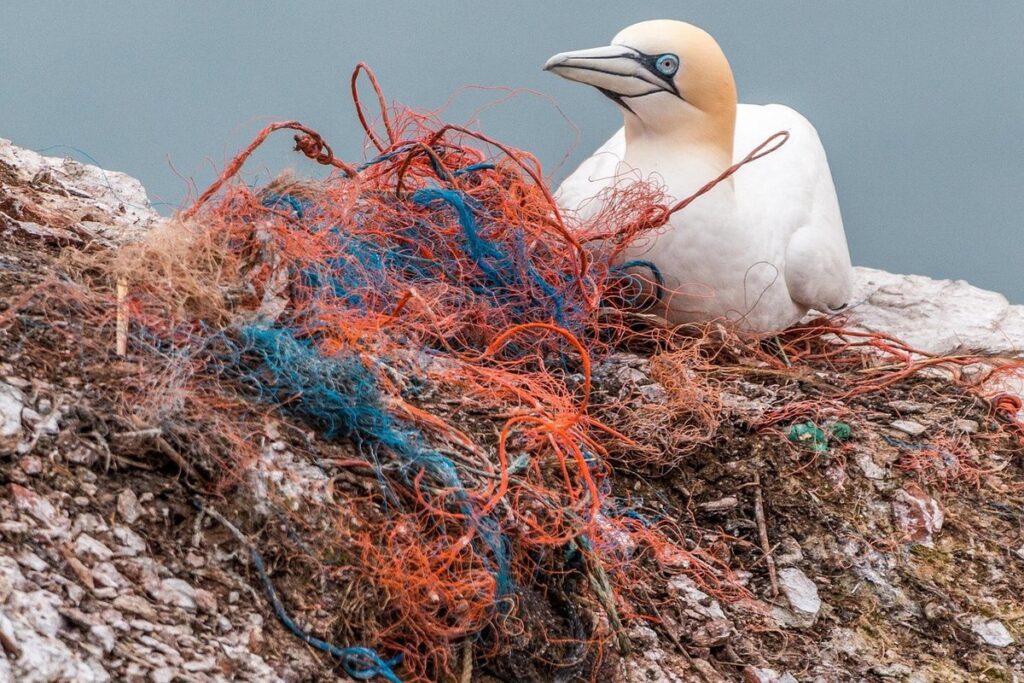
The Scope of the Problem
Every year, thousands of marine animals die from ingesting or getting entangled in plastic debris, but just how many is a staggering number that’s hard to comprehend.
What is Plastic Pollution?
Plastic pollution refers to the accumulation of plastic waste in the environment, including both microplastics and macroplastics. Microplastics are tiny plastic particles smaller than 5 millimeters that can come from various sources such as washing machines, personal care products, and synthetic clothing. Macroplastics, on the other hand, are larger plastic items like bottles, bags, and straws.
Microplastics can easily enter waterways through runoff or wastewater treatment plants, eventually making their way into oceans and harming marine life. For example, a study found that 90% of seabirds have eaten plastic at some point in their lives. Macroplastics can also cause harm when they are ingested by animals, get entangled in them, or block their digestive systems.
The presence of micro- and macroplastics in ecosystems has severe consequences for wildlife. For instance, sea turtles often mistake plastic bags for jellyfish and eat them, which can lead to blockages and even death. Similarly, fish have been found to ingest microplastics, which can cause physical harm and alter their behavior.
Plastic pollution is a complex issue that requires attention to both individual actions and broader systemic changes.
The Impact on Marine Life
Plastic pollution has a devastating impact on marine life, with four main ways it causes harm. Entanglement occurs when animals become trapped in plastic debris such as six-pack rings, fishing nets, or abandoned lines. This can cause physical injuries, restrict movement, and lead to drowning. Ingestion is also common, where animals mistake plastic for food and consume it. Plastics like microbeads, bags, and straws are particularly appealing to sea creatures due to their resemblance to jellyfish or other prey.
Suffocation can happen when animals become trapped in plastic debris and cannot escape. This can be especially problematic for young or weak animals who may not be able to free themselves from the entanglement. Finally, habitat destruction is a significant concern as marine animals rely on specific habitats to survive. Plastic pollution can lead to changes in water temperature, salinity, and oxygen levels, making it difficult for some species to thrive.
The effects of plastic pollution on marine life are far-reaching and often irreversible. To mitigate this issue, individuals can make conscious choices when it comes to single-use plastics and recycling. For example, choosing reusable bags, straws, and water bottles can significantly reduce the amount of plastic waste entering our oceans.
Statistics: A Stark Reality Check
The numbers are staggering, and it’s essential to examine the data that reveals just how many animals are losing their lives due to plastic waste. From sea turtles to seabirds, the statistics paint a grim picture.
Animal Deaths Due to Plastic Pollution
Every year, millions of animals worldwide fall victim to plastic pollution. According to a 2020 report by the World Animal Protection organization, over 100,000 marine mammals are killed by entanglement or suffocation due to plastic debris. Sea turtles are particularly vulnerable, with an estimated 50-100 individuals dying from plastic ingestion or entanglement every year.
The impact on birds is also significant, with a study published in the journal Science estimating that up to 1 million birds die annually from plastic consumption. Fish and other aquatic species also suffer greatly, with some research suggesting that microplastics can enter the food chain and cause harm even at low concentrations.
In addition to these staggering numbers, it’s essential to acknowledge the long-term effects of plastic pollution on animal populations. For example, a study in the journal Nature found that sea turtles exposed to high levels of plastic pollutants have reduced reproductive success and increased mortality rates. These statistics highlight the urgent need for action against plastic pollution, which requires individual, community-level efforts to reduce waste and adopt sustainable practices.
Economic Costs of Plastic Pollution
Plastic pollution imposes significant economic burdens on communities and governments worldwide. Cleanup efforts are a major expense, with estimates suggesting that removing plastic waste from oceans costs around $500 million annually. This cost is further exacerbated by the loss of productivity due to plastic pollution. For instance, the Great Pacific Garbage Patch, a massive collection of plastic debris in the Pacific Ocean, is estimated to cost the fishing industry over $1 billion in lost revenue each year.
In addition to these direct costs, plastic pollution also inflicts significant damage on infrastructure. Marine life entanglement and ingestion of plastic debris can cause costly repairs to boats, nets, and other equipment. Moreover, the degradation of coastal ecosystems due to plastic pollution can lead to erosion and loss of property value. For example, a study in Indonesia found that plastic pollution was responsible for an estimated $1.4 billion in economic losses each year, primarily due to damage to coral reefs and fisheries.
The cumulative effect of these costs underscores the need for urgent action against plastic pollution.
Contributing Factors: A Closer Look
Plastic pollution is a complex issue, and it’s essential to examine the various factors contributing to animal deaths from plastic waste. Let’s take a closer look at some of these critical contributors.
Single-Use Plastics and Convenience Culture
Single-use plastics are a major contributor to plastic pollution, with packaging, bags, straws, and water bottles being among the most problematic. These items are used once and then discarded, often ending up in oceans and waterways where they can be ingested by animals or break down into microplastics. A single plastic straw, for example, can take hundreds of years to decompose.
The convenience culture that surrounds these products is also a significant factor. Many people use them without thinking twice about the impact, relying on their ease and accessibility rather than considering the long-term consequences. In fact, many companies prioritize packaging over sustainability, using thin plastic bags or wrapping items in excessive plastic wrap.
To combat this issue, it’s essential to rethink our relationship with single-use plastics. Consider switching to reusable alternatives like cloth bags, metal straws, or refillable water bottles. Many cities and countries have also implemented bans on certain types of single-use plastics, such as plastic bags or straws. By making conscious choices and advocating for change, we can reduce the amount of single-use plastics in circulation and help mitigate their devastating impact on wildlife.
Littering and Waste Management Practices
Inadequate waste management practices and littering habits significantly contribute to plastic pollution. Recycling rates are a major concern, as many countries struggle to meet even moderate recycling targets. For instance, the United States has a recycling rate of about 35%, with some cities barely scraping by at around 10%. This is partly due to contamination rates that often exceed 25%, rendering recyclables unusable.
Landfill capacity is another pressing issue. With the world’s population projected to reach 9 billion by 2050, the demand for landfills will only increase. However, existing landfills are already nearing capacity. In some regions, such as Southeast Asia, waste management infrastructure is virtually non-existent, with many communities relying on open dumping and burning trash.
To mitigate these issues, governments and individuals must take a more proactive approach to waste reduction and recycling. Communities can establish or participate in local clean-up initiatives, while businesses and policymakers can implement extended producer responsibility programs that encourage manufacturers to take back used products. By addressing the root causes of plastic pollution, we can work towards reducing the number of animals killed by plastic each year.
The Role of Humans in Plastic Pollution
Humans play a significant role in contributing to plastic pollution, and it’s essential to understand how our daily actions impact the environment. By examining human involvement, we can uncover new ways to mitigate this devastating issue.
Consumerism and Overconsumption
You buy what you see, and what you see is often packaged in plastic. Every time a consumer reaches for a water bottle, straws, cutlery, or bags made of single-use plastics, they’re driving demand. This demand fuels the production of more single-use plastics, which inevitably end up in oceans and landfills.
Fast fashion is another contributor to overconsumption. The average American generates 82 pounds of textile waste per year, with most of it ending up in incinerators or landfills. Yet some of these discarded clothes find their way into our oceans through the microplastics in synthetic fabrics.
Overconsumption also perpetuates a culture of disposability. Products are designed to be used once and then discarded, creating a never-ending cycle of waste. Take plastic bags, for example: while reusable bags have become more popular, many consumers still opt for single-use plastics due to their convenience and low upfront cost.
To combat overconsumption, consider adopting the 30-wear rule when buying clothing, choosing products with minimal or biodegradable packaging, and avoiding impulse purchases. By making these changes, you can help reduce demand for single-use plastics and contribute to a more sustainable future.
Government Policies and Regulations
Some governments have implemented bans on single-use plastics, such as straws and bags, to reduce plastic pollution. For instance, the UK has banned the sale of single-use plastic straws, while India has prohibited the use of single-use plastic bags. These measures aim to decrease the amount of plastic waste that ends up in oceans and landfills.
Extended Producer Responsibility (EPR) is another policy approach aimed at reducing plastic pollution. Under EPR, manufacturers are held accountable for the waste generated by their products. This can include requirements for product design changes, recycling programs, or waste management fees. For example, some countries have introduced EPR policies for packaging materials like plastic bottles and cans.
Some cities and states have also implemented Deposit Return Schemes (DRS) to encourage recyclable material collection. DRS requires consumers to pay a small deposit on certain products, which is then refunded when the product is returned to a designated recycling facility. This system has shown promising results in countries like Germany and Australia, where participation rates are high due to consumer incentives.
While government policies can be effective in reducing plastic pollution, their implementation often varies across regions and jurisdictions.
Solutions: A Call to Action
Now that we’ve understood the gravity of plastic pollution, it’s time to think about tangible solutions and what you can do today to make a difference. We’ll explore actionable steps towards a more sustainable future.
Individual Actions Against Plastic Pollution
Reducing single-use plastics is a crucial step towards mitigating plastic pollution. Start by making conscious choices when shopping: opt for reusable bags, containers, and water bottles instead of relying on disposable alternatives. Be mindful of products with microbeads or other small plastic components that can easily become litter.
Recycling is also essential in preventing plastic waste from entering the environment. Ensure you’re recycling correctly by rinsing containers thoroughly, removing lids and labels, and sorting materials according to your local guidelines. Participate in community recycling programs or explore curbside pickup options if available.
In addition to individual actions, get involved in local cleanups and initiatives that aim to collect and properly dispose of plastic waste. Beach cleanups are particularly effective, as they help remove trash from waterways before it can cause harm to marine life. Consider joining a cleanup event or organizing one with friends and family to make a tangible impact. By combining these efforts, you’ll significantly contribute to the reduction of plastic pollution and its devastating effects on animals.
Community Efforts and Collective Change
Community-led initiatives are crucial in combating plastic pollution. Organizations like Surfrider Foundation and Ocean Conservancy have launched campaigns to raise awareness about the issue and promote behavioral change. These advocacy groups also work with policymakers to implement effective regulations.
Educational programs, such as beach cleanups and interactive exhibits, play a vital role in teaching people about the impact of plastic waste on marine life. For instance, the “4Ocean” initiative involves collecting trash while raising funds for ocean conservation efforts. Community-based projects like these not only raise awareness but also engage people in hands-on actions against pollution.
Waste reduction initiatives are another key aspect of community-led change. Cities like San Francisco and Vancouver have implemented successful plastic bag bans, reducing litter and waste significantly. Additionally, many communities are adopting zero-waste policies, encouraging residents to minimize their plastic use and adopt sustainable practices.
Examples like these illustrate the potential for collective action against plastic pollution. By supporting local initiatives and participating in community-led efforts, individuals can contribute meaningfully to the fight against plastic waste and its devastating impact on marine life.
Frequently Asked Questions
What happens when I accidentally contribute to plastic pollution again?
Yes, it’s okay to make mistakes – the key is to learn from them and take steps to reduce your impact. Recognize that small actions can accumulate over time, so be kind to yourself and focus on making gradual changes.
How do I know if my community or local government is doing enough to address plastic pollution?
Look for signs of effective waste management practices, such as regular beach cleanups, robust recycling programs, and enforcement of single-use plastic bans. Research local initiatives and engage with advocacy groups to stay informed about efforts underway in your area.
Can I still use single-use plastics if I’m really careful and recycle them afterwards?
While careful usage and recycling can help minimize waste, it’s generally not enough to justify relying on single-use plastics long-term. Focus on reducing your overall consumption of these products instead, as even diligent recycling efforts can’t compensate for the inherent environmental harm caused by their production and disposal.
What if I live in an area with limited access to recycling facilities or public transportation – how can I still make a difference?
Consider alternative methods for reducing plastic waste, such as composting food scraps, using reusable bags and containers, and minimizing single-use plastics even further. You can also explore online resources and community forums for creative solutions and support from like-minded individuals.
How long does it take to see noticeable reductions in plastic pollution after implementing changes?
The timeframe for observing improvements will vary depending on individual circumstances and the scale of efforts undertaken. Some visible effects, such as reduced litter or increased recycling rates, may become apparent within a few months, while more profound transformations may take years to materialize.

