
Making your own laundry detergent is a simple way to reduce packaging waste and save money on household expenses. Every year, millions of households use conventional laundry detergents that come in single-use plastic bottles or jugs. Not only does this contribute to landfill waste and pollution, but it also eats into your wallet over time. By switching to homemade laundry detergent made with natural ingredients like washing soda, soap flakes, and essential oils, you can create a custom formula tailored to your family’s needs while reducing your environmental footprint. In this article, we’ll walk you through the process of making your own laundry detergent from scratch, including a basic recipe and tips for effective use, so you can start saving money and doing your part for the planet. By the end of this guide, you’ll be able to make a batch of eco-friendly laundry detergent in no time.
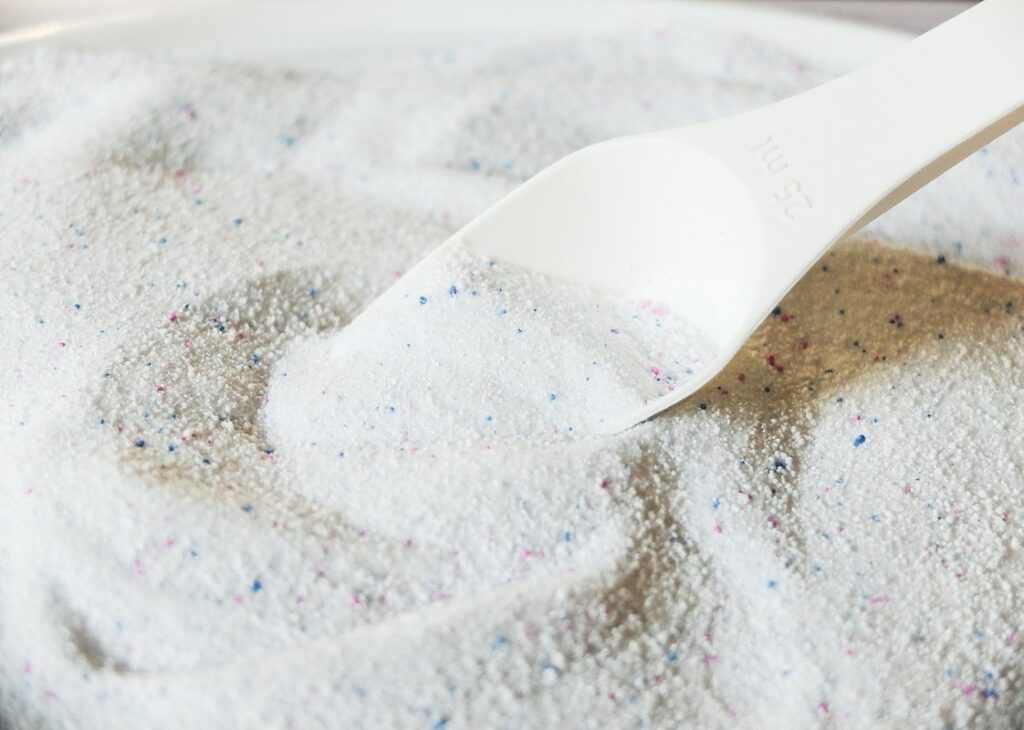
Benefits of Making Your Own Laundry Detergent
Making your own laundry detergent can be a game-changer for your wallet and the environment, but what exactly are you saving by going DIY? Let’s take a closer look at the perks.
Cost Savings and Convenience
When you make your own laundry detergent, you’ll likely save money in the long run. The initial investment to buy ingredients like washing soda and borax can be around $10-$20, but this amount makes approximately 40-50 loads of detergent. In contrast, commercial detergents usually cost between $0.25 to $1 per load, depending on their quality and brand. If you wash clothes for a family of four, that’s around $500-$2,000 in savings over the course of a year.
Another advantage is the convenience factor. When making your own detergent, you can produce large quantities at once, which means you’ll have enough for several months without needing to restock frequently. Plus, many DIY recipes allow for customizable scents and fragrances, so you can choose what suits your preferences best. Keep in mind that some ingredients like essential oils may be more expensive than commercial detergents’ additives.
Environmental Impact and Eco-Friendliness
When you choose to make your own laundry detergent, you’re not only saving money and creating a product tailored to your family’s needs, but you’re also significantly reducing your environmental impact. Commercial detergents come in bulky packaging that contributes to landfill waste and the destruction of natural habitats during production.
In contrast, natural ingredients like washing soda, borax, and soap are often biodegradable and free from harsh chemicals found in traditional detergents. These eco-friendly options have been shown to be gentler on clothes, requiring less water for rinsing and reducing energy consumption during the washing process.
A small load of homemade laundry detergent typically generates a fraction of the packaging waste produced by its commercial counterpart. Consider this: if you wash an average of 3 loads per week using store-bought detergent, that’s at least 156 pounds of plastic packaging per year. By switching to a DIY recipe, you can significantly reduce your contribution to plastic waste and create a more sustainable cleaning practice for your family.
Choosing Your Ingredients
When making your DIY laundry detergent, selecting the right ingredients is crucial for effective cleaning and gentle fabric care. Let’s talk about what you’ll need to get started.
Natural Cleaning Agents
Washing soda and borax are two common natural cleaning agents used in DIY laundry detergent recipes. Washing soda is a powerful alkaline substance that effectively removes tough stains and odors from clothes, but it can be irritating to skin if not handled carefully. Borax, on the other hand, has antibacterial properties and helps soften water, making it gentler on fabrics.
Soap nuts or soap flakes are another popular natural option for DIY laundry detergent recipes. Soap nuts, also known as Sapindus mukorossi, are a type of berry that contains saponins, which are natural cleansers that produce a rich lather without the need for harsh chemicals. Soap flakes are often made from coconut oil or other plant-based oils and have a mild, gentle cleaning action.
When using these natural agents in your DIY laundry detergent recipe, it’s essential to note their concentrations and potential interactions with skin sensitivities or allergies. For example, washing soda can cause irritation if not diluted properly, while borax may require more caution when used in hard water conditions. Familiarize yourself with each agent’s characteristics to create a safe and effective detergent blend for your laundry needs.
Essential Oils and Fragrances
When it comes to adding fragrance to your homemade laundry detergent, essential oils are a popular choice. Not only do they provide a pleasant scent, but some essential oils also possess properties that can benefit your clothes and the washing process.
Some essential oils, such as lavender and tea tree oil, have natural antimicrobial properties that can help reduce odors and prevent the growth of bacteria in your washing machine. Others, like lemon and eucalyptus, have deodorizing effects that can leave your clothes smelling fresher.
To choose suitable essential oils for use in DIY recipes, look for those with high concentrations of fragrance molecules. Generally, a 1-2% concentration is sufficient for laundry detergent. For example, you might add 10-20 drops of lavender oil to a batch of homemade detergent. When selecting essential oils, consider the scent strength and whether it will complement or overpower other ingredients in your recipe.
Some popular essential oils for laundry detergent include lavender, tea tree, lemon, eucalyptus, and geranium. Experiment with different blends to find the perfect fragrance combination for your needs.
Preparing Your Ingredients
Before making your homemade laundry detergent, you’ll need to gather and prepare some essential ingredients. This includes measuring out baking soda, washing soda, and soap flakes, which we’ll walk you through next.
Measuring and Mixing Techniques
When measuring dry ingredients for your DIY laundry detergent recipe, it’s essential to use a digital kitchen scale for accuracy. A small deviation in measurement can significantly impact the final product’s consistency and effectiveness. To avoid over- or under-measuring, ensure your scale is set to the correct unit of measurement (e.g., grams) and zeroed out before adding each ingredient.
When mixing ingredients together, start with the dry components – such as washing soda and borax – and gradually add them to a separate container filled with liquid ingredients like water and soap. This technique helps prevent clumping and uneven distribution. Use a spoon or silicone spatula to gently fold in dry ingredients, taking care not to over-agitate and create an unworkable paste.
When handling dry ingredients, consider wearing a dust mask to protect yourself from respiratory irritation. Avoid using a wooden spoon, as it can transfer oils from your skin to the detergent mixture, compromising its cleaning power. Instead, opt for stainless steel or silicone utensils that are easy to clean and resistant to contamination.
Safety Precautions and Equipment
When working with washing soda and lye, it’s essential to take necessary safety precautions to avoid skin and eye irritation. Wear protective gloves and eyewear, including goggles or glasses with good ventilation. Lye can cause severe burns, so ensure you have a first aid kit nearby in case of an accident.
For measuring and mixing, use a digital kitchen scale for accurate measurements, as lye is highly caustic and can be difficult to gauge by volume. A stainless steel or plastic spoon for mixing is recommended over glass or aluminum to prevent reactions. Avoid breathing in the powder, as inhaling lye fumes can lead to respiratory issues.
When storing your detergent supplies, keep them away from children and pets. Lye can be especially hazardous if ingested, so ensure all family members understand its potential dangers. Label containers clearly with their contents and store them in a cool, dry place. Always use lye in a well-ventilated area to prevent fume buildup. By taking these precautions, you’ll minimize risks associated with working with washing soda and lye.
Recipe Variations and Customization
Now that you’ve mastered the basic DIY laundry detergent recipe, let’s experiment with different twists to make it your own. We’ll explore various ways to customize the formula to suit your preferences and needs.
Different Recipe Types
For high-efficiency (HE) washers, you’ll want to use a recipe specifically designed for these machines. HE washers require a low-suds formula to prevent clogs and maximize detergent distribution. Look for recipes that incorporate ingredients like washing soda or borax, which help reduce sudsing without compromising cleaning power. Some DIY laundry detergent recipes even include a separate “HE” version with different ratios of surfactants and builders.
For sensitive skin, consider using fragrance-free or hypoallergenic recipes that minimize the risk of irritation. These often rely on gentle surfactants like soapbark extract or soapwort, which are milder than traditional detergents. You may also want to skip fragrances and opt for a scent-free recipe altogether.
When washing wool or delicate fabrics, it’s essential to use a detergent that’s free from harsh chemicals and optical brighteners. Recipes designed for hand-washing or gentle cycles typically exclude these ingredients, ensuring the fabric doesn’t suffer damage or discoloration. Some recipes even include specialized additives like lanolin or silk protein to enhance softness and texture.
Adding Extra Ingredients for Special Needs
If you live in an area with hard water, you’ll want to add a water-softening agent like washing soda (sodium carbonate) to your DIY detergent recipe. This will help remove minerals that cause dinginess and reduce the effectiveness of your homemade soap. For every two cups of detergent powder, add one tablespoon of washing soda.
To tackle tough stains, consider incorporating an enzyme-based stain remover like OxiClean or a laundry pre-treater containing enzymes. These ingredients work by breaking down protein-based stains like blood and grass into smaller components that can be easily rinsed away. Start with a small amount – about 1 teaspoon per load – and adjust as needed to avoid over-processing your clothes.
For those prone to strong-smelling socks or gym clothes, you can add an odor-neutralizing agent like baking soda or essential oils (like tea tree oil or lavender). Baking soda has natural deodorizing properties that will help absorb any lingering smells. Alternatively, use a few drops of essential oil in place of the baking soda for a more pleasant scent.
Making and Using Your DIY Detergent
Now that you’ve made your homemade laundry detergent, it’s time to learn how to use it effectively in your washing machine. We’ll cover some tips for maximizing its cleaning power and getting the best results.
Finalizing the Recipe and Production
As you finalize your custom laundry detergent recipe, take a moment to assess its performance. Are there any issues with sudsing, cleaning power, or skin irritations? If so, it’s likely due to one of the common pitfalls: too much liquid, not enough borax, or an imbalance in fatty acid content. To troubleshoot these problems, revisit your ingredient ratios and adjust as needed.
For optimal performance, consider adding a small amount of washing soda to enhance the detergent’s ability to absorb odors and soften water. You can also experiment with different essential oils for their fragrance benefits without affecting cleaning power.
To further optimize your recipe, focus on balancing fatty acid content (10-20% of total weight) and liquid levels (25-35% of total weight). Aim for a mix that’s neither too dry nor too wet. This will help prevent clumping during storage and ensure a smooth washing experience.
Incorporate these adjustments gradually, testing the revised formula on small loads before committing to larger batches. By fine-tuning your recipe through trial and error, you’ll develop a custom detergent that meets your family’s unique needs and preferences.
Tips for Effective Use and Maintenance
To maintain a consistent washing routine with your homemade detergent, it’s essential to monitor for residue buildup and soap scum accumulation in your washer. This can be prevented by cleaning your washer regularly, ideally after every 30-40 loads. Leave the washing machine on the hottest cycle with a cup of white vinegar for an hour before running another hot water cycle through the empty tub.
To avoid soap scum, make sure to use the correct dosage of detergent each time. Too much can lead to residue buildup and affect your clothes’ cleanliness. Most washers have a recommended detergent capacity; check your user manual to find this information. Also, if you notice that your clothes are becoming stiff or feeling soapy after washing, it may be due to excessive detergent use.
For optimal performance, store your homemade detergent in an airtight container and keep it away from direct sunlight and moisture. This will help prevent the ingredients from breaking down over time, maintaining their effectiveness in each wash cycle. Regularly checking your detergent’s consistency and color can also indicate when it’s time for a new batch.
Troubleshooting Common Issues
If you encounter any problems while making your DIY laundry detergent, don’t worry – we’ve got you covered. This section addresses common issues and provides solutions to get you back on track.
Handling Inconsistent Results
When you notice inconsistent results from using homemade laundry detergent, it’s essential to identify and address the root cause. Poor cleaning performance might be due to inadequate washing machine maintenance. Regularly clean the gasket and check for blockages in the drain pump filter to ensure optimal water flow.
Excessive sudsing can be caused by incorrect measurement or using too much water. Double-check your recipe’s measurements, and consider adjusting the amount of liquid castile soap if necessary. If you’re consistently getting too many bubbles, try reducing the dosage of washing soda or opting for a different type altogether.
Inconsistent results might also stem from variations in the hardness of your tap water. If you live in an area with hard water, using a water softener or adjusting the detergent recipe accordingly can help mitigate issues. For example, increasing the amount of washing soda can help counteract mineral buildup and improve cleaning performance.
Common Myths and Misconceptions
Many people are hesitant to make their own laundry detergent due to concerns about safety and effectiveness. One common myth is that homemade detergents aren’t as effective as store-bought ones, particularly when it comes to removing tough stains. However, many homemade recipes use high-quality ingredients like washing soda and borax, which have proven cleaning power.
Another concern is the potential for allergic reactions or skin irritation from using a homemade detergent. Some people worry that without preservatives and additives found in commercial detergents, their laundry will be more prone to odors or mildew buildup. In reality, most homemade recipes use natural ingredients that are gentle on skin and the environment.
It’s also worth noting that some people believe making your own laundry detergent is incompatible with certain types of washers, such as high-efficiency (HE) models. However, many HE machines can handle homemade detergents made from washing soda and borax without any issues. In fact, these ingredients are designed to work in tandem with the low-water cycles characteristic of HE washers.
Frequently Asked Questions
What if I have hard water and want to make my own laundry detergent? Will it still work?
Yes, you can still make your own laundry detergent with hard water. To adapt the recipe, consider adding a water softener like washing soda or borax to help neutralize mineral deposits in the water.
How do I store and maintain my homemade laundry detergent over time?
Store your DIY detergent in an airtight container to prevent moisture from entering the mixture. If you notice any separation or clumping, simply stir the mixture well before using it. You can also add a natural preservative like vitamin E oil to extend its shelf life.
Can I use essential oils for fragrance if I have pets that might be sensitive to them?
No, if you have pets with sensitivities, it’s best to avoid using essential oils in your DIY detergent recipe altogether. Instead, consider using a small amount of natural fragrance-free soap or opting for an unscented laundry detergent recipe.
What if I accidentally add too much washing soda to my mixture – will it harm the washer?
Yes, excessive washing soda can cause damage to your washing machine’s seals and gaskets over time. If you’ve added too much, be sure to rinse the detergent thoroughly before each use, and consider diluting the mixture with more water to avoid future buildup.
Can I make my own laundry detergent for specific fabric types, such as wool or silk?
Yes, you can create custom recipes for different fabrics by adjusting the ratio of surfactants to enzymes. For example, adding a higher concentration of natural enzymes can help gently clean delicate fibers like wool or silk. Experiment with small batches and test the results before scaling up your production.

