
Making your own laundry detergent at home can be a surprisingly simple and effective way to reduce your environmental impact while saving money on commercial detergents. The average household uses a staggering amount of detergent each year, contributing to water pollution and waste management issues that have serious consequences for our planet’s ecosystems. By switching to a natural, eco-friendly DIY laundry detergent, you can significantly cut back on your reliance on harsh chemicals and minimize the strain on local waterways. In this article, we’ll show you how to create a cost-effective and environmentally conscious laundry detergent using readily available ingredients like washing soda, borax, and castile soap. By following our easy-to-follow recipe and tips, you’ll be able to make your own detergent at home and start enjoying the benefits of a more sustainable cleaning routine.
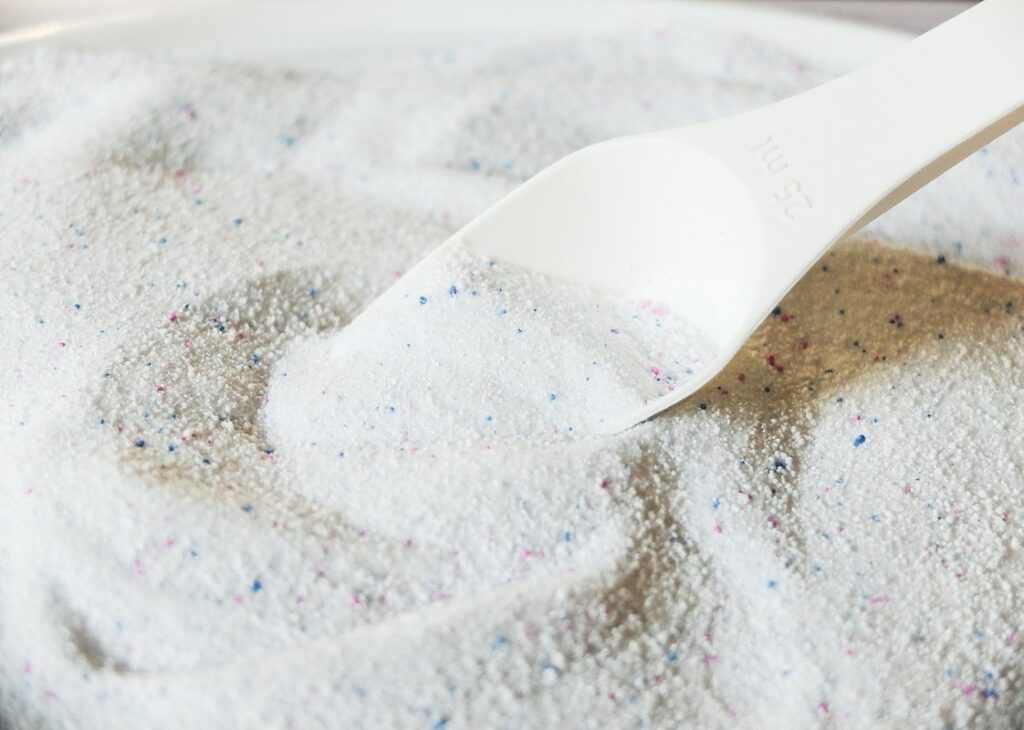
Understanding the Need for Homemade Laundry Detergent
If you’re considering switching to DIY laundry detergent, let’s start by exploring why making your own is a great idea in the first place. You might be surprised at just how easy and cost-effective it can be!
Why Store-Bought Detergents Can Be Expensive
Laundry detergent can be a significant expense for many households. According to the United States Bureau of Labor Statistics, the average American household spends around $300 per year on laundry supplies alone. This cost is even more pronounced when you consider that laundry detergent is used multiple times a week, often in large quantities.
A typical 50-load bottle of high-end detergent can cost upwards of $20-$30, which translates to approximately $0.40-$0.60 per load. For larger families or those with frequent laundry needs, this cost can add up quickly. Furthermore, many commercial detergents contain harsh chemicals and artificial fragrances that may irritate skin or contribute to environmental pollution.
To put these costs into perspective, consider a small batch of homemade laundry detergent made from natural ingredients like washing soda, borax, and soap flakes. This can yield around 100-200 loads at a cost of approximately $1-$2 per load. Not only is this significantly cheaper than commercial options, but it also allows you to control the ingredients and minimize exposure to harsh chemicals and artificial fragrances.
The Environmental Impact of Commercial Detergents
Commercial laundry detergents contain a cocktail of harsh chemicals that pose significant threats to our environment. One major concern is water pollution. When washed down the drain, these toxins can contaminate rivers, lakes, and oceans, ultimately affecting aquatic life. The phosphates in commercial detergents, for instance, contribute to algae blooms, depleting oxygen levels and causing massive die-offs of fish and other organisms.
Additionally, exposure to detergent chemicals has been linked to various health issues in humans. Children, whose skin is still developing, are particularly vulnerable to the effects of chemical residues on clothing. According to the US Environmental Protection Agency (EPA), most commercial detergents contain endocrine disruptors that can interfere with hormone production and lead to conditions like asthma and allergies.
To minimize your environmental footprint, consider making the switch to homemade laundry detergent. By using natural ingredients like washing soda and borax, you can create a gentle yet effective cleaning agent that won’t harm waterways or contaminate the air. This simple change can make a significant difference in protecting our planet’s ecosystems and promoting healthier living environments for all.
Choosing Ingredients for Your DIY Laundry Detergent
When it comes to making your own laundry detergent, selecting the right ingredients is crucial. This section will walk you through essential components and their roles in creating a effective and gentle formula.
Commonly Used Ingredients and Their Benefits
Washing soda, borax, and soap are the most commonly used ingredients in homemade laundry detergent recipes. These three components work together to provide excellent cleaning power while being gentle on clothes.
Washing soda, also known as sodium carbonate, is a natural mineral that helps remove tough stains and odors from fabrics. It’s particularly effective at removing grease and oil-based stains. When using washing soda, be sure to store it in an airtight container, as it can absorb moisture from the air and become less effective.
Borax, or sodium tetraborate, is another natural mineral that adds cleaning power to your detergent. It helps soften water and remove soap scum buildup on clothes. Borax is also a natural insecticide and fungicide, making it a great addition to your laundry routine for those with sensitive skin.
Soap, usually in the form of Fels-Naptha or Zote, provides the surfactant properties necessary for emulsifying dirt and oils. This allows the other ingredients to penetrate deep into fabric fibers for effective cleaning. When choosing a soap for your recipe, look for one that is free of artificial fragrances and dyes.
Understanding the Role of Soap Nuts or Castile Soap
Soap nuts, also known as soapberries, have gained popularity in recent years due to their natural cleaning properties and eco-friendly profile. Native to India and Nepal, these small fruits contain a saponin-rich oil that can be used as a gentle laundry detergent substitute. When using soap nuts, simply add 4-6 shells to your wash load, allowing them to dissolve and release their cleansing power.
Alternatively, castile soap is another popular choice for DIY laundry detergents. This highly concentrated soap is made from olive oil and is biodegradable, making it an attractive option for those seeking a more environmentally friendly alternative to traditional detergents. When using castile soap in your detergent recipe, keep in mind that it’s extremely potent and should be used sparingly – typically 1-2 tablespoons per load.
Both soap nuts and castile soap can be excellent substitutes for traditional detergents, but it’s essential to note the potential impact on your washing machine. Some users have reported issues with buildup or residue when using these natural alternatives, so regular maintenance is crucial.
Preparing Your DIY Laundry Detergent
Before you start mixing up your own laundry detergent, it’s essential to prepare the ingredients by measuring and grating the soap to ensure a smooth and effective blend. You’ll want to get this part just right for best results.
Simple Recipe for All-Purpose Detergent
To prepare a basic recipe for all-purpose detergent, you’ll need 1 cup of washing soda, 1 cup of borax, and 2 bars of soap (such as Fels-Naptha or Zote). This amount makes approximately 10 loads of laundry. Start by grating the soap into small pieces using a box grater or food processor.
Transfer the grated soap to a large bowl and add the washing soda and borax. Mix until well combined, taking care not to inhale the powder. Store the mixture in an airtight container to maintain its potency. For each load of laundry, simply measure out 1-2 tablespoons of the detergent mixture and use as you would commercial detergent.
When using this all-purpose detergent, note that it’s best suited for high-efficiency washing machines or top-loading machines with agitators. Avoid using it in front-loading machines without an agitator, as the powder can accumulate in the machine and cause damage. Additionally, if you have hard water, consider adding 1/2 cup of white vinegar to your wash cycle to help soften water and reduce soap scum buildup.
Customizing Recipes for Different Water Conditions
When customizing recipes for different water conditions, it’s essential to consider three key factors: water hardness, temperature, and specific laundry needs. For soft water areas, you can reduce the amount of washing soda or omit it altogether, as these regions tend to have lower mineral content.
In contrast, hard water areas require more washing soda to counteract high mineral levels, which can leave soap scum residue on clothes. A general rule of thumb is to add 1-2 tablespoons of washing soda for every cup of detergent. For extremely hard water, you may need to use up to 4 tablespoons.
Water temperature also affects detergent performance. For cold washes, use a recipe with more liquid castile soap or adjust the ratio of surfactants to oils. In hot water, a higher concentration of oils can help emulsify and remove grease effectively. Finally, consider your laundry needs: if you frequently wash heavily soiled items like towels or work clothes, increase the amount of washing soda or add an enzyme-based detergent booster for enhanced stain removal capabilities.
Safety Precautions and Tips for Use
Before making or using your homemade laundry detergent, it’s crucial to understand some essential safety precautions and tips to avoid any potential issues or allergic reactions. This section will walk you through the necessary guidelines.
Handling Ingredients Safely
When working with DIY laundry detergent ingredients, it’s essential to handle them safely. Some ingredients, like washing soda and borax, can cause skin irritation if not handled properly. To avoid any discomfort, make sure to wash your hands thoroughly after measuring and mixing these powders. This is especially important when using gloves, as the powders can still find their way under them.
Proper ventilation is also crucial when working with DIY laundry detergent ingredients. Many of these products can release strong fumes or dust, which can exacerbate respiratory issues like asthma. To minimize risks, mix and measure ingredients in a well-ventilated area, ideally outside or near an open window. If you’re using a covered workspace, ensure it has proper ventilation to prevent the buildup of fumes.
When measuring borax or washing soda, use a scoop or spoon specifically designated for each ingredient to avoid cross-contamination. This helps prevent skin irritation and other potential issues. Always follow the recommended usage amounts for each ingredient, as excessive exposure can lead to problems. By taking these precautions, you’ll be able to create your eco-friendly laundry detergent with confidence.
Using Your DIY Detergent Effectively
To get the most out of your homemade laundry detergent, it’s essential to use it correctly. Start by checking the label for the recommended dosage – typically 1-2 tablespoons per load. You can adjust this amount depending on how soiled your clothes are and the size of your washing machine.
When tackling tough stains, don’t rely solely on pre-treatment sprays or added enzymes. Instead, apply a small amount of detergent directly to the stain before washing. For particularly stubborn spots, try letting it sit for 10-15 minutes before rinsing. This can make all the difference in removing grass and mud stains.
For best results, use cold water when possible – it’s gentler on clothes and helps preserve the eco-friendliness of your detergent. Also, avoid overloading your washing machine, as this can cause excessive wear and tear on your clothes. By following these simple guidelines, you’ll be able to enjoy clean clothes while minimizing waste and staying within budget.
Troubleshooting Common Issues with Homemade Detergents
We know that making your own laundry detergent can be a bit tricky, so let’s tackle some common issues you might encounter when using homemade detergents.
Identifying Problems with Performance or Stains
When using homemade detergents, it’s not uncommon to encounter issues with cleaning performance or stains. One common problem is inadequate rinsing, which can leave behind residue and reduce the detergent’s effectiveness. To avoid this, make sure you’re washing clothes in hot water (if recommended by your recipe) and running an extra rinse cycle.
Another issue may be the type of ingredients used. For example, if you’ve opted for a soap-based detergent without sufficient surfactants, it might not effectively remove tough stains or leave clothes feeling clean. In this case, adjust the recipe to include more surfactant-rich ingredients or consider using a commercial laundry detergent specifically designed for hard water.
Additionally, some homemade detergents may be prone to staining themselves due to excessive buildup of certain minerals. This is often seen in areas with high levels of water hardness. If you notice unsightly stains or residue on your clothes after washing with homemade detergent, try switching to distilled water or using a water softener if available.
In both cases, it’s essential to carefully follow the recipe and consider factors like water quality before making any adjustments.
Solutions to Common Problems
When you encounter issues with your homemade detergent, it’s essential to identify the root cause before implementing a solution. One common problem is excessive foam or sudsing, which can lead to clogged washing machines and reduced detergent effectiveness. To resolve this issue, try reducing the amount of washing soda in your recipe or substituting it with baking soda.
Another problem you might encounter is poor stain removal. This could be due to inadequate rinse cycles or an imbalance of active ingredients in your recipe. Try increasing the number of rinse cycles or adjusting the proportions of surfactants and enzymes. For example, if you’re using a high-surfactant load, consider reducing it by 10-20% to improve stain removal.
Additionally, improving washing techniques can also resolve common issues. Ensure that you’re pre-treating stains before washing and avoiding overloading your washing machine. Properly calibrating the water temperature for different fabric types is also crucial. By making these adjustments, you can significantly enhance the performance of your homemade detergent.
Comparison of DIY vs. Commercial Laundry Detergent
Many people are drawn to making their own laundry detergent, but how does it stack up against store-bought options in terms of effectiveness and cost? Let’s examine the key differences.
Cost-Benefit Analysis of Making Your Own Detergent
When making your own detergent, the initial investment in ingredients can be significant. However, a 1-kilogram bag of washing soda and a 1-kilogram bag of borax, which yield about 100 loads of detergent each, typically costs between $10 to $15. This translates to a cost of around $0.05 to $0.07 per load.
In contrast, commercial detergents can be pricey, with popular brands often costing between $0.25 to $1.50 per load. This disparity in pricing becomes even more pronounced when considering the long-term benefits of DIY detergent making. By producing your own detergent, you can save up to 80% on laundry costs over the course of a year.
To maximize savings, consider purchasing ingredients in bulk and storing them for future use. You’ll also want to factor in any potential equipment or ingredient expenses into your initial cost estimate. However, with some simple math and forward planning, making your own detergent can be an incredibly cost-effective option that not only reduces your expenses but also minimizes environmental impact.
Environmental Impact Comparison
When comparing homemade laundry detergent to commercial options, the environmental impact is a crucial consideration. The production process of commercial detergents involves large amounts of water and energy consumption, as well as chemical additives like softeners and brighteners that can harm aquatic ecosystems.
In contrast, making your own laundry detergent typically requires only water, washing soda, borax, and a mild soap, reducing packaging waste and excess ingredients. You can also customize the recipe to use eco-friendly alternatives like castile soap or soap nuts. The reduced ingredient list not only minimizes transportation emissions but also allows for greater control over what’s in your laundry.
A small change in your cleaning routine can have a significant environmental benefit. By switching to homemade detergent, you’ll reduce your reliance on single-use plastic containers and minimize the chemicals entering waterways through commercial products. Furthermore, using natural ingredients reduces the risk of skin irritation and allergic reactions associated with artificial fragrances and dyes found in some commercial detergents.
Frequently Asked Questions
Can I Use My DIY Laundry Detergent in High-Efficiency Washing Machines?
Yes, many DIY laundry detergents can be used in HE washing machines. However, it’s essential to check the recipe and adjust the amount of detergent used according to your machine’s specifications. HE machines require less detergent than traditional washers, so start with a small batch and adjust as needed.
How Do I Store My Homemade Laundry Detergent to Maintain Its Effectiveness?
Store your DIY laundry detergent in an airtight container to keep it fresh and prevent moisture from accumulating. This will help maintain the detergent’s potency and prevent any potential skin or eye irritations caused by mold or mildew. Keep the container away from direct sunlight and heat sources.
Can I Use Essential Oils with My DIY Laundry Detergent for Their Fragrance?
While essential oils can be a great addition to your DIY laundry detergent, use them in moderation. Certain oils can affect the detergent’s performance or cause skin irritation. Start with small amounts (about 5-10 drops per batch) and test their effectiveness before increasing the quantity.
Is It Safe to Use My Homemade Laundry Detergent on Colored Fabrics?
Most homemade laundry detergents are gentle enough for colored fabrics, but it’s crucial to check the recipe and ensure that it doesn’t contain any harsh chemicals or dyes. Also, consider using a small test load before washing your entire garment to prevent any potential color bleeding.
Can I Make Large Batches of DIY Laundry Detergent in Advance?
Yes, you can make large batches of DIY laundry detergent, but be aware that the mixture’s potency may decrease over time. To minimize this effect, store the detergent in airtight containers and use it within 6-8 weeks. Keep track of how long your batches last to refine your recipe and maintain its effectiveness.

