
Tired of breaking the bank on expensive store-bought laundry detergent, only to end up with a mountain of packaging waste? You’re not alone. Many people are turning to homemade liquid laundry detergent recipes as a cost-effective and eco-friendly alternative. Not only can you save money by making your own detergent, but you’ll also reduce your environmental impact by cutting down on single-use plastic containers and bottles.
Making the switch to DIY laundry detergent is easier than you think, and with our step-by-step guide, you’ll be well on your way to creating your own liquid laundry detergent in no time. We’ll walk through the benefits of homemade detergent, share a simple recipe to get you started, and provide tips for customizing it to suit your family’s needs. By the end of this article, you’ll know how to make your own liquid laundry detergent from scratch, saving you money and reducing waste with every wash load.
Benefits and Savings
Making homemade liquid laundry detergent not only saves you money, but it also cuts down on packaging waste and helps reduce your environmental impact. You’ll see just how much you can save by making the switch to a DIY recipe.
Cost Comparison: Store-Bought vs. Homemade
Making homemade liquid laundry detergent can be a cost-effective alternative to commercial options. The initial investment in ingredients may seem steep, but it yields significant savings over time. For example, a 2-cup batch of our simple recipe costs approximately $1.50 to make, and each load uses about 0.25 cups of detergent.
In contrast, popular store-bought liquid detergents can cost upwards of $10 for a 100-load bottle. Assuming an average of 30 loads per month, that’s around $3 per month or $36 per year. Meanwhile, our homemade recipe costs just $1.50 to make a batch that lasts about 8-10 loads, depending on your washing machine and laundry habits.
Over the course of a year, switching to homemade detergent can save you around $270-$360, depending on usage. To put this into perspective, if you use our basic recipe for an entire year, you’ll need approximately 2-3 batches per month, costing you about $6-$9 per month. These calculations assume you’re using the same amount of detergent per load as commercial options. By making your own liquid laundry detergent, you can enjoy significant long-term savings and a more environmentally friendly alternative to store-bought detergents.
Environmental Impact: Reduced Packaging and Chemicals
Making your own liquid laundry detergent can significantly reduce waste and minimize exposure to harsh chemicals found in many commercial detergents. Commercial laundry detergents come in large plastic containers that are often not fully utilized, resulting in a substantial amount of packaging waste. By contrast, making your own laundry detergent allows you to purchase ingredients in bulk, such as washing soda and baking soda, which can be stored for extended periods without degrading.
The recipe itself is also free from harsh chemicals like optical brighteners, dyes, and fragrances found in many commercial detergents. Essential oils used in some recipes are a more natural alternative to artificial fragrances, but they should always be used in moderation due to their potency. When choosing essential oils, select ones that are biodegradable and eco-friendly.
To minimize packaging waste further, consider repurposing old containers for your homemade detergent. This can include using empty glass jars or plastic bottles with tight-fitting lids.
Ingredients and Safety Precautions
Before you start making your homemade liquid laundry detergent, it’s essential to know what ingredients are safe for use and how to handle them properly. We’ll walk through the must-know details here.
Choosing the Right Washing Soda and Baking Soda
When it comes to making effective homemade liquid laundry detergent, two essential ingredients are washing soda and baking soda. These powders may seem interchangeable, but they serve distinct purposes and require careful selection for optimal cleaning results.
Washing soda, also known as sodium carbonate, is a strong water softener that helps remove dirt and stains from fabrics. To choose a high-quality washing soda, look for a product labeled “100% pure washing soda” or “sodium carbonate” without additives. Some popular brands include Arm & Hammer Super Washing Soda and Bob’s Red Mill Washing Soda.
Baking soda, on the other hand, is a gentle abrasive that helps balance pH levels in the detergent. For baking soda, opt for an aluminum-free product to prevent any potential staining issues. Look for brands like Arm & Hammer Baking Soda or Bob’s Red Mill Baking Soda.
When sourcing these ingredients, consider purchasing them from reputable online retailers or health food stores to ensure their quality and purity. Avoid generic or store-brand products, as they may contain additives or fillers that can compromise the detergent’s effectiveness.
Safe Use and Storage of Essential Oils (Optional)
When using essential oils in your homemade laundry detergent recipe, it’s essential to be aware of the potential risks associated with their use. Some essential oils can cause skin irritation, allergic reactions, or even respiratory problems if inhaled in large quantities.
To minimize these risks, choose essential oils that are known for their gentle properties and safe for use in laundry detergents. For example, lavender oil is a popular choice due to its calming and soothing effects on fabric, while tea tree oil has antimicrobial properties that can help combat odors.
If you do decide to use essential oils, always follow the recommended usage rates – typically 10-20 drops per batch of detergent. You should also store your essential oils in a cool, dark place, away from children and pets, as they can be hazardous if ingested or exposed to heat.
When handling essential oils, make sure to wear gloves to avoid skin contact, and wash your hands thoroughly after use. If you experience any irritation or discomfort while using essential oils, discontinue their use immediately and consult a healthcare professional for advice.
Basic Recipe and Customization Options
Now that you have a solid foundation of the basic liquid laundry detergent recipe, let’s customize it to suit your family’s needs. You can adjust the quantities and ingredients to create scented or fragrance-free options.
The Simple Liquid Laundry Detergent Recipe
To make a basic liquid laundry detergent recipe, you’ll need the following ingredients: 1 cup of washing soda, 1 cup of borax, 2 cups of hot water, and 1/4 cup of liquid castile soap. You can adjust this recipe to suit your needs by scaling up or down.
First, mix the washing soda and borax in a bowl until they’re well combined. This helps ensure an even distribution of ingredients when you add them to the mixture later on. Next, slowly pour in the hot water while stirring with a spoon. Be careful not to splash any of the mixture onto your skin or surfaces.
Once all the water is incorporated, add the liquid castile soap and stir until it’s fully dissolved. This mixture should start to thicken slightly as it cools down – this is normal and will help create a rich lather in your wash. Transfer the detergent into a clean, sterilized bottle and let it cool completely before using.
Remember to label your homemade laundry detergent clearly with its ingredients and the date you made it.
Additives and Customization Ideas
You can customize the liquid laundry detergent recipe by adding various additives to enhance its performance. One popular option is using essential oils as fabric softener alternatives. Certain oils like lavender and chamomile have natural calming effects on fabrics, reducing static cling and leaving clothes feeling softer.
For stain-fighting agents, you can try adding 1-2 tablespoons of white vinegar or washing soda to the mixture. The acidity in vinegar helps break down tough stains, while washing soda’s abrasive properties aid in removing stubborn spots. Some people also swear by using a small amount of borax as an added stain remover.
When experimenting with new additives, remember that less is often more. Start with a small batch and gradually increase the amount of each ingredient until you achieve the desired effect. Keep in mind that certain additives can affect the detergent’s consistency or performance, so it’s essential to monitor its behavior before adding large quantities. Some other common customizations include using distilled water instead of tap water for improved clarity or adding an extra tablespoon of washing soda for enhanced cleaning power.
Troubleshooting Common Issues
We’ve all been there – you follow a recipe to the letter, but still end up with soap scum on your clothes. Let’s tackle some common issues that might arise when making homemade liquid laundry detergent.
Too Much Saponification: What It Is and How to Fix It
Saponification occurs when the mixture of washing soda and water becomes too alkaline, causing it to react with the oils and fats in the detergent. This reaction creates a sticky, soap-like substance that can leave residue on clothes and affect the performance of the detergent.
When saponification happens, your laundry detergent may become cloudy or develop an unpleasant texture. To fix this issue, you need to balance the pH levels of the mixture by adjusting the amount of washing soda used. A good starting point is to reduce the washing soda content by 10-15% and see if that resolves the problem.
If reducing the washing soda doesn’t work, try increasing the amount of water in the recipe. This will dilute the mixture and make it less alkaline. You can also experiment with using a different type of washing soda or adding a small amount of citric acid to help balance the pH levels.
Keep in mind that saponification can be caused by other factors, such as using too much essential oil or not allowing the mixture to cool properly before use. Be sure to monitor your recipe and adjust it accordingly to avoid this issue.
Skin Irritation or Allergic Reactions
When using homemade liquid laundry detergent, you may be exposed to skin irritation symptoms or allergic reactions. These can manifest as redness, itching, or rashes on your hands, arms, or face. This is usually due to the high concentration of essential oils, which can cause irritation in some individuals.
Some common allergens found in homemade laundry detergents include tea tree oil and lavender oil. If you notice any skin issues after using the detergent, discontinue use immediately and wash the affected area with soap and water. You may also want to try diluting the essential oils or substituting them with alternative fragrances like vitamin E oil.
To minimize your risk of experiencing skin irritation, always perform a patch test before making large batches of homemade laundry detergent. This involves applying a small amount of the detergent to a discrete area of skin (like behind your ear) and waiting 24 hours for any adverse reactions.
If you experience persistent skin issues or allergic reactions despite taking precautions, consider reducing the amount of essential oils in your recipe or exploring alternative fragrances.
Advanced Recipes and Variations
Now that you’ve mastered the basic recipe, it’s time to get creative and experiment with new ingredients and flavor combinations to suit your preferences. Try substituting essential oils or adding natural fragrances for a unique scent.
Using Different Surfactants: Benefits and Drawbacks
When it comes to making homemade liquid laundry detergent, washing soda is a common ingredient used to create suds. However, some people prefer not to use it due to its high pH level or concerns about skin irritation. Fortunately, there are alternative surfactants that can be used in place of washing soda, each with their own benefits and limitations.
Sodium lauryl sulfate (SLS) is a popular substitute for washing soda. It’s often cheaper and creates rich lather. However, it can cause skin irritation in some individuals and may not be suitable for sensitive skin. On the other hand, soap flakes made from coconut oil or olive oil are gentle on skin but may require more detergent to achieve the same cleaning power.
Other options include amphoteric surfactants like coco glucoside, which is biodegradable and eco-friendly. However, it can be more expensive than washing soda. Still, its gentle nature makes it a great choice for those with sensitive skin or allergies.
When considering alternative surfactants, keep in mind the pH level of your detergent as well as any potential allergens. Some surfactants may require adjustments to other ingredients in the recipe. Always research and test small batches before making large quantities to ensure the best results.
Making Powdered or Concentrated Detergent Options
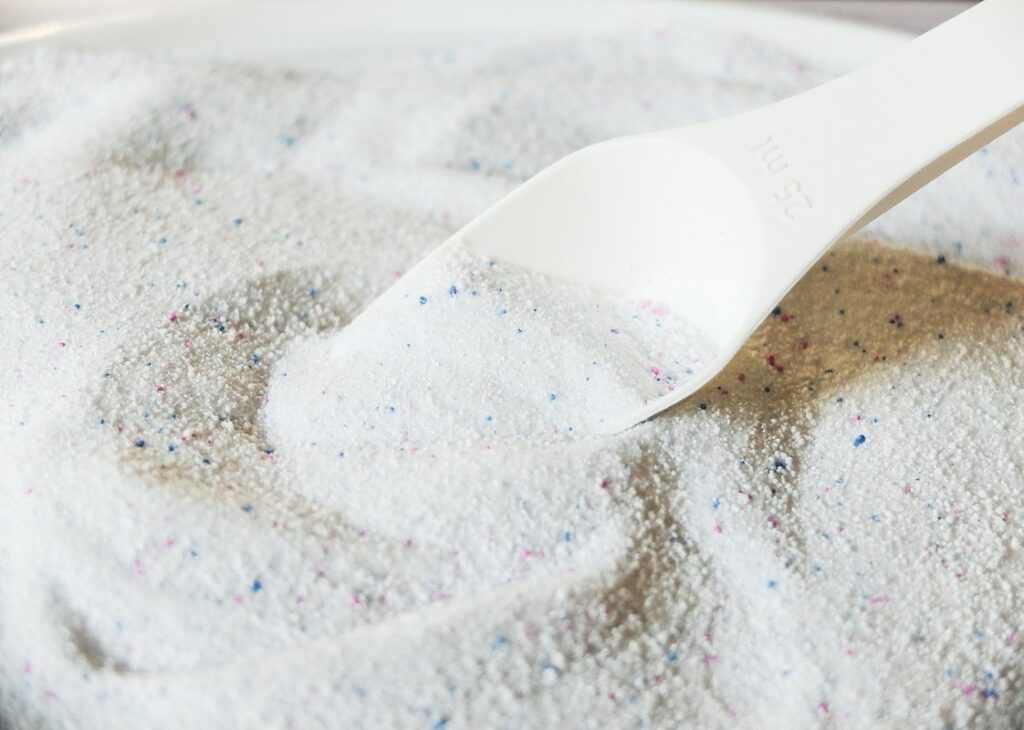
To make powdered or concentrated detergent options, you can modify the basic liquid recipe by adjusting the ratios of water to ingredients. One approach is to use a higher proportion of washing soda and borax, which will help create a more solid powder. You can also reduce or omit the essential oils entirely, as their purpose is primarily for fragrance.
When making powdered detergent, consider using an airtight container to store it, as it can become moisture-absorbing over time. Concentrated versions, on the other hand, are often made by reducing the water content while maintaining a higher concentration of active ingredients. This type may be more suitable for small loads or travelers.
Some users prefer powdered detergent because it’s easier to transport and doesn’t require measuring out liquid quantities. However, keep in mind that powdered formulas might not produce as rich a sudsing effect as their liquid counterparts. If you’re transitioning from liquid to powdered, you may need to adjust your washing machine’s settings or use an additional rinse aid to achieve optimal results.
You can make both powdered and concentrated detergent options using the same basic recipe, adjusting only the proportions of water and ingredients.
Frequently Asked Questions
We’ve got a lot of questions about making homemade liquid laundry detergent, and we’re happy to answer them all right here. From common concerns to troubleshooting tips, keep reading for our FAQ section.
Common Misconceptions about Homemade Laundry Detergent
Many people assume that homemade laundry detergent is less effective than store-bought detergents. However, when made correctly with the right ingredients and proportions, it can clean clothes just as well. In fact, some users report improved cleaning power due to the higher concentration of active agents in homemade recipes.
Another common misconception is that homemade detergent is not safe for use on sensitive skin or allergies. While it’s true that essential oils can cause irritation, many people use fragrance-free or hypoallergenic options without issue. Furthermore, most homemade detergents are free from harsh chemicals and dyes found in commercial products, making them a better choice for those with sensitivities.
Some individuals also worry about the pH level of homemade detergent, assuming it will disrupt skin balance. However, when using washing soda and baking soda as bases, the pH is typically within a safe range (around 9-10) that won’t cause irritation or harm skin health.
In reality, the biggest challenge to making effective homemade laundry detergent lies not in its safety or effectiveness, but rather in achieving consistent results through proper measurement and mixing.
Tips for Sharing Your Recipe with Friends and Family
When sharing your homemade liquid laundry detergent recipe with friends and family, consider scaling up production to accommodate larger quantities. This can be as simple as multiplying the ingredients by two or three times, depending on your needs. Keep in mind that increasing the batch size may affect the saponification process, so monitor the mixture’s consistency closely.
To package the finished product, use airtight containers or bottles with tight-fitting lids to prevent contamination and spoilage. You can also consider labeling the containers with the recipe name, ingredients, and any relevant instructions for use. This will help others who receive the detergent know how to use it effectively.
Another option is to decant the liquid into smaller, portable containers that are easier to store or transport. For example, you could fill 8-ounce bottles or glass jars with the finished detergent and attach a label with usage guidelines. This way, recipients can easily take a portion of the detergent on-the-go or use it in their own laundry routine.
When sharing your recipe, be mindful of any allergies or sensitivities that others may have to certain ingredients. Consider substituting essential oils or using fragrance-free alternatives to make the detergent more inclusive.
Frequently Asked Questions
Can I Use This Recipe for High-Efficiency Washing Machines?
Yes. However, keep in mind that high-efficiency (HE) washing machines require specific detergent formulations to work effectively. You may need to adjust the recipe or use a different surfactant to ensure optimal cleaning performance.
What Happens If My Homemade Detergent Doesn’t Lather Properly?
This can be due to several reasons, including incorrect ratios of ingredients, subpar quality of washing soda and baking soda, or inadequate mixing. Check your measurements and try adjusting the recipe accordingly. Also, make sure you’re using high-quality washing soda that’s specifically designed for laundry purposes.
Can I Add Essential Oils Directly to My Washing Machine Drum?
No. While essential oils can be a great addition to homemade detergent, adding them directly to the washing machine drum is not recommended. Instead, add the oil to the detergent mixture before pouring it into the washing machine or use an essential oil-safe laundry bag for safe and effective use.
What If I Accidentally Use Too Much Washing Soda and My Clothes Become Overly Alkaline?
This can be a common issue if you’re new to making homemade laundry detergent. To fix this, simply wash your clothes in hot water with some vinegar to help balance the pH levels. You can also adjust the recipe to use less washing soda in future batches.
Can I Scale Up This Recipe for Commercial Use or Sharing with Friends and Family?
While it’s technically possible to scale up this recipe for commercial use, you’ll need to ensure compliance with local regulations and labeling requirements. For sharing with friends and family, consider adjusting the quantities according to their needs and packaging the finished product safely and hygienically.

