
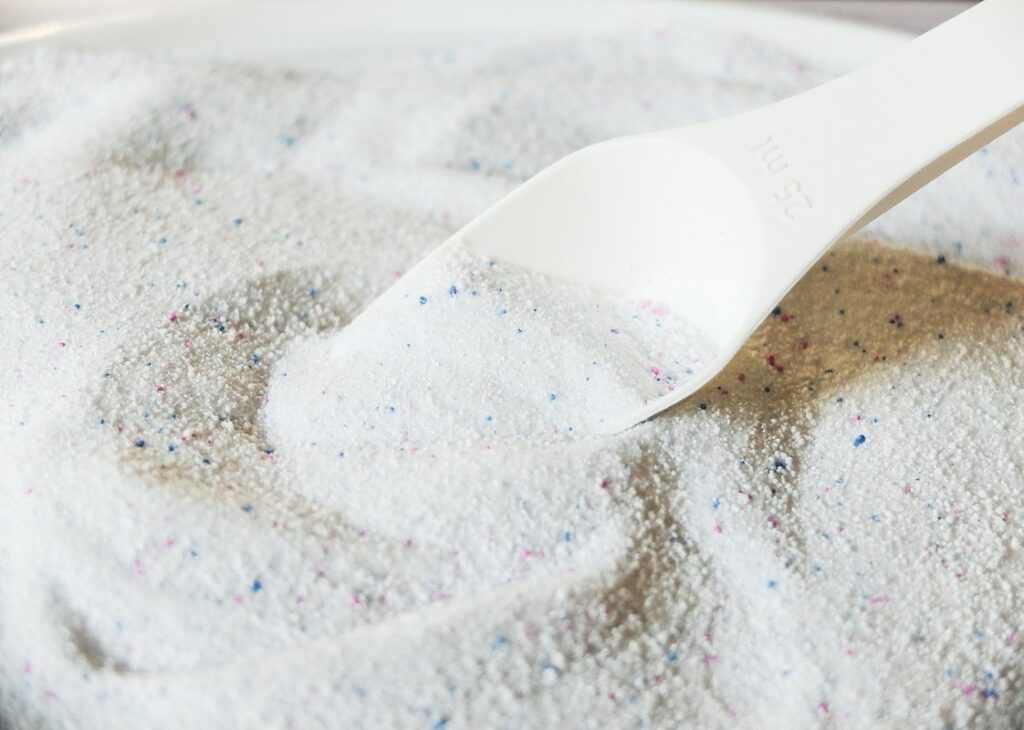
Making your own DIY dry laundry detergent is a simple yet effective way to take control of what goes into your cleaning products. You might be surprised at how easy it is to make a natural and cost-effective alternative to commercial detergents, which are often filled with harsh chemicals that can irritate skin and harm the environment. By switching to a DIY dry laundry detergent made from natural ingredients like baking soda, washing soda, and essential oils, you’ll not only reduce chemical exposure for your family’s health but also minimize your environmental impact by avoiding single-use packaging and reducing water pollution. In this article, you’ll learn how to make a batch of eco-friendly dry laundry detergent that will save you money in the long run and give you peace of mind about what you’re putting on your clothes.
Benefits and Advantages
Now that you’ve made the switch to DIY dry laundry detergent, let’s explore the benefits of making your own, from cost savings to healthier clothes.
Reduces Chemical Exposure
When you switch to a homemade dry laundry detergent, one of the primary health benefits is reduced exposure to harsh chemicals and allergens. Commercial detergents often contain dyes, fragrances, and preservatives that can trigger skin irritation, allergic reactions, or even respiratory issues in some individuals.
Many commercial detergents rely on sodium lauryl sulfate (SLS) for their cleaning power. However, SLS has been linked to skin irritation, especially among those with sensitive skin. In contrast, a well-formulated homemade dry laundry detergent can be made without SLS or other harsh chemicals, creating a healthier option for families.
When selecting ingredients for your DIY detergent, look for natural alternatives like soap nuts or washing soda that are gentle on skin and the environment. Some essential oils, such as tea tree oil, have antimicrobial properties that can help combat odor-causing bacteria in clothes. By choosing these gentler options, you can enjoy a safer and more sustainable laundry experience.
Cost-Effective Solution
Making your own dry laundry detergent at home can be a cost-effective solution for many households. When compared to store-bought alternatives, homemade detergent can save you up to 50% on laundry costs over time.
To put this into perspective, consider the average price of a popular brand’s dry laundry detergent. A typical 100-ounce container can cost between $10 and $15. This may seem like a reasonable expense for a family’s monthly laundry needs. However, when you factor in the long-term benefits of making your own detergent, the savings become substantial.
For example, let’s assume you spend $12 per month on store-bought dry laundry detergent. Over the course of a year, this adds up to $144. By contrast, the ingredients for a 100-ounce batch of homemade dry laundry detergent typically cost between $5 and $7. This translates to an annual savings of at least $120.
While initial setup costs may be higher due to purchasing the necessary ingredients in bulk, the long-term financial benefits of making your own dry laundry detergent make it an attractive option for many households.
Environmental Impact
Using DIY laundry detergent can significantly reduce packaging waste and lower a household’s carbon footprint. Traditional liquid detergents come in large plastic bottles with excess water, generating considerable waste during production and disposal. In contrast, dry detergent mixes are typically packaged in resealable bags or containers, minimizing the amount of single-use plastics involved.
Eco-friendly ingredients also play a crucial role in the environmental impact of DIY laundry detergent. For instance, choosing natural soap bases made from coconut oil, olive oil, or palm kernel oil reduces reliance on petroleum-based products and supports sustainable agriculture. Essential oils, often used for fragrance, are biodegradable and non-toxic, unlike synthetic fragrances found in commercial detergents.
When selecting ingredients, consider the environmental implications of each option. For example, using baking soda as a natural softener instead of phosphates can help preserve water quality and prevent aquatic life damage. By making informed choices about your detergent’s composition, you can minimize its ecological footprint and contribute to a more sustainable laundry practice.
Choosing the Right Ingredients
When making DIY dry laundry detergent, selecting the right ingredients is crucial for effective cleaning and gentle care of your clothes. Let’s take a closer look at the essential components you’ll need to get started.
Natural Soap Bases
When it comes to creating a gentle and effective dry laundry detergent, selecting the right natural soap base is crucial. Soap bases are concentrated mixtures of oils and fats that provide the cleansing power for your homemade detergent. Look for soap bases specifically designed for laundry use, as they typically contain surfactants and other additives that help with soil removal and fabric cleaning.
Some popular natural soap bases for DIY dry laundry detergent include castile soap, olive oil-based soap, and coconut oil-based soap. Castile soap is a popular choice due to its gentle yet effective cleaning power, while olive oil-based soap is a good option for those who prefer a more moisturizing detergent. Coconut oil-based soap is another excellent choice, offering excellent cleansing power without the need for harsh chemicals.
When selecting a natural soap base, consider your washing machine type and fabric preferences. For example, if you have an HE (high-efficiency) washing machine, choose a soap base that’s specifically designed for HE machines to prevent any potential issues with sudsing or clogging. Additionally, think about the level of moisturizing you prefer in your detergent – some soap bases are more hydrating than others, so choose accordingly to suit your needs.
Essential Oils and Fragrances
When it comes to adding fragrance to your DIY dry laundry detergent, essential oils are a popular choice. Not only do they provide a pleasant scent, but some oils also possess antimicrobial and antifungal properties that can help reduce odors and prevent the growth of bacteria on fabrics.
For optimal results, choose high-quality, pure essential oils specifically designed for use in aromatherapy or perfumery. Some common options include lavender, tea tree, and lemon. When using essential oils, always follow the recommended usage rates to avoid overpowering fragrances that might irritate skin or cause allergic reactions.
To incorporate essential oils into your detergent recipe, add a few drops (typically 10-15) per pound of detergent mix. You can also experiment with different oil combinations to create unique scents tailored to your preferences.
Some essential oils are more potent than others and may require adjustments to the usage rate. For example, peppermint or eucalyptus oils have strong aromas that should be used in smaller amounts (5-7 drops per pound) to avoid overwhelming fragrances.
When selecting an essential oil for laundry purposes, prioritize those with documented antimicrobial properties, such as tea tree oil, which has been shown to reduce bacterial growth on fabrics.
Other Additives and Options
When formulating your DIY dry laundry detergent, you may want to consider adding or substituting various ingredients for specific benefits. One popular option is baking soda, which can enhance the detergent’s ability to soften water and remove odors. However, be aware that using too much baking soda can leave residue on fabrics.
Another ingredient worth considering is washing soda, a natural mineral-based cleaner that helps eliminate tough stains and whiten clothes. When substituting washing soda for baking soda, keep in mind that it has a stronger alkalinity level, so use it sparingly to avoid fabric damage.
Citric acid is another useful additive that can help balance the pH of your detergent and improve its cleaning power. It’s particularly effective at removing mineral deposits and water spots on fabrics. When using citric acid, start with a small amount (about 1/4 cup per batch) and adjust as needed to avoid over-acidifying your detergent.
In addition to these ingredients, you may also want to explore other options like OxiClean or zeolite, which can help absorb odor-causing substances and improve stain removal.
Preparing the Detergent Mix
To create a effective detergent mix, you’ll need to accurately measure and combine the dry ingredients, following our recipe guidelines carefully. This section will walk you through that process step-by-step.
Measuring and Mixing
To ensure accurate results when making DIY dry laundry detergent, it’s essential to measure and mix the ingredients carefully. For a basic recipe, you’ll typically need 2 cups of washing soda, 1 cup of borax, and 1 bar of soap (such as Fels-Naptha or Zote) grated into small pieces.
When measuring, use a digital kitchen scale for precise measurements to avoid over- or under-dosing. A common mistake is not using the right ratio of ingredients; this can lead to ineffective cleaning power or an unpleasant texture in your homemade detergent. For example, if you’re using too much washing soda, it may cause skin irritation.
To mix the ingredients, combine the grated soap and both dry ingredients in a large bowl. Stir until the mixture is well combined and free of clumps. Avoid over-mixing, as this can create dust or powder that’s difficult to store. A basic mixing method involves using a spoon or spatula to gently fold the ingredients together until they’re evenly distributed. Be sure to label your storage container with the date and ingredient list for future reference.
Storage and Shelf Life
To keep your homemade dry laundry detergent fresh and effective, it’s essential to store it properly. Store the detergent mix in an airtight container, such as a glass jar with a tight-fitting lid or a plastic bin with a secure seal. This will protect the ingredients from air, moisture, and light exposure.
A typical shelf life for homemade dry laundry detergent is 6-12 months. However, this duration can be affected by factors like storage conditions and ingredient quality. If you notice any changes in texture, color, or odor, it’s best to err on the side of caution and discard the mixture. Check the container regularly for signs of spoilage, such as mold growth or a strong musty smell.
When handling your homemade detergent, avoid exposing it to high temperatures, direct sunlight, or moisture. Keep the container away from humid areas like basements or laundry rooms. If you live in an area with extreme temperatures, consider storing the detergent mix in a cooler location. This will help maintain its potency and prevent degradation of the ingredients.
Using Your Homemade Detergent
Now that you’ve made your own dry laundry detergent, it’s time to learn how to use it effectively and get the most out of its natural ingredients. Proper usage will ensure great cleaning results without any hassle.
Loading and Washing Tips
When using your homemade dry laundry detergent in a washing machine, it’s essential to follow some basic loading and washing tips to ensure effective cleaning. Start by measuring out the recommended amount of detergent for a single load – typically 1-2 tablespoons, depending on the size of the washload.
To avoid clumping or uneven distribution, pour the detergent directly into the drum or gasket area before adding clothes. You can also use a small scoop or spoon to portion out the correct amount, especially when using smaller quantities for hand-washing or delicate items.
When washing heavily soiled clothes, you may need to adjust the load size or add an extra rinse cycle to ensure thorough cleaning. Conversely, if you’re washing lighter loads like towels or t-shirts, you can often get away with a single rinse cycle.
For high-efficiency (HE) washers, use cold water and avoid overloading the machine – this will help prevent excessive detergent residue buildup in the drum.
Fabric Compatibility
When it comes to fabric compatibility, it’s essential to understand how your DIY dry laundry detergent will interact with different fibers. Cotton is a good starting point, as it’s one of the most common fabrics found in clothing and bedding. The baking soda and washing soda in your homemade detergent are gentle on cotton, but if you’re using a lot of fabric softener sheets or dryer balls, they may leave a residue that affects cotton’s breathability.
Polyester, on the other hand, can be a bit more challenging. Since polyester is often blended with other fibers, it’s best to test your DIY detergent on a small load first. If you’re unsure about the composition of your clothes, err on the side of caution and start with a small batch or even just one item.
Wool and delicate fibers require extra care when washing with homemade detergent. Avoid using too much baking soda, as it can strip wool of its natural oils. Instead, opt for a milder recipe that includes more soap base and less abrasive ingredients. For delicate items like lingerie or silk, consider hand-washing them in cold water with a gentle soap specifically designed for the fabric type.
Here are some general guidelines to follow:
- Use a mild detergent recipe for wool and delicate fibers
- Avoid overusing baking soda on cotton
- Test your DIY detergent on small loads before washing larger batches
- Consider hand-washing delicate items in cold water
Troubleshooting Common Issues
We know that even with a simple recipe, things can go wrong – so let’s tackle some common issues you might encounter when making your own DIY dry laundry detergent.
Inadequate Cleaning Power
If your homemade dry laundry detergent isn’t cleaning clothes effectively, there are several potential causes to consider. First, check if you’ve used an insufficient amount of detergent per load. This can lead to inadequate cleaning power, especially for heavily soiled or bulky items. Make sure to follow the recipe’s guidelines and adjust quantities based on your washing machine’s capacity.
Another possible cause is using a low-quality or ineffective soap base. Natural soap bases vary in their cleaning properties, so it may take some experimentation to find one that works well for you. Consider switching to a different brand or type of soap base if you’re not satisfied with the results.
Inadequate rinsing can also contribute to poor cleaning performance. Ensure your washing machine is set to a complete rinse cycle and check the detergent’s instructions for any specific recommendations on water temperature or rinse settings.
If you’ve ruled out these potential causes, it may be worth tweaking your recipe or trying a different brand of soap base. Keep in mind that some natural detergents might not produce as much foam as commercial products, but this doesn’t necessarily indicate poor cleaning power – simply observe the clothes’ cleanliness after washing.
Skin Irritation or Allergic Reactions
If you experience skin irritation or allergic reactions after using your DIY laundry detergent, it’s likely due to one of three main culprits: sensitive skin, essential oil overload, or harsh soap bases. When making adjustments, start by reevaluating the essential oils and fragrances in your recipe. Consider reducing the amount of fragrance or switching to a gentler alternative.
Some people are naturally more prone to skin irritation, so if you’re one of them, it’s best to err on the side of caution. You can try substituting a milder soap base, such as glycerin-based or castile soap, for the one you’re currently using. Be aware that changing soap bases may affect the detergent’s cleaning power.
Another option is to omit essential oils altogether and rely on the natural scent of your ingredients instead. If irritation persists, take a closer look at your washing routine. Are you using too much detergent or exposing delicate fabrics to high temperatures? Adjusting these factors can also help alleviate skin issues.
Frequently Asked Questions
Here is the content for the “Frequently Asked Questions” section:
One of the most common questions about DIY dry laundry detergent is whether it will really clean clothes as well as commercial detergents. The answer is a resounding yes, but with a few caveats. To get the best results, make sure to use high-quality ingredients and follow the recipe carefully. You’ll also want to note that DIY detergent may not produce as much foam as commercial detergent, which can be a sign of its effectiveness.
Another question we often hear is about the shelf life of homemade laundry detergent. Generally, it’s safe to store your dry mix in an airtight container for up to 6 months, but it’s best to use within 3-4 months for optimal performance. You should also check on the freshness of your mix periodically and replace it if you notice any clumping or mold.
When making DIY detergent, some people worry about using natural ingredients that are not as harsh on skin, but still effective at cleaning clothes. Some popular alternatives to traditional detergents include washing soda, baking soda, and essential oils like lavender and tea tree oil. These ingredients are gentle yet tough on dirt and stains, making them perfect for sensitive skin or allergies.
Some people may be concerned about the amount of detergent needed per load – will using less really get clothes clean? The answer is yes, but you’ll need to adjust your dosage depending on how dirty your clothes are. A general rule of thumb is 1-2 tablespoons per load, but this can vary depending on your washing machine and personal preference.
When it comes to using DIY detergent with high-efficiency (HE) washing machines, some people wonder if they’ll void their warranty by making their own laundry detergent. The good news is that most HE machines are designed to work with homemade detergents, as long as you follow the manufacturer’s guidelines for usage and detergent type.
One final question we get asked a lot is about the cost savings of making your own laundry detergent. While it may take some initial investment in ingredients and time, making your own detergent can save you up to 50% on your laundry costs over the course of a year.
Frequently Asked Questions
Can I Use Different Essential Oils for Each Load of Laundry?
Yes. You can use different essential oils for each load of laundry to create unique fragrances and benefits. Simply replace the recommended amount of essential oil with your preferred scent in each batch of DIY dry detergent mix.
What If I Have Sensitive Skin or Allergies, But My Family Members Don’t? Can We Still Use Homemade Detergent?
Yes. While it’s generally safer to err on the side of caution when introducing new ingredients into your home, many people with sensitive skin have successfully used homemade laundry detergent without issues. Consider starting with small batches and testing the detergent on a single load before using it for larger quantities.
How Do I Handle Over-Mixing or Under-Mixing My Detergent Mix?
Over-mixing can cause the detergent to become too dense, while under-mixing may result in an inconsistent texture. If you notice your detergent is clumping or not dissolving properly, try adjusting your mixing ratio and re-preparing the mix.
Can I Make a Large Batch of DIY Detergent and Store It for Months?
Yes. When stored properly in an airtight container, homemade laundry detergent can be safely used for several months without significant degradation in quality. However, if you notice any changes in texture or scent, it’s best to discard the mix and re-make a fresh batch.
What If I Run Out of Washing Soda or Baking Soda? Can I Substitute with Other Ingredients?
Yes. While washing soda is an essential component of many DIY laundry detergent recipes, there are alternatives available for emergency situations. You can use baking soda as a substitute in some cases, but be aware that it may affect the pH balance and performance of your detergent. Consider experimenting with small batches to find suitable replacements.

