
Laundry day can be a daunting task, consuming hours of your precious time and energy. Sorting clothes, washing machine maintenance, and ensuring you’re using the right techniques to get the job done efficiently all contribute to the overwhelm. But what if you could save yourself from the drudgery and achieve clean clothes without breaking the bank? You’d be amazed at how much you can save by implementing a few simple yet effective changes to your laundry routine. This comprehensive guide will walk you through the most efficient techniques for sorting, washing, and drying your clothes. You’ll learn how to extend the life of your washing machine, reduce energy consumption, and optimize your detergent usage. By the end of this article, you’ll be equipped with the knowledge to streamline your laundry process and start saving time, money, and energy.
Understanding Your Laundry Needs
Your laundry needs can vary greatly depending on your lifestyle, household size, and personal preferences. Let’s take a closer look at how to assess and tailor your laundry routine accordingly.
Identifying Your Family Size and Laundry Frequency
When it comes to planning an effective laundry routine, understanding your family size and laundry frequency is crucial. To determine your family size, simply count the number of people living in your household. This includes children, adults, and even pets who shed heavily. Consider their ages as well – for instance, young children tend to create more mess than older kids.
To calculate your laundry frequency, think about how often you do laundry now. Ask yourself: do I wash clothes every day or two times a week? Do I have a large family or a small one? Do my family members work from home or commute daily? Consider the type of clothing they wear most often – for example, athletic wear requires more frequent washing than casual t-shirts.
Take note that some families may need to do laundry multiple times a day, especially if someone in the household works outdoors or engages in sports regularly. Others might get away with washing clothes only once a week. Knowing your family size and laundry frequency will help you plan your routine effectively and prevent over- or under-laundrying.
Sorting Clothes: A Beginner’s Guide
Sorting clothes correctly is crucial to prevent damage and fading. Delicates like lingerie, silk, and wool require separate washing from regular clothes to avoid snagging or running. Heavy-duty items such as towels, jeans, and workout clothes should be washed separately from lighter items to prevent damage.
When it comes to colors, sorting by lightness can help prevent bleeding. Wash dark colors together with other darks, and light colors with other lights. This rule also applies to new clothes, which may run or bleed in the wash. Check your labels for specific washing instructions before mixing and matching.
To simplify sorting, assign a color-coded system to each family member’s laundry. For example, each person can have a specific colored bin in their room for collecting dirty clothes. This way, it’s easy to know what to sort together when doing laundry day. Be mindful of whites and lights as they tend to fade quickly if washed with darks. Regularly sorting clothes by type and color can help maintain the quality and longevity of your garments.
Choosing the Right Detergent and Supplies
When it comes to laundry, the right detergent and supplies can make all the difference – let’s talk about how to choose them wisely. Selecting a good detergent is essential for clean clothes and a fresh-smelling laundry room.
Selecting an Eco-Friendly Laundry Detergent
When it comes to laundry detergents, you may not think about the environmental impact of your choices. However, conventional detergents can harm aquatic ecosystems and contribute to pollution. Eco-friendly alternatives, on the other hand, are designed with sustainability in mind.
Look for detergents that use plant-based ingredients, biodegradable formulas, and minimal packaging. Some popular certifications to watch out for include USDA BioPreferred, EPA Safer Choice, and Leaping Bunny. These labels ensure that the product meets certain standards for environmental responsibility.
Consider your water type when selecting an eco-friendly detergent. If you have hard water, choose a detergent that’s specifically designed for your needs. You may also want to consider a detergent with a low suds factor, which can be gentler on washing machines and reduce energy consumption. Finally, don’t forget to check the ingredient list for any allergens or irritants if you or a family member has sensitive skin. By making this one simple switch, you can help reduce your laundry’s environmental footprint while still achieving clean clothes.
Using the Right Fabric Softener and Stain Remover
When it comes to laundry supplies, many people use fabric softener and stain remover interchangeably. However, these two products serve distinct purposes. Fabric softeners are designed to reduce static cling and leave a pleasant scent on your clothes, whereas stain removers are specifically formulated to target tough stains like food, grass, or mud.
Choosing the right fabric softener is crucial. Opt for a product that’s gentle yet effective for your washing machine type (high-efficiency or standard). Some popular brands include Downy, Gain, and Arm & Hammer. When it comes to stain removers, look for products that contain enzymes, which break down protein-based stains like blood and grass.
Some notable examples of stain removers include Shout Advanced Stain Remover and OxiClean Versatile Stain Remover. These products can be applied directly to the stain before washing or used as a pre-treatment spray. Remember to always follow the instructions on the label, as some stain removers may not be suitable for all fabrics. By selecting the right fabric softener and stain remover, you’ll be able to tackle even the toughest laundry challenges with ease and confidence.
Washing Machine Maintenance and Energy Efficiency
Regular washing machine maintenance is crucial for efficient energy use, and making a few simple adjustments can significantly impact your utility bills. Proper upkeep also extends the life of your appliance.
Regular Cleaning and Maintenance of Your Washing Machine
Regular cleaning and maintenance of your washing machine are crucial to prevent mold and mildew buildup. Over time, fabric softener residue and detergent particles can accumulate inside the machine, creating a perfect environment for bacteria and mold to thrive. If left unchecked, this can lead to unpleasant odors and even affect the quality of your laundry.
To clean your washing machine regularly, run a hot water cycle with 1 cup of white vinegar added to the drum. This will help dissolve any mineral deposits and eliminate any built-up detergent residue. Repeat this process every 1-2 months for optimal results. You can also use a washing machine cleaner or a product specifically designed to remove mold and mildew.
In addition to cleaning your washing machine, regularly inspecting its gasket and seals is essential. Check for signs of wear and tear, such as cracks or tears, and replace the gaskets if necessary. A faulty seal can cause water leaks, leading to damage to your floor and surrounding areas.
Energy-Efficient Laundry Tips: Saving Money and Reducing Carbon Footprint
Using cold water is one of the simplest ways to reduce energy consumption during laundry. Hot water accounts for up to 90% of a washing machine’s energy usage, so switching to cold can save significant amounts. Not all clothes require hot water – in fact, most fabrics can be washed in cold or warm settings without compromising cleanliness.
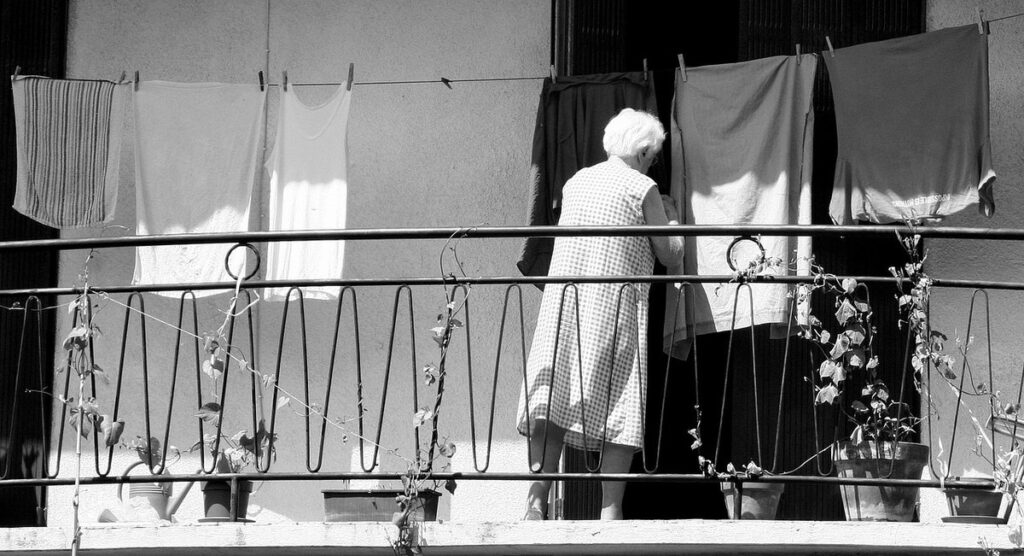
Air drying is another effective way to cut down on energy waste. Instead of using a tumble dryer, hang your clothes outside or use a drying rack indoors. This not only reduces energy consumption but also prolongs the lifespan of your clothing by preventing wear and tear caused by high heat.
When shopping for a new washing machine, look for one with an Energy Star rating, indicating it meets energy efficiency standards set by the US Environmental Protection Agency. Additionally, consider machines with features like moisture sensors and delayed start capabilities, which can help reduce energy usage even further. By implementing these simple changes, you can make a tangible impact on your household’s carbon footprint while also saving money on utility bills.
Drying Clothes Effectively: Tips for Speed and Efficiency
To maximize your laundry efficiency, learn how to dry clothes quickly and effectively by utilizing smart drying techniques and clever use of space in your home. Proper air circulation is key to speeding up the drying process.
Choosing the Right Dryer Settings for Your Clothes
When it comes to drying clothes, selecting the right settings can be just as crucial as choosing the right washing cycle. Most modern dryers come with a range of options, including normal, delicate, and heavy-duty cycles. However, not all fabrics require the same level of heat or tumbling.
To prevent damage, start by identifying the type of clothing you’re drying. Delicates like lingerie, silk, or wool should be dried on a low-heat setting to prevent shrinkage and preserve their texture. Heavy-duty items like towels and jeans can handle higher heat settings, but may still require a slightly longer drying time.
For everyday clothes like t-shirts and sweatpants, a normal cycle is usually sufficient. However, if you notice your clothes are taking too long to dry or emerging from the dryer wrinkle-prone, it’s worth considering adjusting the temperature setting or adding a moisture-sensing feature to prevent over-drying. By choosing the right dryer settings for each load, you can not only save time but also extend the lifespan of your garments. This small adjustment can make a significant difference in maintaining the quality and appearance of your clothes.
Air Drying vs. Machine Drying: Pros and Cons
Air drying clothes is often considered a more energy-efficient option compared to machine drying. On average, air drying uses around 2-3 times less electricity than machine drying. For example, if you dry one load of laundry using an electric dryer, it can cost between $0.50 to $1.00. In contrast, air drying the same load can save you up to $0.30.
However, machine drying has its own advantages. It’s a faster option, as most modern machines take around 45-60 minutes to dry a single load. Air drying, on the other hand, can take anywhere from several hours to an entire day, depending on factors such as temperature and humidity levels.
When it comes to fabric care, air drying is often preferred for delicate or woolen items that may shrink or lose their shape with machine drying. For these types of fabrics, air drying indoors using a drying rack or clothesline can help preserve their texture and quality.
Folding and Ironing Like a Pro
Now that you’ve mastered the art of washing and drying, it’s time to tackle the final steps: folding and ironing your laundry like a pro. We’ll share expert tips on smoothing out wrinkles and achieving crisp, professional-looking results.
Mastering the Art of Folding Clothes Efficiently
Folding clothes efficiently is an art that requires practice, but with a few simple techniques and tools, you can master it. One of the most effective ways to fold clothes quickly is by using a folding board. This sturdy surface helps maintain the shape of garments as you fold them, reducing wrinkles and creases. When working with delicate items like lingerie or dresses, a folding board’s stability ensures smooth folds without stretching or distorting the fabric.
Another technique for efficient folding is rolling. This method is particularly useful for towels, t-shirts, and pants. To roll a garment, start by folding it in half lengthwise, then fold the sleeves towards the center and finally, roll the entire item into a compact cylinder. This method saves time and reduces ironing needs.
Investing in a few quality folding boards and practicing rolling techniques can significantly speed up your laundry routine. For instance, rolling t-shirts instead of folding them allows you to stack them neatly without creating bulk or wrinkles. By incorporating these simple strategies into your folding process, you’ll enjoy a more streamlined and efficient laundry experience.
Removing Wrinkles with Ease: Tips for Ironing Clothes
Ironing is an essential step in achieving crisp, wrinkle-free clothes. To start, choose the right temperature setting on your iron. Delicate fabrics like silk and wool require low heat, while cotton and linen can handle higher temperatures. Make sure to check the care label of your garment for specific instructions.
When it comes to steam, use it sparingly on delicate or woolen items, as excessive moisture can cause shrinkage or felting. For thicker fabrics, a moderate steam setting is usually sufficient. Ironing with steam can help relax wrinkles and smooth out creases, but be cautious not to scorch the fabric.
To remove stubborn wrinkles, try ironing over a damp cloth instead of directly on the garment. This helps distribute heat evenly and prevents burning. You can also use a pressing cloth for delicate or woolen items, allowing you to iron with confidence without damaging the fabric. For particularly stubborn creases, try using a steam spray on the affected area before ironing. With practice and patience, removing wrinkles becomes easier, and your clothes will look fresh and well-cared-for.
Troubleshooting Common Laundry Issues
We all encounter frustrating laundry issues from time to time, and knowing how to resolve them can save you a lot of hassle and stress. Let’s tackle some common problems that often leave us stumped.
Dealing with Stains and Spills
When dealing with stains and spills, it’s essential to act quickly. Ink spots can be notoriously difficult to remove, but applying white vinegar directly to the stain followed by a cold water rinse often does the trick. For more stubborn ink stains, consider using an oxygen-based bleach like OxiClean.
Grass stains are another common issue, particularly after summertime activities or gardening sessions. To tackle these, try soaking the affected area in cold water with a laundry pre-treater containing enzymes that break down protein-based stains. Then, wash as usual with a mild detergent.
Red wine spills require prompt attention to prevent permanent damage. Start by blotting the stain with a clean cloth or paper towel – don’t rub it, as this can push the stain deeper into the fabric. Next, apply white wine (yes, you read that right) or a commercial red wine remover directly to the stain and let it sit for about 10 minutes before rinsing.
Pre-treat any remaining stains with an enzyme-based laundry detergent booster and then wash in cold water to prevent further damage. Regular maintenance like pre-treating tough stains can make all the difference in keeping your clothes looking their best.
Repairing Tears and Holes in Clothes
To repair tears and holes in clothes using basic sewing techniques, start by gathering the necessary materials: a needle, matching thread, and a darning mushroom or a patching material. For larger holes, you can use a patching material like felt or interfacing to create a stable base for stitching. Darn small holes with an embroidery needle and thin yarn, working from the back of the fabric to maintain a smooth finish.
When applying patches, ensure they’re slightly smaller than the hole and centered. Use a whipstitch or running stitch to secure them in place, then trim excess thread. For more substantial repairs, you can use a patching material with an adhesive backing for added stability.
To darning small holes, insert the needle from back to front, making small stitches that intersect the existing fabric threads. Repeat this process, moving the yarn along as needed, until the hole is filled and hidden. Be patient and work slowly to achieve a seamless repair. By mastering these basic sewing techniques, you can extend the life of your clothes and avoid replacing items unnecessarily.
Frequently Asked Questions
Can I use eco-friendly laundry detergent in high-efficiency washing machines?
Yes, most eco-friendly detergents are designed to work with HE washing machines. However, always check the product label or manufacturer’s instructions to ensure compatibility.
How often should I replace my washing machine filters?
It’s recommended to replace your washing machine filters every 1-3 months, depending on usage and soil levels in your laundry. Regular cleaning can also extend filter lifespan.
What if I have a large family with multiple young children – how do I adapt this laundry routine for efficiency?
Consider investing in a larger capacity washer or doing laundry in batches throughout the day. You may also want to prioritize washing heavily soiled items separately from lighter loads to prevent re-soiling clothes.
Can I air dry delicate or woolen items outside, or is that too harsh for them?
While some delicate or woolen items can be air dried outside, it’s generally safer to use a drying rack indoors to prevent exposure to direct sunlight and potential damage from wind or dust.

