
Fermenting vegetables is an ancient practice that has seen a resurgence in popularity, but few people have explored the world of fermenting carrots. This often-overlooked root vegetable can add a depth of flavor and nutritional punch to any dish, making it a great candidate for fermentation. Not only do fermented carrots offer a tangy twist on traditional recipes, but they also provide a wealth of health benefits, including enhanced gut health and increased bioavailability of nutrients. By following our comprehensive guide, you’ll learn the ins and outs of fermenting carrots at home, including tips on choosing the right ingredients, creating a perfect brine, and storing your fermented carrots for optimal flavor and nutrition. By the end of this article, you’ll be able to create your own delicious batch of fermented carrots.
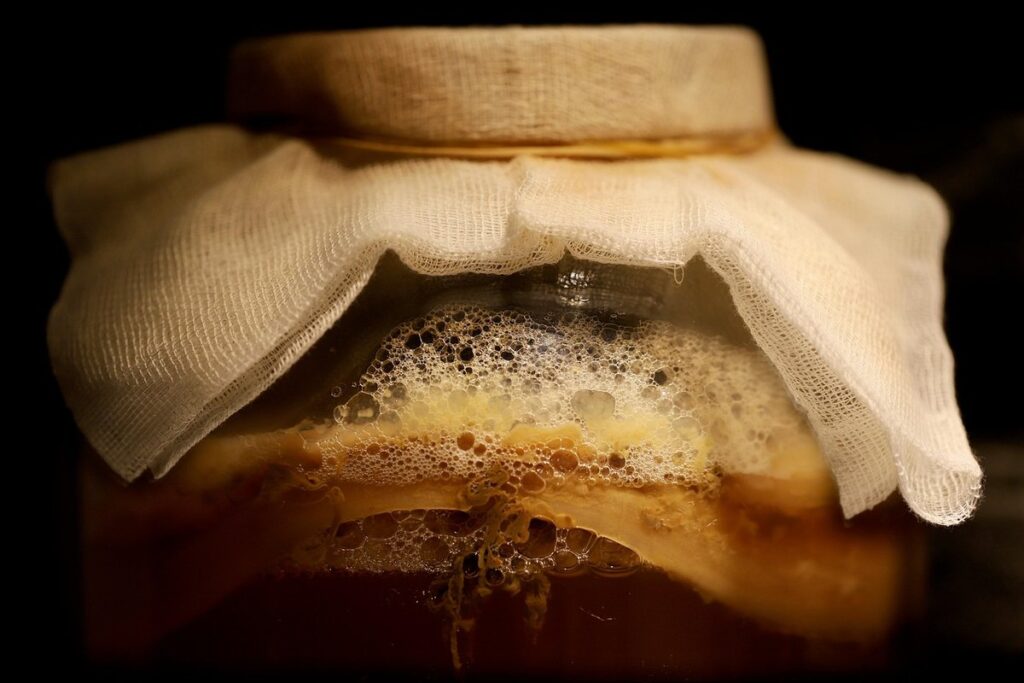
Understanding Fermentation Basics
To get started with fermenting carrots, it’s essential to understand the basics of fermentation, including the role of microorganisms and the conditions required for them to thrive.
What is Fermentation?
Fermentation is a natural process that involves breaking down food using microorganisms, preserving it, and enhancing its nutritional value. This process has been used for centuries to preserve fruits, vegetables, and other foods by allowing beneficial bacteria like Lactobacillus and Bifidobacterium to feed on the sugars present in the food.
During fermentation, the natural enzymes within the food break down the cell walls, making it easier for microorganisms to penetrate and multiply. As these microbes feed on the food’s sugars, they produce compounds that give fermented foods their distinctive flavors, textures, and aromas. This process not only preserves the food by removing excess moisture and preventing spoilage but also increases its nutritional value by creating more bioavailable vitamins, minerals, and other beneficial compounds.
The type of microorganisms involved in fermentation can vary depending on factors such as temperature, pH level, and oxygen availability. For example, lactic acid bacteria are commonly used to ferment vegetables like carrots, while yeast is often employed for fermenting grains and fruits. By understanding the fundamental principles of fermentation, you’ll be better equipped to experiment with different recipes and techniques in your own kitchen.
Benefits of Fermented Foods
Fermented foods have been a staple in many cuisines for centuries, and for good reason. They offer a wealth of benefits that can improve overall health and wellbeing.
One key advantage of fermented foods is their ability to support gut health. The fermentation process creates lactic acid, which helps to break down proteins and increase the bioavailability of nutrients. This can lead to improved digestion, reduced symptoms of irritable bowel syndrome (IBS), and even a stronger immune system. For example, studies have shown that individuals who consume fermented foods regularly have higher levels of beneficial gut bacteria than those who do not.
In addition to supporting gut health, fermented foods also increase nutrient absorption. The lactic acid produced during fermentation can help to release locked-away nutrients from plant-based foods, making them more accessible to the body. This is particularly important for individuals with restricted diets or those looking to maximize their nutritional intake. By incorporating fermented carrots into your diet, you can experience these benefits firsthand and enjoy a range of flavors and textures in the process.
Fermented foods also play a crucial role in boosting immune system function. The probiotics present in fermented foods help to support the growth of beneficial bacteria in the gut, which can aid in the production of antibodies that fight off infections. By making fermented foods a regular part of your diet, you can give your immune system an extra boost and stay healthy throughout the year.
Choosing the Right Carrots for Fermenting
When it comes to fermenting carrots, selecting the right variety is crucial for flavor and texture. Choose from Nantes, Danver, and other popular options that thrive in fermentation.
Varieties of Carrots Suitable for Fermentation
When it comes to fermenting carrots, not all varieties are created equal. Some types of carrots are better suited for fermentation due to their unique characteristics and texture. Nantes carrots, for example, have a sweet flavor and tender flesh that makes them an excellent choice for fermented carrot recipes. They also retain their crunchiness even after the fermentation process.
Danver carrots are another popular variety for fermentation. Their slightly sweeter taste and firmer texture make them ideal for adding depth to your fermented carrot dishes. Danvers are also relatively easy to find in most supermarkets, which is a bonus for beginners.
Thumbelina carrots are a miniature variety that pack a big punch when it comes to flavor. Their sweet and nutty taste makes them perfect for adding a twist to traditional fermented carrot recipes. Keep in mind that Thumbelinia carrots may require slightly longer fermentation times due to their smaller size.
For the best results, look for carrots with bright colors and firm textures. Avoid soft or wilted carrots as they may not ferment properly. By choosing the right variety of carrots, you’ll be well on your way to creating delicious and crunchy fermented carrot dishes that add a tangy twist to any meal.
Preparing Carrots for Fermentation
To prepare carrots for fermentation, you’ll need to start with clean and properly handled vegetables. Begin by washing the carrots under cold running water to remove any dirt or debris. Scrub them gently with a vegetable brush if necessary. Once cleaned, peel the carrots using a vegetable peeler or a sharp knife.
Next, decide on your desired shape for fermentation. Carrots can be chopped into small pieces, sliced into coins, or left in their entirety. For most recipes, a mix of shapes and sizes will promote even fermentation and texture. Use a chef’s knife or a mandoline to chop or slice the carrots according to your recipe.
For best results, it’s essential to remove any green tops from the carrots before fermenting them. These can be used in other dishes or discarded. If using baby carrots, make sure to peel them thoroughly as their skin may not be completely tender.
Creating a Fermented Carrot Recipe
Let’s get creative and start crafting our very own fermented carrot recipe, tailored to our unique tastes and preferences. We’ll explore the basic components that make up this versatile dish.
Basic Ingredients and Equipment Needed
To ferment carrots successfully, you’ll need some basic ingredients and equipment. Start with a large jar or crock, such as a ceramic or glass container with a wide mouth, to allow for easy packing and expansion of the carrot mass during fermentation.
Salt is another essential component – use a non-iodized salt like sea salt or kosher salt, which has larger crystals that won’t dissolve too quickly in water. The general rule of thumb is to use 1-2% salt by weight of the carrots, so for example, if you’re using 1 pound of carrots, add 0.5-1 ounce (14-28 grams) of salt.
You’ll also need a vessel for mixing and storing your fermented carrot liquid – a wooden spoon or plastic spatula will do the trick. Additionally, consider investing in a weight or stone to keep the carrots submerged beneath the brine, as this helps prevent mold from forming. Water is, of course, a given, but make sure it’s fresh and filtered to avoid any off-flavors or contaminants.
In terms of quantities, you can start with a small batch using 1-2 pounds (450g-900g) of carrots – this allows for easier handling and monitoring during the fermentation process.
Weights and Ratios: A Guide to Fermenting Carrots
When fermenting carrots, it’s essential to strike the right balance between carrot weight and liquid ratio. This balance is crucial for promoting healthy fermentation, preventing over-acidification, and achieving the desired texture. A good starting point is to use a 1:2 or 1:3 ratio of carrots to liquid. For example, if you’re using 1 kilogram (2.2 pounds) of carrots, add 2-3 kilograms (4.4-6.6 pounds) of liquid.
A general guideline is to use about 50-75% more liquid than the weight of the carrots. This allows for some flexibility and accommodates the natural variation in carrot density. For a standard 1-liter jar, aim for approximately 800-1000 grams (1.8-2.2 pounds) of carrots and 1.5-2 liters (51-68 ounces) of liquid.
To give you a better sense of the ratios, consider the following examples: a small batch with 200g (7oz) of carrots would require around 300-400ml (10-13 oz) of liquid, while a larger batch with 1kg (2.2lb) of carrots would need about 2-3 liters (68-101 ounces) of liquid.
The Fermentation Process: Monitoring Progress
Now that you’ve prepared your carrots for fermentation, it’s essential to monitor their progress to ensure they develop the perfect balance of flavors and textures. This process involves regular checks on temperature, weight, and smell.
Understanding the Fermentation Timeline
Fermentation typically takes 3-5 days to reach its peak flavor and texture. During this time, you’ll notice a series of changes: at around 24 hours, the carrots will start to soften and release their juices, creating a brine that helps to inhibit the growth of unwanted bacteria.
By day 2 or 3, the fermentation process accelerates, and you may see bubbles forming on the surface or hear a gentle bubbling sound. This is a sign that lactic acid is being produced, which will help preserve your carrots and give them their signature tanginess.
As the fermentation nears completion, usually around day 4-5, the carrots should be slightly shriveled but still crunchy. The texture may vary depending on factors like salt content, temperature, and carrot variety. Keep an eye out for off odors or slimy textures, which can indicate over-fermentation.
To ensure your carrots reach their optimal fermentation stage, regularly check on them by gently pressing the surface with a spoon or tasting a small portion. This will help you identify when they’re ready to be stored in the fridge or used as an ingredient in recipes.
Checking for Proper Fermentation
When checking for proper fermentation, you’re looking for a few key signs. First, inspect the carrots for any visible mold or sliminess on the surface. If you notice either of these issues, discard the batch immediately as it may have gone bad. Next, smell the fermented carrots – they should have a tangy, slightly sour aroma that’s often described as earthy or umami.
On the other hand, if your fermented carrots develop an off-putting odor, such as ammonia or gasoline-like smells, this is a clear indication that something has gone wrong and you should toss them. As for texture, properly fermented carrots should be crunchy on the outside and slightly soft within. If they’re too soft or mushy, it may indicate over-processing.
Other factors to consider include the fermentation time – if your batch has exceeded 7-10 days, there’s a risk of over-acidification, which can lead to off-flavors and textures. Check for bubbles forming on the surface, as these indicate activity within the ferment. Finally, observe the color change – fermented carrots will typically turn from bright orange to a deeper, more muted shade.
If you notice any of these red flags or signs of improper fermentation, discard the batch immediately and start over with fresh ingredients.
Storage and Serving Suggestions
Now that you’ve mastered the art of fermenting carrots, let’s talk about how to store them properly to maintain their crunch and flavor. Proper storage will keep your fermented carrots fresh for weeks to come.
Storing Fermented Carrots
Once you’ve completed fermenting your carrots, it’s essential to store them properly to preserve their flavor and nutritional value. Fermented carrots can be stored in the refrigerator or frozen for later use.
To store fermented carrots in the fridge, place them in a clean glass jar with a tight-fitting lid, leaving about 1 inch of space at the top. You can store them in the coldest part of the fridge, usually the bottom shelf. Keep in mind that fermentation will continue to occur, albeit slowly, so check on them periodically to ensure they don’t over-ferment.
For longer-term storage, freezing is a great option. Simply pack the fermented carrots into an airtight container or freezer bag, pressing out as much air as possible before sealing. Frozen fermented carrots can be stored for up to 6 months and used in soups, stews, or as a side dish when thawed.
When storing either refrigerated or frozen fermented carrots, it’s crucial to keep them away from direct sunlight and heat sources, as this can cause the fermentation process to become unbalanced.
Creative Ways to Enjoy Fermented Carrots
Fermented carrots can be a versatile addition to various dishes. Use them as a topping for salads, such as a carrot-topped kale salad with mixed greens, chopped apples, and a citrus vinaigrette. They also pair well with the earthy flavors of stews and soups. For example, add fermented carrots to a hearty beef stew or a creamy tomato soup.
Consider serving fermented carrots as a side dish, similar to roasted vegetables. Simply slice them thinly and serve alongside your favorite main courses, such as grilled meats or pan-seared fish. You can also use fermented carrots as a condiment, similar to kimchi or sauerkraut. Try pairing them with rice bowls or noodle dishes for added flavor.
When incorporating fermented carrots into meals, keep in mind that their strong flavor may overpower other ingredients. Start by using small amounts and adjust to taste. This will help you balance the flavors in your dish without overwhelming the palate.
Advanced Techniques: Experimenting with Flavors and Variations
To take your fermented carrots to the next level, experiment with unique flavor combinations by adding ingredients like ginger, garlic, or chili peppers. Get creative and find the perfect blend for your taste buds!
Adding Herbs and Spices to Your Fermented Carrot Recipe
When working with herbs and spices to enhance the flavor of fermented carrots, consider the character you want to add. For a bright and citrusy note, try adding fresh dill or parsley towards the end of fermentation time. This allows their flavors to mellow slightly without becoming overpowering. You can also experiment with dried herbs like thyme or oregano for deeper, earthier tones.
Spices offer an even wider range of possibilities. Ginger adds a warm, spicy kick that pairs well with sweet carrots. Cumin and coriander complement earthy varieties like Danver or Thumbelina. When using spices, start with small amounts – about 1/4 teaspoon per pound of carrots – as they can quickly overwhelm the fermentation process.
Some herbs pair particularly well together; for example, combining dill and parsley creates a fresh, slightly bitter flavor profile. Experimenting with different herb pairs can help you find unique flavor combinations that suit your taste preferences.
Using Different Types of Salt or Sweeteners
When it comes to fermenting carrots, the type of salt and sweetener you use can greatly impact the flavor and texture of your final product. While traditional recipes often call for plain old table salt or granulated sugar, there are many alternative options available that can add depth and complexity to your fermented carrots.
For example, using Himalayan pink salt instead of regular salt can give your fermented carrots a more nuanced, slightly sweet flavor. This is because Himalayan pink salt has a lower sodium content than regular salt, which can result in a less bitter taste. You can also try using other types of salt like sea salt or kosher salt for a similar effect.
If you prefer to use sweeteners instead of salt, maple syrup is a popular choice among fermenters. However, keep in mind that using too much sugar can inhibit the fermentation process, so start with a small amount and taste as you go. Other sweetener options include honey, coconut sugar, or date syrup – just be sure to choose a sweetener that is low on the glycemic index to avoid feeding unwanted bacteria into your ferment.
Remember to always use a salt or sweetener that is unrefined and free of additives for the best flavor and fermentation results.
Frequently Asked Questions
How Long Does Fermented Carrot Juice Last in the Refrigerator?
Fermented carrot juice can last for several days to a week when stored in the refrigerator. However, it’s essential to check its condition regularly and consume it within a few days for optimal flavor and nutritional value.
Can I Use Leftover Fermented Carrots in Soups or Stews?
Yes, you can use leftover fermented carrots in soups or stews as an added layer of flavor and nutrition. Simply chop the fermented carrots finely and add them to your recipe towards the end of cooking time to preserve their texture and beneficial properties.
What If I Notice Off-Odors or Mold on My Fermented Carrots?
If you notice off-odors or mold on your fermented carrots, it’s best to discard them immediately. This could be a sign that the fermentation process has gone awry due to contamination or inadequate acidity, and consuming spoiled food can lead to adverse health effects.
How Do I Know When My Fermented Carrots Are Ready for Freezing?
Fermented carrots are typically ready for freezing when they have reached their desired level of sourness and crunch. Check the carrots by taste and texture; if they’re no longer too crunchy but still hold some firmness, it’s time to freeze them.
Can I Ferment Carrots in a Mason Jar with an Airlock?
While you can ferment carrots in a mason jar with an airlock, this setup may not provide optimal conditions for fermentation. A weighted crock or a dedicated fermentation vessel can help regulate temperature and oxygen levels more effectively, leading to better results.

