
Making fermented cabbage is an art that requires patience, skill, and a deep understanding of the benefits it brings to our health. You’ve likely heard about the advantages of incorporating fermented foods into your diet, but do you know how easy it is to create these nutritious delights at home? Fermented cabbage, in particular, is a powerhouse of probiotics and antioxidants that can enhance your digestive health and boost your immune system. With its crunchy texture and tangy flavor, making fermented cabbage is a skill worth acquiring for anyone who wants to elevate their cooking skills and live healthier. In this comprehensive guide, we’ll cover the techniques, recipes, and benefits of making fermented cabbage, so you can start creating your own delicious and nutritious kimchi at home. By the end of this article, you’ll be equipped with the knowledge to create a variety of fermented cabbage dishes that will take your cooking skills to the next level.
Understanding the Basics
Let’s start by covering the fundamental concepts of fermentation and how they apply to making delicious fermented cabbage. This includes understanding what makes a good ferment, and some essential tools you’ll need to get started.
What is Fermentation?
Fermentation is a natural process where microorganisms break down food, preserving it and enhancing its nutritional value. This breakdown occurs when beneficial bacteria, such as Lactobacillus plantarum, feed on the sugars present in the cabbage. As they consume these sugars, they produce lactic acid, which acts as a natural preservative, preventing the growth of unwanted microorganisms.
This process is not only essential for preserving food but also enhances its nutritional value. Fermentation increases the bioavailability of nutrients, making them easier to digest and absorb. The enzymes present in fermented foods also help to break down proteins and carbohydrates, making them more accessible to the body. When it comes to fermented cabbage, this means that the vitamins, minerals, and antioxidants are preserved and even increased during the fermentation process.
In the context of fermented cabbage, understanding the fundamental principles of fermentation is crucial for achieving optimal results. By allowing beneficial microorganisms to break down the sugars in the cabbage, you create an environment that’s conducive to healthy growth and preservation. This knowledge will serve as a foundation for exploring various methods and techniques for fermenting cabbage throughout this guide.
Benefits of Fermented Cabbage
Fermented cabbage is a nutrient-dense food that offers numerous health benefits when consumed regularly. One of the primary advantages of fermented cabbage is its ability to support improved digestion. The lactic acid produced during fermentation helps break down complex compounds, making it easier for the body to absorb essential nutrients.
In addition to enhanced digestion, fermented cabbage has been shown to boost the immune system by increasing the production of antibodies and activating immune cells. This is due in part to the high concentration of probiotics present in fermented foods like sauerkraut. Probiotics play a crucial role in maintaining a healthy gut microbiome, which is essential for overall well-being.
Fermented cabbage also contains increased levels of vitamins A, C, and K, as well as minerals such as calcium and iron. These nutrients are made more bioavailable during the fermentation process, allowing the body to reap greater rewards from consumption.
While fermented foods can be beneficial, it’s worth noting that some individuals may experience side effects like bloating or gas when introducing them into their diet. This is often a sign of an imbalance in gut bacteria and typically subsides once the digestive system adjusts. To minimize potential discomfort, start with small servings and gradually increase your intake as needed.
Choosing the Right Ingredients
Selecting the right ingredients for fermented cabbage is crucial, as it directly impacts the flavor and texture of your final product. We’ll cover the essential elements to look for in each component.
Selecting the Perfect Cabbage Variety
When selecting a cabbage variety for fermentation, you have several options to choose from. Green cabbage, also known as white cabbage, is one of the most commonly used varieties and has a firm texture and slightly sweet flavor profile. Red cabbage, on the other hand, has a more delicate flavor and a beautiful pink color when fermented.
Napa cabbage, also known as Chinese cabbage, has a milder flavor and crisper texture than green cabbage. It’s an excellent choice for fermentation because it retains its crunchiness even after being pickled.
Consider the flavor profile you prefer when choosing a variety. If you like a stronger flavor, green cabbage might be the best option. For a milder taste, napa cabbage is a good choice. Red cabbage adds a pop of color to your fermented cabbage and has a slightly sweeter flavor than green cabbage.
Also consider the storage requirements of each variety. Some cabbages are more prone to spoilage than others, so it’s essential to choose a variety that can withstand longer storage periods. Typically, napa cabbage is more resistant to spoilage than other varieties.
Additional Ingredients and Seasonings
When it comes to adding extra flavor and depth to your fermented cabbage, a variety of ingredients can be used. Salt is often the first consideration, as it helps to create an environment for lactic acid fermentation to occur. However, you’ll also want to add spices and seasonings that complement the natural taste of the cabbage.
Garlic and ginger are popular choices, as they add a pungent flavor without overpowering the dish. Use 1-2 cloves of garlic, minced, or 1-inch piece of fresh ginger, sliced thinly. For those who like a little heat, chili peppers can be added in various forms – from dried flakes to fresh slices.
To balance flavors and create unique variations, experiment with different combinations of ingredients. A pinch of caraway seeds or fennel seeds can add anise-like undertones, while a sprinkle of paprika brings a smoky warmth. When using strong-flavored ingredients like garlic or ginger, start with small amounts and adjust to taste.
Some common ingredient ratios to keep in mind: 1/2 teaspoon of salt per pound of cabbage, 1-2 cloves of garlic per 5 pounds of cabbage, and 1-inch piece of ginger per 3 pounds of cabbage. Feel free to adjust these guidelines based on your personal preferences and the desired intensity of flavor in your fermented cabbage.
Preparing the Cabbage for Fermentation
To get started with fermenting cabbage, you’ll need to prepare it properly, which involves washing, shredding, and sometimes salting the cabbage to remove excess moisture. This process is crucial for a successful fermentation.
Shredding and Chopping Techniques
To ensure optimal fermentation, it’s essential to shred or chop cabbage uniformly. A uniform texture allows for even distribution of lactic acid, which is crucial for creating a healthy environment for beneficial bacteria to thrive. If the cabbage is not chopped evenly, some areas may ferment too quickly, while others may remain under-fermented.
When shredding cabbage, use a food processor with a shredding attachment or a mandoline to get long, thin strands. This will help to increase the surface area of the cabbage, allowing for faster fermentation. Alternatively, you can chop the cabbage into small pieces using a chef’s knife or kitchen shears. To achieve uniform texture, it’s best to chop the cabbage when it’s slightly firm, rather than too soft.
Aim for chopped cabbage that measures about 1/4 inch (6 mm) in thickness. This size will allow for efficient fermentation and prevent over-fermentation. Avoid chopping the cabbage too finely, as this can lead to an unpleasant texture in the finished product. By following these guidelines, you’ll be able to create a uniform base for your fermented cabbage that will ferment evenly and develop a delicious flavor.
Creating a Brine Solution
A brine solution plays a crucial role in fermented foods like sauerkraut, serving as both a preservative and a flavor enhancer. The high salt content of the brine inhibits the growth of unwanted bacteria, while allowing beneficial lactic acid-producing microbes to thrive. This creates an environment conducive to fermentation.
To create a basic brine solution, mix 1-2 tablespoons of kosher or sea salt with 1 quart (960 ml) of water. The ratio can be adjusted based on personal preference for saltiness and the type of cabbage being used. For example, if you’re making a more robust sauerkraut, you may want to use the full 2 tablespoons.
Optional ingredients like sugar or spices can also be added to the brine to enhance flavor. A pinch of black pepper or a teaspoon of caraway seeds can complement the natural sweetness of the cabbage. When using additional ingredients, start with small quantities and taste as you go – it’s easier to add more flavor than it is to remove excess.
A general rule of thumb is to use 2-3% salt by weight in your brine solution. This translates to about 1/8 cup (30 g) of salt per quart of water.
Fermentation Techniques and Equipment
When it comes to fermenting cabbage, having the right techniques and equipment is crucial for achieving that perfect balance of flavors and textures. We’ll cover essential tools and methods for creating delicious fermented cabbage at home.
Methods for Fermenting Cabbage
There are several methods for fermenting cabbage, each with its own advantages and disadvantages. Lactic acid fermentation is a traditional method that involves allowing natural bacteria on the cabbage to ferment it. This method produces a tangy, slightly sour flavor and requires minimal equipment, making it accessible to beginners.
Sauerkraut juice fermentation is another popular method that uses a brine solution to extract juices from the cabbage, which are then fermented separately. This method creates a clearer liquid and can produce a milder flavor than lactic acid fermentation. However, it requires more equipment and attention during the initial stages of fermentation.
Crock fermentation involves using a ceramic or glass container with a weighted stone or plate to keep the cabbage submerged under its own juices. This method is ideal for making large batches and allows for easy monitoring of the fermentation process. It also produces a rich, complex flavor that many enthusiasts find desirable. When choosing a method, consider your personal preferences, available equipment, and desired outcome to select the best approach for you.
Choosing the Right Equipment
When it comes to fermenting cabbage at home, choosing the right equipment is crucial for a successful and healthy fermentation process. A suitable container will ensure that the brine covers the cabbage completely, preventing contamination and promoting even fermentation.
You’ll want to consider size when selecting a vessel: a minimum of 1-quart capacity is recommended to allow for expansion during fermentation. Material is also important; ceramic or clay crocks are ideal because they’re non-reactive and can withstand acidic environments. Glass jars with lids are another good option, but be sure to use a wide-mouth jar to facilitate easy addition and removal of cabbage.
Ease of cleaning is another essential factor. Look for containers with smooth surfaces that won’t harbor bacteria, such as ceramic or glass. Avoid metal containers, as they can impart metallic flavors to your fermented cabbage. Consider a crock with a weight or a stone to keep the cabbage submerged under the brine. When selecting equipment, think about how often you plan to ferment and choose a container that will accommodate your needs.
A few popular options include ceramic crocks from companies like Le Parfait or Harsch, as well as glass containers from brands like Mason or Kilner.
Monitoring and Maintaining Fermentation
Now that you’ve successfully fermented your cabbage, it’s time to ensure a healthy and delicious finish by monitoring and maintaining its fermentation process. Regular checks will help prevent over-fermentation and preserve those coveted probiotics.
Checking for Fermentation Signs
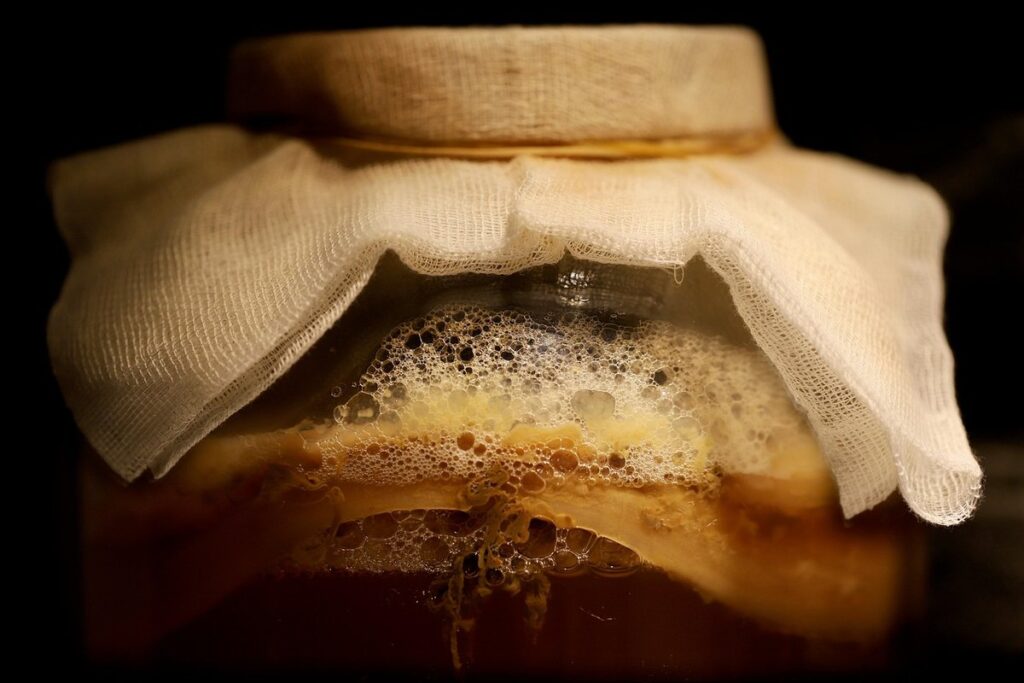
Regular checks on fermentation progress are crucial to ensure a healthy and balanced fermentation process. Start by looking for visible signs of fermentation: bubbles rising to the surface, a slightly puffed appearance, or a slight sheen on the cabbage’s surface. These indicate that lactic acid is being produced and carbon dioxide is building up.
Pay attention to the smell as well – fermented cabbage typically develops a tangy, sour aroma. However, if it starts to smell strongly of ammonia or has an unpleasantly strong odor, it may be a sign of over-fermentation or contamination.
Check the texture by gently squeezing the cabbage with your fingers; it should feel slightly firm and compact but still yield to pressure. If it’s too soft or mushy, fermentation may have gone too far. Regular checks also allow you to make adjustments as needed – such as adding more salt or brine to maintain an optimal environment for beneficial bacteria to thrive.
Keep in mind that the rate of fermentation can vary depending on factors like temperature, cabbage type, and equipment used. Therefore, it’s essential to stay vigilant and monitor your fermented cabbage regularly, ideally once a day, to catch any potential issues early on.
Troubleshooting Common Issues
Mold growth is often a sign of over-fermentation, which can be caused by too high temperatures, inadequate brine coverage, or poor jar sealing. To address mold, carefully remove the affected area with clean utensils and discard it. Then, reassess your fermentation environment: ensure the temperature is between 64°F to 72°F (18°C to 22°C), and check that the cabbage is fully submerged in the brine.
Inconsistent flavor profiles can result from variations in salt levels, brine concentration, or ingredient ratios. To troubleshoot this issue, revisit your recipe and adjust the seasoning accordingly. Consider a more precise salt-to-water ratio (typically 2-3% salt by weight) and balance your spices to achieve a desired taste profile.
Too little liquid can lead to mold growth and spoilage, while excessive brine can dilute flavors and create an unappealing texture. To address these issues, monitor the fermentation progress closely and top off the jar with fresh brine as needed. A general rule of thumb is to maintain at least 1-2 inches (2.5-5 cm) of liquid above the cabbage level.
When troubleshooting common problems, keep in mind that every batch is unique due to variations in cabbage quality, storage conditions, and environmental factors. By paying attention to these variables and making adjustments accordingly, you can develop a more nuanced understanding of your fermentation process.
Storage and Serving Suggestions
Now that you’ve successfully fermented your cabbage, let’s talk about how to store it so it stays fresh for a long time. Proper storage will help preserve its delicious flavor.
Storing Fermented Cabbage
Proper storage is crucial to maintain the quality and safety of fermented cabbage. If not stored correctly, the fermentation process can be disrupted, leading to an overproduction of gas, which can cause the container to burst or the contents to spill. This can also result in contamination, spoilage, or a loss of flavor and texture.
Store fermented cabbage in a cool, dark place with minimal temperature fluctuations. A pantry or cupboard is ideal, but if you don’t have one, the refrigerator will work as well. Make sure the container is tightly sealed to prevent air from entering and causing oxidation. Glass jars with lids are excellent choices for storing fermented cabbage, as they allow for easy monitoring of the fermentation progress.
When selecting containers, consider the size and material. A wide-mouth jar allows for easier scooping and tasting, while a smaller container will help slow down the fermentation process if you prefer a milder flavor. Avoid using metal or aluminum containers, as these can impart flavors and cause corrosion. Always keep the fermented cabbage submerged under its liquid to prevent mold growth.
Creative Ways to Use Fermented Cabbage
Fermented cabbage is a versatile ingredient that can add depth and umami flavor to a wide range of dishes. In salads, it pairs particularly well with ingredients like apple, carrots, and walnuts. Try making a Korean-style kimchi coleslaw by combining fermented cabbage with grated ginger, soy sauce, and rice vinegar.
You can also use fermented cabbage as a topping for sandwiches or burgers, adding a tangy crunch to the texture of your meal. In soups, it makes a great addition to clear broths like chicken or vegetable soup, or adds body and flavor to heartier stews.
For main courses, consider using fermented cabbage as a side dish or incorporating it into dishes like sauerkraut-stuffed meatballs or sauerkraut-topped pork chops. When using fermented cabbage in recipes, remember that a little goes a long way – start with small amounts and adjust to taste, as the flavor can be quite strong.
Some specific tips for working with fermented cabbage include:
- Use it within a few days of opening, as it will continue to ferment in the fridge
- Re-salt the cabbage if you’re storing it for an extended period
- Experiment with different types and flavors of fermented cabbage to find what works best in your recipes
Advanced Techniques and Variations
Now that you’ve mastered the basics of fermented cabbage, it’s time to take your skills to the next level with some advanced techniques and creative twists on traditional recipes. From experimenting with spices to trying new vessel styles, we’ll explore the possibilities.
Experimenting with Spices and Herbs
When experimenting with spices and herbs, the key is to balance flavors without overpowering the natural taste of the cabbage. Start by selecting a few complementary ingredients that enhance the fermentation process. For example, caraway seeds add a nutty flavor, while dill or coriander contribute a fresh, herbal note.
To avoid overwhelming the cabbage, introduce spices and herbs gradually. Begin with small amounts – typically 1/4 teaspoon per quart of brine – and adjust to taste as fermentation progresses. A pinch of red pepper flakes can add depth without overpowering the dish.
Some popular spice and herb combinations include:
- Cumin and coriander for a Middle Eastern-inspired flavor
- Ginger and garlic for an Asian-style kick
- Smoked paprika and caraway seeds for a smoky, savory taste
When working with strong-flavored ingredients like chili flakes or hot sauce, remember that a little goes a long way. These seasonings can quickly dominate the other flavors in your fermentation. Instead, use them sparingly to add subtle depth without overwhelming the cabbage.
Fermenting Other Vegetables and Foods
Fermenting other vegetables and foods requires a similar understanding of the fermentation process as fermenting cabbage. Many vegetables can be fermented using the same techniques, such as carrots, cucumbers, and beets. These fermented vegetables can add depth and variety to salads, sandwiches, and side dishes.
Kimchi, a Korean fermented vegetable dish, is often made with cabbage, but other ingredients like radishes, cucumbers, and scallions are also commonly used. Fermenting kimchi requires a slightly different approach due to its high acidity and water content, which can lead to mold growth if not managed properly.
Other foods that can be fermented include fruits, such as sauerkraut-style apple or pear “cabbage,” and grains like rice or quinoa. However, fermenting these foods often requires additional steps to prevent spoilage and ensure the desired flavor profile is achieved. For example, fruit ferments typically require a higher sugar content and may benefit from the addition of pectinase or other enzymes to break down cell walls.
When experimenting with new fermented foods, it’s essential to understand their unique characteristics and requirements. This will help you tailor your fermentation techniques and equipment to produce the desired results.
Frequently Asked Questions
Can I use pre-made sauerkraut juice as a substitute for creating my own brine solution?
Yes, you can use pre-made sauerkraut juice as a substitute for creating your own brine solution. However, keep in mind that commercial products may contain added preservatives or flavorings that could affect the fermentation process and final product.
How long will it take to notice the health benefits of consuming fermented cabbage?
The time it takes to notice the health benefits of consuming fermented cabbage can vary depending on individual factors such as diet, lifestyle, and starting health status. Generally, noticeable improvements in digestion and immune system function may be seen within 1-4 weeks of regular consumption.
What if I accidentally leave my fermented cabbage out at room temperature for a few hours – will it still be safe to eat?
Yes, fermented cabbage is generally quite resilient, but it’s still possible for bacteria to grow if the fermentation process is interrupted. If you’ve left your fermented cabbage out for an extended period, inspect it carefully before consuming: check for any signs of mold, sliminess, or off odors.
How do I know when to stop checking on my fermenting cabbage and let it continue naturally?
You can usually tell when the fermentation process has slowed down by checking for a decrease in bubble activity and a more pronounced sour smell. If you’ve reached this point, you can start checking less frequently – ideally once every 7-10 days – as the fermentation will continue to mature slowly over time.
Can I ferment cabbage using a slow cooker or Instant Pot?
While it’s technically possible to ferment cabbage in a slow cooker or Instant Pot, these appliances aren’t ideal for this process. The high heat and pressure can damage the delicate microorganisms responsible for fermentation, leading to inconsistent results or spoilage. Stick with traditional fermentation vessels like crocks or jars for best results.

