
Winter sports are a thrilling way to stay active and enjoy the crisp mountain air during the colder months. However, braving the elements requires more than just enthusiasm – it demands the right gear and know-how to ensure a safe and enjoyable experience. You’ve probably heard horror stories about hypothermia or frostbite from inexperienced winter adventurers, but with some essential preparation, you can minimize risks and maximize fun. In this article, we’ll explore the must-haves for winter sports like skiing, snowboarding, and hiking, including clothing recommendations, gear essentials, and critical safety tips to keep you warm and injury-free on the slopes. By the time you finish reading, you’ll be equipped with the knowledge to tackle even the most rugged winter landscapes with confidence and ease.
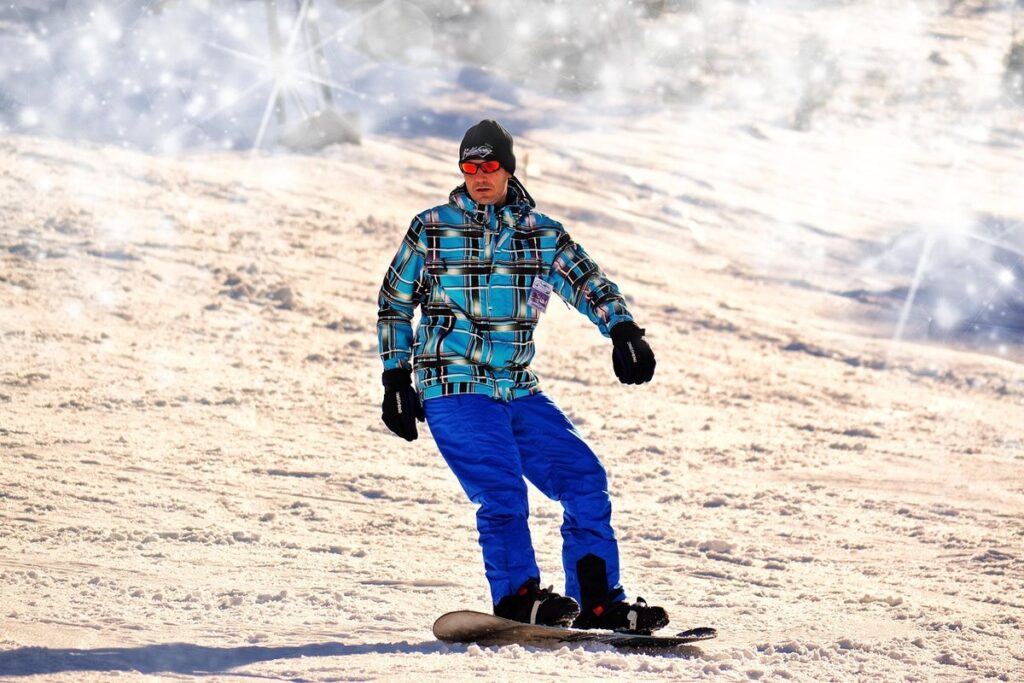
Preparing for Winter Fun
To get the most out of winter, you’ll want to make sure your outdoor gear is ready for the season’s chilliest adventures. Let’s cover what to check and prepare before heading outside.
Layer Up: Essential Clothing for Winter Sports
When engaging in winter sports, dressing warmly is crucial for comfort and safety. A well-layered outfit can make a significant difference in your experience. Start with a base layer of moisture-wicking fabric, such as merino wool or synthetic materials like polyester or nylon. These layers should fit snugly to prevent chafing.
Mid-layers provide insulation without restricting movement. Choose insulating fabrics like fleece, down, or synthetic fill, depending on the activity and your personal preferences. Consider a mid-layer with some stretch for added mobility. Outerwear should be waterproof and breathable, such as a ski jacket or snow pants. Look for features like adjustable cuffs, hem, and hood to prevent cold air from entering.
When choosing clothing for specific sports, consider factors like activity level, duration, and weather conditions. For high-intensity activities like skiing, opt for more insulating mid-layers. For lower-impact activities like ice skating or sledding, lighter layers may suffice. Don’t forget to dress in layers that can be easily removed if you become too warm during the activity.
Gear Up: Essential Equipment for Winter Sports
When venturing into winter sports, having the right equipment can make all the difference. For skiing and snowboarding, you’ll need skis or a snowboard that suits your skill level and terrain. Beginners often prefer softer flexing skis for easier maneuverability, while advanced riders opt for stiffer, more responsive models.
For cross-country skiing, look for lightweight, narrow skis designed for efficiency on groomed trails. Make sure to pair them with compatible bindings. If you’re new to the sport, consider renting equipment at a local ski shop or resort – they’ll often have experts on hand to guide your selection.
Ice skates, too, come in various styles suited for different skating levels and surfaces. Recreational skaters may prefer more supportive, cushioned boots with a stiff sole, while speed skaters require lighter, more flexible models.
When shopping for equipment, remember that the right fit is crucial – try on gear before buying to ensure it feels comfortable and secure. Consider factors like edge sharpness (for skiing and snowboarding) or blade stiffness (for ice skating).
Skiing and Snowboarding
Get ready to shred some slopes as we dive into the thrill of skiing and snowboarding, two exhilarating winter sports that’ll keep you coming back for more. Whether a pro or beginner, these activities offer endless fun in the mountains.
Beginner-Friendly Slopes: Top Destinations for Learning
When hitting the slopes as a beginner, it’s essential to find gentle terrain and lifts that cater to new skiers. One of the top destinations for learning is Whistler Blackcomb in British Columbia, Canada. This resort boasts extensive beginner-friendly areas like the “Ski School” zone on the Green Chair lift, where instructors offer private lessons.
Another excellent option is Park City Mountain in Utah, USA. Its “Payday” and “Three Kings” trails are perfect for beginners, with gentle slopes and breathtaking views. Many resorts offer group or private lessons taught by certified instructors, often at a discounted rate for new skiers.
Some popular ski schools include the Whistler Blackcomb Ski School, Park City Mountain’s Mountain School, and Vail’s Ski & Snowboard School in Colorado. These programs typically last several hours or days and cover essential skills like turning, stopping, and navigating different snow conditions. Be sure to check each resort’s website for lesson schedules, pricing, and availability.
Advanced Terrain: Challenging Runs for Experienced Skiers
When you’re ready to take on more challenging slopes, black diamond trails offer a thrilling experience for experienced skiers and snowboarders. These steep, rocky, or icy runs require advanced skills, including precise turns and control over speed.
Before tackling black diamond terrain, familiarize yourself with the resort’s map and signposts. Look for designated expert areas, such as double-black diamond or extreme terrain parks. Be aware of avalanche zones, crevasses, and other hazards that may be present in these areas.
To navigate challenging terrain safely:
- Check the snow conditions and weather forecast before heading out.
- Wear protective gear, including a helmet, knee pads, and elbow pads.
- Stay alert and focused on your surroundings, keeping an eye out for obstacles and changing snow conditions.
- Respect other skiers and snowboarders in the area; be aware of their presence and yield when necessary.
When skiing or snowboarding in challenging terrain, it’s essential to balance risk with reward. Know your limits and don’t push yourself beyond what you’re comfortable with. With practice and experience, you’ll develop the skills and confidence to tackle even the most demanding runs.
Winter Hiking and Snowshoeing
Winter hiking and snowshoeing offer a unique way to connect with nature, providing breathtaking views and exercise opportunities amidst the serene winter landscapes. You can learn how to prepare for these adventures in this section.
Snowy Trails: Preparing for Winter Hiking and Snowshoeing
To tackle snowy trails with confidence, you’ll need to assess trail conditions carefully. Check local weather forecasts and park websites for updates on trail closures or hazardous conditions. Look for signs of recent avalanches, rockfall, or erosion that could make the terrain unstable.
When assessing the terrain, consider factors like slope angle, snowpack depth, and wind direction. Be aware that even moderate slopes can be treacherous in snowy conditions. Use a map to identify potential avalanche paths and give them a wide berth if necessary.
Some essential gear for winter hiking and snowshoeing includes crampons for added traction on icy surfaces, ice axes for balance and self-arrest in case of a fall, and avalanche safety equipment like beacons, probes, and shovels. Make sure to check your gear regularly to ensure it’s functioning properly.
In terms of skills, take a course or workshop to learn basic avalanche safety and risk assessment techniques. Practice using your gear in controlled environments before venturing out on the trails. With proper preparation and caution, you can enjoy exploring snowy landscapes with peace of mind.
Top Winter Hiking Destinations: Explore Scenic Trails
If you’re eager to explore scenic trails during the winter season, consider visiting national parks like Yellowstone and Zion, which offer breathtaking landscapes and snow-covered terrain. In the northeastern United States, state forests like Adirondack Park in New York and White Mountain National Forest in New Hampshire provide ample opportunities for winter hiking.
When planning your trip, research the best times to visit these areas, typically during weeks with consistent snowfall (usually late January to early March). Be sure to check trail conditions and weather forecasts before heading out. For a more immersive experience, try visiting popular destinations like the Rocky Mountains in Colorado or the Pacific Northwest’s Olympic National Park.
To prepare for your winter hike, invest in waterproof gear, including boots, pants, and a jacket. Choose trails with well-maintained paths to minimize slipping hazards. Additionally, consider visiting these areas during weekdays when possible, as weekends tend to be busier due to tourists and locals alike. Pack essential items like snacks, water, and a map, and don’t forget your camera to capture the stunning winter landscapes.
Ice Skating and Sledding
Get ready for some old-fashioned fun as we explore two classic winter activities that bring joy to people of all ages: ice skating and sledding. Find out why they’re a must-try this season!
Outdoor Ice Rinks: Find Your Local Spot
Public outdoor ice rinks are a winter wonderland for skaters of all ages. To find one near you, check online directories like Google Maps or websites of local parks and recreation departments. Many cities also have mobile apps that list public ice skating spots. You can search by zip code or location to discover the closest rink.
Before hitting the ice, warm up with some light cardio exercises to prevent muscle strain. Jumping jacks, jogging in place, or cycling are great options. Dress warmly, but avoid overheating, as this can lead to exhaustion on the ice. Wear a helmet and consider knee pads for added protection.
Some public rinks offer free skate sessions, while others may charge a fee. Be sure to check the ice conditions, as some rinks may be closed due to weather or maintenance. You can also check if they have amenities like lockers, snack bars, or restrooms on site. Familiarize yourself with basic safety rules, such as staying off the ice during lessons and respecting designated areas for beginners.
Top Sledding Hills: Fast and Fun Slopes for All Ages
Many popular sledding hills can be found in urban and rural areas alike. In the northeastern United States, the top spot is often considered to be Blue Hills Reservation in Milton, Massachusetts. This 125-acre park features several steep hills that are perfect for sledding. The best time to visit Blue Hills is usually after a fresh snowfall when the hills are well-covered.
In contrast, Colorado’s Eisenhower Tunnel area is known for its high-speed slopes and breathtaking views of the Rocky Mountains. However, this spot can be more challenging due to extreme weather conditions and potential rockfall hazards. For those seeking a more family-friendly experience, the University of Wisconsin-Madison Arboretum in Wisconsin offers several gentle hills surrounded by beautiful winter landscapes.
When choosing the right sled, consider factors such as durability, weight capacity, and maneuverability. A good-quality sled should be able to withstand rough terrain and frequent use. Additionally, always ensure a safe sledding experience by wearing protective gear, including helmets and warm clothing, and being aware of your surroundings. It’s also essential to check local regulations regarding sledding areas and hours of operation before heading out.
Winter Photography Tips and Tricks
As you venture out into winter’s chill, capturing its beauty is a must. Here, we’ll share expert tips to help you take stunning winter photos that will warm your heart.
Capturing Winter Landscapes: Composition and Lighting
When capturing stunning winter landscapes, composition plays a crucial role. Look for symmetries like frozen lakes with mirrored trees or snow-covered bridges spanning serene waters. Consider using the rule of thirds to place important elements off-center and create more visually appealing images.
Lighting is another essential aspect to consider when photographing winter landscapes. Golden hour, just before sunset, can add warmth and depth to your shots. Shoot towards the sun for long shadows that accentuate textures like snow-covered branches or frosty windowpanes. Avoid harsh midday light, which can create unflattering highlights and deep shadows.
Camera settings are also vital when capturing winter landscapes. Use a low ISO (100-400) to minimize noise and preserve detail in your images. Shoot in RAW format to capture more image data and allow for better post-processing flexibility. A wide-angle lens (between 10-24mm) can help you capture the grandeur of snow-covered mountains or frozen lakes.
Additionally, consider using a graduated neutral density filter to balance exposure between bright skies and dark landscapes. This will enable you to capture a wider dynamic range without overexposing the sky or underexposing the foreground.
Wildlife Photography in Winter: Tips for Spotting and Photographing Animals
When photographing wildlife during winter, you’ll face unique challenges such as harsh weather conditions, reduced daylight hours, and increased animal migration patterns. To overcome these obstacles, start by researching the habits and habitats of the species you want to photograph. For example, deer often congregate in areas with available food sources like bird feeders or salt licks.
To locate animals safely, keep a safe distance from them and use binoculars to observe their behavior before approaching. When shooting, choose a location with minimal background distractions and optimal lighting. Consider using a wide-angle lens to capture the animal’s environment, while also keeping your camera settings adjusted for low light conditions.
When approaching an animal, move slowly and calmly to avoid startling it. Be aware of your surroundings and any potential hazards like icy terrain or other wildlife. For capturing high-quality images, use a tripod to stabilize your camera and invest in a good telephoto lens with image stabilization. Keep your shutter speed high (at least 1/1000th of a second) to freeze the animal’s movement and ensure sharp focus on both the subject and background.
Safety First: Winter Emergency Preparedness
Before you head out into the winter wonderland, it’s crucial to know what to do in case of an emergency. We’ll cover essential steps for staying safe and prepared when things go awry.
What to Do in Case of an Avalanche: Prevention and Response
Avalanches can be devastating, even for experienced winter sports enthusiasts. Assessing terrain before heading out is crucial: look for steep slopes, recent snowfall, and signs of previous slides. Be aware of group size and manage it carefully – larger groups increase the risk of triggering an avalanche. When exploring unmarked or closed areas, recognize the warning signs.
If you’re caught in an avalanche, your priority should be to stay calm and conserve energy. Try to move towards a flat surface or the edge of the slide zone. If buried, create air space around your face by moving your arms up and outwards. Shout for help if possible – even if you don’t think anyone can hear you.
Use an avalanche transceiver (beacon) to locate yourself quickly, but only after ensuring it’s activated. If with a group, designate one person as the “digging expert” to ensure they know how to extract a buried team member efficiently. Regularly check the weather forecast and adjust your plans accordingly – clear skies can often precede a slide.
Essential Items for a Winter Emergency Kit
When venturing into winter’s chill, it’s essential to be prepared for unexpected situations. A well-stocked winter emergency kit can mean the difference between comfort and distress. You’ll want to include first aid supplies, such as bandages, antiseptic wipes, pain relievers, and any medications you may need.
Warm blankets or a space blanket are also crucial in case of an extended stay outdoors. In addition to warmth, they can help prevent hypothermia by retaining body heat. Communication devices like a two-way radio, whistle, or even a cell phone with a fully charged battery ensure you can call for help if needed.
Don’t forget to pack snacks and water, as staying hydrated is vital in cold weather. A small shovel or trowel for digging out of snowdrifts and a headlamp or flashlight with extra batteries are also useful items. Keep your kit easily accessible and check it regularly to ensure all supplies are still usable. Consider the specific risks associated with your winter activity, such as avalanches, and tailor your kit accordingly.
Conclusion: Embracing the Joy of Winter Outdoor Activities
Winter outdoor activities offer a unique blend of adventure, beauty, and tranquility that can be truly life-enriching. As we’ve explored various winter sports and hobbies in this post, it’s clear that there’s something for everyone to enjoy, regardless of age or skill level. The key is to find what sparks joy and make time for it in our busy lives. Whether it’s ice skating at a local rink, snowshoeing through a nearby forest, or simply taking a winter hike to witness the stunning landscapes, embracing the cold season can be incredibly rewarding. So, don’t let the chill deter you – grab your warmest gear and get outside! Take in the crisp air, listen to the silence, and let the beauty of nature work its magic on your soul. By doing so, you’ll not only stay physically active but also cultivate a deeper appreciation for the world around us.
Frequently Asked Questions
What if I’m new to winter sports and don’t know where to start with the right equipment?
You can begin by visiting outdoor gear stores or online retailers that offer rental services for various winter sports. They often have knowledgeable staff who can help you choose the right equipment based on your skill level and preferences.
Can I use regular hiking boots for snowshoeing, or do I need special ones?
Yes, you can use regular hiking boots for snowshoeing if they are waterproof and provide sufficient ankle support. However, it’s recommended to invest in dedicated snowshoes that come with insulated boots designed specifically for cold weather conditions.
How often should I check the weather forecast before heading out on a winter hike or snowshoe trip?
It’s essential to check the weather forecast at least 24 hours prior to your trip and again immediately before you head out. This will help you plan accordingly, assess potential risks such as avalanches or icy conditions, and adjust your itinerary if necessary.
What’s the best way to deal with cold fingers while skiing or snowboarding?
To prevent cold fingers, dress in layers, keep your gloves or mittens dry by changing them regularly, and use hand warmers or chemical heat packs for added warmth. You can also try using fingerless gloves or mittens to maintain dexterity.
Is it safe to venture out alone during winter outdoor activities if I’m an experienced skier or snowboarder?
While experience is valuable, venturing out alone in the wilderness can be risky due to potential emergencies and lack of assistance. It’s recommended to ski or snowboard with a partner whenever possible, especially in remote areas where rescue services may take longer to respond.

