
Fermented salsa may seem like an unusual condiment to many home cooks, but its unique flavor profile and potential health benefits are definitely worth exploring. Unlike traditional salsa recipes that rely on high heat or acidic ingredients to preserve them, fermented salsa uses a natural process to create a tangy, slightly effervescent condiment that’s rich in beneficial probiotics. By using techniques like lacto-fermentation, you can enhance the nutrient retention and flavor profiles of your favorite vegetables, creating a delicious and healthy addition to any meal. In this article, we’ll share easy-to-follow recipes and techniques for making fermented salsa at home, as well as discuss its potential health benefits and how it can be used in everyday cooking.
What is Fermented Salsa?
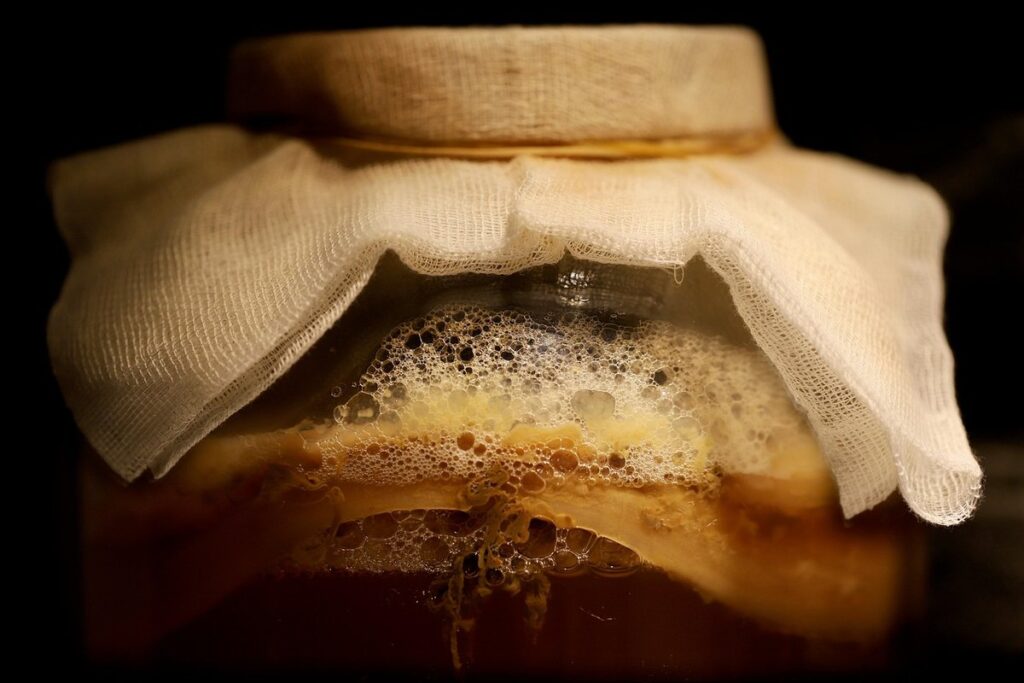
Fermented salsa is a game-changer for foodies and health enthusiasts alike, offering a unique twist on traditional salsas that’s packed with probiotics and flavor. Let’s explore what makes it so special.
A Brief History of Fermentation
Fermentation has been a cornerstone of food preservation for centuries, with evidence of its use dating back to ancient civilizations. The process was initially employed to extend the shelf life of perishable foods, allowing communities to store and consume them throughout the year. Fermented foods were staples in many cultures, from the sauerkraut consumed by European peasants to the kimchi enjoyed by Korean households.
The applications of fermentation have evolved over time, adapting to changing culinary landscapes. In modern cuisine, fermentation has become a sought-after technique for enhancing flavor profiles and textures. Chefs now deliberately employ fermentation to create unique, bold flavors in dishes like sauerkraut-topped burgers or kimchi-infused soups. This shift towards intentional fermentation reflects a growing understanding of its benefits, from increased nutrient retention to potential health advantages.
Fermentation’s expansion into modern cuisine is also driven by advances in food technology and our greater knowledge of the microbiome. As we continue to explore the possibilities of fermented foods, it becomes clear that this ancient technique has much to offer contemporary cooks and chefs.
Types of Fermentable Ingredients Used in Salsa
Onions, garlic, chili peppers – these are just a few examples of ingredients commonly used to make fermented salsa. But what else can be fermented? The possibilities extend far beyond the typical suspects. Many types of vegetables can undergo fermentation, including carrots, beets, and even sweet potatoes.
Some recipes incorporate fermented citrus fruits like lemons or limes, adding a tangy twist to traditional salsas. Fermented ginger is another option for those looking to add depth to their salsa’s flavor profile. Experimenting with different combinations of ingredients can lead to unique and exciting flavors.
When selecting fermentable ingredients, keep in mind the desired texture and consistency of your final product. For example, if you’re making a thick, chunky salsa, it may be best to ferment ingredients that hold their shape well, like onions or bell peppers. Conversely, for a smooth salsa, choose ingredients with softer textures, such as tomatoes or mangoes.
Consider the level of sweetness and acidity in your ingredients when creating a fermented salsa blend. A balance between sweet and sour can result in a complex and harmonious flavor profile.
Benefits of Fermented Salsa
Fermented salsa offers a multitude of benefits, from enhanced nutritional value to improved digestion and even potential weight management. Let’s take a closer look at these advantages.
Increased Nutrient Retention
Fermentation is a natural process that breaks down cell walls and releases trapped nutrients, making them more accessible to our bodies. This increase in nutrient bioavailability is particularly significant for fermented salsa, as it contains a high concentration of nutrient-rich ingredients like tomatoes, onions, and chili peppers. The fermentation process can enhance the levels of vitamins A and C, potassium, and lycopene in these ingredients.
A key example of this increased nutrient retention is seen in the case of vitamin C. Fresh tomatoes contain relatively low amounts of this essential nutrient, but through fermentation, their vitamin C content increases by as much as 400%. This means that a serving of fermented salsa can provide a significant boost to your daily intake of vitamin C.
In addition to these individual nutrients, fermentation also has a broader impact on the overall nutritional profile of the ingredients. The breakdown of cell walls and the release of enzymes create a more easily digestible form of the nutrient, which can be particularly beneficial for individuals with sensitive stomachs or compromised gut health.
Enhanced Flavor Profiles
Fermented salsa’s enhanced flavor profile is one of its most distinctive characteristics. The fermentation process breaks down the cell walls of ingredients like tomatoes and onions, releasing more of their natural enzymes and compounds. This results in a deeper, more complex taste experience compared to traditional salsa.
The exact nature of this complexity can vary depending on the specific ingredients used and the duration of fermentation. For example, longer fermentation times may bring out earthy notes from ingredients like garlic or cumin, while shorter times might preserve brighter, fresher flavors.
In addition to these differences in flavor profile, fermented salsa often develops a tangier taste due to the production of lactic acid during fermentation. This acidity can add depth and balance to dishes, making it an excellent accompaniment for a wide range of cuisines. When working with fermented salsa, consider starting with a small batch to experiment with different ingredient combinations and fermentation times – this will allow you to tailor the flavor profile to your specific needs.
Potential Health Benefits
Fermented foods like salsa have been associated with a range of potential health benefits, primarily due to their high levels of beneficial microorganisms. These microbes can aid digestion, boost the immune system, and even produce antimicrobial compounds that help protect against pathogens.
Research has shown that fermented foods contain higher amounts of vitamins, minerals, and other nutrients compared to their unfermented counterparts. This is because the fermentation process breaks down cellular walls, making it easier for the body to absorb these essential compounds.
Some of the key health benefits linked to fermented salsa include improved gut health, enhanced immune function, and potentially even anti-inflammatory effects. A diet rich in fermented foods has been correlated with reduced inflammation, improved mental clarity, and a lower risk of chronic diseases like heart disease and type 2 diabetes.
To maximize the potential health benefits of fermented salsa, look for recipes that incorporate a variety of fermentable ingredients, such as onions, garlic, and tomatoes. You can also experiment with different types of fermentation vessels or techniques to find what works best for you. By incorporating fermented salsa into your diet, you may be able to reap some of these potential health benefits and enjoy improved overall well-being.
The Fermentation Process for Salsa
The fermentation process is a crucial step in creating delicious and probiotic-rich fermented salsa, involving simple steps to allow natural bacteria to break down ingredients.
We’ll walk you through each stage of this process, from preparation to completion.
Equipment and Ingredients Needed
To start fermenting salsa at home, you’ll need a few pieces of equipment. A large glass jar with a wide mouth is ideal for allowing gases to escape during fermentation. The jar should have a capacity of at least 1 quart (32 ounces), but 2-quart jars work well too. You can use ceramic or glass containers with lids, such as Mason jars, but make sure they are specifically designed for fermenting.
In addition to the equipment, you’ll need the right ingredients. A basic recipe for fermented salsa starts with a mixture of chopped tomatoes, onions, jalapeños, cilantro, garlic, and salt. You can use fresh or canned tomatoes, depending on what’s available in your area. For a lacto-fermentation process, which is ideal for salsa, you’ll need a source of beneficial bacteria like starter cultures or live cultured yogurt.
A weight to keep the ingredients submerged under brine (a mixture of water and salt) is also necessary. You can use a fermentation weight specifically designed for this purpose or even a clean stone wrapped in a cloth.
Understanding pH Levels and Temperature Control
Maintaining optimal pH levels and temperature control is crucial during fermentation to ensure a healthy environment for beneficial bacteria to thrive. A pH range of 4.2 to 4.6 is ideal for most fermented foods, including salsa. If the pH level drops too low, it can lead to over-acidification, while a higher pH can allow unwanted bacteria to grow.
Temperature control is equally important. Most fermented foods prefer temperatures between 64°F and 75°F (18°C and 24°C), although some microorganisms may thrive at warmer or cooler temperatures. For example, the beneficial bacteria Lactobacillus plantarum prefers temperatures around 70°F (21°C). Temperatures above 80°F (27°C) can lead to off-flavors, while temperatures below 50°F (10°C) can slow down fermentation.
To monitor pH levels and temperature, you can use a pH meter or pH test strips. These tools will help you adjust the environment to suit your ferment’s needs. For instance, if your salsa is too acidic, you can add a small amount of alkaline ingredients like baking soda to balance the pH. Similarly, if the temperature is too high or low, you can move the fermentation vessel to a more suitable location.
Monitoring Progress and Troubleshooting Common Issues
Regular checks on pH levels and temperature are crucial to ensure the fermentation process is progressing as expected. Use a pH meter or pH paper to monitor acidity levels; aim for a range between 3.2 and 4.5, which indicates the presence of lactic acid. Temperature control is also vital: most fermentations occur within a narrow temperature range (typically between 64°F and 75°F). Check the salsa regularly, ideally once a day, to monitor its progress.
Be aware of common issues that can arise during fermentation:
- Over-acidification, which can lead to an unpalatable taste. If pH levels drop below 3.2, it’s likely due to over-fermentation.
- Under-fermentation, characterized by an unpleasantly sweet or vinegary smell. Check the temperature and ensure sufficient time has elapsed (usually a minimum of 7-10 days at room temperature).
- Mold growth: inspect your salsa for visible signs of mold, especially around the container’s edges. If you notice any, discard the batch immediately.
- Off-flavors or aromas may develop if the ingredients are not properly sanitized or if contaminants enter the fermentation vessel.
To rectify issues promptly, remove the affected portion and adjust the conditions accordingly.
Preparing and Using Fermented Salsa
To make the most of your fermented salsa, you’ll need to know how to properly prepare it for use in cooking. This involves understanding its unique flavor profile and texture.
Storage and Shelf Life
Proper storage is crucial to maintaining the quality and safety of fermented salsa. Store it in a clean, airtight container in the refrigerator at a consistent temperature below 40°F (4°C). This will slow down the fermentation process, allowing you to control the level of sourness.
Fermented salsa can be stored for several months in the fridge, but its flavor and texture may degrade over time. If you don’t plan to use it within a month or two, consider freezing it. Transfer the salsa to an airtight container or freezer bag, press out as much air as possible, and store it at 0°F (-18°C) or below.
When storing fermented salsa, keep in mind that it will continue to ferment, albeit slowly, even in the refrigerator. Regularly check its pH level and flavor profile to ensure it doesn’t become too sour or spoiled. For best results, consume fermented salsa within a few weeks of opening and use clean utensils when scooping out portions.
In general, it’s best to err on the side of caution when it comes to storage. If you notice any off smells, slimy texture, or mold growth, discard the fermented salsa immediately and start fresh.
Incorporating Fermented Salsa into Recipes
Fermented salsa is a versatile condiment that can elevate a wide range of dishes. One way to use it is as a topping for tacos, adding a tangy, slightly sour flavor to balance out the richness of other ingredients like cheese and meat.
You can also use fermented salsa as a marinade or glaze for grilled meats, fish, or vegetables. The acidity in the sauce helps to break down proteins and add moisture, resulting in tender and flavorful results.
As a dip, fermented salsa pairs well with crunchy vegetables like carrots, cucumbers, or bell peppers. It’s also a great accompaniment to baked potatoes, nachos, or tortilla chips. Consider adding it to sandwiches or wraps for an extra kick of flavor.
When using fermented salsa in recipes, remember that its intensity can vary depending on the ingredients and fermentation time. Start with a small amount and adjust to taste, as you would with any strong condiment. This will help prevent overpowering other flavors in your dish. Experiment with different combinations to find your favorite ways to use fermented salsa.
Advanced Fermentation Techniques for Salsa
Taking your fermented salsa game to the next level requires some advanced techniques, including experimenting with unique spice blends and adjusting fermentation times. We’ll explore these methods in more detail now.
Lacto-Fermentation vs. Other Methods
Lacto-fermentation is a popular method for fermenting salsa, but it’s not the only approach. Other methods, such as high-salt fermentation, can produce different flavor profiles and textures. High-salt fermentation involves using salt to inhibit bacterial growth, whereas lacto-fermentation relies on naturally occurring lactic acid bacteria.
High-salt fermentation can result in a longer shelf life for fermented salsa, as the high salt content acts as a natural preservative. However, this method may produce a less complex flavor profile compared to lacto-fermentation. Lacto-fermentation, on the other hand, requires more precise temperature control and monitoring of pH levels.
For those interested in experimenting with different methods, consider the following factors: the type of ingredients being fermented, the desired texture and flavor profile, and personal preference. If you prioritize a longer shelf life and are willing to sacrifice some flavor complexity, high-salt fermentation may be the better choice. However, if you value a more dynamic flavor profile and are comfortable with monitoring pH levels and temperature, lacto-fermentation is likely the way to go.
When choosing between these methods, consider starting with a small batch to test and compare results. This will allow you to determine which approach works best for your specific needs and preferences.
Experimenting with Spices and Flavorings
When experimenting with spices and flavorings during fermentation, it’s essential to consider how they will interact with each other and with the natural bacteria on the ingredients. Start by selecting a few complementary spices or herbs that pair well with the dominant flavors in your salsa recipe. For example, if you’re working with a smoky chipotle-based salsa, try adding a small amount of cumin or coriander to enhance its depth.
You can also experiment with different types of citrus zest, such as lime or orange, to add brightness and acidity to your fermented salsa. Some people find that using a combination of spices, like cinnamon and cayenne pepper, creates an interesting and complex flavor profile.
To get started, try adding a small pinch of spice or herb to the initial fermentation mixture and observe how it affects the final product. You can always adjust the amount or type of spice in subsequent batches based on your taste preferences. Keep in mind that spices and flavorings will continue to develop and intensify during the fermentation process, so start with a conservative approach to avoid overpowering the other flavors.
For best results, use fresh and high-quality spices to ensure they retain their flavor and aroma.
Safety Precautions and Common Misconceptions
As you get ready to ferment your own salsa, it’s essential to understand common misconceptions about fermentation and take necessary safety precautions to avoid any potential issues. We’ll tackle these concerns head-on next.
Understanding Food Safety Guidelines
When working with fermented foods like salsa, it’s essential to understand food safety guidelines to avoid contamination and ensure a safe product. Many people assume that fermentation is a natural process that automatically eliminates pathogens, but this isn’t entirely true.
In reality, proper handling, temperature control, and pH management are crucial for preventing the growth of unwanted bacteria. For example, if your salsa’s acidity level drops below 4.6, it can become susceptible to botulism contamination. To maintain a safe environment, regularly monitor your salsa’s pH levels using pH test strips or a meter.
Additionally, ensure that all equipment and utensils are sanitized before use, and store the fermented salsa in an airtight container in the refrigerator at 39°F (4°C) or below. It’s also essential to handle the fermentation vessel with clean hands and avoid cross-contamination from other foods.
To give you a better understanding of food safety guidelines for fermented foods, here are some key considerations:
- Regularly check pH levels and temperature
- Store fermented foods in an airtight container in the refrigerator at 39°F (4°C) or below
- Handle equipment and utensils with clean hands to prevent cross-contamination
Troubleshooting Fermentation Issues
When fermentation doesn’t go as planned, it can be frustrating. Inadequate salt can lead to contamination and spoilage, while too little acidity can result in over-fermentation. Check your pH levels regularly using a pH meter or pH paper strips to ensure they remain within the safe range of 3.2-4.5.
Cloudy or slimy textures may indicate over-fermentation or contamination. Taste the salsa regularly and remove it from the fermentation vessel once it reaches your desired level of sourness. If you notice mold, discard the batch immediately – it’s better to err on the side of caution when it comes to food safety.
Some common issues arise from inconsistent temperatures, which can slow down or speed up fermentation. Aim for a stable temperature between 64°F and 75°F (18°C and 24°C) during the active fermentation phase. Monitor your salsa’s consistency and texture closely; if it becomes too thick or separated, you may need to adjust your storage conditions or add more liquid.
To troubleshoot common issues effectively, keep detailed records of your fermentation process, including temperature readings, pH levels, and observations. This will help you identify patterns and make informed decisions for future batches. By staying vigilant and proactive, you can overcome challenges and produce delicious, fermented salsa with confidence.
Conclusion and Future Explorations
As we’ve explored the world of fermented salsa, it’s time to wrap up our journey and look ahead to where you can take your own fermented creations.
Recap of Key Takeaways
Fermented salsa offers a unique combination of enhanced flavor profiles and increased nutrient retention. To make the most of its benefits, it’s essential to understand the fermentation process, which involves allowing natural bacteria to break down sugars and create lactic acid. This process can be achieved through lacto-fermentation or other methods, such as using a fermentation vessel with an airlock.
The key takeaways from this article include:
- Fermented salsa can retain up to 90% of its nutrients due to the slowed cooking process
- The fermentation process can take anywhere from a few days to several weeks, depending on factors like temperature and ingredient quality
- To ensure food safety, it’s crucial to follow proper guidelines for pH levels, temperature control, and storage
- Experimenting with spices and flavorings can elevate the taste of fermented salsa
- Fermented salsa can be incorporated into various recipes, from tacos to grilled meats
By applying these takeaways, you can unlock the full potential of your fermented salsa creations. Remember to store it in a cool, dark place to prolong its shelf life, and don’t hesitate to experiment with different combinations of ingredients to discover new flavors. With practice and patience, you’ll be able to create unique and delicious fermented salsas that elevate any meal.
Suggestions for Further Research and Experimentation
To further explore the world of fermented salsa, you can experiment with different combinations of ingredients and flavor profiles. Consider trying lacto-fermentation techniques using alternative fermentable ingredients like cabbage, carrots, or beets to create unique salsas. You can also experiment with various spices and herbs to add depth and complexity to your fermented salsa.
Some potential areas for research include the effects of fermentation on specific ingredient types, such as citrus or chili peppers, and how different flavor profiles impact the final product’s nutritional content. You may also want to investigate the role of microorganisms in the fermentation process and how they contribute to the development of distinct flavors and textures.
If you’re looking to push the boundaries of traditional fermented salsa recipes, try experimenting with unusual ingredients like kimchi or sauerkraut as a base for your salsa. Alternatively, you can explore different preservation methods, such as canning or freezing, to extend the shelf life of your fermented salsa creations.
Frequently Asked Questions
Can I Use Fermented Salsa in Place of Regular Salsa in All Recipes?
Yes, fermented salsa can be used as a direct substitute for regular salsa, but keep in mind that its stronger flavor may alter the overall taste of the dish. Start with a small amount and adjust to taste.
How Long Does it Take to Notice the Nutrient Retention Benefits of Fermented Salsa?
The nutrient retention benefits of fermented salsa are cumulative, meaning they build up over time. It’s recommended to consume fermented foods regularly for at least 2-4 weeks before noticing significant improvements in overall health and well-being.
What If I Don’t Have a Fermentation Crock or Container? Can I Use Something Else?
Yes, you can use other containers, such as glass jars with wide mouths or ceramic crocks, to ferment your salsa. Just ensure the container is clean and has enough headspace for the mixture to expand during fermentation.
How Do I Know if My Fermented Salsa Has Gone Bad or Is Spoiled?
A spoiled fermented salsa will typically exhibit off smells, slimy texture, or mold growth. If you notice any of these signs, discard the salsa immediately and start again with a fresh batch. Regularly monitoring your fermentation process can help prevent spoilage.
Can I Use Fermented Salsa in High-Humidity Environments, Such as Near Ovens or Stovetops?
Yes, fermented salsa can be stored near ovens or stovetops, but ensure the storage container is airtight and kept away from direct heat sources. This will help maintain optimal temperature control during fermentation and prevent any potential off-flavors.

