
Fermented peppers are a game-changer for anyone looking to add some excitement to their meals. Not only do they pack a punch in terms of flavor, but they’re also incredibly nutritious. Rich in probiotics and antioxidants, fermented peppers can help support gut health and boost the immune system. But what really sets them apart is the unique, complex flavor profile that develops during the fermentation process. Whether you’re a seasoned chef or a curious home cook, exploring the world of fermented peppers can open up new possibilities for your recipes. In this article, we’ll take a closer look at the nutritional benefits and flavor profiles of fermented peppers, as well as provide some easy-to-make recipes to get you started on incorporating them into your meals – by the time you finish reading, you’ll know how to ferment your own peppers and add this nutritious ingredient to your cooking repertoire.
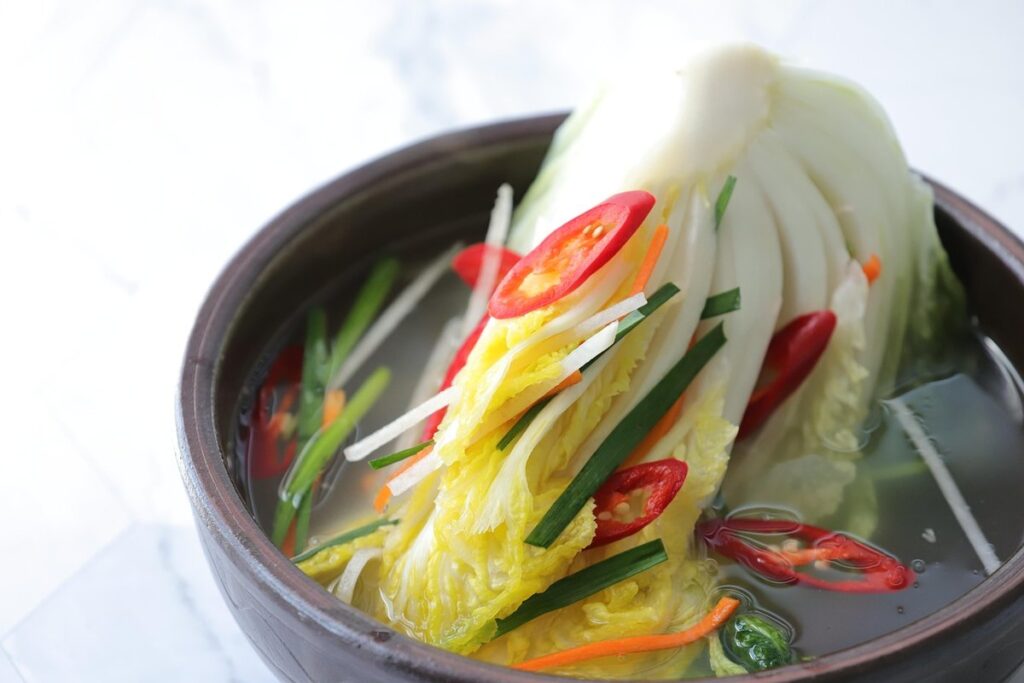
What Are Fermented Peppers?
Fermented peppers are a staple in many global cuisines, prized for their unique flavor profiles and potential health benefits. Let’s start by understanding what fermented peppers are and how they’re made.
Defining Fermentation
Fermentation is a natural process where microorganisms break down sugars in food, creating lactic acid and preserving the product. This process involves the action of beneficial bacteria, such as Lactobacillus or Leuconostoc, which feed on the sugars present in the peppers.
As the microorganisms feed, they produce compounds that give fermented peppers their characteristic flavor, aroma, and texture. For example, lactic acid contributes to the tangy taste, while other compounds can add depth and umami flavors. The type of microorganism involved and the conditions under which fermentation occurs determine the final product’s characteristics.
A key aspect of fermentation is its preservative effect. By creating an acidic environment, fermentation inhibits the growth of pathogens and spoilage bacteria, allowing the peppers to be stored for longer periods without refrigeration. This makes fermentation a valuable method for extending shelf life and maintaining food safety.
The balance between beneficial microorganisms and other factors like temperature, oxygen levels, and salt content is crucial in determining the success of fermentation.
Benefits of Fermentation for Peppers
Fermentation has a profound impact on both the nutritional content and flavor profile of peppers. As a pepper ferments, its cells break down, releasing trapped nutrients and making them more bioavailable to our bodies. This process increases the levels of vitamins A and C, potassium, and folate, rendering peppers an even more nutritious addition to meals.
The antioxidant capacity of fermented peppers also sees significant enhancement, as beneficial compounds like polyphenols and flavonoids are released during fermentation. These antioxidants work in tandem with other nutrients to neutralize free radicals, protecting cells from damage and supporting overall health.
In terms of flavor, fermentation imbues peppers with a rich, tangy taste that’s both complex and balanced. The breakdown of cell walls also makes the pepper’s natural sweetness more pronounced, creating a depth of flavor that’s hard to replicate through other methods.
For those looking to incorporate fermented peppers into their diet, it’s essential to note that the fermentation process can be tailored to suit individual preferences. Experimenting with different spice blends and fermentation times allows you to fine-tune the flavor profile and nutritional content to your liking.
Types of Fermented Peppers
Let’s explore some of the most popular types of fermented peppers, from Korean kimchi to Mexican salsa, each with its own unique flavor profile and nutritional benefits. You’ll discover how these variations can add excitement to your meals.
Korean Kimchi-Style Peppers
In Korean cuisine, fermented chili peppers are a staple condiment used to add depth and heat to various dishes. The traditional method of fermenting gochugaru (Korean chili flakes) involves mixing it with other ingredients like rice, garlic, ginger, and sometimes fish sauce or soy sauce to create gochujang, a spicy paste that’s both umami-rich and nutrient-dense.
Gochujang has been a cornerstone of Korean cuisine for centuries, not only as a flavor enhancer but also for its perceived health benefits. It’s said to aid digestion and boost the immune system due to its high content of antioxidants and probiotics. The fermentation process involved in creating gochujang breaks down some of the tougher compounds found in chili peppers, making their capsaicinoids more bioavailable.
To make gochujang at home, you’ll need a combination of gochugaru, rice flour, garlic, ginger, and a liquid base like water or Korean chili paste (ssamjang). A 1:1 ratio of gochugaru to rice flour is a good starting point. Mix the ingredients together with a spoon until well combined, then transfer the mixture to an airtight container for fermentation. Allow it to sit at room temperature for several days before transferring it to the refrigerator for storage.
Mexican Salsa Roja
Making Mexican Salsa Roja involves selecting a mix of chili peppers, such as arbol, guajillo, and ancho, which provide a balance of heat and depth. These peppers are typically rehydrated by soaking them in hot water or broth to soften their flesh. The rehydrated chilies are then blended with ingredients like garlic, onion, oregano, and vinegar to create the sauce’s base.
A key aspect of Salsa Roja is its use of a mixture of pepper types. This blend creates a complex flavor profile that’s both spicy and slightly sweet. To achieve this balance, you can experiment with different chili combinations or adjust the amount of garlic and oregano used.
One common variation involves adding ingredients like roasted tomatoes or chipotle peppers to enhance the sauce’s smokiness. Another option is to use Anaheim or Poblano peppers for a milder flavor. For those who prefer a thicker consistency, you can reduce the amount of liquid in the blend or add a small amount of cornstarch.
When selecting chilies for your Salsa Roja, consider their Scoville heat units (SHU) and how they’ll interact with each other in terms of heat and flavor. A general rule is to use about 1/3 of hot peppers like habaneros or arbol, while the remaining 2/3 consists of milder varieties like ancho or guajillo.
Preparing Fermented Peppers at Home
To get started with fermenting peppers at home, you’ll need to choose a recipe and prepare your ingredients, including selecting the right type of peppers. This step is crucial for achieving perfect fermentation conditions.
Basic Ingredients and Equipment
To start fermenting peppers at home, you’ll need a few basic ingredients and some essential equipment. First, choose a variety of pepper that suits your taste preferences – jalapeños, cayennes, or Anaheim peppers work well for beginners. Next, you’ll need salt to create a brine solution; unrefined sea salt is a good option as it contains beneficial microorganisms.
In addition to the peppers and salt, you’ll also need water to create the brine. Use filtered or bottled water to prevent contaminants from affecting your fermentation process. As for equipment, you’ll need a clean glass jar with a wide mouth – Mason jars are ideal – and a weight or plate to keep the peppers submerged under the brine.
Proper sanitation is crucial when fermenting peppers at home. Make sure all your equipment and work surface are thoroughly cleaned and sanitized before beginning. Store the fermentation vessel in a cool, dark place – ideally between 65°F to 75°F (18°C to 24°C) – away from direct sunlight and heat sources. This will help prevent unwanted growth and allow the beneficial microorganisms to thrive.
Fermentation Methods and Techniques
For lacto-fermentation, you’ll need a clean glass jar with a wide mouth. Combine 1 cup of water with 2 tablespoons of salt in a bowl, stirring until the salt dissolves. Add sliced or chopped peppers to the jar, leaving about an inch at the top for the brine. Pour the saltwater mixture over the peppers, making sure they’re completely submerged.
If using a weighted container with cheesecloth, you’ll need a vessel that fits inside your jar and has a weight or plate on top to press down on the contents. Fill this container with peppers, then cover it with cheesecloth, securing it with a rubber band if necessary. Pour the saltwater brine over the peppers, making sure they’re fully covered.
Monitor the fermentation process by checking for bubbles forming on the surface of the liquid or signs of expansion in the jar. Common issues to watch out for include mold growth due to inadequate salinity or contamination, and scum formation on the surface from too little salt. To troubleshoot these problems, adjust your brine ratio or sterilize your equipment thoroughly before proceeding.
Health Benefits and Nutrition Facts
When it comes to fermented peppers, you might be wondering what all the fuss is about beyond their incredible flavor. Let’s take a closer look at how these spicy superfoods support our health and well-being.
Nutrient-Rich Food Source
Fermented peppers are an excellent source of essential nutrients, including vitamins A and C, potassium, and other beneficial compounds. These nutrients are particularly important for supporting immune function and overall health. Vitamin C, for example, plays a crucial role in the production of white blood cells, which help fight off infections. Fermented peppers can provide up to 100% of the recommended daily intake of vitamin C per serving.
Potassium is another key nutrient found in fermented peppers. This essential mineral helps maintain healthy blood pressure and supports muscle function. A single serving of fermented peppers can provide around 10-15% of the daily recommended intake of potassium. Other nutrients, such as folate and thiamin, are also present in significant amounts.
The fermentation process itself actually enhances the nutrient content of the peppers. The breakdown of cell walls during fermentation makes it easier for the body to absorb these essential compounds. When choosing fermented peppers, look for products that have been made using traditional methods, as these are likely to retain more nutrients than industrially processed versions. By incorporating fermented peppers into your diet, you can reap the rewards of a nutrient-rich food source that supports immune function and overall health.
Anti-Inflammatory Properties
Fermented peppers contain a wealth of bioactive compounds with potent anti-inflammatory properties. These compounds, including capsaicin and other polyphenols, have been extensively studied for their ability to reduce inflammation and alleviate pain.
Research has shown that the capsaicin found in fermented peppers can bind to TRPV1 receptors in the body, which are responsible for transmitting pain signals to the brain. By blocking these receptors, capsaicin can provide significant relief from chronic pain conditions such as arthritis and fibromyalgia. Additionally, studies have demonstrated that regular consumption of fermented peppers can reduce inflammation markers in individuals with metabolic syndrome and other chronic diseases.
A key compound responsible for the anti-inflammatory effects of fermented peppers is quercetin, a flavonoid antioxidant found in many plant-based foods. Quercetin has been shown to inhibit the production of pro-inflammatory cytokines, which contribute to chronic inflammation and tissue damage. When selecting fermented peppers, look for products that have been aged or fermented for an extended period, as this process allows for greater accumulation of beneficial compounds like capsaicin and quercetin.
Consuming 1-2 tablespoons of fermented pepper paste daily can be a simple way to incorporate these anti-inflammatory compounds into your diet.
Advanced Techniques and Variations
As you become more confident in fermenting your own peppers, you’ll want to experiment with advanced techniques and creative variations to take your flavors to new heights. We’ll explore some exciting methods to try at home.
Spice Blending and Flavor Pairing
When combining fermented peppers with other ingredients, consider their inherent flavor profiles. For example, sweet peppers pair well with aromatic spices like cinnamon and nutmeg, while hot peppers complement bold flavors like garlic and ginger. The sweetness of carrots or beets can balance the acidity of fermented peppers in a salsa or relish.
Different spice blends can either enhance or modify the fermentation process. A blend that includes coriander seeds can add warmth without overpowering the pepper’s natural flavor. Conversely, a mix of cumin and chili powder can amplify the heat of fermented peppers. Experiment with various combinations to create unique flavor profiles.
Some key considerations when blending spices include:
• Balancing sweetness with acidity
• Choosing complementary flavors (e.g., earthy beets with spicy peppers)
• Avoiding overpowering flavors that might mask the pepper’s natural taste
Keep in mind that the type of fermentation – whether lactic acid, vinegar-based, or dry – can also impact flavor. By understanding how different spice blends interact with fermented peppers and adjusting for their unique characteristics, you can create complex and harmonious flavor profiles that elevate your dishes.
Experimenting with Other Vegetables
When experimenting with fermented peppers, you can also explore fermenting other vegetables alongside them. This approach not only adds variety to your fermentation projects but also allows for interesting flavor combinations and nutrient-rich profiles. Cucumbers, for instance, pair well with peppers due to their similar texture and mild flavor, which absorbs the bold flavors of the fermented peppers.
Carrots can be fermented in a separate batch or combined with peppers, adding a pop of color and sweetness to your fermented mix. The high water content in carrots can lead to a softer, more sauerkraut-like consistency, so monitor their fermentation progress closely.
Cabbage is another great candidate for co-fermentation, especially if you’re making Korean-style kimchi. Its dense, compact leaves hold up well to the lactic acid produced by the peppers and other vegetables, creating a tangy, crunchy texture that’s perfect for snacking or adding to meals.
When experimenting with these combinations, remember to adjust the salt content according to the vegetable being fermented, as some require more or less salt to achieve proper fermentation.
Troubleshooting Common Issues
As you experiment with fermented peppers, it’s not uncommon to encounter some issues along the way. This section addresses common problems and provides solutions to get your fermentation back on track.
Identifying and Addressing Problems
When working with fermented peppers, it’s essential to recognize signs of spoilage, over-fermentation, or contamination to prevent the growth of unwanted bacteria and mold. Over-fermentation can be identified by a strong, unpleasant odor, slimy texture, or an excessive amount of foam on the surface.
To check for spoilage, inspect your peppers regularly for visible signs of mold, such as white or green patches, or a fuzzy appearance. If you notice any mold, discard the entire batch immediately to avoid contaminating other foods.
Contamination can be caused by improper storage, inadequate sanitation, or contaminated equipment. Regularly clean and sanitize all utensils, containers, and surfaces that come into contact with your fermented peppers. Store them in a cool, dark place, away from direct sunlight and heat sources.
If you notice any of these issues, take corrective action promptly to maintain a healthy fermentation environment. For over-fermentation or spoilage, discard the affected batch and start fresh with new ingredients. For contamination, thoroughly clean and sanitize all equipment and surfaces before proceeding.
To prevent future issues, ensure that your peppers are properly salted and acidity levels are sufficient to inhibit the growth of unwanted bacteria. A general rule is to maintain a ratio of 2-3% salt by weight, along with a pH level below 4.6. Monitor your fermentation environment regularly, keeping an eye on temperature, humidity, and oxygen levels.
In some cases, over-fermentation can be reversed by transferring the peppers to a new vessel with fresh brine or liquid. However, this is not always successful, and it’s often better to err on the side of caution and discard the batch to avoid any potential health risks.
Storing and Serving Fermented Peppers
Now that you’ve mastered the art of fermenting peppers, it’s time to learn how to store them properly and serve them to bring out their full flavor potential. Proper storage techniques will help preserve your fermented peppers for months to come.
Short-Term and Long-Term Storage
To maintain the flavor and nutritional value of fermented peppers, it’s essential to store them properly. For short-term storage, keep jars of fermented peppers refrigerated at a consistent temperature below 40°F (4°C). This will slow down fermentation and prevent over-fermentation, which can lead to an unpleasantly strong or sour taste. Check on the peppers every few days, as they may begin to develop off-flavors.
For long-term preservation, you have two main options: freezing or canning. Freezing is a simple process that involves transferring the fermented peppers to airtight containers or freezer bags and storing them in the freezer at 0°F (-18°C) or below. Frozen peppers will retain most of their flavor and nutritional value for up to six months.
Canning is another viable option, but it requires more attention to detail and specialized equipment. To can fermented peppers, follow a tested recipe and use a pressure canner to ensure that the jars are properly sterilized and sealed. Canned peppers can be stored in a cool, dark place for up to 12 months.
Incorporating Fermented Peppers into Meals
When working with fermented peppers, you can add them to a variety of dishes for an instant flavor boost. Start by mixing them into soups and stews towards the end of cooking time – their acidity will help cut through richness and balance flavors. In salads, use fermented peppers as a topping or mix them into the dressing for added depth.
For sauces and marinades, blend fermented peppers with other ingredients to create a paste that can be brushed onto meats or vegetables during grilling or roasting. You can also chop fermented peppers finely and add them to salsas, hot sauces, or even BBQ sauce. In Asian-inspired dishes, try mixing fermented peppers into stir-fry sauces or using them as a topping for noodle bowls.
When it comes to breakfast, consider adding chopped fermented peppers to omelets or frittatas for a spicy kick. You can also mix them into scrambled eggs or use them as a topping for avocado toast. For a more substantial meal, try making a fermented pepper and egg curry or using them in place of hot sauce in your favorite recipes. Experiment with different types of fermented peppers to find the flavor combinations that work best for you.
Frequently Asked Questions
Can I Use Store-Bought Fermented Peppers in Recipes?
You can use store-bought fermented peppers as a substitute in recipes, but keep in mind that they may have added preservatives or flavorings. If you’re looking for the same nutritional benefits and flavor profile as homemade fermented peppers, consider making your own or using fresh peppers with a longer fermentation time.
How Long Does It Take to Notice Health Benefits from Fermented Peppers?
The health benefits of fermented peppers can be noticeable after regular consumption over several weeks. Some people may experience improvements in digestion and energy levels within 1-2 weeks, while others may take longer to notice the effects. Be patient and consistent with your diet.
Can I Ferment Other Types of Peppers Besides Hot Ones?
Yes, you can ferment sweet peppers or other varieties like bell peppers, Anaheim peppers, or Poblano peppers. The fermentation process will still bring out their natural flavors and create a slightly sour taste. Experiment with different types to find your favorite flavor profiles.
Is It Safe to Ferment Peppers in Small Quantities at Home?
Fermenting small quantities of peppers at home can be safe if you follow proper sanitation and storage guidelines. However, make sure to monitor the fermentation environment closely for signs of spoilage or contamination. Start with a small batch to ensure you’re comfortable with the process before scaling up.
Can I Freeze Fermented Peppers After They’ve Been Opened?
Yes, you can freeze fermented peppers after they’ve been opened, but it’s best to store them in an airtight container within a few days of opening. Frozen fermented peppers will retain their nutritional benefits and flavor profile when thawed and used in recipes.

