
Fermenting strawberries at home is an easy way to boost your gut health, immune system, and nutrient absorption. Strawberries are packed with beneficial compounds like polyphenols, which can be even more potent when fermented. However, many people struggle to incorporate fermented foods into their diets due to lack of knowledge or experience with fermentation processes. By the end of this article, you’ll know how to ferment strawberries successfully at home and understand the benefits that come with it. We’ll start by covering the basics of fermentation, then move on to specific tips for fermenting strawberries, including ideal temperature ranges, container types, and monitoring techniques. This comprehensive guide will take you from beginner to confident fermenter in no time, allowing you to unlock improved gut health and enhanced nutrition with your very own fermented strawberry creations.
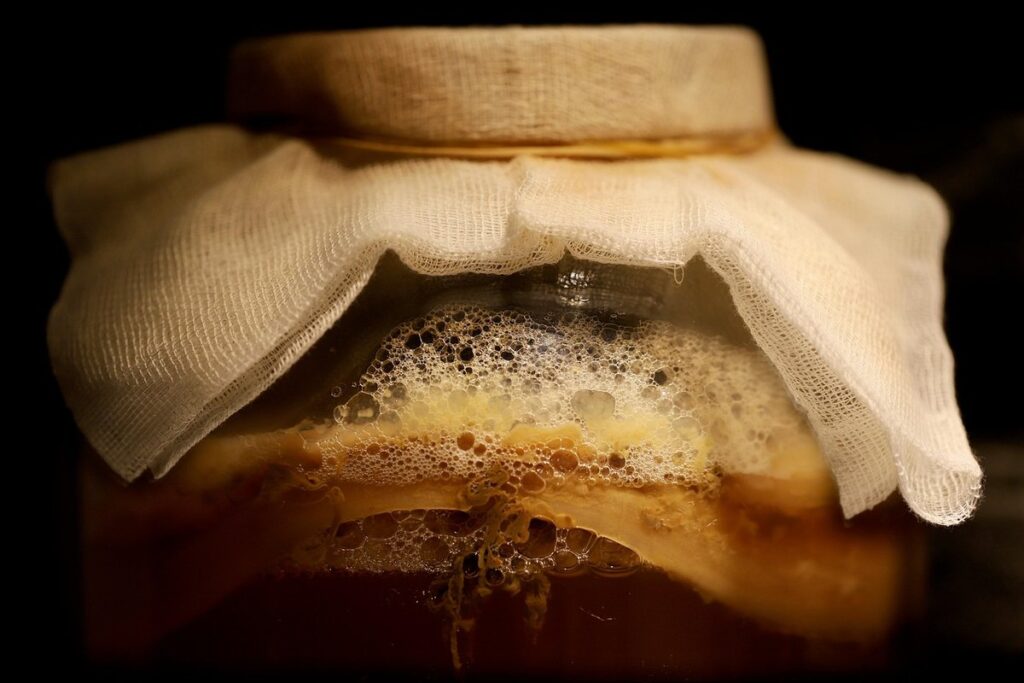
Benefits and Basics of Fermenting Strawberries
Fermentation is a game-changer for strawberry lovers, allowing you to preserve their flavor and nutrition while creating delicious, tangy treats. We’ll explore the benefits and essential techniques of fermenting strawberries in this next section.
What is Fermentation?
Fermentation is a natural process that has been used for centuries to preserve food. It involves the action of microorganisms like bacteria and yeast on the sugars present in food, breaking them down into lactic acid or other compounds. This process not only preserves the food but also enhances its flavor and nutritional value.
The history of fermentation dates back to ancient times when people first discovered that by allowing their food to break down naturally, they could store it for longer periods without refrigeration. Fermentation was used to preserve fruits, vegetables, grains, and even meats. In many cultures, fermented foods are still a staple part of the diet.
In modern times, fermentation is an essential aspect of food preservation due to its effectiveness in killing off pathogens and extending shelf life. It also helps retain the natural nutrients found in food, unlike heat-based methods like canning or freezing. By understanding the basics of fermentation, you can start experimenting with preserving your own fruits and vegetables at home, including strawberries.
Why Choose Fermented Foods?
Incorporating fermented foods into your diet can have a profound impact on overall health. Fermented strawberries, as part of a balanced routine, can contribute to improved gut health. This is due in large part to the presence of beneficial probiotic bacteria and prebiotic fibers that support the growth of healthy gut flora.
The immune system also benefits from fermented foods like strawberry ferment. The increased production of antioxidants and other beneficial compounds enhances the body’s natural defense mechanisms, allowing it to better fight off invading pathogens. In fact, studies have shown that regular consumption of fermented foods can lead to a significant decrease in inflammation and oxidative stress.
Nutrient absorption is another area where fermented foods excel. The process of fermentation breaks down cell walls, releasing trapped nutrients that are then more easily absorbed by the body. This means you can get more bang for your buck from the vitamins and minerals present in strawberries. When selecting fermented foods, look for products that have been prepared using traditional methods to ensure optimal preservation of beneficial compounds.
Preparing for Strawberry Fermentation
Before you start fermenting strawberries, it’s essential to prepare your ingredients and equipment properly. This includes washing, chopping, and preparing your berries for fermentation in a clean environment.
Choosing the Right Strawberries
When selecting strawberries for fermentation, ripeness is a critical factor. Choose berries with bright red coloration and slight softening around the stem. Unripe or overripe strawberries will produce an unpleasantly sour or bitter flavor in the fermented product. Opt for sweet-tart varieties like Camarosa or Ventana, as they tend to retain their natural acidity during fermentation.
Consider the flavor profile you desire in your final product. If you prefer a milder taste, select berries with higher sugar content. Conversely, if you enjoy a tangy finish, choose strawberries with higher acidity levels. Many strawberry varieties exhibit a balance of sweetness and tartness, making them suitable for most recipes.
Nutritional content also plays a role in selecting strawberries. Look for berries grown without pesticides or other chemicals, as these substances can impact the fermentation process. Strawberries rich in antioxidants like vitamin C and anthocyanins will yield a more vibrant color and richer flavor in your fermented product. When possible, choose locally sourced strawberries to ensure optimal freshness and flavor potential.
Equipment and Supplies Needed
To ferment strawberries at home, you’ll need a few pieces of equipment and some essential supplies. Start with a clean glass jar or container with a wide mouth, as this will allow for easy access during fermentation. A food-grade plastic container can also work well, but make sure it’s specifically designed for fermentation to prevent contamination.
A weight is necessary to keep the strawberries submerged under their own juice, which helps prevent mold growth and promotes even fermentation. You can use a glass weight or a plate that fits inside the jar, as long as it’s heavy enough to hold down the fruit.
In addition to your container and weight, you’ll need some basic utensils for preparation. A sharp knife is necessary for cutting the strawberries into small pieces, while a wooden spoon or spatula can be used for mixing and scraping down the sides of the jar. Optional equipment includes a fermentation lid or airlock to help regulate CO2 levels during fermentation.
When selecting containers and supplies, choose items that are easy to clean and sanitize to prevent contamination. Avoid using metal utensils, as they can react with the acidic environment of the fermenting strawberries. By having these essential pieces of equipment on hand, you’ll be well-prepared to start your strawberry fermentation project.
The Fermentation Process
Now that you understand the basics of fermenting, it’s time to dive into the step-by-step process of turning strawberries into a tangy, probiotic-rich treat. This section breaks down each stage of fermentation.
Step 1: Preparing the Strawberries
First, carefully inspect the strawberries for any signs of mold, rot, or bruises. Remove and discard any spoiled berries to ensure the healthy ones ferment properly. Next, wash the strawberries gently with cool water to remove dirt, debris, and pesticides. A soft-bristled brush can be used to scrub the fruit, especially around the blossoms.
To hull the strawberries, use a small knife or the point of a paring knife to carefully cut out the stem end. For smaller berries, you may need to make multiple cuts to remove the entire stem. Alternatively, you can also use kitchen shears to snip off the stems. When cutting through the fruit, try to minimize damage and avoid bruising the surrounding area.
Once hulled, chop the strawberries into desired sizes for fermentation. Typically, a 1/4-inch dice works well, but feel free to adjust according to your recipe or personal preference. Be sure not to over-chop, as this can release excess juice and create a mushy texture in the finished product.
Step 2: Creating the Brine
To create a suitable brine for fermenting strawberries, you’ll need to combine water with salt and other optional ingredients. The ideal ratio is between 2% and 5% salt by weight of the water. For example, if using 1 liter of water, add 20-50 grams of salt.
The temperature of your water matters as well. It should be around 90°F (32°C) to 100°F (38°C), which is warm enough for the brine to dissolve the salt but not so hot that it kills off beneficial microbes. You can use a thermometer to check the temperature, or simply let the mixture sit at room temperature until it cools down.
Some people like to add optional ingredients to their brine, such as sugar, honey, or herbs, to create unique flavor profiles. However, keep in mind that these additions can also affect the fermentation process and the final product’s texture and taste. For instance, adding a lot of sugar can lead to an over-sweetened ferment. When experimenting with different combinations, start with small batches to ensure you’re getting the desired results.
Managing Fermentation Temperature and Time
To get the best flavor out of your fermented strawberries, it’s essential to find a balance between temperature and time, as these factors can greatly impact the fermentation process. This section will guide you through achieving that perfect balance.
Monitoring Temperature and pH Levels
You’ll need a way to monitor temperature and pH levels during fermentation. This is crucial for ensuring the optimal conditions required for lactic acid bacteria to thrive.
A thermometer specifically designed for measuring low temperatures, such as an analog or digital probe thermometer, will be the most accurate tool for monitoring temperature fluctuations. These thermometers are usually waterproof and can be inserted directly into the fermenting container without causing harm.
For pH measurement, a dedicated pH meter is necessary. pH meters come with calibration solutions that allow you to adjust their accuracy. Choose a model suitable for acidic readings, as strawberry fermentation typically produces low pH levels (around 3.5-4.0).
Use a combination of temperature and pH monitoring tools to track the progress of your ferment. A small deviation in either parameter can impact flavor development or even result in spoilage. Regularly checking these values will help you make informed decisions about adjustments needed for optimal fermentation.
When choosing between different types of thermometers or pH meters, consider their accuracy range, ease of use, and durability.
Timeframes for Different Stages
Successful fermentation of strawberries typically unfolds over several stages. Initially, you’ll notice a surge in bubbling activity as wild yeast and bacteria on the fruit’s surface feed on its sugars. This usually occurs within 12 to 24 hours after setting up the fermentation vessel.
As fermentation gains momentum, expect the mixture to expand and potentially overflow if not regularly checked and monitored. This bloating phase can last anywhere from a few days to a week, depending on factors like temperature, pH levels, and initial sugar content.
Pay close attention to flavor development during this period – you’ll notice a transformation from sweet, fruity aromas to tangy, slightly sour notes. The fermentation process is typically complete when the bubbling slows down significantly and the mixture has reached a more stable consistency. Some strawberry fermentations can take up to two weeks to fully develop, while others may be ready within 5-7 days. Keep in mind that temperature fluctuations can slow or speed up this process.
Storage and Handling of Fermented Strawberries
To ensure your fermented strawberries stay fresh and safe to eat, it’s crucial to store them properly and handle them with care. This includes selecting the right containers and storing them in a cool, dark place.
Short-Term Storage Options
Transfer fermented strawberries to a clean glass jar or container with a tight-fitting lid. This is crucial for maintaining quality and preventing contamination. Store the jar in the refrigerator at a temperature between 32°F and 40°F (0°C and 4°C). Keep it away from direct sunlight, as this can cause the fermentation process to slow down or become uneven.
It’s essential to check on your fermented strawberries regularly during storage. Every few days, inspect the container for any signs of mold, yeast growth, or off-odors. If you notice any issues, discard the affected portion and re-pack the remaining fermented strawberries in a new clean jar with fresh brine solution.
In general, fermented strawberries will keep for several weeks to a few months when stored properly. However, their flavor and texture may degrade over time due to continued fermentation. Typically, it’s best to consume them within 2-6 weeks of storage for optimal quality. Always prioritize food safety and err on the side of caution if you’re unsure about the condition or shelf life of your fermented strawberries.
Long-Term Preservation Methods
For long-term preservation of fermented strawberries, you have several options. Freezing is a convenient method, as it helps maintain the fruit’s texture and flavor. To freeze, simply place the fermented strawberries in an airtight container or freezer bag, making sure to press out as much air as possible before sealing.
Canning is another popular method for preserving fermented strawberries. However, it requires proper canning techniques to ensure safety and quality. The National Center for Home Food Preservation recommends using a water bath canner and following tested recipes to achieve the correct acidity levels.
Dehydrating is a great option if you want to maintain the nutritional benefits of fermented strawberries while reducing storage space. You can use a food dehydrator or your oven on its lowest temperature setting, monitoring the process closely to avoid over-drying. Regardless of the method you choose, be sure to store the preserved fermented strawberries in a cool, dark place to preserve their flavor and texture. Proper preservation techniques will help extend the shelf life of your fermented strawberries for months to come.
Applications and Recipe Ideas
Now that you’ve learned how to ferment strawberries, let’s get creative! This section shares our favorite recipe ideas and applications for your homemade fermented strawberry treats.
Using Fermented Strawberry Sauce
Fermented strawberry sauce is a versatile ingredient that can elevate various dishes beyond just its signature sweet-tart flavor. As a topping, it’s perfect for yogurt parfaits, oatmeal bowls, or even ice cream sundaes. The sauce also makes an excellent side dish when served alongside meats like pork chops or grilled chicken.
In savory recipes, fermented strawberry sauce adds depth and complexity to sauces for pan-seared fish or as a glaze for roasted vegetables. It’s also a great addition to BBQ sauces or marinades for poultry or red meat. When using it in baked goods, consider substituting up to 25% of the sugar content with fermented strawberry sauce to create unique flavor profiles.
When choosing between sweet and savory applications, consider the desired balance of flavors and textures. For example, if pairing the sauce with rich ingredients like cream or cheese, opt for a sweeter fermented strawberry sauce. Conversely, when balancing bold flavors like spices or herbs, a tangier sauce will provide better contrast. Experimenting with different combinations will help you find the perfect application for your homemade fermented strawberry sauce.
Incorporating Fermented Strawberries into Smoothies and Juices
When incorporating fermented strawberries into smoothies and juices, it’s best to start with a small amount – about 1-2 tablespoons per serving. This allows you to adjust the flavor and intensity of the fermented taste to your liking. Begin by mixing the fermented strawberries with other ingredients that complement their sweet-tart flavor profile, such as banana, spinach, or pineapple.
Some popular combinations include pairing fermented strawberries with creamy ingredients like avocado, coconut milk, or Greek yogurt. This creates a balanced and refreshing smoothie that’s perfect for post-workout recovery or a quick breakfast on-the-go. When using fermented strawberries in juices, try blending them with citrus fruits like oranges or grapefruits to enhance their natural sweetness.
For added nutritional benefits, consider adding other probiotic-rich ingredients to your fermented strawberry smoothies or juices. These could include kombucha, kefir, or even a scoop of probiotic powder. By combining these fermented foods and drinks, you can create beverages that not only taste great but also support gut health and overall well-being.
Frequently Asked Questions
What If My Fermented Strawberries Don’t Seem to Be Developing the Expected Flavor?
Yes, it’s normal for fermented strawberries to take time to develop their characteristic flavor. Factors like temperature, salt level, and strawberry variety can affect fermentation speed and taste. Check your brine recipe, ensure proper temperature control (68-72°F), and be patient – flavors will deepen with time.
Can I Use a Crock Pot or Instant Pot for Fermentation Instead of a Dedicated Container?
Yes, you can use a crock pot or Instant Pot for fermentation as an alternative to a dedicated container. However, these appliances require adjustments in temperature control and brine levels. Research specific guidelines for using your device, as it will impact the final product’s texture and flavor.
How Do I Know When My Fermented Strawberry Sauce Has Gone Bad?
Signs of spoilage include slimy texture, off-putting smell, or mold growth. Regularly inspect your fermented strawberry sauce for these warning signs, especially after storage in the refrigerator. If you notice any issues, discard the batch and start fresh.
Can I Mix Fermented Strawberries with Other Fruits or Vegetables for a Different Flavor Profile?
You can experiment with combining fermented strawberries with other fruits or vegetables to create unique flavor profiles. However, be cautious when mixing acidic ingredients like citrus or tomatoes, as they may disrupt pH levels and affect fermentation. Research compatible combinations before attempting new blends.
What If I Forget to Monitor My Fermentation Temperature or pH Levels – Will It Ruin the Entire Batch?
No, forgetting to monitor temperature or pH levels will not necessarily ruin your entire batch of fermented strawberries. However, neglecting proper controls may lead to off-flavors, texture issues, or spoilage. Act quickly if you notice any anomalies, and take corrective action to salvage your fermentation.

