
Dried corn is often overlooked as a versatile ingredient with numerous benefits. You may be surprised to learn that its uses extend far beyond the kitchen, from animal feed and biofuel production to industrial applications. In fact, dried corn has been used for centuries in various forms, from traditional cooking methods to modern manufacturing processes. But what exactly is dried corn, and how is it made? Its history dates back to ancient civilizations, where corn was a staple crop used for both sustenance and ritual purposes. Today, the nutritional profile of dried corn makes it an attractive option for animal feed, while its industrial applications are being explored in biofuel production. In this article, we’ll take a detailed look at the benefits and uses of dried corn, helping you make informed choices about its role in your daily life.
What is Dried Corn?
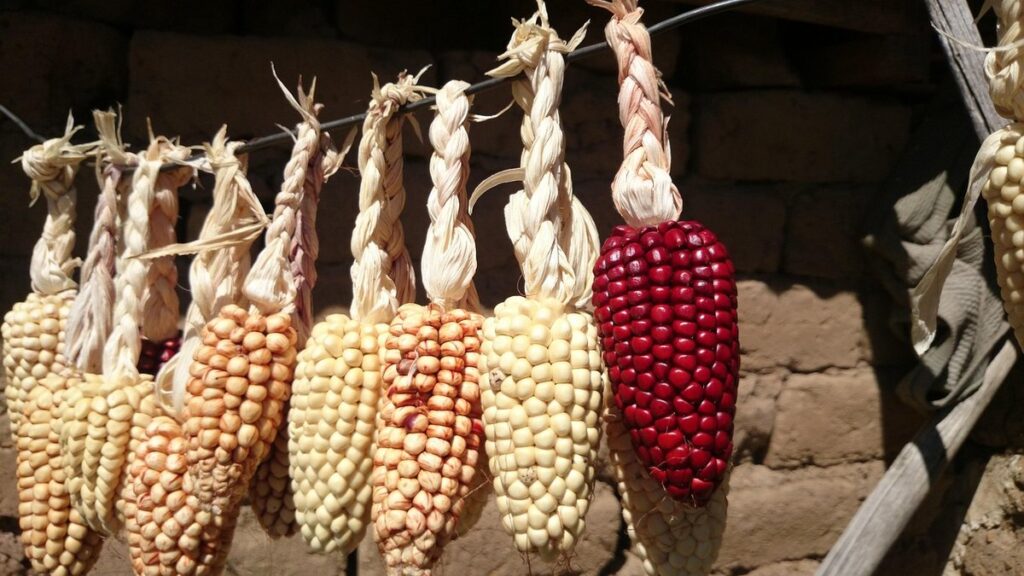
Dried corn is a versatile and nutritious food made from corn kernels that have been removed of their moisture, either through natural drying or processing. It’s a staple ingredient in many cuisines around the world.
Definition and Types of Dried Corn
Dried corn is a versatile staple with various forms, each suited for distinct uses. To achieve the desired moisture level of 15% or less, farmers may either allow the crop to dry naturally in the field or use artificial drying methods after harvesting.
There are three primary types of dried corn: popcorn kernels, dried whole kernel corn, and corn flour. Popcorn kernels are specifically designed to explode when heated, making them ideal for snacking and entertaining. Dried whole kernel corn, also known as dried dent corn, is used in animal feed and can be ground into meal or flour.
Corn flour, on the other hand, is a finely milled powder made from dried corn kernels. It’s commonly used in baked goods, such as tortillas, tamales, and cornbread. When choosing between these types of dried corn, consider your intended use and desired texture. For example, if you’re planning to pop the kernels, ensure they are specifically labeled as “popcorn” for optimal results. By understanding the different forms of dried corn, you can select the right product for your needs and recipes.
History and Production Process
Corn is one of the oldest domesticated crops, with evidence suggesting it was first grown in southern Mexico over 7,000 years ago. The crop has since spread globally, becoming a staple food for millions. Today, corn is grown on every continent and is used in various forms, including dried corn. The production process typically begins with planting in the spring, when seeds are sown into fertile soil. Corn requires a long growing season, usually between 100 to 150 days, depending on factors like climate and variety.
During this period, farmers must carefully manage irrigation and fertilization to promote healthy growth. Harvesting occurs when the kernels reach maturity, usually indicated by a dry, hard outer shell. The corn is then collected from the field using specialized equipment or even simple tools like sickles in traditional settings.
The next step involves drying, which can be done naturally through sun exposure or artificially using machines that regulate temperature and humidity levels. This process helps preserve the corn for longer storage periods and reduces moisture content, making it easier to transport. Different markets may have specific requirements for drying and processing methods to meet their standards.
Nutritional Benefits of Dried Corn
Dried corn is a rich source of essential nutrients, including fiber, protein, and several key vitamins and minerals that are beneficial for overall health. Let’s take a closer look at these nutritional benefits.
Protein Content and Amino Acid Profile
Dried corn contains a notable amount of protein, often surpassing other grains. However, its value lies not only in its total protein content but also in its amino acid profile. The essential amino acids lysine and tryptophan are present in sufficient quantities to support the growth needs of animals.
In animal feed, particularly for poultry and swine, dried corn serves as a valuable component due to its balanced amino acid profile. A common concern with plant-based protein sources is their limiting amino acid content. Dried corn addresses this by providing an adequate supply of both lysine and tryptophan. This makes it a preferred ingredient in feed formulations for these species.
When formulating animal feed, producers should consider the ratio of dried corn to other protein sources to ensure optimal growth rates and overall nutritional balance. A typical inclusion rate is 10-20% of dried corn in the final feed mix. The actual ratio will depend on the specific nutrient requirements of the target animals and available ingredient costs.
Fiber and Other Nutrients
Dried corn is a good source of dietary fiber, containing both soluble and insoluble types. Soluble fiber dissolves in water and can help slow down digestion, while insoluble fiber adds bulk to stool and promotes regular bowel movements. A 1/4 cup serving of dried corn provides around 2-3 grams of fiber, which is a significant contribution to the daily recommended intake.
In addition to its high fiber content, dried corn is also rich in essential B vitamins. Thiamin, niacin, and vitamin B6 are all present in varying amounts, making dried corn a nutritious snack for those looking to boost their energy levels or support heart health. To maximize these benefits, consider soaking dried corn in water or cooking it lightly before consumption. This helps break down some of the more resistant cell walls, allowing for easier absorption of these vital nutrients.
For example, incorporating dried corn into your breakfast oatmeal can provide a satisfying and filling start to your day while also supporting cardiovascular health. Simply rehydrate dried corn with boiling water and mix it into your oatmeal for added nutrition and texture.
Uses of Dried Corn in Food Industry
Dried corn is a versatile ingredient, and its applications extend far beyond just animal feed. We’ll explore its various uses in baked goods, snacks, and other tasty treats.
Popcorn Production
Dried corn kernels are a crucial ingredient in popcorn production. The process involves heating the kernels to explode them into fluffy, crunchy pieces. Popcorn machines come in various types, including mechanical and microwave models. Mechanical poppers use hot air or oil to heat the kernels, while microwave poppers use electromagnetic waves.
The type of machine used depends on the intended application. Commercial popcorn producers often use large-scale mechanical poppers that can produce hundreds of pounds of popcorn per hour. Home users, on the other hand, may prefer smaller microwave poppers for convenience and ease of use.
Flavorings and seasonings play a significant role in popcorn production. Common flavor profiles include classic butter and salt, cheese, caramel, and spicy options like chili powder or paprika. Some manufacturers also offer pre-seasoned kernels that save time during the preparation process. When selecting a seasoning, consider factors like cost, shelf life, and customer preferences to ensure optimal results.
Animal Feed and Livestock Nutrition
Dried corn is a primary energy source for many types of livestock, including pigs, chickens, and cattle. As a concentrated form of carbohydrates, it provides a readily available source of fuel for these animals to grow and maintain their weight.
Proper nutrition is crucial for the health and productivity of livestock. A diet that lacks essential nutrients can lead to poor growth rates, weakened immune systems, and reduced fertility in breeding stock. For example, a study on piglets found that those fed with dried corn had improved growth rates and feed efficiency compared to those fed with other energy sources.
In practical terms, livestock producers should ensure that their animals receive a balanced diet that includes not only dried corn but also protein-rich ingredients such as soybean meal or fishmeal. The National Research Council provides guidelines for the nutrient requirements of different animal species, which can be used to formulate an optimal feed mix. By understanding the importance of proper nutrition and selecting the right energy sources, livestock producers can improve the health and productivity of their animals.
Dried Corn in Industrial Applications
Dried corn has a multitude of applications beyond food and animal feed, including use as an ingredient in industrial processes. We’ll take a closer look at its uses in various industries.
Ethanol Production
Dried corn is a crucial ingredient in ethanol production. The process begins with milling the dried corn into a fine flour called “corn mash.” This mixture is then transferred to large vats, where enzymes convert the starches in the corn into fermentable sugars.
Microorganisms such as yeast or bacteria are added to the corn mash, causing it to ferment and produce ethanol. The fermentation process typically takes around 2-5 days, after which the resulting liquid is distilled to separate the ethanol from water. This concentrated ethanol can be blended with gasoline at a ratio of 85% gasoline to 15% ethanol, creating biofuel.
Corn-based ethanol production has gained attention in recent years due to its potential as an alternative energy source. In the United States, for example, many fueling stations offer E15, a blend of 15% ethanol and 85% gasoline. However, it’s worth noting that not all vehicles can run on biofuel blends containing ethanol; owners should consult their owner’s manual before filling up with E15 or other high-ethanol blends.
Cosmetics and Personal Care Products
Dried corn starch is a versatile ingredient used as a thickening agent in various cosmetics and personal care products. In toothpaste, for instance, it helps maintain a consistent texture and prevents the product from becoming too runny. Skincare creams often employ dried corn starch to achieve a smooth, even consistency.
One benefit of using dried corn starch in these applications is its ability to absorb excess moisture without leaving behind a residue. This property makes it an effective ingredient for products that require stability across different temperatures and humidity levels. Additionally, dried corn starch can help stabilize the pH balance of certain formulations, ensuring that the product remains effective throughout its shelf life.
In some cases, manufacturers may use other starches or gums as alternatives to dried corn starch. However, these options may not offer the same level of performance or cost-effectiveness. When selecting a thickening agent for cosmetics and personal care products, it’s essential to consider factors such as texture, stability, and pH balance. By choosing the right ingredient, formulators can create products that are both effective and pleasant to use.
Environmental Impact of Dried Corn Production
As you learn more about the benefits of dried corn, it’s natural to wonder what impact its production has on the environment. We’ll take a closer look at the eco-friendly and not-so-eco-friendly aspects of drying corn.
Water Usage and Soil Erosion
Dried corn production has a significant environmental impact, particularly when it comes to water usage and soil erosion. Large-scale corn farming requires substantial irrigation, which can strain local water resources. In some regions, it’s estimated that corn production accounts for up to 50% of total water consumption.
Soil erosion is another pressing concern in industrial corn farming. Without proper conservation techniques, topsoil can be washed away, leading to nutrient depletion and decreased crop yields. This not only affects the local ecosystem but also compromises long-term agricultural productivity.
To mitigate these effects, farmers can adopt sustainable practices such as no-till or reduced-till farming. These methods minimize soil disturbance, reducing erosion and preserving moisture. Crop rotation and cover cropping can also help maintain soil health and structure.
Incorporating conservation tillage into their operations can yield significant benefits for large-scale corn producers. By using these techniques in combination with other best management practices, farmers can reduce water consumption while maintaining crop yields.
Greenhouse Gas Emissions
Greenhouse gas emissions from dried corn production are a significant concern. These emissions arise during cultivation, processing, and transportation. One major contributor is synthetic fertilizer use, which releases nitrous oxide (N2O) as it breaks down in the soil. N2O has a global warming potential 265-298 times higher than carbon dioxide over a 100-year time frame.
Another significant source of emissions is energy consumption during processing and drying operations. Some facilities use fossil fuels for power, releasing carbon dioxide and other pollutants. To reduce these emissions, some dried corn processors are transitioning to renewable energy sources like wind or solar power. This shift can decrease dependence on fossil fuels by up to 90%.
Agricultural practices also play a crucial role in reducing greenhouse gas emissions from dried corn production. Regenerative farming techniques that promote soil health and biodiversity can sequester carbon dioxide, thereby offsetting some of the emissions generated during processing and transportation. By incorporating these methods into their operations, dried corn farmers and processors can minimize their environmental footprint.
Conclusion
Dried corn is a versatile and nutritious ingredient that offers numerous benefits and uses. In conclusion, it’s essential to understand the value of incorporating dried corn into your daily life. From its high nutritional content to its various culinary applications, dried corn can be a game-changer in many households. Whether used as a snack, an ingredient in traditional recipes, or as animal feed, dried corn has the potential to provide sustenance and satisfaction. When stored properly, dried corn can last for several months, making it a convenient option for meal planning and preparation. To maximize its benefits, consider purchasing high-quality dried corn from reputable sources and experimenting with different recipes and uses in your kitchen.
Frequently Asked Questions
How Can I Use Dried Corn in My Own Cooking?
You can use dried corn to make a variety of dishes, such as soups, stews, and stir-fries. Simply soak the dried corn in water for a few hours to rehydrate it, then cook it according to your recipe’s instructions.
Is It Possible to Grow My Own Dried Corn at Home?
Yes. With proper care and attention, you can grow your own dried corn at home. Choose a variety of corn that is suitable for drying, follow good agricultural practices, and harvest the corn when it reaches the right moisture level for drying.
What If I Want to Use Dried Corn in My Animal Feed but Have Limited Storage Space?
You can store dried corn in airtight containers or plastic bags to keep pests and moisture out. You can also consider purchasing smaller quantities of dried corn or exploring alternative storage options, such as vacuum-sealing equipment.
Can I Use Dried Corn to Make Ethanol at Home?
No. Making ethanol from dried corn requires specialized equipment and expertise, including a fermentation tank and distillation unit. It is not recommended for home use due to safety concerns and regulatory requirements.
How Do I Know if the Dried Corn I’m Buying Is of High Quality?
Look for dried corn that has been properly stored and handled to prevent moisture absorption and contamination. Check the color, texture, and aroma of the dried corn, and purchase from reputable suppliers who can provide documentation about their drying and storage processes.

