
Switching to a zero waste beauty routine can seem daunting, especially when you consider all the plastic packaging that comes with conventional skincare and makeup. But the truth is, our skin health is closely linked to the environment around us, and making this change can have a profound impact on both your complexion and the planet. Traditional beauty products often contain harsh chemicals and preservatives that can strip your skin of its natural oils, leading to dryness, irritation, and even acne. On the other hand, eco-friendly products and DIY recipes can help you achieve healthy, glowing skin while significantly reducing plastic usage. In this article, you’ll learn how to transition to a zero waste beauty routine using simple swaps and homemade alternatives that are gentle on your skin and the environment.
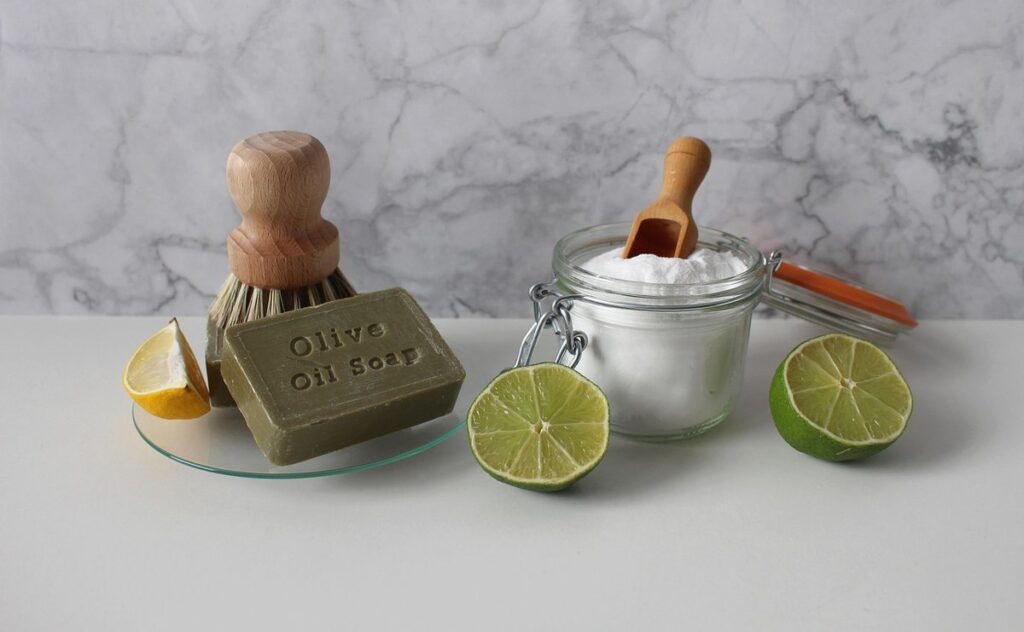
What is Zero Waste Beauty?
Zero waste beauty is a lifestyle choice that seeks to minimize waste by using eco-friendly products, reusable packaging, and responsible consumption habits. It’s all about making conscious choices for your skin and the planet.
Definition and Philosophy
At its core, zero waste beauty is a philosophy that seeks to minimize the environmental impact of personal care products. This approach recognizes that traditional skincare and makeup routines often generate significant amounts of waste, from packaging to product expiration. In response, individuals are adopting sustainable practices that prioritize eco-friendly alternatives.
One key aspect of zero waste beauty is reducing plastic waste in personal care products. This can be achieved by opting for products packaged in biodegradable or recyclable materials, such as glass or cardboard containers. Another strategy is choosing multi-use products, like a single moisturizer that serves multiple skin types, to minimize the number of individual products and packaging required.
Zero waste beauty also encourages individuals to consider the entire lifecycle of their personal care products. This includes evaluating product ingredients for sustainability and potential harm to the environment, as well as considering factors such as product sourcing and manufacturing processes. By adopting these practices, individuals can significantly reduce their environmental footprint and contribute to a more sustainable future.
Benefits of Embracing Zero Waste Beauty
Transitioning to zero waste beauty offers a multitude of benefits for both you and the planet. One major advantage is the reduction in plastic usage. The average person uses around 10-15 personal care products daily, each containing multiple packaging components, resulting in an astonishing amount of waste. By choosing zero waste alternatives, such as bar soaps, solid shampoos, and refillable makeup containers, you can significantly decrease your plastic footprint.
In addition to reducing waste, adopting a zero waste beauty routine can also save you money in the long run. Many conventional beauty products come in large packaging that’s often partially empty when purchased, which is wasteful and expensive. Zero waste products, on the other hand, are often sold in bulk or have refill options, allowing you to buy only what you need.
Perhaps most importantly, zero waste beauty can also lead to improved skin health. Harsh chemicals found in conventional products can irritate and dry out your skin, whereas natural ingredients used in zero waste products tend to be gentler and more nourishing. By making the switch, you may find that your skin becomes clearer, smoother, and more resilient over time.
Understanding Your Skin Type and Needs
To get started on your zero-waste beauty journey, it’s essential to understand your unique skin type and needs to choose products that work best for you. This involves identifying your skin’s specific characteristics.
Identifying Your Skin Type
To start a zero waste skincare routine, you need to understand your skin type. Knowing whether you have normal, dry, oily, or combination skin helps you choose products that won’t clog pores, exacerbate dryness, or strip natural oils.
At home, you can determine your skin type by observing how it behaves in different environments and conditions. Wash your face with a gentle cleanser and wait for 30 minutes to an hour without applying any moisturizers or creams. After this time, check your skin’s texture. If it feels tight and shows visible pores, it’s likely oily. If it still looks pale and feels flaky, you may have dry skin.
If neither of these conditions apply, take a closer look. Check for oiliness on the T-zone (forehead, nose, and chin), which is a sign of combination skin. Examine your skin after washing it: if it tends to feel smooth but can get oily in the afternoon, you’re likely normal-skinned. Consider consulting with a dermatologist or skincare professional if you’re still unsure about your skin type, as this will help you choose products that suit your specific needs and preferences.
Understanding Product Labels and Ingredients
When reading product labels, it’s essential to look beyond general claims like “natural” or “organic.” These terms can be misleading, as they’re often regulated loosely. In the US, for instance, products labeled as “natural” are only required to contain at least 50% natural ingredients.
A more reliable indicator of sustainability is the presence of certifications like the Leaping Bunny logo, which guarantees cruelty-free practices, or the USDA Organic seal, which ensures that at least 95% of the ingredients are organic. Be wary of phrases like “phthalate-free” or “sulfate-free,” as these don’t necessarily imply a product is entirely safe.
Common culprits in skincare and makeup products include parabens, synthetic fragrances, and silicones. These can cause skin irritation, hormone disruption, or environmental pollution. When shopping for zero-waste beauty products, look for brands that explicitly state their use of minimal packaging, recyclable materials, or biodegradable ingredients. Some examples of sustainable ingredient lists might include essential oils, plant extracts, and natural waxes like beeswax or carnauba wax.
Creating a Zero Waste Beauty Routine
You’re ready to ditch those unnecessary packaging waste and create a zero-waste beauty routine that’s as gentle on the planet as it is on your skin. Let’s start by breaking down the key steps involved in making this shift happen.
Minimizing Packaging Waste
When it comes to reducing packaging waste in the beauty industry, one of the most effective strategies is choosing products with minimal or biodegradable packaging. Opt for skincare and makeup products packaged in glass, tin, or bamboo instead of plastic. These materials are often recyclable and can be reused multiple times.
Another option is selecting products with refill packaging, where you can purchase refills without having to replace the entire container. This not only reduces waste but also saves money in the long run. For instance, some brands offer refill programs for their shampoo and conditioner bottles.
When shopping for beauty products, be mindful of the size of the product. Opt for smaller sizes or decant products into reusable containers to minimize packaging waste. Some brands even offer travel-sized products that are perfect for on-the-go use. Consider purchasing in bulk if you have a favorite product with minimal packaging. This can help reduce packaging waste over time and promote sustainable consumption practices. Remember, every small change counts when it comes to reducing waste in the beauty industry.
Sourcing Sustainable Products
When sourcing sustainable products for a zero waste beauty routine, it’s essential to prioritize eco-friendly brands that share your values. Shopping online is an excellent place to start, as many environmentally conscious companies now have a strong digital presence. Websites like Folly and The Yard offer high-quality, refillable skincare and makeup options that can be delivered directly to your doorstep.
In addition to online shopping, visiting local health food stores or specialty beauty boutiques can also yield impressive results. These stores often carry a curated selection of sustainable brands that may not be available elsewhere. Be sure to ask the store owner about their product sourcing policies and whether they offer any refill options for packaging materials.
Supporting small businesses is another crucial aspect of creating a zero waste beauty routine. Local artisans or entrepreneurs who are passionate about sustainability often produce unique, handmade products with minimal environmental impact. You can find these gems at local markets or through social media platforms like Instagram. When shopping from small businesses, consider purchasing in bulk to reduce packaging waste and opt for refillable containers whenever possible.
Makeup and Skincare Product Alternatives
When it comes to reducing waste, one of the biggest challenges is finding eco-friendly alternatives to our favorite beauty products. Let’s take a look at some game-changing swaps for your makeup and skincare essentials.
DIY Beauty Recipes
Creating your own beauty recipes is a game-changer for sustainable skincare. Not only can you avoid harsh chemicals found in commercial products, but you can also customize the ingredients to suit your skin type and needs. Face masks are an excellent place to start – try mixing 1 tablespoon of honey with 1 tablespoon of plain yogurt to create a soothing, hydrating mask.
For scrubs, combine 1 cup of sugar or salt with 1/2 cup of olive oil and gently massage onto dry skin for exfoliation. You can also add in other natural ingredients like lemon juice or essential oils for extra benefits. Moisturizers are another area where you can get creative – blend together coconut oil, shea butter, and beeswax to create a nourishing, long-lasting barrier.
The best part? These recipes are often cheaper than buying commercial products, and you can make them in bulk to last throughout the week. Plus, you’ll have complete control over the ingredients used, making it easy to avoid any allergens or irritants that might be present in store-bought alternatives.
Zero Waste Makeup Options
When searching for zero waste makeup options, it’s essential to look beyond the product itself and consider the packaging. Many conventional makeup products come in plastic containers with minimal recyclability. Opting for brands that prioritize sustainable materials is crucial. Some eco-friendly makeup brands use biodegradable or recyclable packaging made from materials like glass, cardboard, or bamboo.
When evaluating a brand’s commitment to sustainability, pay attention to their ingredient sourcing and production processes as well. Choose products containing natural ingredients with minimal processing, which tend to have fewer negative environmental impacts. Certain skin types may require specific product formulations; research brands catering to your needs. For example, Vapour Organic Beauty offers a range of mineral-based makeup products suitable for sensitive skin.
Consider the “zero waste” aspect of packaging not just during purchase but also after use. Some brands encourage customers to return their empty containers or donate them to recycling programs. This closed-loop system helps minimize waste and supports a more sustainable beauty routine. By selecting eco-friendly makeup brands and adopting environmentally responsible practices, you can significantly reduce your overall environmental footprint in the beauty industry.
Makeup Removal and Skin Care Routines
For a truly zero-waste beauty routine, it’s essential to establish effective makeup removal and skin care practices that minimize waste and prioritize your skin’s health. We’ll explore simple yet impactful routines to achieve this goal.
Effective Makeup Removal Methods
Effective makeup removal is a crucial step in maintaining healthy skin, and it’s especially important when adopting a zero-waste beauty routine. Harsh chemical-based removers can strip the skin of its natural oils, leading to dryness and irritation. A more gentle approach involves using oil-based removers or micellar waters.
Oil-based removers work by dissolving makeup with a blend of oils, such as jojoba or sweet almond oil. These removers are often free from harsh chemicals like mineral oil and petrolatum, making them a better choice for sensitive skin. Look for products that use natural ingredients and minimal packaging to reduce waste.
Micellar waters, on the other hand, are a popular alternative to traditional makeup removers. These gentle liquids use micelles – tiny particles that attract and trap dirt and makeup – to effectively remove impurities without stripping the skin of its natural oils. Some micellar waters may contain added ingredients like rosewater or aloe vera for extra moisturizing benefits.
When choosing an oil-based remover or micellar water, opt for products with recyclable packaging and minimal ingredients to minimize waste.
Zero Waste Skincare Routines
Developing a zero waste skincare routine requires patience and gentle experimentation. Begin by assessing your current products and identifying potential culprits behind skin irritation or sensitivity. Remove any products containing harsh chemicals, artificial fragrances, or dyes.
Patch testing is essential for ensuring new ingredients won’t cause adverse reactions. Allocate time to test individual products on a small area of skin, waiting 24-48 hours before introducing more items to your routine. This cautious approach helps you build a customized skincare plan that balances effectiveness with sustainability.
When selecting zero waste alternatives, prioritize simplicity and natural ingredients. Consider making your own skincare products using readily available ingredients like coconut oil, shea butter, and essential oils. Alternatively, explore eco-friendly brands that offer refill options or use recyclable packaging. Avoid relying on trendy ‘natural’ claims; instead, look for certifications like EWG Verified or Leaping Bunny to ensure compliance with strict environmental standards.
Common Challenges and Solutions
One of the most significant hurdles on a zero waste beauty journey is dealing with product packaging, where many skincare and makeup products come in excess plastic or hard-to-recycle materials. We’ll address common issues and share practical solutions to help you overcome these obstacles.
Overcoming Skin Care Obstacles
Acne-prone skin can be a significant hurdle for those aiming to reduce waste. Harsh chemicals found in traditional acne treatments often come packaged in single-use plastics and may even exacerbate dryness or irritation. You can combat these issues by opting for natural spot treatments, such as aloe vera gel or tea tree oil, which are readily biodegradable. These alternatives not only tend to be gentler but also won’t contribute to the staggering 1 billion plastic waste bottles produced annually.
Dry skin also poses a challenge in zero-waste skincare routines. Many products designed to moisturize often come packaged in single-use tubes and may contain artificial fragrances, dyes, or preservatives that can dry out skin further. Instead, consider making your own moisturizer using natural oils like coconut or jojoba oil and essential oils for fragrance.
For both acne and dry skin, it’s essential to choose products with minimal ingredients and packaging waste in mind. When shopping for skincare products, prioritize those packaged in reusable glass or tin containers over single-use plastics. This simple switch can significantly reduce the amount of waste generated by your beauty routine while also supporting more sustainable brands.
Managing Makeup Waste
Repurposing makeup packaging can be a fun and creative way to reduce waste. One idea is to turn empty containers into mini planters for small plants like succulents or herbs. Simply clean and dry the container, add soil and your chosen plant, and you’ll have a unique decorative piece.
Old tubes can also be repurposed as pen holders or pencil cases. Simply cut the tube to size, wrap it with tape or paint if needed, and use it to store writing utensils. You can even get creative with labels and decorations to make it more visually appealing.
Another idea is to use empty compacts as coasters for your makeup station or bathroom counter. They’re usually made of sturdy materials and can withstand a bit of water, making them perfect for holding down wet products like lip glosses or eyeshadows.
When repurposing makeup packaging, remember to always clean and dry the containers first to prevent bacterial growth. Be mindful of any residue or leftover product that may still be present inside the container. With a little creativity, you can breathe new life into old packaging and reduce waste in the process.
Putting It All Together: Zero Waste Beauty on a Budget
Now that you’ve learned how to create zero waste beauty products from scratch, it’s time to put these skills into practice by implementing them in your daily routine and budget.
Affordable Zero Waste Options
You can find many affordable alternatives for popular beauty products by exploring DIY recipes online. For example, a simple sugar scrub can replace exfoliating gloves and chemical-based scrubs. Mix 1 cup of sugar with 1/2 cup of coconut oil and 10 drops of lavender essential oil to create a gentle exfoliant. Alternatively, look into second-hand shopping for gently used beauty products. Websites like ThredUp, The RealReal, or local consignment stores often carry high-end products at discounted prices.
Another option is to repurpose household items as beauty tools. Baking soda can be used as a face mask or toothpaste, while coffee grounds can help reduce the appearance of cellulite. These DIY recipes not only save money but also eliminate packaging waste associated with traditional beauty products. When shopping for second-hand beauty products, make sure to check the ingredients and expiration dates before purchasing. You can also find affordable zero-waste options at local thrift stores or by swapping products with friends who share similar skin types and concerns.
Budget-Friendly Tips and Tricks
One of the biggest misconceptions about zero waste beauty is that it’s only accessible to those with a large budget. However, you can adopt sustainable skincare and makeup habits without breaking the bank. Start by repurposing products you already have at home, such as using coconut oil or olive oil as a moisturizer or face wash. You can also make your own natural exfoliants like sugar scrubs or coffee grounds.
When shopping for new products, look for affordable options that come in refillable containers or use minimal packaging. Brands like Lush and The Body Shop offer a range of zero-waste products at affordable prices. Consider buying in bulk or purchasing items during sales to stretch your budget further. You can also swap products with friends or join a local beauty exchange group to share resources.
Avoid single-use products like cotton pads, makeup wipes, and disposable lip glosses, which may seem convenient but contribute significantly to waste. Instead, opt for reusable alternatives like cloth wipes or beeswax lip balm containers. By making a few simple changes to your routine, you can adopt zero-waste beauty practices without sacrificing quality or style.
Frequently Asked Questions
What if I have sensitive skin and am worried about using homemade face masks or other zero waste beauty products?
Yes, it’s possible to use homemade face masks with sensitive skin. Start by patch testing small areas of your skin before applying any new ingredients, and choose gentle, natural ingredients that are less likely to cause irritation. If you experience any adverse reactions, discontinue use and explore alternative recipes.
Can I still participate in zero waste beauty if I have a busy lifestyle or limited time for skincare routines?
Yes, implementing zero waste beauty practices can be adapted to fit your schedule. Focus on small changes, such as switching to biodegradable packaging or repurposing makeup containers, which require minimal time and effort. Gradually incorporate more significant changes as your routine allows.
How do I know if a product is truly sustainable, even if it claims to be eco-friendly?
Look for third-party certifications like cruelty-free logos or environmental labels that verify the product’s sustainability claims. Research the brand’s commitment to reducing waste, using environmentally friendly materials, and promoting fair labor practices. A transparent manufacturer will provide detailed information about their supply chain and production processes.
Can I use store-bought products if they have minimal packaging but aren’t completely zero-waste?
While it’s not ideal to rely solely on packaged products, choosing items with minimal or biodegradable packaging is a step in the right direction. Pair these purchases with homemade recipes and DIY alternatives to minimize overall waste and reduce your environmental footprint.
What if I accidentally create more waste during my transition to zero waste beauty, due to trial and error or ingredient mistakes?
Don’t be too hard on yourself – it’s normal for adjustments to take time, and mistakes are an opportunity to learn. Take note of what went wrong and how you can improve next time. Focus on making progress rather than perfection, and remember that every small change counts in the long run.

