
As you step outside on a crisp winter morning, the crunch of snow beneath your feet is invigorating. Winter is a magical time to connect with nature, and engaging in outdoor activities like hiking and ice skating can be incredibly rewarding. However, venturing out into the cold weather requires some basic knowledge to ensure your safety and enjoyment. From spotting wildlife in their natural habitats to capturing breathtaking landscapes through photography, winter offers a unique opportunity to appreciate the beauty of nature. This article will provide you with essential tips and techniques for enjoying winter nature activities while staying safe in cold weather conditions. By the end of this guide, you’ll be equipped with the knowledge to explore and appreciate the wonders of winter without putting yourself at risk.
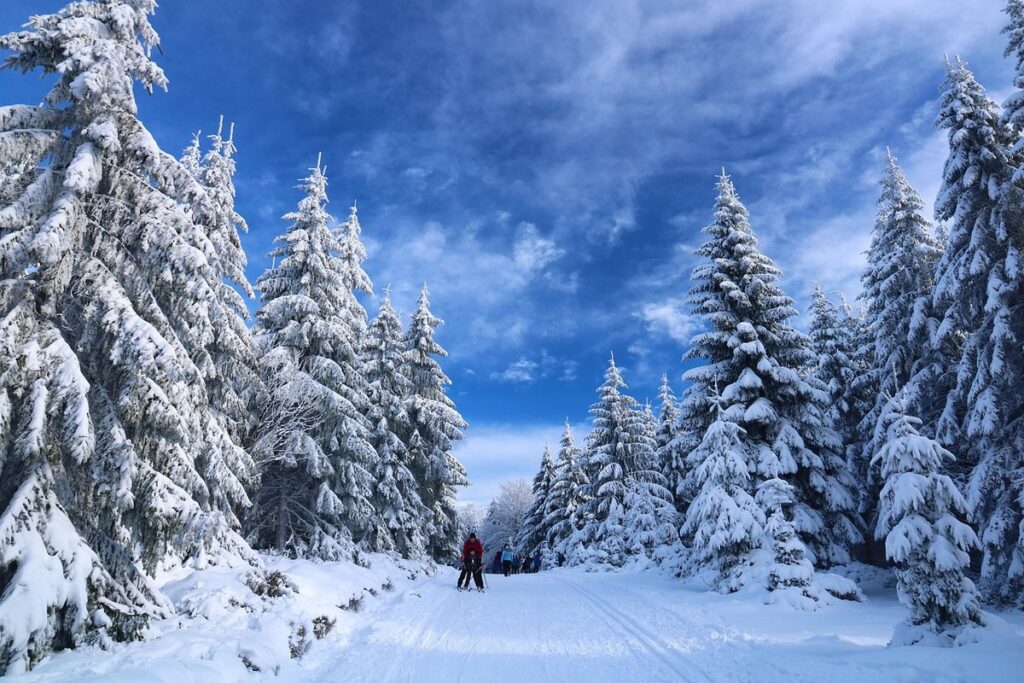
Preparing for Winter Outdoor Activities
Before you head out into the winter wilderness, make sure you’re prepared with the right gear and knowledge to stay safe and warm. Proper planning is key to enjoying your outdoor adventure.
Choosing the Right Clothing
When venturing outdoors during winter, dressing warmly is crucial to stay safe and comfortable. Essential clothing items for winter outdoor activities include layers, gloves, hats, and waterproof boots. A good rule of thumb is to dress in layers: a base layer to regulate body temperature, an insulating mid-layer for warmth, and a waterproof outer layer to protect against wind and precipitation.
Considerations when choosing your layers include the activity you’ll be doing (e.g., hiking vs. snowshoeing) and the weather forecast. For colder conditions, opt for thicker, more insulating mid-layers like fleece or wool. In milder temperatures, thinner synthetic materials can provide sufficient warmth. Don’t forget to choose gloves that fit snugly but allow for dexterity – look for waterproof options with a good grip to prevent dropping items.
A well-fitting hat is also essential, as heat loss from the head can quickly become severe in cold conditions. Lastly, ensure your boots are waterproof and have good tread for traction on icy surfaces. When dressing in layers, remember that it’s easier to add or remove clothing as needed rather than trying to adjust bulky outerwear once you’re outside. This flexibility will help maintain a comfortable body temperature throughout your winter nature activity.
Understanding Weather Conditions
Checking weather forecasts is crucial before venturing out into winter’s unpredictable conditions. You can start by visiting a reliable national weather service website or downloading a mobile app that provides up-to-date forecasts and alerts for your area. Look for specific information about temperature, precipitation, wind speed, and any potential weather warnings.
Different types of winter weather require distinct preparations. Snowstorms can be heavy and prolonged, making it difficult to navigate roads and trails. Freezing rain, on the other hand, can create extremely slippery surfaces that are hazardous even at low speeds. Wind chill is another critical factor, as strong winds can rapidly drop temperatures and increase the risk of frostbite.
When planning your winter outdoor activities, keep an eye on forecasts for changing conditions. Be prepared to adjust your itinerary or take necessary precautions if a snowstorm or freezing rain warning is issued. Consider packing extra layers, a first aid kit, and a means of communication in case you get stranded. Understanding the difference between these types of weather will help you stay safe and make the most of your winter nature activities.
Winter Hiking and Snowshoeing
For those who crave adventure, winter hiking and snowshoeing offer a unique way to explore frozen landscapes and experience nature in all its winter glory. You’ll discover how to get started and stay safe on snowy trails.
Best Practices for Winter Hiking
When hiking in snowy and icy conditions, it’s essential to take extra precautions to stay safe. One of the most effective ways to stabilize yourself is by using trekking poles. These lightweight poles can help distribute your weight evenly, reducing the pressure on your joints and preventing slips and falls.
To maximize their effectiveness, adjust the pole length to fit your stride, and practice using them on flat ground before venturing into snow-covered terrain. This will help you develop a comfortable gait and maintain balance in challenging conditions.
Staying on marked trails is another critical aspect of winter hiking safety. Dense snow can obscure trail markers, making it easy to become disoriented and lost. Bring a map and compass, and always carry a GPS device or smartphone with a fully charged battery. If you’re unsure about the route, consider joining a guided group or seeking advice from local park rangers.
When traversing dense snow, use your trekking poles to probe ahead, checking for hidden obstacles like crevices or uneven terrain. This will help you anticipate potential hazards and make informed decisions about your route.
Popular Winter Hiking Destinations
If you’re looking to lace up your hiking boots for a winter adventure, consider these top destinations for winter hiking and snowshoeing. Acadia National Park in Maine boasts over 120 miles of trails, including the challenging but scenic Cadillac Mountain trail. For something more relaxed, head to Yosemite National Park’s Valley Floor Loop Trail, which offers stunning views of Half Dome and El Capitan.
In the Midwest, Indiana Dunes National Park along Lake Michigan features over 50 miles of trails through sand dunes and forests. The park’s Three Dune Challenge is a great option for those looking for a more challenging hike. If you’re on the East Coast, try the Appalachian Trail in New Hampshire’s White Mountains, which offers breathtaking views from the summit.
When planning your winter hike, be sure to check trail conditions and difficulty levels before heading out. Keep in mind that some trails may be closed due to snow or ice, so it’s essential to check with park rangers or local authorities for up-to-date information. With proper preparation and knowledge of the terrain, you’ll be able to enjoy the serene beauty of winter landscapes on foot.
Ice Skating and Sledding
Let’s hit the ice and slopes, where you can enjoy classic winter thrills like gliding on frozen ponds and speeding down snowy hills.
Finding the Perfect Ice Rink
When searching for a place to go ice skating, consider both public ice rinks and frozen ponds. Public rinks are often well-maintained, with clear signage about safety regulations and ice thickness. However, natural ice surfaces like ponds can be just as enjoyable, especially if you’re looking for a more secluded or peaceful experience.
To find a frozen pond that’s safe for skating, look for areas with minimal human impact and few trees nearby to prevent collapse under snow weight. You can also check local park districts or government websites for information on frozen waterways and recommended skating spots.
Before lacing up your skates, always check the ice thickness and any posted safety regulations. A minimum of 4-6 inches (10-15 cm) is generally considered safe for casual skating; more is better if you’re planning to engage in high-impact activities like hockey or speed skating.
Additionally, inspect the surface for any cracks or dark spots that could indicate thin ice. You can also ask locals or park rangers about the safety of a particular spot. By taking these precautions, you’ll be able to enjoy your winter nature activity with confidence and minimize risks.
The Thrill of Sledding
Sledding is a classic winter activity that brings joy to people of all ages. To experience the thrill of sledding, you need the right equipment and a suitable location. First, choose a sled that suits your needs – rubber toboggans are great for speed, while wooden sleds provide more control. Next, find a hill with an optimal slope and length; a gentle slope can be too slow, while an extremely steep one may be hazardous.
When selecting a sledding spot, consider the snow conditions and ice coverage. Avoid hills with uneven or icy surfaces, as they can lead to accidents. Look for areas with a consistent layer of packed snow, such as designated sledding parks or large open fields. Before sliding down, inspect your surroundings and check for potential hazards like obstacles or other sledders.
As you slide down the hill, stay alert and follow basic safety precautions: wear warm clothing, including gloves and a hat, to prevent cold-related injuries; keep your feet on the sled’s footrests to maintain balance; and steer away from obstacles by shifting your weight. By taking these steps, you can enjoy the exhilarating experience of sledding while minimizing risks.
Wildlife Watching in Winter
Winter is a great time to spot many animals that are active during the colder months, such as deer, owls, and snow buntings. Look for these creatures in their natural habitats across forests, fields, and coastlines.
Identifying Winter Bird Species
As you venture outdoors during winter, keep an eye out for a variety of bird species. Migratory birds like snow buntings and rough-legged hawks make their way to North America from the Arctic tundra each year. Waterfowl such as Canada geese, Mallards, and American wigeons can often be spotted in wetlands and near bodies of water.
Songbirds like black-capped chickadees, tufted titmice, and dark-eyed juncos are common visitors to backyard feeders during the winter months. To attract these birds to your yard, consider offering sunflower seeds or suet as a food source. You can also try placing a birdbath near your feeder, as many bird species require water for drinking and bathing.
When identifying winter bird species, pay attention to distinctive markings, such as the snow bunting’s white rump patch or the rough-legged hawk’s dark legs. Note the size, shape, and color of the birds, as well as their behavior and habitat preferences. By learning to recognize these characteristics, you’ll become more skilled at identifying the various bird species that visit your area during the winter months.
Tracking Winter Mammals
When venturing out to track winter mammals, timing is crucial. Early morning and late afternoon are usually the best times to spot deer, rabbits, and squirrels as they forage for food. These periods coincide with their natural activity patterns, increasing the chances of observing them.
Identifying suitable habitats is also essential. Look for areas with dense vegetation, such as woodland edges or parks with mixed forests. These environments provide shelter and sustenance for winter mammals. In urban areas, consider visiting green spaces like municipal gardens or nature reserves.
To observe these animals without disturbing them, it’s vital to maintain a safe distance. Use binoculars or a spotting scope to get a closer look without approaching the animal. Avoid making sudden noises or movements that might scare them off. Keep in mind that winter mammals may be more cautious than usual due to the harsh weather conditions.
When observing, take note of the animals’ behavior and body language. Look for signs of stress or fear, such as raised hackles or avoidance behaviors. By respecting their space and being mindful of our presence, we can enjoy watching winter mammals without disrupting their natural habits.
Photography in the Snow
Capturing the serene beauty of snow-covered landscapes is a unique and exhilarating experience for photographers, and we’ll share some expert tips to help you get started.
Capturing Winter Landscapes
When capturing winter landscapes, composition is key. Look for leading lines such as snow-covered roads, frozen lakeshores, or ski trails to guide the viewer’s eye through the scene. Consider incorporating a prominent feature like a snow-capped mountain or a frozen waterfall to add depth and interest.
Lighting can make or break a winter landscape photo. Shoot during the golden hour when the soft, warm light enhances the colors of the snow and creates long shadows that add depth to the image. Avoid harsh midday sun, which can create unflattering highlights and flatten the scene. If possible, wait for overcast skies, as they provide soft, even lighting that minimizes contrast.
In terms of camera settings, use a low ISO (100-400) to minimize noise and a wide aperture (f/2.8-f/4) to capture a shallow depth of field. A tripod is essential for stabilizing the camera in cold weather and allowing you to shoot with slower shutter speeds. Experiment with slow shutter speeds (1/15s-1/30s) to create a sense of motion, such as the blur of snowflakes or the movement of people.
Some notable examples of stunning winter landscape photography include Ansel Adams’ “Moonlight, Hernandez,” which captures the serene beauty of a snow-covered mountain range under the light of a full moon.
Portraits in the Snow
When taking portraits of people enjoying winter activities, remember that capturing candid moments is key. A genuine smile or laugh can make a photo stand out and convey the joy of winter sports. Look for opportunities to snap photos when subjects are fully immersed in their activity – whether it’s skiing down a mountain, gliding across ice, or careening down a snowy hill on a sled.
Pay attention to the surroundings as well; incorporating scenic winter elements like snow-covered trees or frozen lakes into your portraits can add depth and context. Try to shoot during overcast conditions or golden hour for soft, flattering light that complements both your subjects’ smiles and the winter landscape.
To increase your chances of capturing happy, smiling subjects, consider photographing them just before a run or during a break. This allows you to capture their natural enthusiasm and energy before it wears off. Be mindful of your approach – getting too close can be intimidating for some subjects. Instead, try to blend in with the environment and let your subjects feel comfortable enough to relax and enjoy themselves in front of your lens.
Staying Safe During Winter Activities
When venturing outdoors during winter, staying safe is paramount. This means being aware of potential hazards such as icy conditions and inclement weather to minimize your risk.
Preventing Hypothermia and Frostbite
When venturing outdoors during the winter season, you’re at risk of developing hypothermia or frostbite. These conditions occur when your body loses heat faster than it can produce it, causing your core temperature to drop. Frostbite specifically affects the extremities – fingers, toes, ears, and nose – due to their limited blood flow.
Hypothermia is more severe and can be life-threatening if left untreated. Recognize the warning signs: shivering, confusion, drowsiness, and loss of coordination. If you or a companion exhibits these symptoms, seek medical attention immediately.
To prevent hypothermia and frostbite, dress warmly in layers, including a hat, gloves, scarf, and insulated jacket. Choose clothing with moisture-wicking properties to keep your skin dry. Staying dry is crucial, as wet clothing accelerates heat loss. Take regular breaks indoors or in a vehicle to warm up.
When engaging in physical activities like winter hiking or snowshoeing, maintain a steady pace to avoid exhaustion. If you’re planning an extended excursion, consider bringing a first-aid kit and knowing how to treat frostbite (such as immersing the affected area in lukewarm water).
Emergency Preparedness
When venturing into winter landscapes for activities like hiking, snowshoeing, or wildlife watching, emergencies can arise unexpectedly. Getting lost, injured, or caught in a storm is not uncommon, and being prepared can make all the difference. A crucial component of emergency preparedness is carrying a first aid kit. While it may seem obvious, many people underestimate the importance of having basic medical supplies on hand.
In addition to a first aid kit, knowing basic first aid techniques is essential. Learn how to treat common winter injuries like frostbite and hypothermia, as well as more severe conditions like broken bones or head trauma. Online resources and local community centers often offer workshops and courses to teach these skills.
Developing a communication plan is also vital in case of an emergency. Carry a phone with you, but make sure it’s fully charged and consider investing in a personal locator beacon (PLB) or satellite phone for remote areas. Leave a copy of your itinerary with a trusted friend or family member, including where you’re going and when you expect to return. This way, if something goes wrong, help can be sent quickly and efficiently.
Conclusion: Making the Most of Winter Nature Activities
Now that you’ve explored some amazing winter nature activities, it’s time to think creatively about how to make them a regular part of your seasonal routine. Let’s talk about making the most out of your winter adventures.
Tips for a Successful Winter Adventure
To make the most of your winter adventure, consider these key takeaways from our exploration of winter nature activities. First and foremost, dress for success by packing essential clothing items such as a warm hat, gloves or mittens, scarf, and waterproof boots with good grip to prevent slips on icy surfaces.
When venturing outdoors, remain aware of the weather conditions, including temperature fluctuations, wind chill, and precipitation. Check forecasts before heading out and be prepared for changing conditions. Additionally, prioritize your safety by knowing the warning signs of hypothermia and frostbite, such as numbness, confusion, or pale skin.
If you’re planning to capture the beauty of winter through photography, remember to experiment with long exposure times to create serene winter landscapes. Also, consider using a wide-angle lens to showcase expansive snow-covered vistas.
To increase your chances of spotting wildlife during winter, research the habits and habitats of local species, such as bird migration patterns or mammal hibernation sites. This knowledge will help you plan your outings accordingly.
For a truly immersive experience, immerse yourself in nature by trying new activities like ice skating, sledding, or snowshoeing. Don’t be afraid to venture off the beaten path and explore lesser-known winter destinations.
In conclusion, with proper preparation, awareness, and an openness to try new things, you can make this winter season one to remember. Get outside, enjoy the crisp air, and soak up the beauty of nature in all its frozen glory.
Frequently Asked Questions
What if I’m not a skilled hiker or ice skater? Can I still participate in winter nature activities?
You don’t need to be an expert to enjoy winter nature activities. Many parks and trails offer gentle routes and beginner-friendly activities like snowshoeing, which is easier on the joints than hiking. Start with short distances and gradually increase your pace as you get more comfortable.
How do I know if a frozen pond or lake is safe for ice skating?
When checking the safety of a frozen pond or lake, look for signs indicating it’s been tested for thickness. You can also observe how others are using the area – if many people are ice skating without incident, it’s likely safe. Always err on the side of caution and avoid areas with thin ice or visible cracks.
What if I get lost while winter hiking? How do I signal for help?
If you become separated from your group, stay calm and try to reorient yourself using a map and compass. If you’re unable to find your way back, create a makeshift sign with bright colors and attach it to a tree or rock. This will increase visibility and make it easier for rescue teams to locate you.
Can I take my dog on winter hikes? What precautions should I take?
Yes, many dogs enjoy winter hiking as much as their owners! When taking your dog on a winter hike, ensure they’re properly dressed in warm clothing, including a coat, boots, and paw protection. Also, keep an eye out for signs of frostbite or hypothermia, and know what to do if you suspect either condition.
How can I capture stunning winter landscapes with my camera? What are some tips for photography in the snow?
When photographing winter landscapes, focus on capturing the play of light on snow-covered trees and buildings. Use a wide-angle lens to emphasize the vastness of the scene, and experiment with different compositions to create unique perspectives. Don’t be afraid to get low or climb a rock to capture a better shot – sometimes the best views are from unexpected angles!

