
The Midwest is often overlooked as a top destination for outdoor enthusiasts, but it boasts some of the most beautiful and diverse hiking trails in the country. From the rugged shoreline of Lake Superior to the rolling hills of Ohio’s countryside, there are countless opportunities to connect with nature and challenge yourself on foot. Whether you’re a seasoned backpacker or just starting out with day hikes, the Midwest has something for everyone – scenic vistas, waterfalls, unique geological formations, and even hidden gems like secret waterfalls and canyons. But before you lace up your hiking boots and hit the trails, it’s essential to be prepared with the right gear, know how to stay safe in the great outdoors, and follow local etiquette guidelines. By the end of this article, you’ll have a solid understanding of the best hiking trails in the Midwest and be ready to plan an unforgettable adventure.
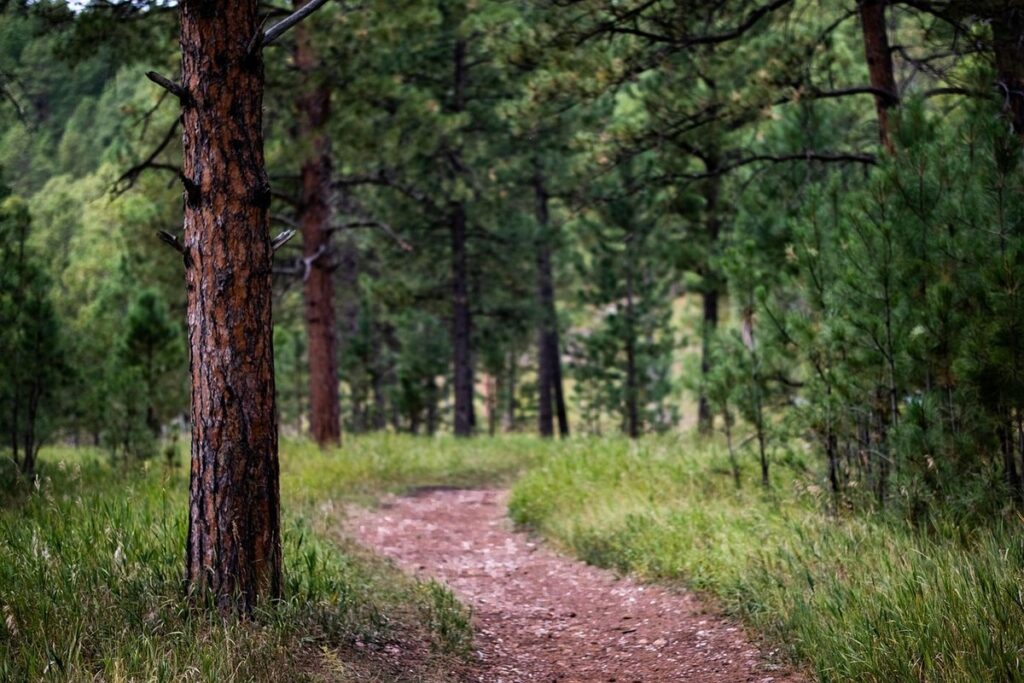
Planning Your Midwest Hike
Before you hit the trails, it’s essential to plan your Midwest hike carefully. This includes deciding on the right trail length and difficulty level for your group’s needs.
Choosing the Right Trail Type
When it comes to choosing a hiking trail in the Midwest, the type of experience you’re looking for plays a significant role in selecting the right route. You may be seeking a leisurely day hike, a multi-day backpacking adventure, or something in between.
For a relaxing and scenic stroll, opt for an easy day hike, often marked with blue blazes on trail signs. These trails typically range from 2-10 miles and are designed to showcase the region’s natural beauty without excessive physical exertion. For example, the Indiana Dunes National Park Trails offer several easy day hikes along Lake Michigan’s shoreline.
If you’re up for a more demanding challenge, multi-day backpacking trips are available throughout the Midwest. These trails often follow scenic rivers or traverse through diverse ecosystems, such as forests and prairies. The Ozark Trail in Missouri is an excellent example of this type of experience.
Some trails feature unique attractions like waterfalls, scenic vistas, or historic sites, making them a great option for those seeking variety and interest. For instance, the Shawnee State Forest Trails in Ohio offer several routes that pass by stunning rock formations and waterfalls.
Preparing for Your Hike
Before setting out on a hike in the Midwest, it’s essential to prepare with the right gear, clothing, and supplies. The region’s unpredictable weather can range from scorching summers to frigid winters, so pack layers for temperature fluctuations. Choose moisture-wicking base layers, breathable mid-layers, and a waterproof jacket or poncho.
Don’t forget to bring sturdy hiking boots or trail shoes with good tread for navigating varied terrain. Consider the length of your hike and pack accordingly: bring enough water (at least 2-3 liters per person), snacks, and energy-rich foods like nuts and dried fruits. A first-aid kit should include essentials like bandages, antiseptic wipes, and pain relievers.
Additionally, consider a personal locator beacon (PLB) or satellite phone if hiking in remote areas with limited cell service. Bring a map, compass, and extra batteries for your flashlight or headlamp. Insect repellent and sunscreen are also must-haves to protect against ticks, mosquitoes, and the sun’s strong rays.
Top Easy Day Hikes in the Midwest
The Midwest offers a diverse range of easy day hikes that showcase its natural beauty, from Illinois’ Starved Rock State Park to Michigan’s Porcupine Mountains. You’ll find hidden gems in these trails.
Shawnee State Forest Trails (Ohio)
Shawnee State Forest in Ohio offers a variety of trails for hikers of all skill levels. The forest is home to over 50 miles of trails, ranging from easy strolls to more challenging climbs. The most popular trail is the 18-mile Shawnee Trail, which takes you through scenic wooded areas and along the banks of the Middle Fork River.
One notable feature of the Shawnee State Forest Trails is the numerous scenic overlooks that offer stunning views of the surrounding countryside. The forest also contains several historic sites, including an old CCC camp and a pioneer cemetery. If you’re interested in exploring these features, consider taking the 6-mile Oak Mounds Trail, which passes by both.
In terms of difficulty level, most trails in Shawnee State Forest are considered moderate to easy. However, some sections can be quite steep, so it’s essential to wear proper hiking shoes and bring plenty of water. The forest also offers several picnic areas and restrooms along the trails, making it an excellent choice for families or those looking for a leisurely hike.
When planning your trip, note that the forest is open year-round, but some trails may be closed due to weather conditions. Be sure to check with park rangers before heading out on your adventure.
Indiana Dunes National Park Trails (Indiana)
Indiana Dunes National Park is home to an impressive network of trails that showcase its unique natural beauty and geological formations. The park’s 50 miles of trails offer a range of easy day hikes, from short strolls along the lake shore to more substantial treks through the dune landscape.
One notable trail is the Lake View Trail, a relatively flat 1.5-mile loop that takes you through a forested area and offers stunning views of Lake Michigan. The trail also passes by the park’s scenic overlooks, providing breathtaking vistas of the surrounding countryside.
Another standout option is the Pinhook Bog Trail, which winds its way through a rare and fragile ecosystem known as a “bog.” This unique geological formation supports a variety of plant life adapted to the acidic conditions, including carnivorous plants like sundews. The trail’s boardwalk allows hikers to traverse this sensitive area without causing damage.
When hiking in Indiana Dunes National Park, be mindful of the wind and weather conditions, as they can change rapidly. Bring plenty of water and snacks, and consider wearing protective clothing to shield against the sun and wind. With its diverse landscapes and fascinating geological features, the park’s easy day hikes are an excellent choice for hikers looking to explore the Midwest’s natural beauty.
Challenging Hiking Trails in the Midwest
For those seeking a thrilling adventure, we’ll highlight some of the most challenging hiking trails in the Midwest, where rugged terrain and stunning scenery await. These trails will put your endurance to the test!
The Ozark Trail (Missouri)
The Ozark Trail stretches for over 230 miles through Missouri’s scenic countryside, offering hikers a challenging and rewarding experience. One of the most notable features of the trail is its rugged terrain, which includes steep inclines that require hikers to be prepared for physically demanding ascents. The rocky terrain can also make footing treacherous in some areas, requiring hikers to pay close attention to their surroundings.
Despite the challenges, the Ozark Trail offers stunning scenic overlooks and vistas of the surrounding countryside. Hikers who persevere through the tough sections will be rewarded with breathtaking views of the Mark Twain National Forest and the Lake of the Ozarks. To tackle these challenging sections safely, hikers should wear sturdy hiking boots with good traction and consider bringing trekking poles for added stability.
Some particularly notable sections of the trail include the Jack’s Fork River section, which features steep inclines and rocky terrain, and the Ha Ha Tonka State Park section, which offers stunning views of the lake. Hikers should also be prepared for changing weather conditions, as thunderstorms can develop quickly in the Ozark Mountains.
The North Country Trail (Minnesota to New York)
Stretching over 4,600 miles from Lake Sakatah in Minnesota to the Adirondack High Peaks in New York, the North Country Trail is the longest hiking trail in the United States. Its route traverses through eight states in the Midwest and beyond, offering a diverse range of landscapes, ecosystems, and experiences for hikers.
One of the most notable features of the North Country Trail is its scenic passage along the shores of Lake Superior in Minnesota. Hikers can enjoy breathtaking views of the lake’s crystal-clear waters and surrounding forests. Further north, the trail takes you through the Boundary Waters Canoe Area Wilderness, a vast expanse of pristine lakes, wetlands, and forests.
As the trail winds its way eastward, hikers will encounter numerous waterfalls, including the stunning High Falls in the St. Croix River State Park in Wisconsin. The North Country Trail also passes through several state parks, wildlife refuges, and national forests, providing ample opportunities for spotting local wildlife such as deer, beavers, and bald eagles.
Hikers planning to tackle the entire route should allow at least six months to a year of hiking, depending on their experience level and itinerary.
Unique Hiking Experiences in the Midwest
The Midwest may not be the first region that comes to mind when thinking of hiking, but it boasts a diverse range of trails that offer something for every type of adventurer. From scenic rivers to towering bluffs and rolling hills.
Fall Foliage Hikes
The Midwest is renowned for its vibrant fall foliage, with sugar maple, oak, and hickory trees bursting into brilliant shades of orange, red, and yellow. For hikers, witnessing this natural spectacle firsthand is a true delight. To maximize the experience, seek out trails with concentrations of these tree species.
Consider visiting the Hocking Hills region in Ohio, where the fall color display is particularly stunning due to the area’s high concentration of sugar maples. The Old Man’s Cave Trail and Ash Cave Trail are excellent options for taking in the vibrant colors. In Indiana, the Peninsula Trail at Indiana Dunes National Park offers spectacular views of the surrounding oak and hickory forests.
For a more immersive experience, plan your hike during the peak fall color period, typically late September to early October. Avoid weekends when possible, as trails can be crowded with leaf-peepers. Bring a camera to capture the kaleidoscope of colors, but also take time to pause and appreciate the scenery – it’s an experience you won’t soon forget. Some popular fall foliage festivals in the Midwest offer guided hikes, providing an added layer of enjoyment.
Winter Snowshoeing Trails
If you’re looking for a peaceful winter hiking experience in the Midwest, snowshoeing is an excellent option. The region’s snow-covered trails offer serene landscapes and a tranquil atmosphere. For instance, the Paulinskill Valley Trail in Wisconsin features gently rolling hills and dense forests blanketed with snow. Alternatively, the Michigan’s Ottawa National Forest has numerous snowshoeing trails that wind through towering evergreen trees.
To make the most of your winter snowshoeing experience, plan ahead for clothing and gear. Dress warmly in layers to stay dry and comfortable, as temperatures can drop significantly even during daylight hours. Bring a pair of sturdy snowshoes designed for hiking, and consider investing in gaiters to keep snow out of your boots.
In terms of trail selection, look for those with minimal elevation gain and smooth terrain. This will allow you to focus on taking in the winter scenery rather than navigating technical sections. Some notable snow-covered trails for snowshoeing include:
- The Ice Age Trail in Wisconsin, which features over 45 miles of snowshoeing routes
- The Porcupine Mountains Wilderness State Park in Michigan, with its numerous snowshoeing trails and frozen lakes
Hiking Safety and Etiquette in the Midwest
When venturing into the beautiful Midwestern wilderness, it’s essential to be aware of a few key safety guidelines and etiquette rules that’ll help you have a safe and enjoyable hike. Being prepared is crucial for any hiking adventure.
Wildlife Encounters
When hiking through the Midwest’s diverse landscapes, encounters with wildlife are a common occurrence. Deer, bears, and snakes are particularly prevalent in many of the region’s trails. To minimize risks and ensure safe encounters, it’s essential to understand how to react properly.
Keep a clean campsite, store food and trash securely, and make noise while hiking to avoid startling animals. For deer, remain calm and slowly back away if you encounter one on the trail. Avoid direct eye contact or sudden movements, as these can be perceived as threats. If a bear approaches, stand your ground and try to appear larger by raising your arms or opening an umbrella.
Snake encounters are less common but still possible. When hiking through rocky or wooded areas, watch for snakes in your path and stay on designated trails to reduce the risk of encountering them. Be cautious not to reach or step into dark crevices, as this can provoke a snake to strike. If you’re unlucky enough to be bitten by a snake, remain calm and seek medical attention immediately.
When hiking in bear country, carry bear spray and know how to use it properly. In areas where bears are present, stay alert for signs of recent activity, such as tracks or scat, and make noise while walking to avoid surprising them.
Respecting Trail Rules and Regulations
When hiking in the Midwest, it’s essential to respect trail rules and regulations to ensure a safe and enjoyable experience for all. This includes following posted signs and guidelines, which may vary from one trail to another. For instance, some trails may have specific rules regarding camping, fires, or wildlife viewing.
Respecting other hikers is also crucial. When encountering other hikers on the trail, yield to those traveling in the opposite direction and step aside when necessary. Be mindful of noise levels and keep your voice down, especially if you’re hiking through sensitive habitats or near residential areas. Private property lines are often clearly marked, so it’s essential to stay on designated trails and avoid trespassing.
To minimize your environmental impact, dispose of waste properly, including food scraps and human waste. Use restrooms when available and pack out any trash with you. Be cautious not to disturb vegetation or wildlife habitats, and refrain from removing plants or rocks from the area. By following these simple guidelines, you can help preserve the natural beauty of Midwest trails for future generations to enjoy.
Frequently Asked Questions
What if I’m short on time and can’t complete the entire Ozark Trail or North Country Trail?
You don’t have to hike the entire trail to enjoy its beauty. Many sections of these trails offer stunning views, unique geological formations, and exciting terrain. Plan a day hike or a shorter section of the trail that suits your schedule and fitness level.
Can I hike in the Midwest during the winter without proper gear and experience?
Yes, but it’s not recommended for beginners. Winter hiking requires specialized gear such as crampons, ice axes, and insulated clothing to stay safe on icy trails and in cold weather conditions. If you’re new to winter hiking, consider taking a guided tour or seeking advice from experienced hikers.
How do I prepare my vehicle for a long road trip to the Midwest’s most remote hiking areas?
Before embarking on your adventure, ensure your vehicle is in good condition with proper tire pressure, oil, and fluids. Consider investing in a spare tire, jack, and emergency kit, including food, water, and a first aid kit. Also, research road conditions and weather forecasts for the area you’re visiting.
What if I encounter bears or other wildlife while hiking in the Midwest?
Yes, bear encounters can happen in some areas of the Midwest. When hiking in bear country, make noise to alert them of your presence, keep food and trash secure, and consider carrying bear spray as a deterrent. If you encounter a bear, remain calm, give it space, and slowly back away without making eye contact.
Can I hike with my dog in the Midwest’s national parks and forests?
Yes, but check park regulations first. Some areas may have restrictions on dogs due to sensitive wildlife habitats or environmental concerns. Always clean up after your pet and keep them on a leash to avoid disturbing other hikers and wildlife.

