
Creating nutrient-rich soil for your garden is a crucial aspect of sustainable gardening, but it all starts with what you put into your compost bin. When managed properly, compost bins can transform kitchen scraps and yard waste into a valuable resource that enriches the soil and promotes healthy plant growth. You’ve probably wondered what specific materials are safe to add to your compost bin, such as vegetable scraps, bread, or other household items.
This guide will help you understand what can safely go into your compost bin, ensuring you’re creating a nutrient-rich environment for your plants. By learning which materials to include and how to balance them, you’ll be able to create high-quality compost that fosters strong roots, vibrant growth, and abundant harvests.
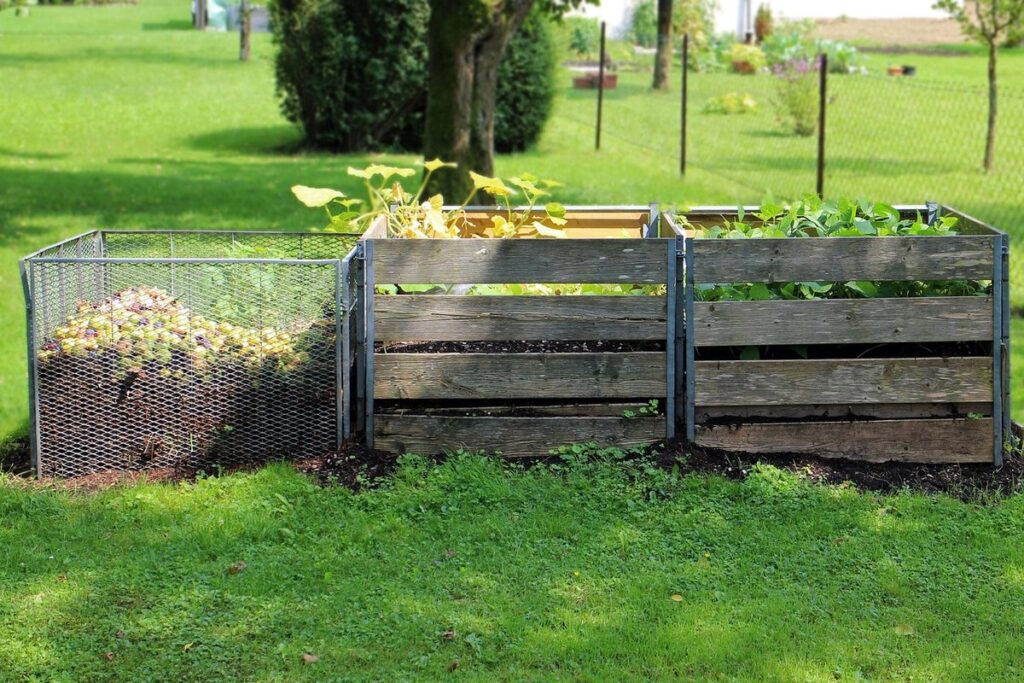
Choosing the Right Materials
When it comes to creating a thriving compost, selecting the right materials is crucial for balancing your pile’s carbon and nitrogen levels. Let’s focus on what makes great additions to your bin.
Vegetable and Fruit Scraps
Vegetable and fruit scraps are an essential component of composting, providing a rich source of nutrients for microorganisms to break down. Including a variety of scraps ensures that your compost is balanced and diverse. To prepare vegetable and fruit scraps for composting, chop or tear them into smaller pieces to increase their surface area. This allows microbes to access the inner tissues more easily.
Some common vegetable and fruit scraps suitable for compost include apple cores, carrot tops, onion peels, and citrus rinds. Avoid adding seeds from fruits and vegetables as they can sprout in the compost pile and create problems during decomposition. Also, be cautious with high-starch vegetables like potatoes and sweet potatoes, as they may attract pests.
When adding vegetable and fruit scraps to your compost bin, aim for a balance of “green” materials (high in nitrogen) and “brown” materials (high in carbon). Aim for about 2/3 brown materials, such as dried leaves or shredded newspaper, and 1/3 green materials. Regularly mix the contents of your compost pile to ensure even decomposition and minimize odors.
Bread and Grains
Bread and grains can be valuable additions to compost, providing carbon-rich materials to balance out the nitrogen-rich “green” ingredients. Brown rice, whole wheat bread, and oats are good examples of acceptable items to add. These products break down quickly, releasing their nutrients into the soil.
However, some grain-based foods should be avoided. White sugar, instant coffee, and white flour, for instance, are too rich in nitrogen and can disrupt the compost’s carbon-to-nitrogen ratio. They also tend to attract pests and create unpleasant odors. Onions, garlic, and chives fall into a similar category due to their high sulfur content.
When adding bread and grains to your compost bin, be mindful of their moisture levels. Dry bread, for example, can become stale and difficult to break down if it’s too dry. Conversely, moldy or soggy bread can introduce unwanted pathogens into the compost. To avoid these issues, aim for a balanced mix of carbon-rich materials, including bread and grains, and “green” ingredients like fruit and vegetable scraps. This balance will help create a healthy, thriving compost ecosystem.
Coffee Grounds and Tea Bags
Used coffee grounds and tea bags are valuable additions to your compost bin. Rich in nitrogen, they help balance out carbon-rich materials like dried leaves and shredded newspaper. When added in moderation, these organic matter sources can improve soil structure by increasing its water-holding capacity and aeration.
Coffee grounds, in particular, contain up to 10% nitrogen by volume, making them an excellent choice for composting. They also retain moisture well, which reduces the need for frequent watering once your finished compost is applied to your garden beds. Simply sprinkle used coffee grounds directly into the compost pile or mix them with other materials as you add new layers.
Tea bags, on the other hand, are a good source of phosphorus and potassium. However, they should be removed from any packaging – such as paper or plastic bags – before adding to your compost bin. This is because these materials can take longer to break down than the tea itself and may not fully decompose in time for gardening purposes.
Incorporating used coffee grounds and tea bags into your compost pile will help create a nutrient-rich soil amendment for your garden, supporting healthy plant growth and development.
Meat, Dairy, and Oily Food Waste
When it comes to meat, dairy, and oily food waste, there’s a common misconception that they can’t be composted. Fortunately, many of these foods can be easily added to your compost bin.
Animal Products and Composting
When it comes to animal products like meat, bones, and dairy, composting can be a bit more complicated than other organic materials. While they are technically biodegradable, these items can attract pests and create unpleasant odors if not handled correctly.
Meat and fish, in particular, can be a magnet for rodents and flies due to their high protein content. If you do choose to add them to your compost bin, make sure to balance them out with plenty of “carbon-rich” materials like dried leaves or shredded newspaper to absorb excess moisture and odors.
Bones, on the other hand, can take months or even years to break down completely. Unless you have a very large compost bin with sufficient airflow, it’s generally not recommended to add raw bones to your pile. However, if you do choose to include them, make sure they’re finely chopped to increase their surface area and speed up decomposition.
Dairy products like milk and cheese can also be problematic, as they tend to attract pests and create strong odors when breaking down. If you accidentally add these items to your compost bin, don’t worry – simply mix in some extra carbon-rich materials or turn the pile frequently to aerate it and speed up decomposition.
Cooking Oil and Grease
When it comes to cooking oil and grease, not all types are suitable for composting. You can add used vegetable oil, such as from frying potatoes or sautéing vegetables, to your compost bin. These oils are often biodegradable and can help enrich the soil with nutrients.
However, some types of cooking oil should be avoided due to health concerns or environmental impact. For instance, oils high in saturated fats like lard or coconut oil can slow down the composting process. Additionally, animal fats from meat and dairy products can attract pests and create unpleasant odors.
Some other types of grease that you should avoid putting in your compost bin include:
• Used motor oil
• Cooking sprays with propellants (e.g., hairspray, non-stick coating)
• Grease from synthetic or petroleum-based sources
• Oils contaminated with metal shavings or debris
When adding cooking oil to your compost bin, make sure it’s not mixed with other materials like food scraps or yard waste. This will prevent the oils from separating and reduce their effectiveness in enriching the soil. It’s also essential to balance the carbon-to-nitrogen ratio in your compost pile by alternating between “green” (nitrogen-rich) and “brown” (carbon-rich) materials.
Paper Products and Cardboard
For a compost bin, paper products and cardboard are great contributors to the nutrient-rich mix you’re creating, so let’s break down what types can be added. Shredded newspaper, cereal boxes, and toilet paper rolls are all fair game.
Shredded Newspaper and Cardboard
Shredded newspaper and cardboard are often overlooked additions to a compost bin, but they provide numerous benefits. They help absorb excess moisture by soaking up water, reducing the likelihood of anaerobic conditions and subsequent odors. This is particularly useful during periods of heavy rainfall or when you’re adding large quantities of “green” materials like food scraps.
As these paper products break down, they contribute to aeration within the compost pile. The fibrous structure of shredded newspaper and cardboard allows for air pockets to form, promoting healthy microbial activity. Aim to mix in about 10-20% shredded newspaper or cardboard into your compost bin to achieve the right balance.
To get the most out of these materials, avoid adding too much at once. Start with a small amount and gradually increase as needed, ensuring adequate carbon-rich material is present to offset high nitrogen levels from food scraps or grass clippings.
Junk Mail and Packaging Materials
Corrugated cardboard, paper towels, and printer paper are all suitable for composting. They’re made from natural fibers and will break down quickly in your bin. Shredded newspaper is also a good addition, as it helps with aeration and can help suppress weeds when added to the soil after composting.
On the other hand, avoid adding any plastic packaging materials, such as bubble wrap, polyethylene bags, or Styrofoam inserts. These will not break down in the compost bin and may even contaminate your finished compost. You should also be cautious with wax-coated paper products like milk cartons or juice boxes, as the wax can inhibit microbial activity.
When adding paper products to your compost bin, it’s a good idea to shred them first. This will help them break down more quickly and prevent any larger pieces from causing problems in the future. Aim for a mix of “green” materials like food scraps and grass clippings with “brown” materials like shredded newspaper or cardboard to maintain the right carbon-to-nitrogen ratio.
Manure from Pets and Horses
You’ll also want to consider the role of manure from pets, such as dogs and cats, as well as horses, in your compost bin. This type of organic matter can be rich in nutrients for your garden.
Pet Waste in Compost
Adding pet waste, such as dog or cat feces, to a compost bin can be done, but it requires careful handling and safety precautions. Pet waste is high in pathogens like E. coli and Salmonella, which can survive the composting process and pose health risks if the finished compost isn’t properly treated.
To add pet waste safely, bury it deeply within the compost pile to prevent the pathogens from spreading to other materials. This can be done by mixing 1-2 pounds of pet waste with 10-15 pounds of “brown” materials like dried leaves or straw. The carbon-rich brown materials will help neutralize the nitrogen content in the pet waste, reducing its pathogen load.
However, it’s essential to note that not all pet waste is suitable for composting. Feces from cats and dogs can be safely added, but those of small animals like rabbits or guinea pigs may contain high levels of disease-causing bacteria. It’s also crucial to avoid adding any cat feces that may contain Toxoplasma gondii, a parasite that can cause toxoplasmosis in humans.
When composting pet waste, it’s vital to follow proper handling and safety precautions to minimize the risk of contamination. Wear gloves when mixing or turning the pile, and make sure your hands are clean before touching finished compost.
Horse Manure and its Uses
Horse manure is a valuable addition to compost bins, rich in nutrients that promote healthy plant growth. One bucket of horse manure can contain up to 0.5 pounds of nitrogen, 0.2 pounds of phosphorus, and 1 pound of potassium – essential macronutrients for plants. Composting horse manure also reduces the risk of E. coli contamination associated with raw manure.
The carbon-to-nitrogen ratio in horse manure is typically high, making it an ideal candidate for composting with “green” materials like grass clippings or food scraps. To balance out the nitrogen content, you can mix it with dry leaves, straw, or shredded newspaper. The resulting compost will be a nutrient-rich soil amendment perfect for gardening.
In gardens, horse manure compost can improve soil structure, increase water retention, and support beneficial microbial life. It’s especially useful for crops like fruits, vegetables, and berries that benefit from high levels of potassium. When using horse manure compost in your garden, start by incorporating it into the top 6-8 inches of soil to allow the nutrients to become available to plants.
Bulky Items and Yard Trimmings
When it comes to adding bulk to your compost, you’ll want to include items like branches, shrub clippings, and large leaves, which will break down quickly. These additions help create a nutrient-rich soil amendment for your garden.
Tree Leaves and Branches
Tree leaves and branches are essential components of a healthy compost pile. They contribute a significant amount of carbon-rich materials, which helps to balance out the nitrogen-rich “green” materials like food scraps and grass clippings. This carbon-to-nitrogen ratio is crucial for supporting microbial growth, as it creates an optimal environment for decomposition.
Leaves, in particular, are rich in cellulose, hemicellulose, and lignin, which provide a slow-release of nutrients to the microorganisms breaking down the compost. They also help retain moisture within the pile, reducing the need for frequent watering. When adding leaves, it’s essential to shred them into smaller pieces to increase their surface area and facilitate faster decomposition.
Branches can be added in moderation, as they are slower to break down than leaves or other materials. However, they provide structural support to the compost pile, helping to maintain its shape and aerate the materials within. A general rule of thumb is to add branches that are no thicker than 1-2 inches in diameter, as larger pieces may not decompose fully before the composting process is complete. By incorporating tree leaves and branches into your compost bin, you can create a diverse and thriving ecosystem that produces rich, nutrient-dense soil amendment.
Grass Clippings and Weeds
Grass clippings and weeds can contribute significantly to composting efforts, providing essential nitrogen-rich green materials. However, it’s crucial to balance these additions with sufficient brown materials to maintain optimal carbon-to-nitrogen ratios. A mix of 2/3 “brown” materials (dried leaves, straw, or shredded newspaper) and 1/3 “green” materials (grass clippings, weeds, or fresh manure) is a general rule of thumb.
Fresh grass clippings are particularly beneficial as they contain high amounts of nitrogen, phosphorus, and potassium. They also add moisture to the compost pile, reducing the need for frequent watering. Weeds, on the other hand, can be rich in nutrients but often require additional handling. Remove seeds from weeds before adding them to the compost bin to prevent unwanted plant growth.
To incorporate grass clippings and weeds effectively, aim to add a 3-4 inch layer of these materials at a time. Regular mixing and turning will help break down the larger pieces into smaller particles, reducing odors and promoting uniform decomposition. By balancing green and brown materials, you can create a nutrient-rich compost that’s perfect for your garden or houseplants.
Managing Compost Pile Odors
When managing a compost pile, unpleasant odors can be a major issue. To keep your bin smelling sweet and your neighbors happy, let’s talk about how to minimize these stinky situations.
Understanding Aerobic vs. Anaerobic Processes
Composting involves both aerobic and anaerobic processes. Aerobic decomposition occurs when oxygen is present, breaking down organic matter quickly due to microorganisms feeding on it. This process produces carbon dioxide, water vapor, and heat as byproducts. On the other hand, anaerobic decomposition happens in the absence of oxygen, where microorganisms like bacteria thrive in low-oxygen environments. The lack of oxygen leads to a slower breakdown of materials, resulting in the production of methane and hydrogen sulfide gases.
For compost piles, it’s essential to strike a balance between these two processes. Oxygen is required for efficient decomposition, so maintaining adequate airflow by turning or mixing the pile helps prevent anaerobic conditions from dominating. When managing your compost bin, ensure that you provide enough space for air pockets to form within the materials being decomposed. Regular monitoring and maintenance can help keep aerobic processes in control, minimizing the likelihood of unpleasant odors associated with anaerobic decomposition.
Maintaining Optimal Moisture Levels
To maintain optimal moisture levels in your compost pile, you need to balance two extremes: too dry and too wet. A moisture level that’s consistently too low can lead to anaerobic conditions, causing unpleasant odors and reduced compost quality. Aim for a mix of “damp sponge” consistency – not soaking wet, but not parched either.
Check your pile regularly by inserting your hand into the center or bottom layer. If it feels dry, sprinkle some water over the area. Conversely, if it’s too soggy, turn the pile to aerate and speed up decomposition. In general, a compost pile should be about 40-60% moisture, although this can vary depending on the materials being composted.
It’s also essential to consider the specific types of materials you’re adding to your pile. For example, if you’ve added a lot of shredded paper or sawdust, it may absorb more water than usual, leading to dry patches. In such cases, be sure to monitor moisture levels more frequently and adjust accordingly. By keeping a close eye on moisture levels, you’ll create an ideal environment for composting and minimize the risk of anaerobic conditions.
Final Considerations for Your Compost Bin
Now that you’ve got a good understanding of what can go into your compost bin, let’s discuss some crucial considerations to keep in mind when maintaining it. Avoid these common mistakes for optimal results.
Setting Up a Balanced Composting System
To maintain a healthy and efficient composting process, it’s crucial to balance ‘green’ (nitrogen-rich) with ‘brown’ (carbon-rich) materials in your compost bin. Nitrogen-rich materials like food scraps, grass clippings, and manure provide the necessary energy for decomposition, but they can also lead to anaerobic conditions if not balanced correctly.
On the other hand, carbon-rich materials such as dried leaves, straw, and shredded newspaper help absorb excess moisture and add bulk to your compost. Aim to maintain a mix of 2/3 brown materials to 1/3 green materials. For example, for every bucket of grass clippings or food scraps, add two buckets of dry leaves or shredded newspaper.
By maintaining this balance, you’ll create an optimal environment for microorganisms to break down organic matter efficiently. A balanced compost bin will also minimize odors and prevent pests from being attracted to the area. To achieve this balance, observe your compost pile regularly and adjust the ratio as needed. For instance, if you notice a strong smell or excessive moisture, add more brown materials to absorb excess nitrogen.
Tips for Regular Maintenance and Monitoring
Regular turning of your compost pile is crucial for maintaining optimal conditions. This process, also known as “aerating,” allows oxygen to penetrate deep within the pile, promoting healthy microbial activity and decomposition. Aim to turn your pile every 7-10 days during the active phase, which typically lasts several weeks.
Monitoring temperature is another essential aspect of compost maintenance. Compost piles often reach high temperatures, sometimes exceeding 160°F (71°C). This heat helps kill off pathogens and weed seeds. To gauge temperature, use a thermometer probe or a compost thermometer. Insert it into the center of your pile and wait for 5-10 minutes to get an accurate reading.
During hot periods, avoid turning the pile to prevent re-introducing oxygen, which can cause temperatures to surge even higher. Instead, focus on ensuring adequate moisture levels and gradually introducing new material. Keep in mind that these temperature fluctuations are normal and will eventually subside as your compost matures. By maintaining a balance of moisture, carbon-rich materials, and oxygen, you’ll be well on your way to creating rich, fertile compost for your garden or indoor plants.
Frequently Asked Questions
Can I compost meat and dairy products if they’re covered in maggots?
Yes, maggots feeding on animal matter indicate aerobic decomposition is happening. If you catch the problem early, you can safely continue composting with these materials.
What if my compost pile gets too hot? How do I cool it down?
Check moisture levels: ensuring your pile isn’t too wet will prevent anaerobic conditions and temperature spikes. Consider adding more brown materials (like straw or shredded newspaper) to dilute the heat source.
Is it safe to add pet hair to my compost bin, even though it’s not a plant material?
Pet hair is primarily carbon-rich and can provide structure to your compost pile. However, be cautious of attracting pests with large amounts of fur; keep it balanced with other materials.
Can I use the finished compost as a mulch around plants susceptible to fungal diseases?
Yes, finished compost has been sterilized through heat during decomposition, eliminating pathogens that cause disease in plants. Its nutrient-rich properties will also promote healthy plant growth.
What’s the best way to handle weeds with seeds in them when adding them to my compost bin?
To minimize weed spread: remove seeds or crush them before adding weeds to your pile. This prevents viable seeds from being carried over into your finished compost and potentially sprouting in your garden.

