
Creating a DIY compost bin is an easy and cost-effective way to recycle household waste into nutrient-rich fertilizer for your garden. You probably generate a lot of organic waste in your kitchen, from food scraps to coffee grounds, but do you know what to do with it all? Instead of throwing it away or paying for expensive gardening supplements, you can turn this waste into a valuable resource by building and using your own DIY compost bin. Not only will this help reduce the amount of waste sent to landfills, but it’ll also save you money on gardening costs in the long run. In this article, we’ll show you how to build a simple and effective DIY compost bin using readily available materials, and share tips for maintaining a healthy and balanced compost pile that’s teeming with beneficial microorganisms. By the end of this guide, you’ll be able to create your own DIY compost bin and start turning household waste into fertilizer.
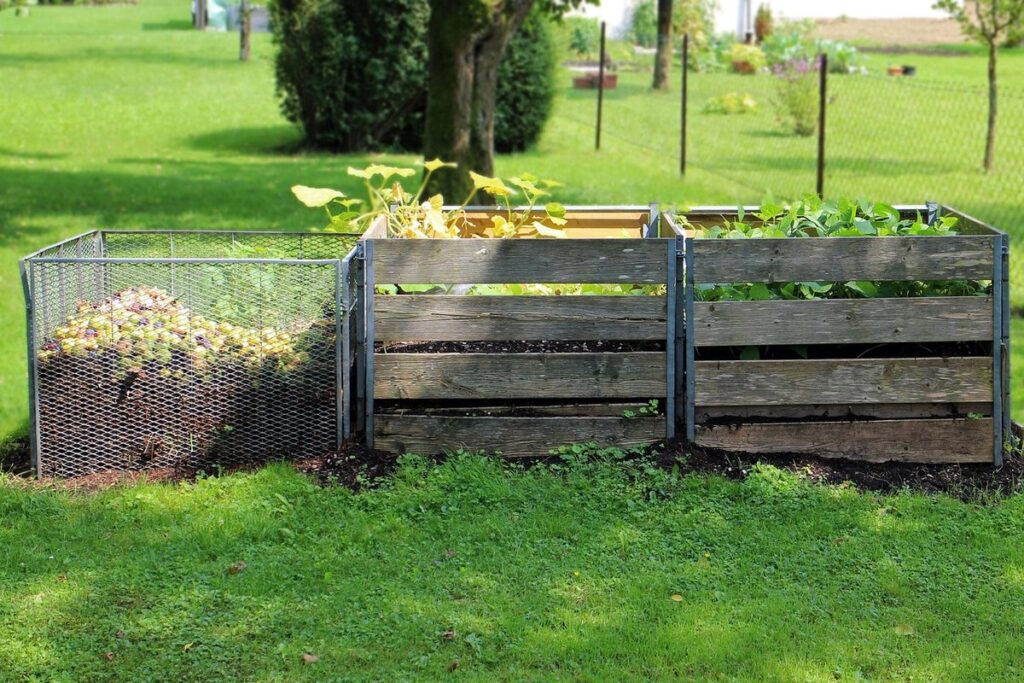
Benefits of Composting
Composting is not just a great way to reduce waste, but it also offers numerous benefits for your garden and environment. By turning kitchen scraps into fertilizer, you can create a nutrient-rich soil amendment.
Reduces Waste and Environmental Impact
Composting significantly reduces landfill waste by diverting organic materials away from landfills and towards nutrient-rich soil. When organic matter like food scraps and yard trimmings breaks down, it takes up valuable space in landfills that could be used for other purposes. By composting, you’re reducing the need for synthetic fertilizers, which contribute to greenhouse gas emissions.
Composting also helps conserve water by promoting healthy soil structure and microbial activity. Well-draining soil can hold more moisture, reducing the amount of water needed for irrigation. A small garden bed or plot of land with a robust compost program can save hundreds of gallons of water per year compared to conventionally fertilized soil.
Greenhouse gas emissions decrease as composting eliminates the need for synthetic fertilizers and reduces reliance on fossil fuels for transportation and production. The decomposition process itself releases carbon dioxide, but this is typically balanced by the increased carbon sequestration in healthy soils. As you set up your own DIY compost bin, consider incorporating a mix of “brown” (dry) materials like leaves or straw to balance out high-moisture “green” materials like food scraps and grass clippings.
Saves Money on Gardening Costs
Composting can significantly reduce your gardening costs over time. By using compost as a natural fertilizer, you’ll need fewer chemical-based fertilizers and pesticides. This not only saves money but also benefits the environment by minimizing chemical runoff.
Compost is particularly effective at suppressing plant diseases and pests, reducing the need for pesticides. A well-balanced compost can provide enough nutrients to support healthy plant growth, making it easier to skip synthetic fertilizers. For example, compost can help improve soil structure, allowing water to penetrate deeper and roots to grow stronger – a more resilient plant is better equipped to withstand pests and diseases.
As your garden becomes less dependent on external inputs, you’ll also reduce waste disposal costs. Compostable materials like food scraps and yard trimmings would otherwise end up in landfills or require special collection processes. By composting at home, you can save money on these services while creating a valuable resource for your garden. Regularly monitoring your compost’s pH levels and balancing it with green and brown materials will ensure optimal results.
Choosing the Right Materials
When it comes to building a DIY compost bin, selecting the right materials is crucial for its durability and effectiveness. You’ll want to choose materials that are resistant to pests and moisture.
Types of DIY Compost Bin Options
When it comes to building a DIY compost bin, you have several material options to choose from. One popular choice is wood, which can be sourced from reclaimed pallets or locally available lumber. Cedar and cypress are good options as they resist rot and insect damage. However, keep in mind that wood requires more maintenance than other materials.
Metal bins are another option, often made from galvanized steel or aluminum. They’re durable, easy to clean, and can withstand harsh weather conditions. Some homeowners also repurpose old metal containers like trash cans or barrels. However, be aware of potential rust issues with certain metals.
Plastic bins, typically made from recycled materials, offer a low-maintenance alternative. They come in various sizes and styles, including bins specifically designed for indoor use. Some options feature aeration systems to speed up the composting process. When choosing plastic, consider its UV stability and potential chemical leachates into your compost.
You can also get creative with recycled materials like old fencing, wire mesh, or even a large tub. Just ensure that the material is clean, dry, and suitable for holding moisture-rich organic matter.
Considerations for Location and Size
Choose a location for your compost bin that’s well-ventilated and easily accessible. Avoid areas with direct sunlight, as high temperatures can kill off beneficial microorganisms. Instead, opt for partial shade or dappled light. A spot near a water source is also convenient, but ensure the area isn’t prone to flooding.
Consider the size of your compost bin based on household waste production. If you have a large family or generate a lot of organic waste, a larger bin (around 3-4 cubic feet) will give you more room for materials to break down. For smaller households, a compact bin (1-2 cubic feet) may be sufficient.
Think about the location’s proximity to your kitchen and gardening area. You’ll want to be able to easily transfer finished compost to your garden beds or indoor plants. A spot near these areas will also make it simpler to add scraps and other materials as needed. Ensure the area is level and can support the weight of a fully loaded bin.
Building Your DIY Compost Bin
To create a functional and efficient compost bin, you’ll need to select materials for the frame, base, and lid, as well as determine its size. Let’s start with the basics of framing your DIY compost bin.
Simple Wire Mesh Frame Design
For a simple and effective wire mesh frame design, you’ll need the following materials: 1-2 rolls of 1-inch or 1.5-inch diameter wire mesh, a pair of wire cutters, and a few wire ties. The mesh should be at least 3 feet tall to accommodate your compost pile’s height.
Begin by unrolling one roll of wire mesh and cutting it into a rectangular shape that measures 4 feet wide and 3 feet tall. Bend the top edge over twice to create a lip, ensuring the mesh stays in place when filled with compost materials. Repeat this process with the second roll for the bin’s back panel.
For the frame’s sides and bottom, you can use a single piece of wire mesh or attach multiple strips together using wire ties. The key is to create a sturdy structure that maintains its shape throughout the composting process. Secure the panels to each other using additional wire ties, ensuring they’re evenly spaced to prevent sagging.
This design is ideal for small-scale composting and can be easily expanded by adding more mesh panels or layers.
Wooden Crate or pallet Compost Bin
You can use wooden crates or pallets as an alternative material for building a DIY compost bin. This approach is not only budget-friendly but also eco-conscious. To ensure air circulation and pest control, modify the wooden crate or pallet design by adding a lid with gaps to allow oxygen in and keep pests out.
Cut the bottom of each crate or pallet so that they can be stacked on top of each other, creating an inverted pyramid shape. This design will help with drainage and make it easier to turn the compost pile. To prevent moisture from building up inside the bin, drill holes at the bottom and sides for airflow.
You’ll also need to line the interior of the crate or pallets with a durable material like landscape fabric or a plastic liner to contain the compost and make cleanup easier. This will also help prevent any debris from leaching into the soil. By using wooden crates or pallets, you can create a functional and sustainable compost bin that’s perfect for small spaces or backyard gardening projects.
Maintaining Your Compost Bin
To keep your compost bin in optimal working order, you’ll need to regularly inspect and maintain its internal environment. This includes tasks such as turning and aerating the pile.
What to Add and Avoid Adding to the Bin
When adding organic matter to your compost bin, focus on materials that are high in carbon and nitrogen. Food waste, such as fruit and vegetable scraps, is a great addition. You can also add leaves, grass clippings, and shredded paper to the mix. These items will help create an ideal balance of nutrients for microorganisms to break down.
On the other hand, there are certain materials you should avoid adding to your compost bin. Meat, dairy products, and oils can attract pests and create unpleasant odors. Pet waste is also a no-go, as it can contain pathogens that can harm plants. Additionally, weeds with seeds, such as dandelions or thistles, can sprout in the finished compost and cause problems in your garden.
Other items to steer clear of include coal or charcoal ash, which can be too alkaline for most plants, and plastics, which don’t break down at all. By sticking to a balanced mix of “green” (nitrogen-rich) and “brown” (carbon-rich) materials, you’ll create a thriving compost ecosystem that will reward your garden with rich, fertile soil.
Monitoring Temperature and Turning the Pile
Monitoring temperature levels is crucial for maintaining optimal conditions in your compost bin. You can use a thermometer to check temperatures, aiming for a range between 130°F and 140°F (54°C to 60°C). This heat breakdown is essential for killing off pathogens and weed seeds.
When the temperature reaches this range, it’s time to turn the pile. Turning the pile introduces oxygen, which helps speed up the decomposition process. Aim to turn your compost every 7-10 days, or when you notice the temperature dropping significantly. Overcrowding can lead to anaerobic conditions, causing temperatures to plummet.
To maintain optimal conditions, ensure a mix of “green” (nitrogen-rich) and “brown” (carbon-rich) materials in your pile. Too much green material can create an acidic environment, while too little brown material may not provide enough carbon for decomposition. A general rule of thumb is to aim for a mix of 2/3 brown materials (such as leaves or straw) and 1/3 green materials (like food scraps or grass clippings).
Troubleshooting Common Issues
We know that things don’t always go as planned, and your compost bin might encounter some issues along the way. Let’s tackle some common problems you may face while building or maintaining your DIY compost bin.
Odor Control and Pest Management
Unpleasant odors and pests are common issues that can arise in compost bins. To address these problems, it’s essential to understand their causes. Odors typically result from inadequate carbon-to-nitrogen ratios or excessive moisture. Pests, on the other hand, are often attracted to food scraps and sugary materials.
To control odors, make sure your bin has a sufficient balance of “green” (nitrogen-rich) and “brown” (carbon-rich) materials. You can also add a 2-3 inch layer of finished compost or sawdust at the bottom of the bin to absorb excess moisture and odorous compounds. Regularly turning the pile will also help aerate it, reducing the likelihood of anaerobic conditions that foster bad smells.
For pest management, avoid adding meat, dairy, and oily foods, which can attract rodents and other pests. Instead, focus on composting vegetable scraps, fruit peels, and coffee grounds. If you notice pests in your bin, consider separating the infested materials into a separate pile or container, allowing them to decompose without causing further issues. By implementing these simple measures, you can maintain a healthy and odor-free compost environment.
Maintaining Quality Compost Output
To maintain high-quality compost output, it’s essential to pay attention to factors affecting nutrient content and texture. Carbon-to-nitrogen (C:N) ratios play a crucial role in balancing nutrient levels. Aim for a mix of 2/3 “brown” materials like dried leaves or shredded newspaper with 1/3 “green” materials such as food scraps or grass clippings.
Regular monitoring is also necessary to prevent over- or under-aeration, which can lead to unpleasant odors and reduced decomposition efficiency. Check your compost pile every few days, using a pitchfork to gently turn the mixture. This helps maintain adequate oxygen levels while preventing matting and promoting uniform breakdown of organic matter.
Another factor influencing texture is moisture content. Aim for a damp but not soggy consistency, similar to a wrung-out sponge. Too little water can result in slow decomposition and increased pest attraction, whereas excessive moisture leads to anaerobic conditions and putrid smells. Regularly assess the compost pile’s humidity by squeezing a handful of materials – if it doesn’t stick together, add more water.
Advanced Composting Techniques
Now that you’ve got a thriving compost bin, it’s time to take your skills to the next level. We’ll explore some expert techniques for maximizing nutrient-rich output and minimizing odors.
Cold-Composting: A Low-Maintenance Option
Cold-composting is a low-maintenance approach that involves minimal intervention during the decomposition process. This method works best for individuals with limited time to devote to composting or those who want a simpler, more hands-off approach.
To start cold-composing, you’ll typically heap “green” materials like food scraps and grass clippings on top of “brown” materials such as dried leaves or shredded newspaper. The ratio of green to brown materials can vary depending on the specific conditions, but a general rule of thumb is 2/3 brown materials to 1/3 green materials.
Over time, microorganisms break down the organic matter at a slower rate compared to hot-composting methods. This process may take several months or even up to a year, depending on factors like temperature and moisture levels. Cold-composting’s slower pace allows for minimal odors and messes, making it suitable for urban areas or small spaces.
One advantage of cold-composting is that it doesn’t require regular turning or mixing of the compost pile. This aspect reduces labor and energy expenditure, allowing you to collect nutrient-rich fertilizer with minimal effort.
Vermicomposting: Worm-Based Composting
Vermicomposting involves using worms to break down organic matter into a nutrient-rich compost. This method is ideal for small-scale composting, as it’s compact and produces minimal odors. Red wiggler worms, specifically bred for vermicomposting, are the most commonly used species due to their rapid breeding rate and ability to thrive in humid environments.
To set up a worm-based composting system, you’ll need a bin with good ventilation and adequate moisture control. A 1-2 inch layer of bedding material, such as shredded newspaper or coconut coir, is added at the bottom to support the worms’ habitat. Food scraps are then layered on top, followed by more bedding material. The worm population is introduced, and they begin breaking down the organic matter through their feeding activities.
As the composting process progresses, the resulting castings (worm waste) can be harvested for use as a natural fertilizer in your garden or indoor plants. Proper maintenance involves monitoring moisture levels, maintaining adequate carbon-to-nitrogen ratios, and ensuring sufficient oxygen flow to prevent anaerobic conditions.
Tips for Using Your DIY Compost Bin Effectively
To get the most out of your DIY compost bin, let’s talk about how to balance green and brown materials, ensuring a healthy decomposition process. This balance is key to producing nutrient-rich fertilizer for your garden.
Compost Use in Gardening and Landscaping
Use your finished compost at different stages of plant growth for optimal results. For newly planted seedlings and young plants, mix 1-2 inches of compost into the soil to provide a nutrient-rich foundation. As plants mature, you can top-dress with a layer of compost to replenish soil nutrients and improve soil structure.
When renovating or reviving an existing garden bed, incorporate 4-6 inches of compost to reinvigorate the soil ecosystem. Be cautious not to over-fertilize by applying excessive amounts, which can cause nitrogen burn and damage plant roots. Instead, follow a balanced approach by mixing in 1 part compost with 2 parts native soil.
For landscaping projects, use compost as a mulch or topsoil amendment to enrich existing soils. Apply a 2-3 inch layer of compost around trees, shrubs, and garden beds to retain moisture, suppress weeds, and regulate soil temperature. Regular applications of compost can also help improve soil’s water-holding capacity, reducing the need for frequent watering.
Continuous Improvement and Optimization
Composting is an iterative process, and your bin’s performance will change over time. Monitor its temperature regularly by inserting a thermometer into the pile – ideally it should reach 130-140°F (54-60°C) within three to five days of adding green materials like food scraps or grass clippings. This heat breakdown indicates decomposition is happening efficiently.
However, if you notice temperatures consistently below 100°F (38°C), it may indicate a lack of nitrogen-rich materials. Adjust your balance by adding more ‘green’ components, such as kitchen waste or manure. Conversely, if the pile becomes too hot and starts to emit unpleasant odors, it’s likely due to excessive nitrogen levels – reduce these inputs and ensure adequate carbon-rich materials like shredded leaves or newspaper are incorporated.
Keep a record of your bin’s performance over time to identify areas that need improvement. Consider tracking factors such as temperature fluctuations, moisture levels, and the presence of pests or mold. This data will help you refine your composting strategy, making adjustments as necessary to optimize nutrient retention and minimize waste.
Frequently Asked Questions
Can I use my DIY compost bin in the winter?
Yes, your DIY compost bin can still be used during the winter months, but you’ll need to take extra precautions to maintain optimal conditions. This includes ensuring proper ventilation and adding materials that help with insulation, such as straw or shredded newspaper.
How long does it take for finished compost to be ready for use in my garden?
The time frame for finished compost to be ready depends on several factors, including the size of your compost bin, the type of materials being composted, and the level of maintenance. Generally, you can expect 2-6 months for cold-composting methods and 1-3 months for hot-composting methods.
Can I add weeds with seeds to my DIY compost bin?
Yes, but be cautious as this can lead to unwanted weed growth in your garden. If you do choose to add weeds, ensure they’re cut into small pieces before adding them to the bin, and monitor temperature levels closely to prevent seed germination.
How do I deal with pests like rodents or ants in my DIY compost bin?
To manage pest problems, maintain a balanced carbon-to-nutrient ratio, ensure proper ventilation, and regularly turn your compost pile. You can also use physical barriers like mesh or fine netting to keep pests out, especially during peak seasons.
Can I use materials other than kitchen waste in my DIY compost bin?
While kitchen waste is an ideal starting point for composting, you can also add other organic materials such as leaves, grass clippings, and wood ash. However, ensure these materials are properly processed before adding them to your bin to avoid contamination and maintain optimal compost quality.
How do I know when my DIY compost bin needs maintenance or turning?
Regularly check your compost pile’s temperature, typically around 130-140°F (54-60°C), which indicates the decomposition process is occurring. Also, monitor for moisture levels – if they become too dry, add water; if too wet, aerate the pile. Regular turning helps maintain optimal conditions and prevents anaerobic conditions that can lead to unpleasant odors or pests.

