
As autumn sets in, many gardeners start to wonder what to plant next. While it’s common to focus on spring and summer vegetables, autumn offers a unique opportunity to grow a wide variety of delicious and nutritious crops. In fact, planting at the right time can make all the difference in ensuring a bountiful harvest. You may be surprised to learn that many of the best-tasting vegetables and herbs are actually planted in the autumn months, such as leafy greens, brassicas, and root vegetables. With the right planning and preparation, you can have a thriving garden all year round. This article will provide expert tips on how to plan, prepare, and maintain your autumn garden for a successful harvest.
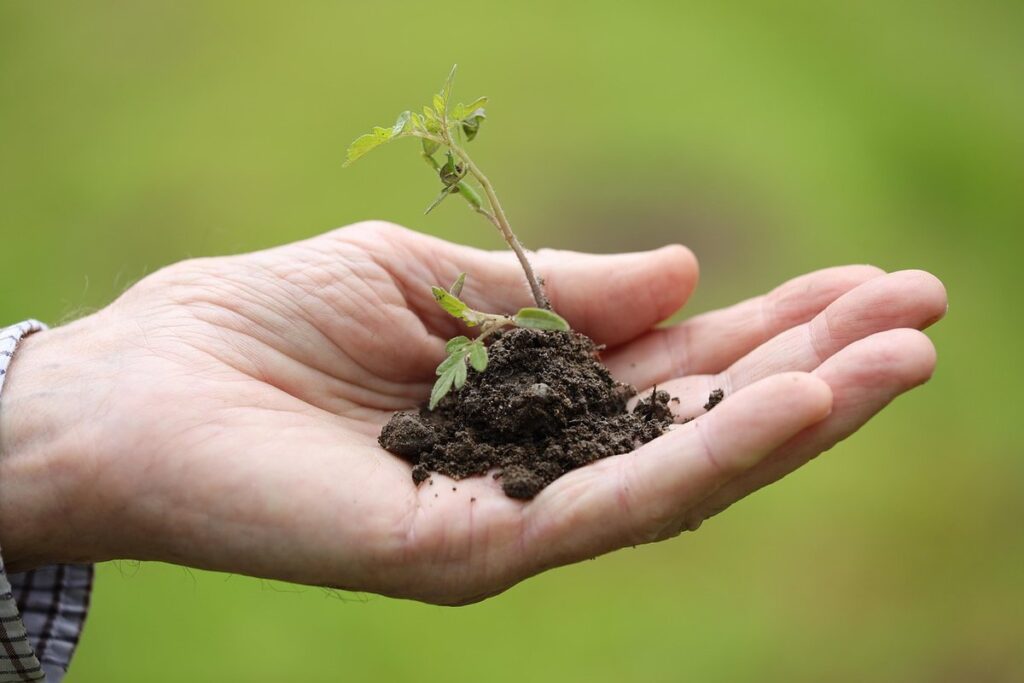
Choosing the Right Vegetables and Herbs for Autumn
As you plan your autumn garden, it’s essential to choose vegetables and herbs that thrive in the cooler temperatures and shorter days of this season. Let’s take a look at some of the best options to plant in autumn.
Cool-Season Vegetables for Autumn
Cool-season vegetables thrive in the cooler temperatures of autumn, making them an ideal choice for this time of year. These vegetables typically prefer daytime temperatures between 60°F to 70°F (15°C to 21°C) and nighttime temperatures around 40°F to 50°F (4°C to 10°C). When selecting cool-season vegetables, consider the specific temperature requirements for each variety. For example, broccoli and cauliflower prefer temperatures on the cooler side, while kale and spinach can tolerate slightly warmer temperatures.
To grow cool-season vegetables in autumn, you’ll want to ensure your soil has the right pH and nutrient levels. Most cool-season vegetables prefer a slightly acidic to neutral soil pH between 6.0 and 7.0. Add organic matter like compost or well-rotted manure to improve soil structure and fertility. Cool-season vegetables also benefit from full sun, so choose a location that receives at least six hours of direct sunlight per day.
Some popular cool-season vegetables for autumn include lettuce, radishes, and carrots. These vegetables can be direct-sown in late summer to early fall, about 8 to 10 weeks before the first frost. By choosing the right cool-season vegetables and preparing your soil accordingly, you’ll be rewarded with a bountiful harvest of delicious and nutritious produce.
Leafy Greens and Brassicas for Autumn
Leafy greens and brassicas are ideal for autumn gardens, as they thrive in the cooler temperatures and can tolerate light frosts. Popular varieties for this season include kale, collard greens, broccoli, cauliflower, and cabbage. When selecting varieties, consider factors like maturity days, disease resistance, and cold hardiness.
For optimal growth, leafy greens and brassicas require well-draining soil with a pH between 6.0 and 7.0. They also benefit from full sun to partial shade, depending on the variety. To ensure a continuous harvest, plant these vegetables every 2-3 weeks, as they can bolt (go to seed) quickly in the cooler temperatures.
Some key tips for growing leafy greens and brassicas in autumn include:
• Plant at the right time: In most regions, this means planting 8-10 weeks before the first frost.
• Choose a mix of early and late maturing varieties to extend the harvest season.
• Keep the soil consistently moist, but not waterlogged, as this can lead to root rot.
• Watch for pests like aphids, slugs, and caterpillars, and use organic controls whenever possible.
• Harvest regularly to encourage new growth and prevent the vegetables from flowering.
Root Vegetables for Autumn
Root vegetables are ideal for autumn gardens, as they thrive in cooler temperatures and can tolerate light frosts. Beets, carrots, and turnips are popular choices for this season, but they require specific growing conditions. Beets prefer well-draining soil and full sun, while carrots need loose, sandy soil and consistent moisture. Turnips, on the other hand, can grow in a variety of conditions, but they do best in cooler temperatures and well-draining soil.
To grow root vegetables successfully in autumn, it’s essential to choose a variety that is resistant to bolting, which is when plants go to seed too quickly. Some popular varieties of beets include ‘Detroit Dark Red’ and ‘Chioggia’, while ‘Little Finger’ and ‘Danver’s Half-Long’ are good choices for carrots. For turnips, try ‘Snowball’ or ‘Purple Top White Globe’.
When planting root vegetables, make sure to sow seeds at the correct depth and spacing. Beets, for example, should be sown 1-2 inches deep and 2-3 inches apart, while carrots should be sown ¼ inch deep and ¼ inch apart. Turnips can be sown ½ inch deep and 2-3 inches apart. By following these guidelines and choosing the right varieties, you can enjoy a bountiful harvest of root vegetables in your autumn garden.
Planning and Preparing Your Autumn Garden
Before you start planting, it’s essential to plan and prepare your autumn garden for the cooler temperatures and changing weather patterns. Let’s discuss the key steps to get your garden ready for a bountiful harvest.
Assessing Your Garden’s Climate and Soil
When assessing your garden’s climate and soil, it’s essential to determine the best vegetables and herbs to plant in autumn. Start by observing the local weather patterns. In autumn, temperatures typically drop, and daylight hours shorten. Most areas experience a moderate climate, but some regions may experience frost earlier than others. Check the average frost dates for your area to plan accordingly.
Next, examine your soil type and pH level. Autumn vegetables and herbs prefer well-draining, fertile soil with a pH between 6.0 and 7.0. If your soil is heavy clay or sandy, amend it with organic matter like compost or well-rotted manure. Test your soil pH regularly to ensure it remains within the optimal range.
Consider the microclimate in your garden. If it’s sheltered from strong winds and frost, you can plant tender vegetables and herbs earlier in the season. However, if it’s exposed, delay planting until the weather cools down. Also, note the sunlight patterns in your garden. Some vegetables and herbs require full sun, while others prefer partial shade. By understanding your garden’s climate and soil conditions, you can select the best autumn vegetables and herbs to plant, ensuring a successful harvest.
Creating a Garden Plan and Layout
When designing your autumn garden, consider the mature size of each plant and leave enough space for growth and air circulation. For example, a sprawling variety of Brussels sprouts may require 3-4 feet of space, while compact lettuce varieties can thrive in as little as 6-8 inches. To make the most of your space, plan your garden in blocks or sections, rather than long rows.
For companion planting, consider pairing plants that benefit from each other’s growth habits or pest-repellent properties. For instance, basil repels pests that target tomatoes, while nasturtiums attract beneficial insects that prey on aphids. By placing these plants together, you can create a harmonious ecosystem that minimizes the need for pesticides.
When planning your crop rotation, consider the soil-depleting effects of certain plants. For example, members of the Brassica family, such as broccoli and kale, can deplete soil nitrogen. By rotating these plants with nitrogen-fixing legumes like beans or peas, you can maintain soil fertility and promote overall garden health.
Preparing Your Soil for Autumn Planting
To prepare your soil for autumn planting, start by testing its pH level and nutrient content. This will give you a clear understanding of what amendments your soil needs. You can purchase a DIY soil testing kit or send a sample to a lab for analysis. Based on the results, add organic matter like compost or well-rotted manure to adjust the pH and fertility.
When amending your soil, focus on adding nutrients that promote healthy root development and support autumn crops. For example, add a 2-inch layer of compost to the soil surface and mix it in well. If your soil is heavy clay or sandy, consider adding a soil conditioner to improve its structure.
Finally, apply a 2-3 inch layer of organic mulch to retain moisture, suppress weeds, and regulate soil temperature. Choose a mulch that decomposes slowly, such as straw or wood chips, and apply it around plants after they’re about 6 inches tall. This will help retain moisture and regulate soil temperature, reducing the risk of frost damage and disease.
Starting Your Autumn Garden
As autumn arrives, it’s the perfect time to start planting cool-season crops that will thrive in the cooler temperatures, ensuring a bountiful harvest before winter sets in. Let’s focus on the essentials for a successful autumn garden.
Sowing Seeds for Autumn
Sowing seeds for autumn is a delicate process that requires careful consideration of timing, seed spacing, and sowing techniques. In most regions, the best time to sow seeds for autumn is 8 to 10 weeks before the first frost date. This allows the seeds to mature before the winter sets in. To determine the ideal sowing time for your area, consult a local gardening calendar or the average frost dates for your region.
When sowing seeds, make sure to follow the package instructions for the recommended seed spacing. For example, if you’re sowing lettuce, space the seeds 2 to 4 inches apart. Sowing seeds too closely can lead to overcrowding, which can result in reduced growth and increased susceptibility to disease.
To sow seeds effectively, start by creating a smooth and even seedbed. Rake the soil to remove any debris and compact it gently. Next, sow the seeds at the recommended depth, typically 1/4 inch deep. Cover the seeds with a thin layer of fine soil and gently firm it down. Water the seeds gently but thoroughly. Keep the soil consistently moist during the germination period, which is usually 7 to 10 days.
Transplanting Seedlings for Autumn
When transplanting seedlings from pots or seed trays into the garden, it’s essential to minimize shock and promote establishment. This is particularly crucial in autumn, as seedlings may already be stressed from the changing weather conditions. Start by hardening off your seedlings 7-10 days before transplanting. This involves gradually exposing them to outdoor conditions, such as direct sunlight and cooler temperatures, to acclimate them to the garden environment.
To reduce transplant shock, water the seedlings thoroughly the day before transplanting. This ensures the soil is moist and the roots are hydrated, making it easier for the seedlings to establish themselves in the new soil. Dig a hole that’s slightly larger than the pot or seed tray, and gently loosen the roots to encourage them to spread. Handle the roots carefully to avoid damaging them.
When transplanting, place the seedling in the hole at the same depth as it was in the pot or seed tray. Firm the soil gently around the roots, and water well to settle the soil. Keep the soil consistently moist during the first few weeks after transplanting to promote establishment. This will help the seedlings develop a strong root system and grow vigorously in the garden.
Mulching and Watering for Autumn
Mulching and watering are two critical components of maintaining a healthy and productive autumn garden. As the weather cools, the soil’s moisture levels can drop significantly, making it essential to conserve water and maintain soil moisture. One effective way to do this is by applying a 2-3 inch layer of organic mulch around your plants. This will help retain moisture, suppress weeds, and regulate soil temperature.
When choosing a mulch, opt for materials that are high in carbon and low in nitrogen, such as straw, bark chips, or leaves. Avoid using fresh grass clippings, as they can tie up nitrogen in the soil. As for watering, aim to provide about 1 inch of water per week, either through rainfall or irrigation. Be sure to water deeply and infrequently to encourage deep root growth and make your plants more drought-resistant.
To control weeds, which can compete with your plants for water and nutrients, remove them by hand or with a hoe before they go to seed. You can also use mulch to suppress weeds by applying it around your plants and keeping it a few inches away from the stems. By following these tips, you can maintain a healthy and thriving autumn garden, even in areas with low rainfall.
Maintaining and Harvesting Your Autumn Garden
As autumn’s chill sets in, it’s essential to keep your garden thriving through the season, and that means knowing how to properly maintain and harvest your crops to ensure a bountiful harvest.
Monitoring and Managing Pests and Diseases
Autumn gardens are particularly susceptible to pests and diseases due to the cooler temperatures and higher humidity. To effectively monitor and manage these issues, it’s essential to be proactive and keep a close eye on your plants. Regularly inspect your crops for signs of infestation or disease, such as holes in leaves, white powdery patches, or yellowing stems. Look for pests like aphids, slugs, and snails, which thrive in autumn’s moist conditions. For example, aphids can spread plant viruses and reduce yields, while slugs and snails can cause significant damage to leafy greens and brassicas.
When managing pests and diseases, consider integrated pest management (IPM) strategies. This approach combines physical, cultural, biological, and chemical controls to minimize harm to beneficial organisms and the environment. Some effective methods include:
- Hand-picking pests like aphids and slugs
- Using row covers to prevent pests from reaching your plants
- Planting companion plants like garlic and marigold, which repel pests
- Practicing good sanitation, such as removing weeds and disposing of infected plants
Keep in mind that prevention is often the best approach. Plant resistant varieties, maintain good garden hygiene, and avoid overwatering to reduce the risk of disease and pest issues.
Maximizing Yields and Harvesting Techniques
Timing is crucial when it comes to maximizing yields in your autumn garden. Plant cool-season vegetables like broccoli, cauliflower, and kale 8 to 10 weeks before the first frost, and successionally plant every 2 to 3 weeks to ensure a continuous harvest. For root vegetables like carrots, beets, and turnips, sow seeds 2 to 4 weeks before the first frost, as they take longer to mature.
Harvesting techniques also play a significant role in maximizing yields. Regular harvesting encourages new growth and prevents plants from flowering and going to seed. For leafy greens like lettuce and spinach, harvest individual leaves or the entire head, depending on the variety. For brassicas like cabbage and kale, harvest the head when it reaches maturity, leaving a small portion of stem attached to the plant.
To determine when to harvest, check for visual cues like color, texture, and size. For example, broccoli is ready to harvest when the buds are tight and green, while carrots are ready when they reach 1/2 to 1 inch in diameter. Harvesting at the right time will not only ensure maximum yields but also result in better-tasting produce.
Preserving and Storing Autumn Produce
Freezing is an excellent method for preserving autumn produce, especially leafy greens like kale and spinach, which can be frozen without blanching. Simply chop or puree the greens, add a splash of lemon juice to prevent browning, and transfer them to airtight containers or freezer bags. Frozen greens are perfect for soups, stews, and smoothies.
For root vegetables like carrots, beets, and parsnips, canning is a reliable option. Sterilize jars and lids in a pot of boiling water, then fill with hot, pickled root vegetables. Process the jars in a boiling water bath for 10-15 minutes to ensure a vacuum seal.
Root cellaring is also an effective way to store autumn produce, particularly root vegetables and squash. Store them in a cool, dark place with good ventilation, like a basement or a root cellar. The ideal temperature for root cellaring is between 32°F and 40°F (0°C and 4°C). This slows down the ripening process, allowing you to enjoy your harvest for several months.
Before storing any produce, make sure to harvest it at the peak of freshness. Wilted or bruised produce will not store well, so use your harvested crops promptly or preserve them using one of the methods mentioned above.
Advanced Techniques for Autumn Vegetable and Herb Gardening
As you’ve got the basics down, it’s time to take your autumn vegetable and herb gardening to the next level with expert techniques to maximize your harvest and minimize maintenance.
Companion Planting and Crop Rotation
Companion planting involves pairing vegetables and herbs that complement each other in terms of growth habits, pest resistance, and nutrient uptake. In autumn, consider planting marigolds with carrots to deter nematodes, or basil with tomatoes to improve flavor and repel pests. Crop rotation is another essential technique, which involves rotating crops to avoid depleting soil nutrients and promoting disease buildup.
When rotating crops, consider the following key principles: avoid planting members of the Brassica family (broccoli, kale, cauliflower) in the same spot where they’ve grown before; switch between cool-season and warm-season crops to maintain soil health; and give legumes (beans, peas) a spot of their own to fix nitrogen. For example, plant beans after tomatoes or cucumbers to benefit from the nitrogen they’ve added to the soil. By implementing companion planting and crop rotation strategies, you can create a balanced and thriving autumn garden, with healthier plants, improved yields, and reduced pest pressure. This approach will also help to minimize the need for fertilizers and pesticides.
Cover Cropping and Green Manuring
Cover cropping involves planting crops between seasons to protect the soil from erosion and improve its fertility. These crops, such as winter rye or hairy vetch, are typically planted in the autumn and left to overwinter. In the spring, they’re incorporated into the soil, adding organic matter and nutrients. Green manuring, on the other hand, involves plowing in green plant material, like comfrey or clover, to enrich the soil. This technique is particularly effective for improving soil structure and increasing its water-holding capacity.
To implement cover cropping and green manuring, consider the following steps: 1) Choose a cover crop that’s suitable for your climate and soil type; 2) Plant it at the right time, usually in late summer or early autumn; 3) Let it grow until it reaches the desired height; 4) Incorporate it into the soil in the spring. Some examples of cover crops for autumn include winter rye, oats, and field beans. These crops can be used to suppress weeds, improve soil health, and even provide a source of mulch for the following season. By incorporating cover cropping and green manuring into your autumn gardening routine, you can create a more sustainable and resilient garden ecosystem.
Advanced Propagation Techniques
Grafting allows you to combine the desirable qualities of different plant varieties, often combining the hardiness of a rootstock with the flavor and texture of a scion. For autumn gardening, look for rootstocks that are resistant to cold temperatures and scions with a late season harvest. For example, you can graft a Brussels sprouts scion onto a cold-hardy broccoli rootstock, creating a plant that produces delicious Brussels sprouts in the autumn. To graft, use a sharp, sterile knife to remove a section of stem from the rootstock and attach the scion, securing it with tape or a grafting clip.
Layering is another method for propagating plants, where you encourage the stem to grow roots while it’s still attached to the parent plant. This is often done with plants like strawberries or raspberries, which can be layered in the autumn to produce new plants for the following spring. To layer, choose a healthy stem with at least two nodes and bend it down to the ground, securing it with a rock or U-shaped wire. Roots should develop within a few weeks.
Division is a simple method for propagating perennials, where you separate the roots to create new plants. For autumn division, choose plants with thick, fleshy roots like beets, carrots, or parsnips. Dig up the entire plant, gently wash the roots, and separate them into sections with at least one growing point each.
Frequently Asked Questions
Can I plant autumn vegetables and herbs in containers?
Yes, you can plant autumn vegetables and herbs in containers, but make sure they have good drainage and sufficient root space. Also, choose varieties that are compact or dwarf, and keep in mind that containers may need more frequent watering.
How do I know when to start harvesting my autumn vegetables and herbs?
Timing is crucial when harvesting autumn vegetables and herbs. Check the plant’s specific requirements, and harvest when the plants are mature but not overripe. For example, harvest leafy greens when they’re at their peak flavor and texture.
What if I encounter pests or diseases in my autumn garden?
Yes, it’s essential to monitor your autumn garden for pests and diseases. Regularly inspect your plants, and take action promptly if you notice any issues. Use organic or integrated pest management strategies, such as introducing beneficial insects or practicing crop rotation.
Can I plant multiple crops together in my autumn garden?
Yes, companion planting and crop rotation are excellent strategies for a healthy and productive autumn garden. For example, planting marigolds with tomatoes can deter nematodes, while planting basil with lettuce can improve growth and flavor.

