
Every time you squeeze that bottle of washing up liquid into your sink, you might be releasing more than just suds. The tiny plastic particles in many popular brands are making their way into our waterways and oceans, harming marine life and ecosystems worldwide. Microplastics have become a major concern, with studies showing they can be ingested by fish, shellfish, and even tiny plankton, working their way up the food chain and potentially ending up on your dinner plate. The problem is not just limited to the plastic itself, but also the chemicals used in the production of washing up liquids that are released into the environment when these plastics break down. In this article, we’ll explore how washing up liquid contributes to microplastic pollution and provide some eco-friendly alternatives for you to try at home.
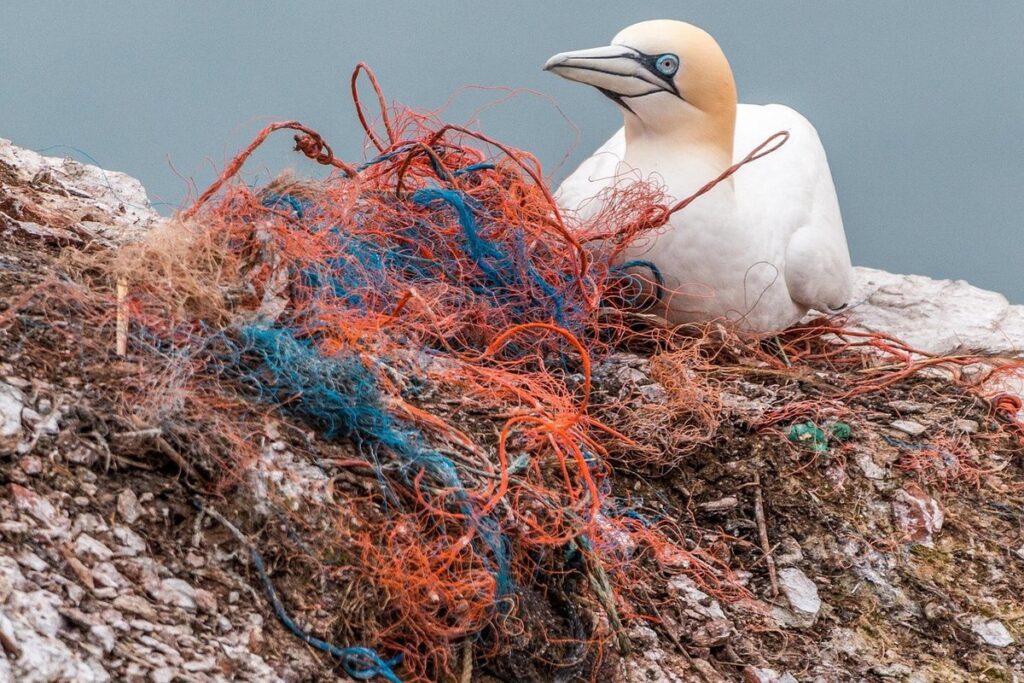
The Alarming Reality of Microplastics in Our Oceans
Microplastics are invading our oceans at an alarming rate, and it’s shocking to think that washing up liquid is a significant contributor to this problem. Let’s take a closer look at the devastating impact of microbeads in our waterways.
What are Microplastics and Where Do They Come From?
Microplastics are small plastic particles that can be ingested by marine life, contaminating the food chain. These tiny fragments come from various sources, but one significant contributor is washing up liquid. The primary reason for microplastic pollution from washing up liquid lies in its non-biodegradable ingredients.
The main culprits behind this issue are synthetic polymers like polyethylene and polypropylene. These materials do not break down easily in the environment and instead persist as small plastic particles. When washing up liquid is used, these non-biodegradable components can be released into the water system through wastewater treatment plants or directly into rivers and oceans.
A study found that a significant proportion of microplastics in seawater come from household cleaning products, including washing up liquid. To put this into perspective, it’s estimated that millions of tons of plastic waste enter our oceans every year, harming marine ecosystems and contaminating the food chain.
The Impact of Microplastics on Marine Life
Microplastics have been found in the stomachs of over 90% of seabirds and in the digestive systems of almost every species of fish examined. This can lead to blockages, nutrient deficiencies, and even death. The presence of microplastics in marine life is a clear indication that plastic pollution has reached alarming levels.
When microplastics are ingested by marine animals, they can cause physical harm by blocking their digestive tracts or getting lodged in their intestines. This can lead to severe health problems, including reduced appetite and impaired growth rates. For example, research has shown that fish with high levels of microplastic ingestion tend to have lower energy reserves and are more vulnerable to predators.
The impact on marine ecosystems is far-reaching. Microplastics can also alter the nutrient uptake and metabolism in marine animals, leading to changes in their behavior and physiology. In some cases, this can even affect the entire food chain, as microplastics can be transferred from primary consumers to top predators. To mitigate these effects, it’s essential for individuals to reduce their plastic waste and support policies that address microplastic pollution.
The Role of Washing Up Liquid in Microplastic Pollution
Washing up liquid’s contribution to microplastic pollution lies in its non-biodegradable ingredients. Two primary culprits are polyethylene and polypropylene, which can break down into smaller particles over time. These tiny fragments, often referred to as microbeads or microplastics, are not easily degraded by the environment.
When washing up liquid is used, these synthetic materials are released into the wastewater system, eventually making their way into oceans and waterways. Once there, they can be ingested by marine life, causing physical harm or even death. The impact on ecosystems is multifaceted: microplastics have been shown to disrupt nutrient cycling, affect feeding behavior, and alter food chains.
To put this into perspective, consider a single bottle of washing up liquid containing tens of thousands of plastic particles per liter. When broken down, these particles can become microscopic, yet their harm remains significant. To reduce our contribution to microplastic pollution from washing up liquids, individuals should opt for eco-friendly alternatives with biodegradable ingredients or those specifically designed to minimize microplastic release.
Understanding the Ingredients in Washing Up Liquid
Many washing up liquids contain harsh chemicals and microplastics that are released into our environment, contributing to plastic pollution. Let’s take a closer look at some of these key ingredients.
Common Additives Found in Washing Up Liquids
Fragrances are a common additive found in many washing up liquids. These fragrances often contain microplastics, which can be released into the water during use and contribute to plastic pollution. Some popular fragrances used in washing up liquids include citrus-based scents and floral notes.
Dyes are another type of additive that can have environmental implications. Many washing up liquids contain artificial colors that can leach into waterways and harm aquatic life. For example, studies have shown that certain dyes can cause changes in the behavior and development of fish.
Preservatives are used to extend the shelf life of washing up liquids by preventing bacterial growth. However, some preservatives have been linked to environmental damage when released into the environment. For instance, formaldehyde-releasing agents have been found to harm aquatic ecosystems.
When shopping for a washing up liquid, it’s worth checking the ingredient list for these types of additives. Look for products that use natural fragrances and dyes, or those that are explicitly labeled as “microplastic-free.”
The Science Behind Non-Biodegradable Ingredients
Washing up liquid ingredients are designed to be efficient at low temperatures, making them non-biodegradable and contributing to microplastic pollution. This is a result of the surfactants used in these products. Surfactants, or surface-active agents, reduce surface tension between water and grease, allowing for easier cleaning. However, most commercial surfactants are synthetic and derived from petrochemicals.
These non-biodegradable surfactants break down slowly, but not completely, when exposed to environmental conditions. As a result, they persist in the environment and contribute to microplastic pollution. Research has shown that some surfactants can take up to several months or even years to decompose. In contrast, biodegradable surfactants are typically derived from natural sources, such as coconut or olive oil, and break down much more quickly.
Manufacturers often prioritize the use of synthetic surfactants due to their efficiency at low temperatures. However, this convenience comes with a significant environmental cost. The use of non-biodegradable surfactants in washing up liquids is a major contributor to microplastic pollution in our oceans and waterways.
Breaking Down the Production Process
From packaging to pumps, let’s take a closer look at how washing up liquid is actually made and what kind of plastic waste that process produces.
From Formulation to Manufacturing
The formulation stage of washing up liquid production involves mixing various chemicals together to create a surfactant-rich mixture. This process can lead to microplastic pollution through the use of non-biodegradable ingredients, such as polyethylene glycol (PEG) and polypropylene, which are commonly used in washing up liquids. These ingredients break down into smaller particles during manufacturing, only to be released again as microplastics when washed off dishes.
During manufacturing, these chemicals are combined with water and other additives in a large tank. The mixture is then heated and stirred until the surfactants are evenly distributed, creating a thick liquid that can clean grease and food residue from dishes. However, this process also releases volatile organic compounds (VOCs) into the air, contributing to indoor pollution.
To put this into perspective, consider a typical washing up liquid formulation: 70-80% water, 10-15% surfactants, 5-7% additives, and 2-3% preservatives. The preservatives, often used in combination with PEGs, can also contribute to microplastic pollution. When these chemicals break down, they release tiny particles that are difficult to filter out of wastewater, ending up in our oceans and harming marine life.
The Role of Transportation and Distribution in Plastic Pollution
Plastic packaging used during transportation and distribution is a significant contributor to the overall impact of washing up liquid on the environment. This often-overlooked aspect plays a crucial role in exacerbating plastic pollution.
Washing up liquids are typically packaged in single-use plastic containers, which are then transported to retailers via trucks or ships. These containers are not biodegradable and can take hundreds of years to decompose. Moreover, they are often used once before being discarded, adding to the staggering amount of plastic waste generated by washing up liquid production.
When these containers reach their destination, they may be stored in warehouses for extended periods, waiting to be shipped out to stores again. This prolonged storage contributes to the accumulation of plastic packaging waste, further polluting our environment. To put this into perspective, consider that a single washing up liquid container can produce up to 0.5 kg of CO2 emissions during its lifecycle.
Reducing plastic packaging waste in transportation and distribution requires a multifaceted approach. Manufacturers can start by adopting eco-friendly packaging materials or designing refill systems that minimize single-use containers. Consumers can also play a role by choosing brands that offer sustainable packaging options, supporting companies that prioritize environmental responsibility.
Alternatives to Traditional Washing Up Liquid
If you’re looking for a more eco-friendly washing up liquid, there are several alternatives that are just as effective. From natural soap powders to biodegradable liquids, we’ll explore some great options.
Natural Alternatives: The Rise of Eco-Friendly Options
Some companies are now offering eco-friendly alternatives to traditional washing up liquids. These products often use natural ingredients and biodegradable packaging. One example is soap nuts, which are made from the fruit of the Sapindus mukorossi tree. Soap nuts have been used for centuries in some parts of the world as a gentle and effective cleaning agent.
Other eco-friendly options include washing up liquids made with plant-based surfactants, such as coconut oil or olive oil. These products typically come in biodegradable packaging and are free from harsh chemicals like sodium lauryl sulfate. Some brands also offer refill packs to reduce waste further.
When shopping for an eco-friendly alternative, look for certifications like the EU Ecolabel or the Leaping Bunny logo, which indicate that the product meets certain environmental standards. Consider buying in bulk to minimize packaging and choose products with minimal ingredients lists. By making these small changes, individuals can contribute to a significant reduction in plastic pollution from washing up liquids.
The Benefits of Switching to Eco-Friendly Products
Switching to eco-friendly washing up liquid offers a triple benefit: reducing plastic pollution, supporting local economies, and promoting sustainable living practices. By making this simple switch, you can significantly contribute to mitigating the devastating impact of microplastics on our oceans.
Reducing plastic pollution is perhaps the most pressing concern when it comes to traditional washing up liquids. Conventional formulas often contain non-biodegradable ingredients that break down into tiny microplastics during use and disposal. These microplastics then enter our waterways, harming marine life and contaminating the food chain. In contrast, eco-friendly alternatives typically rely on biodegradable or plant-based ingredients that minimize waste and prevent plastic pollution.
In addition to environmental benefits, choosing eco-friendly washing up liquid can also support local economies. Many small-scale producers and artisans are now offering sustainable products made from locally sourced materials, creating jobs and stimulating community development. By opting for these products, you’re not only reducing your carbon footprint but also contributing to the growth of local businesses.
When selecting an eco-friendly option, look for certifications like biodegradable or compostable labels. Some popular alternatives include soap-based washing up liquids, which tend to have a lower environmental impact than traditional formulas.
Government Regulations and Industry Response
As we explore the plastic pollution caused by washing up liquid, it’s essential to examine how governments are responding to this issue, and what industries are doing to reduce their impact. This section reveals the current state of regulations and industry efforts.
Current Laws and Regulations
Governments worldwide have yet to establish strict regulations on the production and sale of washing up liquids. This lack of oversight has contributed significantly to the proliferation of microplastics in our oceans. The absence of stringent guidelines allows manufacturers to continue using non-biodegradable ingredients, such as polyethylene and polypropylene, which break down into tiny plastic particles that contaminate waterways.
The current regulatory landscape is patchy at best, with some countries imposing restrictions on certain chemicals or packaging types, but no comprehensive framework governing the entire industry. For instance, while the European Union has implemented regulations on microbeads in personal care products, washing up liquids remain largely unregulated. Similarly, the US has proposed legislation to ban microbeads, but similar measures for washing up liquids have yet to be introduced.
The International Council of Cleaning Suppliers (ICCS) has called for stricter regulations on washing up liquid production, including limits on plastic content and requirements for biodegradable packaging. However, without government backing, these recommendations remain voluntary. Until governments step in with enforceable laws, manufacturers will continue to operate with relative impunity, contributing to the growing problem of microplastic pollution.
The Role of Manufacturers in Reducing Plastic Pollution
Manufacturers have a crucial role to play in reducing plastic pollution. By reformulating products to use biodegradable ingredients and minimizing packaging waste, they can significantly reduce their environmental footprint. For instance, some manufacturers are now using plant-based surfactants that break down easily in water, eliminating the need for microplastics in washing up liquid.
Using biodegradable packaging is another key strategy. This could involve switching to recyclable or compostable materials, such as bioplastics made from cornstarch or sugarcane. Companies like Seventh Generation have already made this transition, using 100% recycled materials for their packaging.
Manufacturers should also promote sustainable practices throughout their supply chain. This includes working with suppliers who share their commitment to sustainability and implementing recycling programs to minimize waste. For example, some manufacturers are now partnering with local communities to collect used washing up liquid containers and recycle them into new products. By taking these steps, manufacturers can demonstrate their responsibility to the environment and contribute to a reduction in plastic pollution.
Conclusion: Taking Action Against Washing Up Liquid Pollution
Now that we’ve explored the hidden dangers of washing up liquid, it’s time to focus on what you can do to help mitigate its impact on our planet. Here are some practical steps towards a more sustainable future.
What Individuals Can Do to Reduce Microplastic Pollution
Individuals can play a crucial role in reducing microplastic pollution from washing up liquids by making conscious choices about the products they use. One key step is to switch to eco-friendly washing up liquids that are designed with sustainability in mind. Look for products that use biodegradable surfactants and avoid those containing microbeads, which can break down into even smaller particles.
Reducing plastic use is another effective way to combat microplastic pollution. You can achieve this by using reusable cloths or sponges instead of disposable ones, and opting for concentrated washing up liquids that require less packaging. For instance, some eco-friendly brands offer refill options that allow you to reuse containers, significantly reducing the amount of plastic waste generated.
Participating in beach cleanups is also an important way to contribute to the reduction of microplastic pollution. Join local initiatives or organize your own community cleanup events to help collect and dispose of trash properly. This not only helps remove visible pollutants but also raises awareness about the issue among fellow residents.
When shopping for washing up liquids, always read labels carefully and avoid products that contain unnecessary additives, such as fragrances or dyes. Some eco-friendly brands now offer certifications like the EU’s Ecolabel, which ensures that their products meet rigorous environmental standards. By making these small changes in your daily life, you can collectively make a significant impact on reducing microplastic pollution from washing up liquids.
Frequently Asked Questions
How Long Does it Take for Washing Up Liquid to Break Down into Microplastics?
Washing up liquid can take anywhere from several weeks to several months to break down into microplastics, depending on environmental factors such as temperature and exposure to light. However, even when broken down, these particles can still harm the environment.
What if I’m Allergic to Eco-Friendly Washing Up Liquid Alternatives?
If you’re allergic to natural ingredients used in eco-friendly washing up liquid alternatives, consider consulting with a healthcare professional or exploring products that offer hypoallergenic options. Some brands now offer gentle, fragrance-free, and biodegradable formulas.
Can I Make My Own Eco-Friendly Washing Up Liquid at Home?
While making your own washing up liquid can be an effective way to reduce plastic pollution, it’s essential to note that homemade recipes may not provide the same level of cleaning power as commercial products. If you choose to make your own, ensure you follow proper safety precautions and use environmentally friendly ingredients.
How Can I Convince My Family or Roommates to Switch to Eco-Friendly Washing Up Liquid?
Approach this conversation by highlighting the environmental benefits and the positive impact it can have on our planet. You can also share resources from reputable organizations that discuss the importance of reducing plastic pollution. Consider involving everyone in the decision-making process to ensure a smooth transition.
What If I Can’t Find Eco-Friendly Washing Up Liquid Options in My Area?
If eco-friendly washing up liquid options are not readily available in your area, consider shopping online or reaching out to local stores to request they carry more sustainable products. You can also explore making your own washing up liquid or using alternative methods for cleaning dishes and utensils.

