
Suburban living has long been a popular choice for families and individuals looking to escape the hustle and bustle of city life. On the surface, suburbs offer affordable housing options, quiet streets, and a sense of community that’s hard to find in urban areas. However, beneath this idyllic façade lies a complex web of benefits and drawbacks that can have a significant impact on both personal growth and the environment. From concerns about traffic congestion and air pollution to debates over zoning regulations and green spaces, suburban living is not without its challenges. As you consider whether suburban life is right for you, it’s essential to weigh these competing interests and learn how to balance growth with sustainability in your community. By the end of this article, you’ll have a deeper understanding of the benefits and drawbacks of suburban living and be better equipped to make informed decisions about your future.
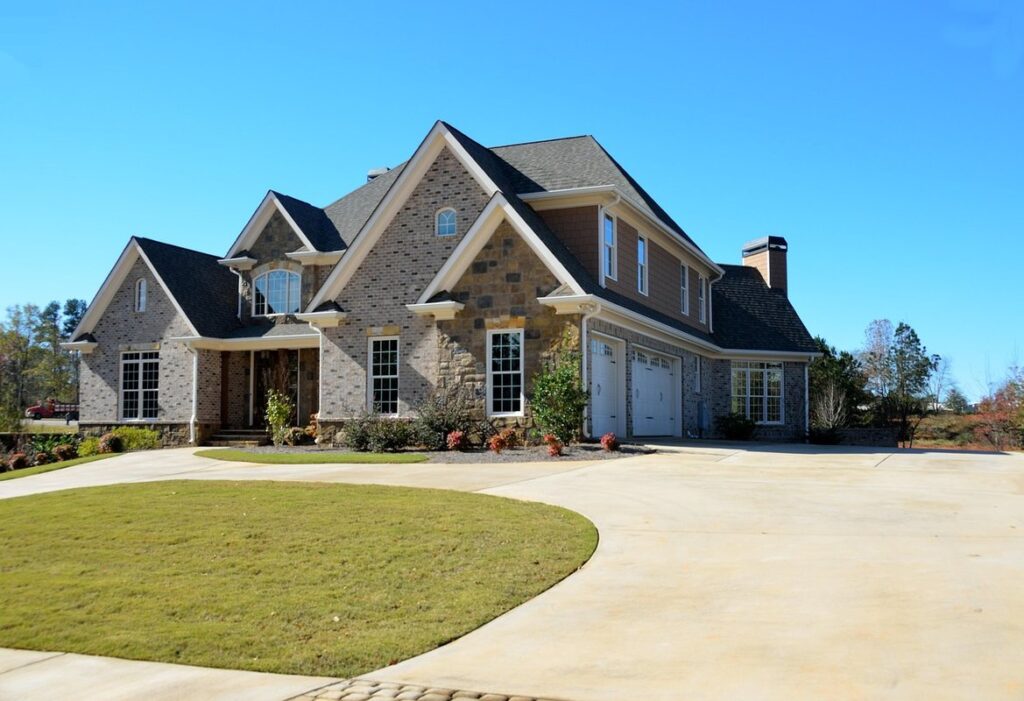
Understanding the Suburban Lifestyle
Suburbs are often misunderstood, but what does it really mean to live in a suburban community? We’ll explore the unique aspects of suburban living and how they shape daily life.
What is Suburban Living?
Suburban living is a distinct lifestyle that has evolved over centuries. The term “suburbs” originates from the Latin word “suburbium,” which refers to the area around a city. Historically, suburbs emerged as a response to urban overcrowding and economic growth, with wealthy residents seeking more spacious and secure environments for their families.
The concept of suburban living gained momentum during the 19th and early 20th centuries in the United States and Europe. The development of streetcars and highways enabled people to commute easily between cities and suburbs, allowing for a greater separation of residential areas from commercial zones. Today, suburbanization is one of the most common forms of urbanization worldwide.
The cultural significance of suburban living lies in its promise of a better life – more space, cleaner air, and access to nature. Many residents value their homes’ yards, parks nearby, and a sense of community that’s often absent in urban environments. However, this comes at a cost: the loss of green spaces, strain on local infrastructure, and increased environmental impact. Understanding these trade-offs is essential for those considering suburban living as an option.
Types of Suburbs: Urban-Adjacent to Rural
Suburbs situated near urban centers can be broadly classified into three categories: bedroom communities, commuter towns, and edge cities. Bedroom communities are typically suburban areas with a large proportion of residents commuting to nearby cities for work. These neighborhoods often have lower housing costs and quieter environments compared to urban areas.
Commuter towns, on the other hand, tend to be more developed and offer a range of amenities, including restaurants, shops, and public transportation links to major cities. Edge cities are rapidly growing suburbs that serve as hubs for business, commerce, and entertainment, often rivaling their central city counterparts in terms of economic output.
Not all suburbs adjacent to rural areas fit neatly into these categories. Some may blend characteristics from multiple types or develop unique profiles based on local factors such as zoning regulations, transportation infrastructure, and resident demographics. Homebuyers considering suburban living near urban centers should research the specific neighborhood’s character, weighing factors like commute time, housing costs, and access to amenities when making an informed decision.
Benefits of Suburban Living
Suburban living offers a unique blend of tranquility and convenience, providing residents with access to quality amenities and services just outside their doorstep. From parks to shopping centers, suburbs often provide everything you need without sacrificing peaceful surroundings.
Affordable Housing Options
Suburbs offer a diverse range of housing options to suit various budgets and lifestyles. Single-family homes are often the most affordable option for those seeking more space and a yard. However, they can be pricey, with median prices ranging from $300,000 to over $1 million depending on location.
Townhouses provide an attractive alternative, offering the benefits of single-family living at a lower price point. Typically priced between $200,000 and $500,000, townhouses are ideal for first-time buyers or those who want a smaller footprint. Condominiums (or condos) are another affordable option, with prices ranging from $150,000 to over $1 million.
When shopping for an affordable suburban home, consider factors such as property taxes, insurance costs, and maintenance fees. Research neighborhoods with lower housing costs but still offer access to amenities like parks, schools, and public transportation. Some suburbs also offer incentives for first-time buyers or those purchasing a specific type of property.
Family-Friendly Environment
Suburbs are often preferred by families due to their family-friendly environment. One of the main reasons is access to good schools. Parents can rest assured that their children will receive a quality education in a safe and supportive learning environment. Many suburbs have highly-rated schools, with some even offering specialized programs for students with specific interests or needs.
In addition to good schools, suburbs typically offer safe neighborhoods where families can feel secure playing outside or walking around the block. This is particularly important for families with young children who need to be able to let their kids roam freely without worrying about safety concerns. Suburbs often have lower crime rates compared to urban areas, making them an attractive option for families.
Suburbs also provide plenty of green spaces for families to enjoy. Parks, playgrounds, and community gardens are common in suburban areas, offering opportunities for outdoor activities, picnics, and bonding time with loved ones. For example, many suburbs have developed extensive park systems that include walking trails, sports facilities, and picnic areas – perfect for a family day out or a relaxing weekend stroll.
Challenges of Suburban Living
One of the downsides of suburban living is the often-overwhelming cost of maintaining a larger home and yard, not to mention expensive property taxes. This can be a major financial burden for many families.
Traffic Congestion and Commuting Times
Suburbs often struggle with traffic congestion and lengthy commuting times. Long drives to work can be frustrating and eat into what little free time you have. Research shows that excessive driving can also lead to increased air pollution, which has serious health implications for residents.
One of the main causes of suburban traffic congestion is the lack of public transportation options. In many suburbs, buses or trains may not run frequently enough, making cars a necessity for daily commutes. This can be especially problematic when trying to get to work on time. To mitigate this issue, consider carpooling with coworkers or neighbors who live nearby.
Another factor contributing to traffic congestion is the sheer number of drivers on the road during peak hours. In some suburbs, rush hour can last from 6 am to 9 am and again from 4 pm to 7 pm, making it difficult to get anywhere quickly. To make the most of your time, plan ahead by leaving early or using a GPS to find alternative routes.
You can also reduce your carbon footprint by choosing eco-friendly modes of transportation or adjusting your work schedule to avoid peak hours.
Social Isolation and Lack of Amenities
Suburban areas can sometimes feel isolated or lacking in amenities, which is a significant drawback for many residents. This phenomenon is not unique to suburban living, but it’s more pronounced compared to urban environments. The lack of shopping centers, restaurants, and entertainment options within walking distance can make it difficult for people to engage with their community.
In suburbs, the absence of amenities often forces residents to rely on cars for transportation, which in turn contributes to traffic congestion and air pollution. This issue is further exacerbated by the sprawling nature of suburban development, where large distances between residential areas and commercial centers become a significant barrier to social interaction.
To mitigate this problem, some suburban communities are incorporating mixed-use developments that combine housing with local shops and services. These initiatives aim to create more walkable neighborhoods and encourage social interaction among residents. However, implementing such projects requires careful planning and investment from local authorities and developers.
Environmental Impact of Suburbanization
Suburbs, often touted as a idyllic escape from city chaos, have a significant environmental footprint that’s hard to ignore. Let’s examine the unintended consequences of suburban sprawl on our planet.
Urban Sprawl and Green Space Loss
Urban sprawl has led to widespread deforestation as forests are cleared for new development. This loss of green space not only contributes to climate change but also threatens local ecosystems. As trees are removed, wildlife habitats are destroyed, and natural areas that help regulate water cycles and mitigate the urban heat island effect disappear.
The consequences of this habitat destruction can be seen in increased carbon emissions from transportation, as residents must commute longer distances to work and other amenities. In addition, loss of green spaces makes communities more susceptible to extreme weather events like floods and droughts. Cities like Phoenix, Arizona, and Houston, Texas, have experienced devastating effects of urban sprawl, with heatwaves causing widespread power outages and property damage.
To mitigate these effects, sustainable suburban development strategies are being implemented in some areas. These include incorporating green roofs into new construction, creating community gardens, and preserving natural areas through parkland dedications. However, more needs to be done to balance growth with environmental responsibility.
Sustainable Suburbs: Efforts to Reduce Ecological Footprint
Suburban areas have been working to reduce their ecological footprint through various initiatives. One notable example is the incorporation of green infrastructure, such as parks, gardens, and green roofs, which not only provide aesthetic appeal but also help mitigate urban heat islands and manage stormwater runoff. Some suburbs are incorporating renewable energy sources like solar panels and wind turbines into their master plans, making them more sustainable.
Eco-friendly transportation options are another area where suburbs are making strides. Many have implemented bike-share programs, pedestrian-friendly infrastructure, and electric vehicle charging stations to encourage residents to reduce their reliance on fossil fuels. For instance, some suburbs have introduced car-sharing services or invested in improving public transit systems to make commuting more efficient.
In addition, many suburban communities are adopting eco-friendly building practices, such as using reclaimed materials for construction and incorporating energy-efficient appliances into new developments. These efforts not only contribute to a reduced carbon footprint but also create healthier living environments for residents. By embracing sustainable design and infrastructure, suburbs can minimize their ecological impact while maintaining the charm of suburban living.
Revitalizing Suburban Areas
As you consider the charm of suburban living, it’s worth exploring ways to revitalize these areas and make them more attractive to residents and visitors alike. One approach is through urban renewal projects that breathe new life into neglected spaces.
Community Engagement and Development
Community events are a great way for residents to come together and build connections. Organize a block party, farmers’ market, or concert series to foster a sense of community and encourage social interaction. These events can be designed to showcase local talent, promote small businesses, and celebrate the unique character of the suburb.
Public art projects also have the potential to revitalize suburban areas by adding visual interest and personality. Paint murals on buildings, create mosaics in public spaces, or install interactive sculptures that engage residents. This type of community-driven art can become a defining feature of the neighborhood and attract visitors from surrounding areas.
Small business initiatives can also play a significant role in revitalizing suburban communities. Encourage local entrepreneurs to open shops, restaurants, or cafes by offering incentives such as reduced rents, tax breaks, or access to resources like business workshops and mentorship programs. This can help create a thriving commercial district that benefits both residents and businesses alike.
For example, some suburbs have successfully implemented “main street” revitalization projects, which involve redeveloping underutilized buildings into vibrant hubs of activity. By combining community events, public art, and small business initiatives, residents can work together to transform their suburban area into a more dynamic and attractive place to live.
Innovative Urban Planning Solutions
Cities like Vancouver and Copenhagen are redefining what it means to live in a suburban area. These urban planning solutions prioritize walkability and mixed-use development, blending residential areas with shops, restaurants, and community spaces. In Vancouver’s Oakridge neighborhood, for example, the city has incorporated green roofs, pedestrian-friendly streets, and a public market into the design.
Singapore’s new townships are another model to follow. They feature compact neighborhoods with parks and gardens integrated into the layout, reducing the need for lengthy commutes. The focus on community engagement and participation in planning decisions has led to vibrant public spaces that foster social connections among residents.
Examples from around the world demonstrate how innovative urban planning can improve suburban living. Mixed-use development reduces reliance on cars, while walkable streets encourage physical activity and a stronger sense of community. By prioritizing sustainability and incorporating green infrastructure, cities can create more livable and enjoyable suburbs for residents.
Conclusion: The Future of Suburban Living
As we wrap up our exploration of suburban living, let’s look ahead to what the future may hold for these charming communities and their residents. We’ll examine the trends shaping the suburbs’ next chapter.
Balancing Growth and Sustainability
As we look to the future of suburban living, it’s clear that a delicate balance must be struck between growth and sustainability. The suburbs have long been associated with a sense of community and affordability, but as populations continue to swell, pressure on infrastructure and resources grows.
One key consideration is the importance of preserving green spaces within suburban areas. Parks and open areas not only provide aesthetic appeal but also serve critical ecological functions such as filtering stormwater runoff, supporting local wildlife, and mitigating urban heat island effects. By prioritizing conservation efforts and incorporating green infrastructure into development plans, suburbs can reduce their ecological footprint while still accommodating growth.
Another crucial factor is zoning regulations and land-use planning. Cities like Portland, Oregon, have implemented innovative approaches to zoning that allow for denser, more mixed-use development near public transportation hubs. This not only reduces traffic congestion but also provides residents with more convenient access to services and amenities. By adopting similar strategies, suburbs can promote walkability, bikeability, and a stronger sense of community.
Furthermore, embracing sustainable building practices is essential for reducing the environmental impact of suburban growth. Incorporating energy-efficient design elements, using locally sourced materials, and implementing waste-reduction programs are just a few ways to minimize a development’s ecological footprint. By doing so, suburbs can not only reduce their carbon emissions but also create healthier living environments for residents.
Ultimately, achieving balance between growth and sustainability in the suburbs requires a multifaceted approach that incorporates elements of conservation, innovative planning, and environmentally conscious building practices.
Frequently Asked Questions
What if I’m considering moving to a suburban area with limited public transportation options? How can I navigate the lack of transportation choices?
You may need to explore alternative modes of transportation, such as carpooling, ride-sharing, or investing in a personal vehicle. Research local transportation services and costs to determine the best option for your needs. Consider factors like fuel efficiency, parking availability, and potential traffic congestion.
Is it possible to make a suburban area feel more urban if I’m not near a city center? What are some strategies for creating an urban vibe?
Yes. You can create an urban atmosphere by incorporating urban design elements into your community. This might include adding public art installations, hosting street festivals or concerts, and promoting walkable or bike-friendly infrastructure. Engage with local businesses to encourage more diverse and eclectic offerings.
How do I know if a particular suburban neighborhood is right for me? What are some key factors to consider when evaluating neighborhoods?
Consider factors like safety ratings, school district quality, and community engagement opportunities. Research the neighborhood’s demographics, crime statistics, and local amenities. Talk to residents or attend community events to get a sense of the area’s character.
Can I still achieve a sustainable lifestyle if I choose to live in a suburban area? What are some eco-friendly practices I can adopt?
Yes. You can make environmentally conscious choices in your suburban home, such as installing solar panels, using energy-efficient appliances, and reducing water consumption. Implement recycling programs or composting initiatives for food waste. Support local businesses that prioritize sustainability.
How do I get involved in revitalizing my suburban community? What are some ways to engage with local residents and developers?
Start by attending community meetings or joining local organizations focused on community development. Volunteer for events or initiatives that promote neighborhood improvement, such as park cleanups or public art projects. Network with local business owners and residents to identify common goals and areas for collaboration.
I’m a young professional considering moving to a suburban area for work. How can I make the most of my experience in a new suburb, especially if it’s not near a city center?
You may want to explore opportunities for remote work or flexible scheduling to minimize commutes. Leverage online platforms and networking events to connect with colleagues and establish a social network in your new community. Research local amenities and services that cater to young professionals, such as coworking spaces or fitness studios.

