
As we go about our daily lives, it’s easy to overlook the impact our actions have on the environment. But adopting eco-friendly habits is no longer just a feel-good idea – it’s essential for our collective well-being and survival. By incorporating environmentally conscious practices into your lifestyle, you can not only reduce your carbon footprint but also improve your health and that of your community. Sustainable living has become a crucial aspect of modern life, with green technologies and eco-friendly innovations emerging every day to make a positive difference. In this article, we’ll explore the benefits of adopting environmentally conscious habits and show you how simple changes can have a significant impact on our planet’s future. By the end of this read, you’ll know exactly what steps to take towards a more sustainable lifestyle.
Understanding Environmental Awareness
Let’s break down what environmental awareness truly means and explore its connection to our daily choices, influencing our impact on the planet.
The Importance of Environmental Consciousness
Environmental awareness is critical for a sustainable future because it encourages individuals and communities to take responsibility for their actions. When we are conscious of our environmental impact, we begin to make changes that reduce waste, conserve resources, and minimize pollution. This shift in mindset and behavior can have far-reaching benefits.
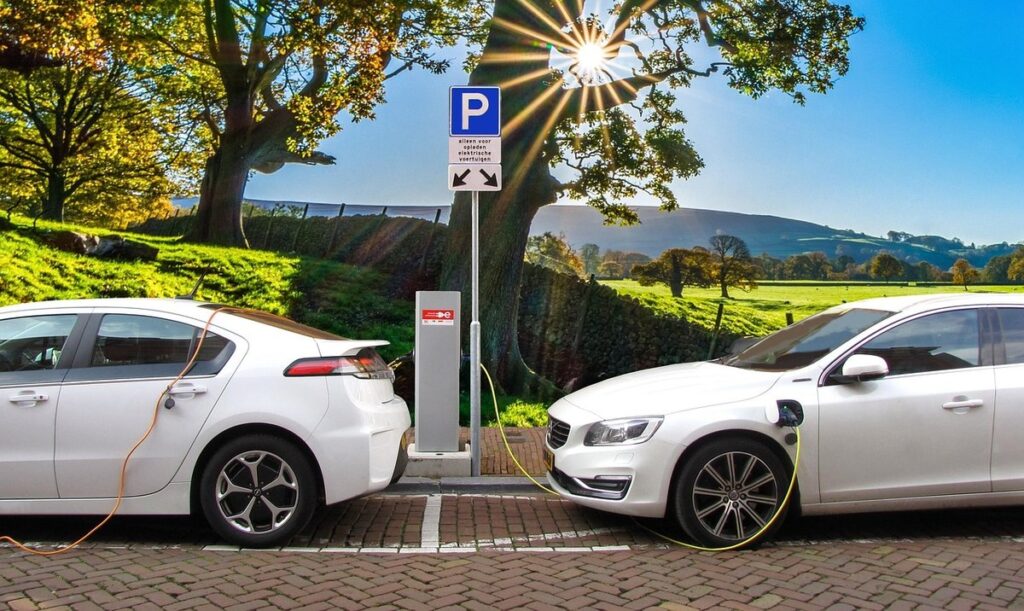
For instance, adopting eco-friendly habits such as using public transport, carpooling, or driving electric vehicles can significantly lower greenhouse gas emissions. Reducing energy consumption at home by switching to LED bulbs, turning off lights, and adjusting thermostat settings also makes a difference. Moreover, choosing sustainable products with minimal packaging, buying in bulk, and composting food waste help reduce the staggering amount of waste that ends up in landfills.
By prioritizing environmental consciousness, we can mitigate the effects of climate change, preserve biodiversity, and ensure the long-term health of our planet. This requires a collective effort from individuals, organizations, and governments to implement policies and practices that promote sustainability. By embracing environmental awareness, we can create a more sustainable future where human well-being is aligned with the health of the environment.
Defining Environmentalism vs. Activism
Environmentalism and activism are often used interchangeably, but they have distinct meanings. Environmentalism focuses on preserving natural systems and promoting sustainability through individual actions and lifestyle choices. It’s about reducing one’s ecological footprint by adopting eco-friendly habits, such as using public transport, recycling, or buying locally sourced products.
Activism, on the other hand, typically involves direct action to challenge policies, laws, or corporations that harm the environment. Activists may organize protests, write letters to policymakers, or participate in boycotts to raise awareness and push for change. While activism is essential for driving systemic change, environmentalism is crucial for creating a ripple effect at the individual level.
To illustrate this distinction, consider the example of reducing energy consumption. An environmentalist might switch to energy-efficient light bulbs and turn off lights when not in use, while an activist might organize a community campaign to persuade local authorities to adopt renewable energy sources or implement stricter building codes. Both approaches are vital for promoting sustainability, but they differ in their focus and scope. By understanding the role of individual actions in environmentalism, we can empower ourselves to make a positive impact on the planet.
The Impact of Human Activities on the Environment
Human activities have a profound impact on our planet, and understanding their effects is crucial for making sustainable lifestyle choices. Let’s examine how our daily actions contribute to environmental degradation and what we can do to mitigate these effects.
Greenhouse Gas Emissions and Climate Change
Human activities are significantly contributing to greenhouse gas emissions, which in turn are driving climate change. The primary causes of these emissions include burning fossil fuels for energy, deforestation, and agriculture. As a result, carbon dioxide levels have increased by about 40% since the Industrial Revolution, leading to a global average temperature rise of over 1°C.
The consequences of climate change are far-reaching and devastating. Rising temperatures cause more frequent natural disasters like hurricanes, droughts, and wildfires, displacing millions of people and disrupting ecosystems. Moreover, melting glaciers and sea-level rise threaten coastal communities and low-lying areas, while altered weather patterns impact agriculture and food security.
To mitigate the effects of climate change, we must reduce our reliance on fossil fuels and transition to renewable energy sources like solar and wind power. Additionally, reforestation efforts can help absorb excess carbon dioxide from the atmosphere. Individuals can contribute by making conscious lifestyle choices, such as using public transport, carpooling, or driving electric vehicles.
Pollution: Sources, Effects, and Prevention Strategies
Pollution from various sources poses significant threats to the environment and human health. Air pollution is a major concern, with emissions from vehicles and industrial activities contributing to respiratory problems and other health issues. Water pollution, often caused by chemical runoff and sewage overflows, can contaminate drinking water and harm aquatic ecosystems.
Land pollution, resulting from improper waste disposal and agricultural activities, leads to soil degradation and loss of biodiversity. The effects of pollution are far-reaching, with long-term consequences including climate change, ecosystem disruption, and decreased quality of life. To mitigate these impacts, individuals can adopt several strategies. Firstly, reducing energy consumption and switching to renewable sources can decrease greenhouse gas emissions.
Practical measures for reducing waste include recycling, composting, and minimizing single-use plastics. Individuals can also choose eco-friendly products and avoid those with harsh chemicals or excessive packaging. Additionally, supporting policies that promote sustainable practices and investing in clean technologies can contribute to a healthier environment.
Sustainable Living Practices for Everyday Life
To live more sustainably, it’s essential to adopt practical habits that minimize your impact on the environment. Let’s explore simple yet effective ways to reduce waste and conserve resources in our daily lives.
Reducing Energy Consumption at Home
Installing energy-efficient lighting is a simple and cost-effective way to reduce energy consumption at home. Replace traditional incandescent bulbs with LED bulbs, which use significantly less power and last longer. For example, replacing just five light bulbs can save around 50 watts of electricity per hour. You can also consider smart lighting systems that adjust their brightness based on the time of day or your location in the house.
Another option is to invest in a programmable thermostat, which allows you to regulate your heating and cooling system remotely using a smartphone app. This can help reduce energy waste when you’re not at home by automatically adjusting the temperature to an energy-saving mode.
In addition to these improvements, consider installing solar panels or investing in a renewable energy source like wind power. Even small-scale solar systems can significantly reduce your reliance on non-renewable energy sources and lower your energy bills over time.
Some smart home devices, such as energy monitors and power strips with built-in timers, can also help you track and manage your energy usage more effectively. By combining these technologies, you can make a tangible impact on reducing your energy consumption and contribute to a more sustainable future for your community.
Eco-Friendly Transportation Options
Cycling and public transportation are excellent eco-friendly alternatives to traditional commuting methods. Not only do they reduce greenhouse gas emissions, but they also promote physical activity and community engagement. For instance, cities like Copenhagen and Amsterdam have invested heavily in bike-friendly infrastructure, making cycling a safe and convenient option for residents.
Electric vehicles (EVs) are another viable alternative, offering reduced emissions and lower operating costs compared to gasoline-powered cars. However, their environmental impact depends on the source of electricity used to charge them. To minimize this, consider charging your EV with renewable energy or investing in solar panels for your home.
Car-sharing services, such as Zipcar or Car2Go, also provide a sustainable alternative to car ownership. By sharing vehicles, you can reduce the number of cars on the road and decrease the environmental impact associated with vehicle manufacturing. To make the most of these services, be sure to choose vehicles with high fuel efficiency ratings and consider offsetting emissions from your personal transportation choices.
Environmental Conservation Efforts
Let’s take a closer look at some of the most effective environmental conservation efforts that you can incorporate into your daily life. From reducing waste to protecting wildlife habitats, there are many ways to make a positive impact.
Individual Actions: Small Steps Towards a Big Impact
Individual actions may seem insignificant compared to large-scale environmental issues, but they collectively contribute to significant positive change. By making conscious choices in daily life, you can reduce your ecological footprint and promote sustainability.
Start by reducing energy consumption at home through simple habits like turning off lights, electronics, and taps when not in use. This can be as easy as replacing traditional light bulbs with LED alternatives or adjusting thermostat settings. For instance, a single degree drop in temperature can save up to 3% of energy consumption.
Another crucial aspect is waste management. Focus on reducing single-use plastics by choosing products with minimal packaging, reusing bags and containers, and recycling whenever possible. You can also adopt the “zero-waste” challenge, where you aim to avoid creating any unnecessary trash for a week or a month.
Consider adopting a plant-based diet, which not only reduces greenhouse gas emissions but also promotes more efficient water use. Try incorporating one meat-free meal per day into your routine and explore local farmers’ markets for fresh produce. By implementing these small changes, you can make a substantial impact on the environment without feeling overwhelmed by grand ambitions.
Community-Based Initiatives for Sustainable Development
Community-driven initiatives play a vital role in fostering environmental stewardship and collective action. Local clean-up events, for instance, bring together individuals from diverse backgrounds to tackle issues like litter, pollution, and waste management. These efforts not only beautify public spaces but also raise awareness about the importance of proper waste disposal.
Eco-groups, another type of community-based initiative, often focus on specific environmental concerns such as conservation, wildlife preservation, or sustainable practices. Members work together to develop projects that promote eco-friendly behaviors and educate the community about environmental issues. By pooling resources and expertise, these groups can achieve more than individuals working alone.
Some successful examples of community-driven initiatives include park restoration programs, beach clean-up events, and urban gardening projects. These efforts not only contribute to environmental conservation but also foster a sense of community and social responsibility among participants. To get involved, consider joining local eco-groups or participating in community events that align with your environmental interests. By doing so, you’ll be contributing to a collective effort towards creating a more sustainable future for everyone.
Green Technologies and Innovations
Green technologies are revolutionizing the way we live, from renewable energy sources to sustainable products that reduce waste. We’ll explore some of these exciting innovations in this next part of our guide.
Renewable Energy Sources: A Growing Reality
Renewable energy sources are increasingly becoming a viable alternative to fossil fuels. Solar power, for instance, has seen significant advancements in technology, making it more efficient and affordable. A typical solar panel can generate enough electricity to power an entire home, with some systems even capable of feeding excess energy back into the grid. The benefits of solar energy are multifaceted: not only does it reduce greenhouse gas emissions, but it also provides energy independence and can help lower utility bills.
Wind power is another prominent renewable energy source. Modern wind turbines are designed to be more efficient and quieter than their predecessors, making them a feasible option for both rural and urban areas. Hydroelectric power, while often associated with large-scale dams, can also be harnessed through smaller, more localized systems that tap into river currents.
A growing number of countries are investing heavily in renewable energy infrastructure, with many setting ambitious targets for clean energy adoption. As the technology improves and costs decrease, it’s becoming increasingly clear that renewable energy sources are a viable path towards a sustainable future.
Sustainable Materials and Products
Eco-friendly materials and products are increasingly becoming a norm in modern industry. Recycled plastics, for instance, are being used to create packaging materials, such as containers and bottles. Bioplastics made from renewable resources like corn starch or sugarcane are also gaining traction. These alternatives to traditional plastics reduce greenhouse gas emissions and minimize waste.
One innovative technology promoting minimalism is 3D printing with biodegradable materials. This method allows for the creation of complex designs while minimizing material usage. Additionally, companies are developing sustainable products using recycled materials. A notable example is clothing made from repurposed plastic bottles or old clothes. These products not only reduce waste but also provide a unique and stylish alternative to fast fashion.
For consumers, making informed choices about eco-friendly products can be challenging due to the lack of clear labeling. Look for certifications like Compostable or Biodegradable Products Institute (BPI) that guarantee the product meets certain environmental standards. Some companies are also adopting transparent supply chains, allowing consumers to track the origin and production process of their products.
The Role of Policy and Governance in Environmental Protection
Effective environmental protection relies heavily on well-designed policies and governance structures, which regulate human activity and promote sustainability. We’ll explore how these systems play a crucial role in safeguarding our planet’s resources.
Government Initiatives and Regulations for Sustainability
Governments worldwide have implemented various initiatives and regulations aimed at mitigating environmental degradation. In the United States, for example, the Environmental Protection Agency (EPA) sets national standards for air and water quality, while the Clean Air Act and the Clean Water Act establish guidelines for industries to reduce emissions and pollution.
In Europe, the European Union’s (EU) climate and energy package sets binding targets for reducing greenhouse gas emissions by 20-40% by 2020. The EU also established a circular economy package aimed at promoting sustainable consumption and production patterns.
Other notable initiatives include the United Nations’ Sustainable Development Goals (SDGs), which address issues such as climate action, life below water, and life on land. Governments can incentivize businesses to adopt sustainable practices through tax breaks or subsidies for renewable energy investments, while also implementing policies like carbon pricing and green bonds to finance environmentally friendly projects.
Some examples of effective regulations include Norway’s ban on single-use plastics, China’s nationwide program to tackle air pollution, and India’s push for electric vehicles. These efforts demonstrate the importance of government-led initiatives in driving environmental protection and sustainability.
Corporate Social Responsibility (CSR) and Sustainability Reporting
Businesses are increasingly expected to prioritize environmental sustainability and social responsibility. Corporate Social Responsibility (CSR) initiatives have become a crucial aspect of corporate governance, enabling companies to demonstrate their commitment to reducing their ecological footprint. Sustainability reporting has emerged as an essential tool for businesses to communicate their CSR efforts and progress towards long-term goals.
Effective CSR strategies involve setting clear targets, measuring performance, and engaging stakeholders. Companies like Patagonia and IKEA have successfully integrated sustainability into their core business models, showcasing the potential benefits of environmentally conscious operations. Best practices in CSR include adopting renewable energy sources, reducing waste through efficient supply chain management, and promoting sustainable consumption.
Industry trends indicate a growing emphasis on transparency and accountability in CSR reporting. The Global Reporting Initiative (GRI) has developed standardized guidelines for sustainability reporting, enabling companies to provide comparable data and assessments. As the demand for environmental responsibility continues to rise, businesses must adapt their CSR strategies to meet evolving stakeholder expectations and regulatory requirements.
Conclusion: Embracing a Sustainable Future
As we near the end of our sustainable living journey together, let’s reflect on what we’ve learned and explore practical ways to integrate these habits into your daily life.
Recapitulating Key Takeaways
As we conclude our exploration of sustainable living practices and environmental consciousness, it’s essential to recapitulate the key takeaways from this guide. By integrating these insights into your daily life, you’ll be well on your way to embracing a more environmentally friendly lifestyle.
One crucial aspect is reducing energy consumption at home through simple actions like switching to LED bulbs, turning off lights when not in use, and adjusting your thermostat. Additionally, consider adopting eco-friendly transportation options such as carpooling, using public transport, or cycling for shorter trips.
Another vital point is the importance of sustainable materials and products in our daily lives. When making purchasing decisions, look for products with minimal packaging, made from recycled materials, or designed for recyclability. You can also support companies that prioritize sustainability by choosing their products over others.
To further reduce your environmental footprint, consider implementing a few key practices:
- Reduce food waste by planning meals and using up leftovers
- Conserve water by fixing leaks and taking shorter showers
- Support local farmers by buying fresh produce from nearby markets
By incorporating these habits into your daily routine, you’ll be making significant strides towards creating a more sustainable future.
Call to Action: Joining the Sustainability Movement
Joining the sustainability movement requires more than just individual actions; it necessitates a collective effort. You can become an integral part of this movement by engaging with local environmental organizations, participating in community events, or volunteering for conservation projects. These initiatives not only raise awareness about pressing environmental issues but also provide opportunities to connect with like-minded individuals who share your passion.
To get started, explore websites and social media platforms dedicated to sustainability, such as the United Nations’ Sustainable Development Goals (SDGs) or the Environmental Protection Agency’s (EPA) Greenversations blog. These resources offer a wealth of information on environmental issues, as well as tips for reducing your ecological footprint. You can also search for local groups focused on sustainability, from park cleanups to community gardens.
For those interested in taking their involvement to the next level, consider pursuing certifications or training programs in sustainable practices, such as permaculture design or renewable energy installation. Many organizations offer online courses and workshops, making it easier than ever to acquire new skills while contributing to a more environmentally conscious world.
Frequently Asked Questions
How can I balance my desire to adopt eco-friendly habits with the financial constraints of implementing new practices?
You can start by making small changes that have a big impact, such as reducing energy consumption or using public transportation. Research local government incentives and tax credits for renewable energy installations and sustainable home improvements. Consider DIY projects or second-hand shopping to save costs.
What if I live in an apartment with no outdoor space – are there still ways to reduce my environmental footprint?
Yes. Focus on indoor eco-friendly practices like reducing energy consumption, conserving water, and using eco-friendly cleaning products. You can also explore community gardens or rooftop green spaces for urban residents. Don’t underestimate the power of individual actions; every small change counts.
Can I use electric vehicles if I live in an area with limited charging infrastructure?
While it’s true that widespread adoption of EVs depends on charging infrastructure, many cities are now investing heavily in this area. Look into local incentives and government initiatives to support EV adoption, such as tax credits or rebates for purchasing EVs. You can also explore alternative modes of transportation like public transport, cycling, or car-sharing services.
How do I choose between different types of renewable energy sources (e.g., solar, wind, hydro) for my home?
Consider your location’s climate and available resources when selecting a renewable energy source. Solar panels are often the most cost-effective option, but if you live in an area with high winds or water abundance, wind turbines or hydroelectric power might be more suitable. Consult local experts to determine which resource is best suited to your needs.
What if I’m unsure about how to measure my carbon footprint and track progress towards reducing it?
Don’t worry – there are many free online tools and apps available to help you calculate and monitor your carbon footprint. Use platforms like the EPA’s Household Carbon Footprint Calculator or TerraPass to get a baseline measurement. Track your energy consumption, water usage, and waste generation over time to see how small changes add up.

