
Social media is meant to connect us, but for many people, it can be a source of stress and anxiety. Cyberbullying, phishing scams, and fake profiles are just a few examples of social media threats that can have serious consequences on our mental health and online presence. If you’re like many users, you’ve likely encountered at least one of these issues firsthand. The problem is particularly concerning for younger generations who spend an increasingly large amount of time online. In this article, we’ll explore the world of social media threats in more depth, covering topics such as cyberbullying and phishing scams. By the end of it, you’ll have a better understanding of how to identify and address these issues, protecting your online presence and mental health from potential harm.
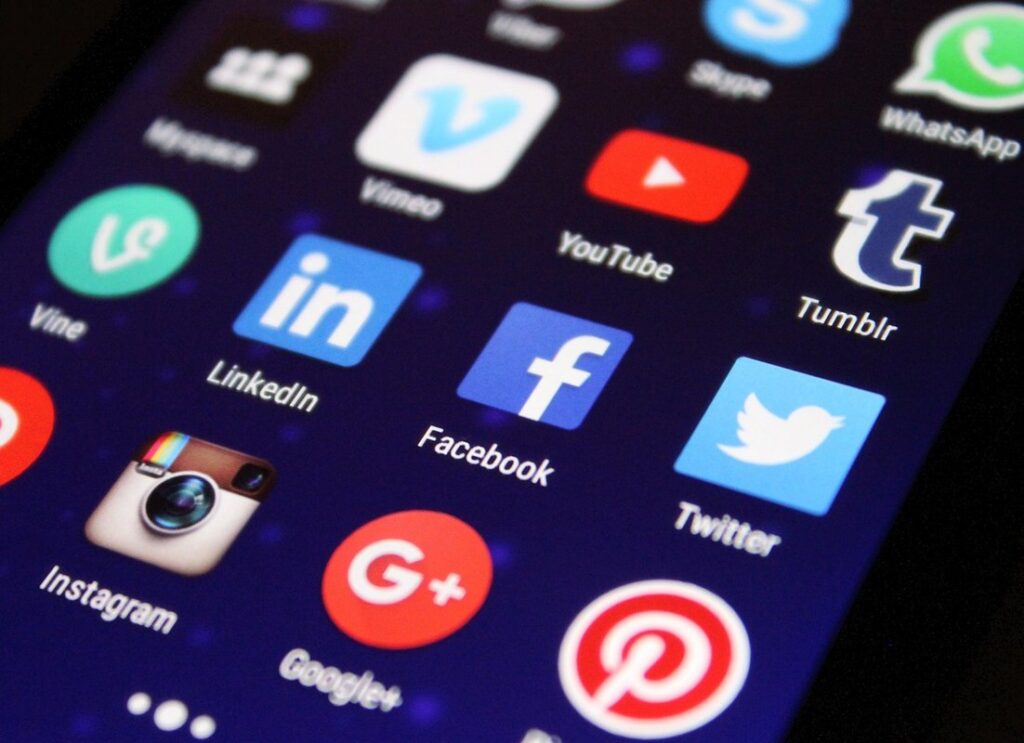
The Growing Concern of Social Media Threats
As we delve into the world of social media threats, it’s essential to understand the various types that can compromise your online security and put you at risk. Let’s examine some common examples.
The Rise of Cyberbullying and Harassment
Cyberbullying and harassment on social media platforms have become increasingly prevalent in recent years. According to a study by the Cyberbullying Research Center, 37% of students reported experiencing cyberbullying in the past year. This can take many forms, including sending threatening or hurtful messages, posting embarrassing or false information about someone, and even engaging in online stalking.
For instance, a 2020 case highlighted the tragic consequences of online harassment when a teenage girl took her own life after being bullied on social media by her peers. The incident sparked widespread outrage and calls for increased action to combat cyberbullying.
The rise of cyberbullying is often linked to the anonymous nature of social media interactions, which can embolden individuals to engage in behavior they would never exhibit in person. Additionally, the permanent nature of online content means that hurtful messages or posts can continue to circulate long after they’ve been sent.
To mitigate this risk, social media platforms have implemented various measures, such as flagging suspicious activity and providing tools for users to report abuse. Users themselves can also take steps to protect themselves by being cautious about who they engage with online, blocking harassing individuals, and reporting any abusive behavior to the relevant authorities.
Types of Online Abuse and Harassment
Online abuse and harassment take many forms, each with its own unique characteristics and potential consequences. Hate speech is a common type of online abuse, often manifesting as derogatory comments or slurs directed at individuals or groups based on their identity, ethnicity, or other protected characteristics. This can be particularly damaging when it occurs in private messages or group chats where victims may feel isolated and powerless to respond.
Doxxing, the practice of publicly sharing a person’s personal information without their consent, is another type of online harassment that can have severe repercussions. Victims of doxxing may face stalking, harassment, or even physical harm as a result of having their private details exposed online.
Revenge porn is yet another form of online abuse, involving the non-consensual distribution of intimate images or videos. This can cause significant emotional distress and damage to a person’s reputation and relationships. To mitigate these risks, it’s essential for social media platforms to have robust policies in place to detect and remove abusive content quickly.
Phishing and Social Engineering Attacks
Phishing and social engineering attacks are stealthy tactics used by hackers to trick you into divulging sensitive information, often through seemingly harmless online interactions. These sneaky threats can catch even the most tech-savvy users off guard.
Understanding Phishing Scams
Phishing scams are a common tactic used by attackers to trick victims into revealing sensitive information. Attackers typically create fake emails, messages, or websites that appear legitimate and mimic trusted brands or institutions. They use various tactics to gain the victim’s trust, such as:
• Urgency: Creating a sense of urgency, stating that an account will be closed or a password reset is required immediately.
• Personalization: Addressing the victim by name or referencing personal information to build credibility.
• Authority: Claiming to be from a legitimate organization or authority figure.
When dealing with phishing scams, it’s essential to examine the email or message carefully. Check for spelling and grammar mistakes, as well-established companies usually have professional communication. Be cautious of generic greetings and suspicious links or attachments. Hover over links to see their destination URL before clicking on them. If you’re unsure about the authenticity of an email or message, contact the company directly through a trusted phone number or verified website.
Identifying and Avoiding Phishing Attempts
When spotting suspicious emails, messages, or links, it’s essential to be cautious and vigilant. One of the most common phishing tactics is using urgency or scarcity to prompt you into taking action quickly. Be wary of emails that claim you must update your account information immediately or risk losing access.
Check the sender’s email address carefully – a slight misspelling or variation on the actual company name can indicate a phishing attempt. Legitimate companies usually use secure protocols for sending emails, such as HTTPS in the URL. If the link is not secured with “https” at the beginning, it may be a phishing attempt.
Be cautious of generic greetings like “Dear user” or “Hello customer.” Reputable companies typically address you by name if they have your information on file. Also, avoid clicking on links from unknown senders, especially those that prompt you to download attachments or enter sensitive information.
Here are some signs that an email or message may be a phishing attempt:
- Urgency or threats of account suspension
- Misspelled company names or URLs
- Generic greetings instead of your actual name
- Requests for sensitive information via insecure links or forms
Fake Accounts and Profile Impersonation
Social media is a breeding ground for fake accounts and profile impersonation, where scammers use stolen identities to deceive and manipulate others. We’ll explore how to recognize and avoid falling prey to these online threats.
The Risks of Fake Social Media Profiles
Fake social media profiles can lead to identity theft, as scammers use stolen photos and personal details to create convincing fake accounts. These profiles often aim to build trust with friends and family by mirroring the victim’s online presence. To exploit this trust, scammers may send targeted phishing messages or requests for money.
Financial scams are another risk associated with fake social media profiles. Scammers might use these profiles to promote get-rich-quick schemes, investment opportunities, or other financially motivated cons. They may also use stolen financial information to make unauthorized transactions.
To protect yourself from these risks, be cautious when receiving friend requests or messages from unknown accounts, especially if they seem familiar but off. Never share sensitive information on social media, and be wary of unsolicited investment offers. If you come across a suspicious profile, report it to the platform immediately.
When checking for fake profiles, look out for inconsistencies in grammar, spelling, or behavior that don’t match the victim’s typical online activity. Be cautious if someone reaches out with an overly friendly or aggressive tone, and never send money to someone you’ve only interacted with online.
Identifying and Reporting Suspicious Profiles
When encountering a suspicious social media profile, it’s essential to verify its authenticity before interacting with it. Start by checking the profile picture and bio for inconsistencies. A legitimate account will have a clear and recognizable photo, while an impostor may use a low-quality or generic image. Be wary of profiles with vague or overly promotional bios.
Next, examine the profile’s connections and engagement patterns. Fake accounts often have few friends or followers, and their interactions may be limited to automated messages or spam. Legitimate users typically engage in meaningful conversations and share relevant content.
To further investigate, review the account’s posting history. Be cautious of profiles with excessive promotional posts, suspicious links, or unexplained changes in behavior. If you suspect a profile is fake, report it to the social media platform immediately. Most platforms have a built-in reporting feature that allows you to flag suspicious accounts for review.
When reporting a suspicious profile, provide as much detail as possible about the account’s activities and inconsistencies. This will help the platform investigate and take action against the fake account.
Social Media Addiction and Mental Health Concerns
Excessive social media use can have severe consequences on mental health, including increased anxiety, depression, and even suicidal thoughts. We’ll explore these alarming trends in this crucial section.
The Impact of Social Media on Mental Health
The constant stream of curated perfection on social media can create unrealistic expectations and promote a sense of inadequacy. Research suggests that exposure to idealized content is linked to increased symptoms of depression, anxiety, and low self-esteem in both adults and adolescents.
Social media’s impact on mental health extends beyond emotional well-being. Studies have found that excessive screen time before bed disrupts sleep patterns, leading to chronic fatigue, mood disturbances, and impaired cognitive function. The blue light emitted from smartphones and tablets suppresses melatonin production, making it difficult for users to fall asleep.
Anxiety disorders are another concerning consequence of social media overuse. The pressure to maintain a constant online presence can lead to feelings of overwhelm, fear of missing out (FOMO), and social anxiety. Cyberbullying, online harassment, and the fear of being hacked or exposed can exacerbate these conditions.
To mitigate the negative effects on mental health, consider implementing screen-free zones and times in your home, such as during meals or before bed. Set boundaries around your social media use by limiting scrolling time, taking regular breaks, and prioritizing offline activities that promote relaxation and stress relief. By acknowledging the risks and taking proactive steps, you can reduce your exposure to online threats and cultivate a healthier relationship with social media.
Strategies for Healthy Social Media Use
Setting boundaries is crucial for maintaining healthy social media use habits. Establish a specific time limit for checking your accounts and stick to it. Consider implementing “no phone zones” in your home, such as the bedroom or dinner table, where you’re not allowed to check your devices. This can help create a buffer between your online and offline life.
Taking breaks from social media is also essential. Try the 30-minute rule: for every 30 minutes spent on social media, take a 10-15 minute break. Use this time to engage in physical activity, read a book, or practice mindfulness. You can also schedule regular digital detoxes, such as a weekend without social media, to give your mind and body a rest.
Engaging in offline activities is vital for maintaining a healthy balance between online and offline life. Join a club, attend events, or volunteer to meet new people and build meaningful relationships. This will help you develop a sense of purpose beyond your online presence. Prioritize face-to-face interactions over screen time, and make an effort to disconnect from social media at least an hour before bedtime to promote better sleep hygiene.
Protecting Personal Data and Online Reputation
As you navigate the online world, protecting your personal data and reputation from cyber threats should be a top priority to ensure your digital safety.
This involves taking proactive measures to safeguard sensitive information and build a positive online presence.
Understanding Data Protection Laws and Regulations
Data protection laws and regulations are increasingly important for individuals and organizations to navigate online. The General Data Protection Regulation (GDPR) sets a high standard for data privacy across the European Union, requiring businesses to be transparent about data collection and usage. Similarly, the California Consumer Privacy Act (CCPA) gives Californian residents control over their personal data, allowing them to request deletion or opt-out of data sharing.
Understanding these regulations is crucial for protecting personal data online. For instance, under GDPR, companies must inform users about what data they collect and how it’s used within a specific timeframe. CCPA takes this further by requiring businesses to provide clear instructions on how consumers can exercise their rights.
To comply with these regulations, businesses should prioritize transparency in data collection and usage. This means being explicit about data sharing agreements and providing clear opt-out options for users. For individuals, being aware of online data collection practices is key to making informed decisions about social media use.
Tips for Maintaining a Positive Online Presence
Managing personal data effectively is crucial to maintaining a positive online presence. Be mindful of how you share personal details on social media platforms. Avoid sharing sensitive information such as addresses, phone numbers, or financial data, and restrict access to your accounts using robust privacy settings.
Regularly monitor online reviews about yourself, especially if you’re a business owner or public figure. Respond promptly to any negative comments or criticism by addressing the issue directly and providing solutions where possible. This shows that you value customer feedback and care about their concerns.
Another key aspect is being proactive in managing your online presence. Set up Google Alerts for your name to stay informed about mentions of yourself across various platforms. Use social media monitoring tools to track keywords related to your brand or identity, and engage with users who mention you to build relationships and resolve any issues that may arise.
By following these best practices, you can maintain a positive online presence while minimizing the risk of reputational damage from social media threats.
Best Practices for Social Media Safety
When interacting online, it’s essential to prioritize your safety and security on social media platforms, which can be vulnerable to various types of threats. This section provides practical advice on how to protect yourself.
Implementing Social Media Policies and Procedures
Organizations must establish clear social media policies to mitigate online risks. A comprehensive policy outlines expectations for employee social media use, including what types of content are acceptable and how to handle interactions with colleagues or customers. This includes guidelines on personal vs. professional profiles, as well as consequences for violating the policy.
When creating a social media policy, consider the following:
- Clearly define what is considered acceptable online behavior
- Establish protocols for reporting suspicious activity or cyberbullying
- Specify consequences for employees who breach the policy
- Provide examples of what is and isn’t allowed on company social media accounts
- Regularly review and update the policy to reflect changing online threats
Additionally, organizations should develop procedures for monitoring and enforcing their social media policies. This may involve designating a team or individual responsible for managing social media accounts, as well as establishing protocols for responding to online incidents.
By implementing effective social media policies and procedures, organizations can reduce the risk of online threats and create a safer digital environment for employees and customers alike.
Educating Users about Online Risks and Threats
Effective education is a crucial component of social media safety. Workshops, training sessions, and awareness campaigns are vital tools for educating users about online risks and threats. These educational efforts should be tailored to different age groups and skill levels to ensure that everyone can understand the importance of online security.
For instance, schools and educational institutions can organize workshops for students on cyberbullying prevention, online harassment recognition, and digital footprints management. Online platforms can also offer training sessions for their users, focusing on topics such as password security, phishing scams, and data protection laws.
Awareness campaigns are another effective way to educate users about online risks. These campaigns can be conducted through social media itself, using engaging content, infographics, and real-life examples to convey the importance of online safety. For example, a campaign could highlight the consequences of sharing personal data or posting sensitive information online.
When designing educational programs, it’s essential to consider the following:
- Use clear and concise language
- Provide practical examples and case studies
- Emphasize the consequences of not being cautious online
- Encourage interactive participation through quizzes, games, or group discussions
Frequently Asked Questions
Can I really stop social media threats by simply being more aware of them?
Yes, awareness is the first step in mitigating online risks, but it’s essential to take concrete actions and implement measures to prevent attacks. This includes setting strong passwords, using two-factor authentication, and regularly monitoring your online presence.
How do I know if a social media account is a fake or not?
Look for inconsistencies in profile information, such as a mismatch between the username and the name on the profile picture. Be cautious of accounts with an unusually high number of followers or engagement in a short period. Also, check the URL of the profile to ensure it matches the expected URL for the platform.
What if I accidentally click on a phishing link or download malware from social media?
Immediately disconnect from the internet and run a virus scan on your device. If you’ve compromised sensitive information, consider contacting the relevant authorities and monitoring your accounts for suspicious activity. To prevent future incidents, enable security software and be cautious when clicking on links.
Can social media addiction lead to long-term mental health problems if left unchecked?
Yes, excessive social media use can contribute to anxiety, depression, and sleep disorders in the long term. It’s crucial to maintain a healthy balance between online and offline activities, setting boundaries such as limiting screen time or taking regular breaks from social media.
Is it necessary for organizations to have specific social media policies for employees?
Yes, implementing social media policies within organizations helps prevent online risks and threats by outlining expected behavior, monitoring employee activity, and addressing potential incidents promptly. This includes guidelines for reporting suspicious activity, using company devices, and maintaining a professional online presence.

