Starting a new art project can be intimidating, especially if you’re just beginning to explore your creativity through painting. You might feel overwhelmed by the number of brushes, paints, and techniques available, making it difficult to know where to start. But with practice and patience, anyone can achieve professional-looking results at home. Painting is a skill that can be developed over time with dedication and the right guidance. This guide will walk you through the essential painting techniques and materials that every beginner needs to get started. From learning how to prepare your surface to mastering basic color theory, we’ll cover everything you need to know to create stunning works of art in the comfort of your own home, perfect for achieving professional-looking results without the hefty price tag or formal training. By the end of this step-by-step guide, you’ll be well on your way to unlocking your artistic potential.
Choosing the Right Paint and Materials
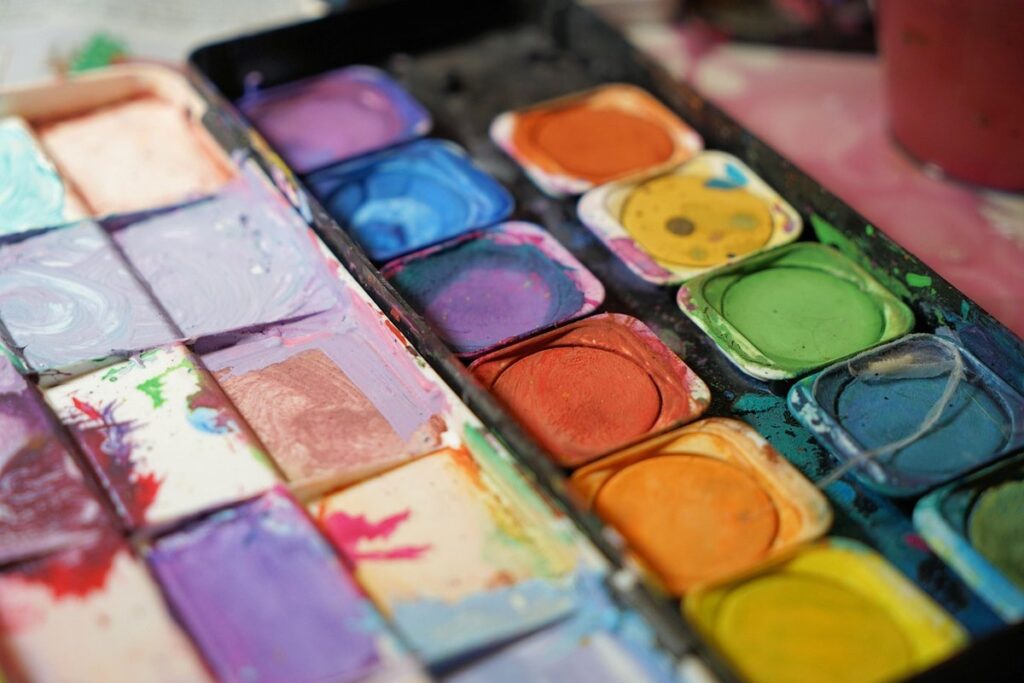
When it comes to painting, selecting the right materials can make all the difference. This is where choosing a suitable paint and other essential tools becomes crucial for your project’s success.
Understanding Paint Types
When it comes to painting, choosing the right type of paint can be overwhelming. There are three main types: latex, oil-based, and acrylic. Latex paint is water-soluble and has low VOCs (volatile organic compounds), making it a popular choice for most interior projects. It dries quickly and cleans up easily with soap and water.
Oil-based paint, on the other hand, takes longer to dry and requires mineral spirits or turpentine for clean-up. However, it provides a hard, durable finish that’s ideal for trim work, furniture, and floors. Acrylic paint is a versatile option that can be used on various surfaces, including wood, metal, and fabric.
To choose the right type of paint, consider your project’s specific needs. For example, if you’re painting a room with high humidity or moisture, latex paint is a better choice due to its water-resistance. If you’re working with trim or furniture that requires a hard finish, oil-based paint might be the way to go. Acrylic paint is suitable for most DIY projects where durability isn’t a top concern.
In general, beginners should start with latex paint, as it’s easier to work with and clean up. However, if you’re looking for a specific finish or working on a project that requires more protection, consider the characteristics of oil-based or acrylic paint before making your decision.
Selecting Brushes and Tools
When selecting brushes and tools, it’s essential to focus on quality and durability. Cheap or low-quality brushes can leave uneven strokes and uneven coverage, making them difficult to work with. Look for brushes made from natural fibers like sable or synthetic fibers that mimic the feel of natural hair. When choosing rollers, consider the nap length: longer naps are best for textured surfaces, while shorter naps work better on smooth surfaces.
A good-quality paint tray is also crucial. It should have a sturdy design and a lip to prevent paint from spilling over. Some paint trays come with adjustable handles that make it easier to carry them around. For smaller projects or details work, consider using a set of detail brushes in various sizes. These are typically shorter than regular brushes but have finer tips for precision.
When selecting tools, also think about the type of paint you’re working with. Water-based paints require water-dampened cloths or rollers, while oil-based paints need solvents like mineral spirits or turpentine. It’s also a good idea to invest in a paint tray liner or a disposable palette to prevent paint from drying on the surface and making it difficult to clean up later.
Preparing Your Workspace
When painting, it’s essential to create a safe and comfortable workspace. This involves protecting your floors, furniture, and surrounding areas from paint spills and splatters. Start by covering any surfaces you don’t want to get painted with drop cloths or tarps. For large rooms, consider using plastic sheets or old bedsheets to cover the floor. Secure these covers with tape or weights to prevent them from slipping.
Next, remove any breakable items or fragile decorations from the room, and consider moving furniture away from walls to give yourself more space to paint. If this isn’t possible, use tarps or drop cloths to protect furniture surfaces. Ensure good ventilation in the room by opening windows or using a fan. This will help prevent fumes from building up and improve air quality.
Finally, lay down a protective barrier on your work surface, such as a tablecloth or old sheeting. This will make cleanup easier and prevent paint from seeping into your tools or surfaces. Keep rags, cleaning products, and other supplies within easy reach to minimize trips back and forth between the painting area and any storage spaces.
Understanding Color Theory and Palette Selection
Understanding color theory is crucial for creating visually appealing paintings, so let’s break down the basics of how colors interact with each other. By mastering color relationships, you’ll be able to craft harmonious palettes that elevate your artwork.
Introduction to Color Theory
Color theory is the foundation of creating visually appealing and harmonious paintings. To start, you need to understand the basics: the color wheel, primary colors, and secondary colors. The color wheel is a circular diagram that shows how colors are related to each other. It’s divided into primary colors (red, yellow, and blue), which can’t be created by mixing other colors together. Secondary colors, on the other hand, are made by mixing two primary colors: green (blue + yellow), orange (red + yellow), and purple (blue + red).
When creating a color scheme, you’ll want to consider how these colors interact with each other. For example, complementary colors (like blue and orange) create contrast, while analogous colors (like blue, green, and yellow-green) produce a smooth transition. Warm colors like red and orange evoke feelings of energy and warmth, while cool colors like blue and green can be calming.
To get started with color theory, it’s helpful to memorize the primary and secondary colors. You can also practice creating simple color schemes using the color wheel as a guide. For instance, choose a dominant color and then select two or three harmonious colors that work well together. This will help you develop your eye for color and create more effective paintings.
Selecting a Paint Color
When selecting a paint color, start by gathering color samples from various brands and types of paints. This will give you a better sense of how the color will look on different surfaces and under different lighting conditions. Consider the natural light in the room, as well as the colors of nearby furniture and decor.
For small projects or test areas, use paint swatches or sample pots to apply the color directly to the surface. This will help you see how the color interacts with the surrounding environment. When testing colors, pay attention to how they change at different times of day and in various lighting conditions.
If you’re painting over a dark or bold-colored wall, choose a lighter color to create contrast and visual interest. Conversely, if you’re working with a light-colored surface, a deeper or richer hue can add depth and sophistication. Consider the 60-30-10 rule: use one dominant color for 60% of the room, a secondary color for 30%, and an accent color for 10%. This will create a balanced and harmonious visual effect.
Creating a Color Palette
When creating a color palette, consider the 60-30-10 rule: allocate 60% of the space to a dominant color, use secondary colors for 30%, and reserve 10% for accent hues. This balance ensures harmony without overwhelming the viewer. Dominant colors are often the main subject or background, while secondary colors add depth and interest.
To create contrast, select colors with varying lightness values: warm tones like orange and red against cool tones like blue and green. Avoid placing similar hues side by side, as this can lead to visual fatigue. Instead, place analogous colors next to each other – those that share a common hue but differ in saturation or brightness.
Complementary colors are directly across from each other on the color wheel: think blue and orange, red and green, or yellow and purple. These pairs create high contrast and can make each other appear brighter. Use them sparingly to add visual punch, but be cautious not to overwhelm the composition.
Remember that color preferences are subjective; consider your personal taste when selecting colors. If unsure, start with a limited palette – three to four colors – and experiment with variations before committing to a final selection.
Preparing Your Surface
Before you start painting, make sure to prepare your surface properly by cleaning and sanding it to create a smooth finish that will help your paint adhere evenly. This step is crucial for a professional-looking result.
Cleaning and Sanding
Before you start painting, it’s essential to prepare your surface by cleaning and sanding. This step may seem tedious, but it ensures a smooth finish and prevents paint from peeling off prematurely.
Start by removing any dust, dirt, or grease from the walls, ceilings, and trim using a mild detergent and warm water. A soft-bristled brush or a lint-free cloth is ideal for this task. Pay particular attention to areas around switches, outlets, and windowsills where grime tends to accumulate.
Once your surface is clean, it’s time to sand. Use a fine-grit sandpaper (220-240) for smooth surfaces like walls and ceilings. For trim and other woodwork, use a coarser grit (120-150). Sand in the direction of the wood grain to avoid scratching the surface. Dust thoroughly after sanding to prevent particles from getting trapped in the paint.
Remember to wear a dust mask when sanding to protect yourself from inhaling dust particles. If you’re working on a textured surface, use a putty knife or a scraper to fill in any imperfections before sanding.
Fixing Holes and Cracks
When it comes to filling holes and cracks on a surface, you’ll need a specialized filler material. Spackling or joint compound are common choices for this task. Apply a small amount of spackling to the hole or crack using a putty knife, spreading it evenly into the affected area. Hold the knife at a 45-degree angle to ensure the filler flows into the crevice.
Allow the filler to dry completely according to the manufacturer’s instructions, which is typically anywhere from 30 minutes to an hour depending on the product and ambient temperature. Once dry, use fine-grit sandpaper to smooth out the area, feathering it out towards the surrounding surface for a seamless finish. It’s essential to sand in a circular motion, working your way through progressively finer grits until you achieve a smooth surface.
A key consideration is to use the right amount of filler – too little may not adequately fill the gap, while too much can create an uneven surface. To avoid this, apply thin layers, allowing each layer to dry before adding more. This will also help prevent over-saturation and subsequent cracking or peeling when painted.
Taping and Masking
To protect areas you don’t want to paint, such as trim and baseboards, use painter’s tape. This adhesive-backed tape comes in various widths and is available at most hardware stores or home improvement centers. Apply the tape carefully, pressing it firmly onto the surface to ensure a seal. For smooth surfaces like trim and moldings, apply tape with a 45-degree angle to prevent paint from seeping underneath.
You can also use masking film for more intricate areas. This thin, transparent plastic sheet is flexible and easy to apply around edges and corners. Apply it directly to the surface or use a brush to create a seal along the edges. When using either painter’s tape or masking film, make sure to smooth out any air bubbles that form during application.
To ensure a clean removal of the tape or film after painting, apply a thin layer of painter’s glue or masking fluid along the edges before applying the protective covering. This helps prevent paint from seeping underneath and makes removal easier. When removing the tape or film, do so slowly and carefully to avoid pulling off any surrounding paint.
Painting Techniques and Application
Now that you have a solid understanding of basic painting tools, let’s focus on mastering various techniques to achieve professional-looking results. We’ll cover essential methods like layering, blending, and texture application.
Basic Brushstrokes
When working with brushes, it’s essential to understand the different types of strokes and how to use them effectively. There are three primary brush types: flat, round, and filbert. Flat brushes have a wide, flat head and are ideal for applying broad strokes and covering large areas. Round brushes have a circular shape and are best suited for detail work and creating smooth curves. Filbert brushes combine the features of flat and round brushes, making them versatile for both broad strokes and detailed work.
To maintain your brushes’ quality, it’s crucial to clean and store them properly. After each use, gently wash your brushes with soap and water, then shape them back to their original form while they’re still damp. Store your brushes in a dry place, away from direct sunlight, to prevent warping or damage.
Some common mistakes to avoid when working with brushes include applying too much pressure, which can cause strokes to become uneven and messy. Additionally, using the wrong brush type for the job can lead to subpar results. By understanding the basics of brushstrokes and taking proper care of your tools, you’ll be well on your way to creating professional-looking paintings.
Rolling and Texturing
When using a roller to paint large surfaces, it’s essential to choose the right extension pole and nap length. A sturdy extension pole will allow you to reach high areas without straining, while a longer nap length can help cover more surface area with each pass. However, be aware that too long of a nap can leave behind excess texture. Typically, a 1/2-inch or 3/4-inch nap is suitable for most painting projects.
To apply even coats with a roller, start by loading the roller with paint and working in sections. Use a “W” or “M” pattern to cover the surface evenly, and avoid overloading the roller, which can cause drips and unevenness. It’s also crucial to maintain a consistent painting height to prevent streaks.
To create texture with joint compound or spackling, use a putty knife to apply a thin layer, usually around 1/4 inch thick. Then, use a textured roller to spread the compound evenly. Be cautious not to over-texturize, as this can lead to an uneven finish. Experimenting with different nap lengths and application techniques will help you achieve the desired texture for your painting project.
Specialized Techniques
When it comes to achieving professional-looking results, specialized techniques can elevate your painting game. Stenciling is a great way to add intricate designs and patterns to your walls without much fuss. To prepare for stenciling, make sure your surface is clean and dry, then apply a thin layer of adhesive to the stencil using a foam brush or sponge.
Stamping involves using textured stamps or rollers to create unique patterns on your wall. You can use either pre-made designs or create your own custom stamps with a kitchen masher or household items like sponges or rags. To achieve the best results, stamp in a gentle, even motion and apply minimal pressure.
Faux finishing techniques mimic the look of natural materials like wood or stone. To create a faux finish, start by applying a base coat to your wall, then use a specialized tool or brush to create texture and pattern. Some common faux finishes include ragging, which uses a lint-free cloth to create a textured look, and sponging, which applies paint with a sponge to achieve a stone-like effect.
To master these techniques, practice on a small area first to get the hang of it. You can also experiment with different materials and tools to develop your own unique style.
Common Mistakes to Avoid
To get the best results from your first painting projects, it’s essential to steer clear of common mistakes that can be frustrating and costly to correct. Many beginners fall into these pitfalls unknowingly.
Error Prevention Checklist
When preparing to paint, it’s easy to overlook crucial steps. To avoid common mistakes, refer to this error prevention checklist:
Make sure you have a clean and dry surface: Remove all furniture, cover floors and walls with drop cloths or plastic sheets, and wipe down the area with a damp cloth.
Choose the right paint for the job: Select a paint suitable for your surface type (latex for most interior surfaces, oil-based for trim work), consider the finish you want (matte, semi-gloss, etc.), and check the color consistency by painting a small test patch first.
Don’t skimp on preparation: Lightly sand any rough spots to create a smooth surface. Fix holes and cracks with spackling compound or joint filler before applying primer.
Check your tools and materials regularly: Ensure brushes are clean and dry between coats, use a paint tray with a grid to prevent drips, and always read the manufacturer’s instructions for new products.
When painting, maintain even strokes: Work from top to bottom to avoid drips on lower sections. Don’t overload your brush – it will only lead to uneven application and potential drips.
Troubleshooting Tips
When you notice uneven finishes, streaks, or color inconsistencies during painting, it’s essential to address these issues promptly. Here are some troubleshooting tips to get your project back on track.
For uneven finishes, check if the paint is still wet. If so, use a clean brush to feather out the edges and blend the colors together. If the paint has dried, consider applying a second coat to achieve an even finish.
To eliminate streaks, inspect your brushes for signs of wear or damage. Replace them if necessary, as worn-out brushes can cause uneven marks on the surface. Next, try using a brush with synthetic bristles, which are less prone to leaving streaks than natural bristles.
For color inconsistencies, verify that you’re using the same paint brand and type throughout the project. Additionally, check your mixing ratio to ensure it’s correct. If the problem persists, consider repainting the entire area or touch-ups in small sections.
Here are some specific things to look for:
- Check your roller nap length: A longer nap can cause texture buildup, leading to uneven finishes.
- Ensure proper surface preparation: Failing to sand or prime surfaces can result in poor paint adhesion and color consistency issues.
- Monitor temperature and humidity levels: Extreme conditions can affect paint drying times and performance.
Final Touches and Cleanup
Now that you’ve applied paint, let’s focus on adding a professional finish by blending edges and cleaning up tools and supplies. This final step ensures your artwork looks polished and complete.
Applying a Second Coat
When applying a second coat of paint, it’s essential to wait for the right amount of time. As a general rule, you should let the first coat dry completely before adding more paint. This can take anywhere from 30 minutes to several hours, depending on the type of paint and environmental conditions. It’s also crucial not to overpaint – applying too much paint at once can lead to an uneven finish and potentially ruin the surface.
To determine if a second coat is necessary, inspect the first coat for any visible brushstrokes or patches. If it still appears streaky or uneven, you’ll need another layer. However, be cautious not to apply too many coats, as this can cause the paint to build up and create an unwanted texture.
A good rule of thumb is to check the manufacturer’s instructions for recommended drying times and application guidelines. Some paints may require a specific waiting period before applying a second coat, so make sure to follow these recommendations. Additionally, consider factors like humidity and temperature, as these can affect paint drying times. By taking your time and following the right procedures, you’ll achieve an even, professional-looking finish with your painting project.
Cleaning Up
Properly cleaning your brushes and equipment after painting is crucial to maintaining their quality and extending their lifespan. Start by washing off any excess paint with soap and warm water. For oil-based paints, use a solvent like mineral spirits or turpentine to dissolve the paint. For latex-based paints, simply use soap and water.
Remove any remaining paint residue from your brushes using a brush cleaner or a mixture of equal parts water and white vinegar. Gently massage the bristles with your fingers or a soft-bristled toothbrush to work out the paint. Rinse thoroughly with warm water until all soap is removed. Repeat if necessary, then shape the brushes back to their original form.
To clean rollers and extension poles, wash them with soap and warm water. Use a soft-bristled brush to scrub away any stubborn paint residue. For tough stains, mix baking soda and water to create a paste, apply it to the affected area, and let it sit for 15-30 minutes before rinsing.
Finally, clean your workspace by disposing of any rags or paper towels used during painting, and wash any surfaces with soap and water. This will prevent paint from drying on the surface and make cleanup easier next time.
Frequently Asked Questions
Can I Use Leftover Paint from Another Project?
Yes, it’s generally safe to use leftover paint for another project, but make sure the original paint is still fresh and hasn’t been contaminated with dust or debris. Check the color and consistency before applying it to your new surface.
What if My Second Coat Still Looks Uneven?
Don’t worry! Uneven coats can happen even after a second coat. Try letting the first coat dry completely, then lightly sanding the surface before applying the second coat. This should help achieve an even finish.
How Do I Clean Up Oil-Based Paints?
Oil-based paints require special care when cleaning up. Use mineral spirits or turpentine to clean your brushes and rollers, but make sure to work in a well-ventilated area and avoid getting these solvents on skin or surfaces.
Can I Mix Different Types of Paint for a Unique Color?
While it’s technically possible to mix different types of paint, the results can be unpredictable. Latex and oil-based paints have different binders that may not combine well, so it’s generally best to stick with one type of paint throughout your project.
How Long Does It Take for Paint to Dry Between Coats?
The drying time between coats depends on factors like temperature, humidity, and the specific paint you’re using. As a general rule, wait at least 2-4 hours between coats, but always follow the manufacturer’s instructions for the specific product you’re using.