
We spend most of our days indoors, surrounded by screens and concrete, but deep down we know that something is missing. Our bodies and minds yearn for connection with the natural world, and research shows that this instinct is more than just a nostalgic dream – it’s a vital need. Humans have an innate drive to reconnect with nature, not just for our own well-being, but also to reduce our impact on the environment.
Studies have shown that spending time in nature has a profound effect on both physical and mental health, from reducing stress levels and anxiety to improving sleep quality and boosting immunity. Yet despite these benefits, many of us find it increasingly difficult to disconnect from technology and reconnect with the world around us. In this article, you’ll learn about the science behind our need for nature and discover practical ways to incorporate more green time into your daily routine, leading to improved mental and physical health, as well as a reduced environmental impact by the end of reading.
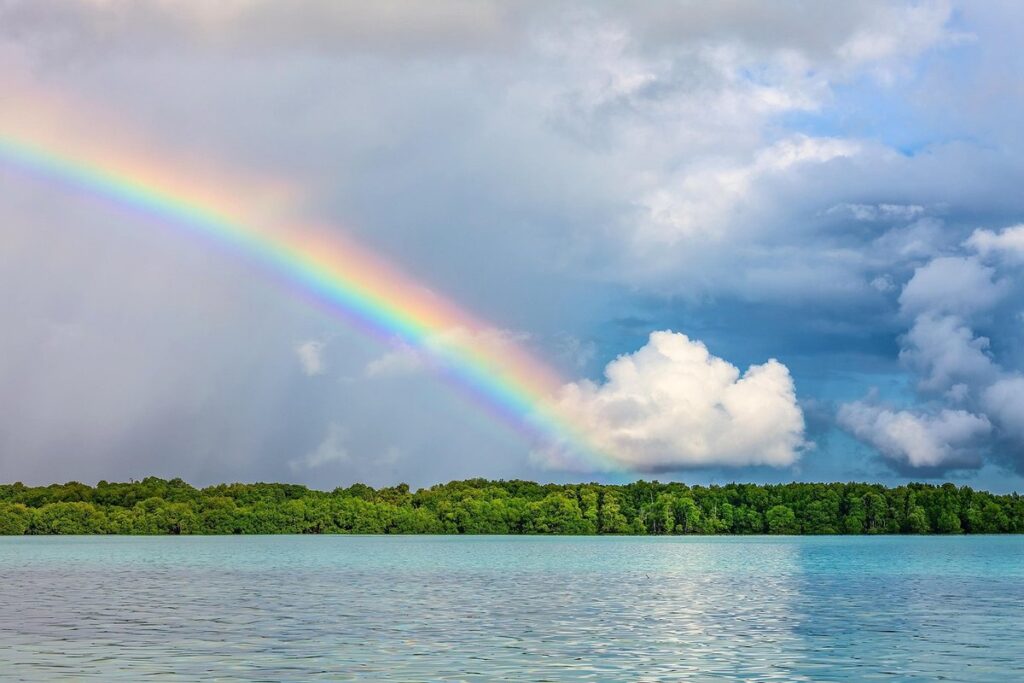
The Importance of Connecting with Nature
Spending time outdoors can have a profound impact on both our mental and physical well-being, leading to increased energy and reduced stress levels. By reconnecting with nature, you’ll begin to notice these benefits in your daily life.
Why Humans Need Nature
Humans have an innate need for connection with nature. This is supported by numerous scientific studies that demonstrate improved mental and physical health when we spend time outdoors. Research has shown that exposure to natural environments can reduce symptoms of anxiety and depression, improve sleep quality, and even lower blood pressure.
For example, a study published in the Journal of Environmental Psychology found that people who spent at least 30 minutes per day outside experienced significant reductions in stress levels compared to those who spent less time outdoors. Similarly, studies have shown that children who spend more time in nature tend to have healthier weights and are less likely to develop myopia.
The science is clear: humans need nature to thrive. By prioritizing time spent outdoors, we can improve our physical health, reduce stress, and even boost our mood. So, make a conscious effort to take a walk in the park during your lunch break, go for a hike on the weekends, or simply spend some quiet time in your backyard. By reconnecting with nature, you’ll be taking an important step towards achieving a more balanced life.
Signs You’re Out of Balance with Nature
Anxiety, depression, and fatigue are all common signs of being out of balance with nature. You might be surprised to learn that these modern afflictions have deep roots in our collective disconnection from the natural world. Research has shown a strong link between exposure to green spaces and reduced symptoms of anxiety and depression.
For many people, this disconnection manifests as a perpetual feeling of exhaustion, despite getting adequate rest. This is not just a result of poor sleep habits or lack of exercise; it’s often a direct response to our surroundings. A study found that individuals who spent time in parks and gardens had significantly lower cortisol levels than those who spent the same amount of time in urban environments.
One way to reconnect with nature and mitigate these symptoms is to incorporate green spaces into your daily routine. This can be as simple as taking a short walk outside during lunch or spending 10 minutes each morning gazing out a window. By doing so, you’ll begin to re-establish a vital link between your body and the natural world, setting the stage for greater balance and well-being.
Understanding Our Relationship with Nature
Our relationship with nature is often at odds with our fast-paced lifestyles, but understanding where we fit into the natural world is key to reconnecting. This requires a shift in perspective and a willingness to let go of some common misconceptions about our place on Earth.
The Concept of Biophilia
The concept of biophilia suggests that humans have an innate affinity for nature. This idea has been present in various cultures and historical periods. For instance, ancient Greeks like Theophrastus wrote about people’s love for trees and plants. Similarly, the 18th-century German philosopher Alexander von Humboldt noted the calming effects of being in nature.
Historically, biophilia was often seen as a moral virtue. In ancient Greece, it was considered essential to cultivate love for nature as a way to develop virtues like compassion and self-control. Conversely, neglecting one’s connection with nature was viewed as a sign of moral decay. Today, biophilia is recognized as a key component of human well-being.
To reconnect with this aspect of ourselves, try taking short walks in nearby parks or forests. Pay attention to the sights, sounds, and smells around you. Notice how your body responds to being outdoors. Take time to appreciate the beauty of nature without feeling obligated to be productive or accomplished.
How Modern Society Affects Our Connection to Nature
Urbanization has led to a significant shift away from rural living and towards urban environments. Cities often lack green spaces, making it difficult for people to interact with nature on a daily basis. Even in cities with parks and gardens, the design often prioritizes human recreation over natural habitats.
The rise of technology has also contributed to our disconnection from nature. We spend more time staring at screens than engaging with the outdoors. This can lead to a sense of disorientation and detachment from the natural world. For example, research has shown that people who live in areas with high levels of light pollution tend to have reduced melatonin production, making it harder to fall asleep and potentially leading to sleep disorders.
Additionally, our food system has become increasingly industrialized, making it difficult for us to connect with the land and the process of growing our own food. This can be addressed by incorporating small-scale gardening or urban farming into daily life. By taking steps to reconnect with nature, such as spending time in green spaces, reducing screen time, and engaging with local food systems, we can begin to rebalance our relationship with the natural world.
Practical Ways to Reconnect with Nature
Getting outdoors and engaging with nature is easier than you think, and it’s a simple yet powerful way to recharge your batteries and feel more grounded. Let’s explore some practical ways to make that happen.
Simple Outdoor Activities for Beginners
Getting started with reconnecting with nature doesn’t have to be intimidating. Simple outdoor activities can lay the groundwork for a deeper connection with the natural world. One of the easiest ways to begin is by taking a walk in a nearby park or along a trail. This allows you to slow down and observe your surroundings, taking note of the sights, sounds, and smells.
Gardening is another accessible activity that lets you work directly with nature. Start with a small herb garden or a few easy-to-grow plants like tomatoes or zucchini. As you tend to your garden, you’ll develop a sense of responsibility for nurturing life outside yourself. Even spending time in a park can be beneficial – sit on a bench and watch children play, listen to birds singing, or simply observe the way light filters through trees.
When engaging with these activities, remember that it’s not about achieving some kind of spiritual enlightenment; it’s about cultivating awareness and appreciation for the natural world. Don’t worry if you don’t feel an immediate sense of connection – just being present in nature can be a powerful starting point.
More In-Depth Ways to Connect with Nature
Camping under starry skies can be a transformative experience. It encourages you to slow down and tune into the world around you. By spending time immersed in nature, you begin to notice subtle details – like the sounds of nocturnal creatures or the scent of damp earth.
Hiking can also foster a deeper connection with nature. When you’re on foot, you’re more likely to notice changes in your surroundings, such as the shift from deciduous to evergreen trees or the blooming of wildflowers. This increased awareness helps you appreciate the natural world’s rhythms and cycles.
Wildlife watching is another way to deepen your bond with nature. Observe a bird building its nest, for example, and you’ll gain insight into the intricate relationships within an ecosystem. Take note of the types of plants that attract certain species or how different environments support unique wildlife populations. By paying attention to these connections, you can develop a more nuanced understanding of the natural world and your place within it.
Mindfulness and Meditation in Nature
As you reconnect with nature, cultivating mindfulness and meditation practices amidst breathtaking scenery can be a game-changer for your mental well-being. This next chapter explores how to incorporate these habits into your outdoor excursions.
The Benefits of Mindful Nature Connection
When we immerse ourselves in nature, our minds begin to quiet and our senses come alive. Studies have shown that spending just 20 minutes in a park or forest can reduce cortisol levels by up to 12%. This decrease in stress is linked to a boost in mood and overall sense of well-being.
Mindful nature connection also increases self-awareness, allowing us to tune into our thoughts, emotions, and physical sensations. By paying attention to the present moment, we develop a greater understanding of ourselves and our place within the natural world. This heightened awareness can lead to improved relationships with others, as we become more attuned to their needs and feelings.
Practicing meditation in nature further deepens this connection. Find a quiet spot, sit comfortably, and focus on your breath. Pay attention to the sensation of your feet touching the earth, or the sounds of birds singing around you. Allow yourself to fully engage with the present moment, letting go of distractions and worries. Regular mindfulness practice in nature can have a profound impact on both physical and mental health, fostering resilience and calm amidst life’s chaos.
Tips for Incorporating Mindfulness into Your Outdoor Routine
Paying attention to sensory experiences can be as simple as noticing the sensation of your feet touching the earth. Take a few moments to feel the texture of the ground beneath you, the weight of your body distributed evenly on both feet. Bring this awareness into your walk by paying attention to the sensation of each step.
You might also set intentions before heading outdoors. Ask yourself what you hope to experience or let go of during your time in nature. Is it a desire to quiet your mind or connect with a specific aspect of the natural world? Setting an intention can help you cultivate a mindful state and deepen your connection to the environment around you.
For example, try setting an intention to notice the sounds of the forest, allowing yourself to fully immerse in the symphony of birdsong and rustling leaves. Alternatively, bring a sense of gratitude by setting an intention to notice and appreciate the beauty that surrounds you.
Building a Sustainable Lifestyle
As you work towards reconnecting with nature, building a sustainable lifestyle is essential for creating lasting change. This involves making intentional choices to reduce your impact on the environment and live more in harmony with the natural world.
Reducing Our Environmental Impact
Reducing our environmental impact is an essential aspect of reconnecting with nature. When we harm the planet, we inevitably harm ourselves and future generations. By making conscious choices in our daily lives, we can significantly reduce our ecological footprint.
Using public transport, cycling, or walking instead of driving not only reduces air pollution but also gives us a chance to observe our surroundings. For instance, taking a bus ride through the city allows you to notice the different types of trees and their seasonal changes, whereas driving often confines us to our vehicles. Similarly, reducing energy consumption by turning off lights, electronics, and taps when not in use can significantly lower your carbon footprint.
Recycling is another crucial habit to develop. It’s astonishing how much waste we generate daily, from plastic water bottles to newspaper pages. By recycling these items, you’re contributing to the conservation of natural resources and reducing landfill waste. A simple yet effective way to begin this practice is by setting up a recycling bin in your home and separating recyclable materials from non-recyclables.
Community Involvement and Activism
Community involvement and activism play a vital role in promoting environmental conservation and sustainability. One way to get involved is by joining local organizations focused on protecting and preserving natural areas, such as parks, wildlife refuges, or community gardens. These groups often rely on volunteers for tasks like clean-up events, habitat restoration, and educational programs.
For example, the National Park Service offers volunteer opportunities in many national parks across the country, allowing individuals to contribute to conservation efforts while enjoying nature. Similarly, local non-profits may organize tree planting initiatives, beach cleanups, or community composting programs that need volunteers.
When selecting a cause to support, consider what aspect of environmental conservation resonates with you most – whether it’s protecting wildlife habitats, promoting sustainable agriculture, or advocating for climate policy changes. Look for opportunities to get involved in your community by attending local events, following environmental organizations on social media, and connecting with like-minded individuals through online forums or meetups. By taking action at the local level, you can make a meaningful contribution to preserving the natural world and promoting sustainability in your community.
Conclusion: Embracing a More Natural Balance
As we conclude our journey of reconnecting with nature, it’s essential to acknowledge that finding balance is not a destination but a continuous process. By incorporating natural elements into our daily lives, we’ve learned to appreciate the simple things and let go of unnecessary stress. To maintain this balance, try setting aside time each day for activities like walking barefoot or simply sitting in a park. These small moments can help calm your mind and reconnect you with the world around you. By prioritizing nature’s influence, you’ll find yourself better equipped to handle life’s challenges and make more informed decisions that align with your values. This renewed sense of balance will have a positive impact on all areas of your life, from relationships to work and overall well-being.
Frequently Asked Questions
Can I reconnect with nature even if I live in an urban area?
Yes, you can still reconnect with nature in an urban setting by finding local parks or green spaces and incorporating small outdoor activities into your daily routine, such as taking a short walk or sitting in a garden. Even 10-15 minutes of exposure to natural environments can have positive effects on mental health.
How do I balance my need for social connection with the desire to spend time in nature?
It’s not an either-or situation; you can find ways to connect with others while still spending time outdoors. Consider joining a park clean-up event, inviting friends to join you for a hike or walk, or participating in group outdoor activities like yoga or birdwatching.
What if I have physical limitations that prevent me from engaging in traditional outdoor activities? Are there any alternatives?
Yes, there are many ways to connect with nature without having to engage in strenuous physical activity. For example, you can start a small indoor garden, observe birds or insects through a window, or practice mindfulness exercises while sitting in a peaceful outdoor spot.
Can reconnecting with nature be beneficial for people who have experienced trauma?
Yes, reconnecting with nature has been shown to have therapeutic benefits for individuals who have experienced trauma. Being in natural environments can help reduce symptoms of anxiety and depression, promote relaxation, and increase feelings of calm and well-being. However, it’s essential to approach outdoor activities slowly and at your own pace, especially if you’ve experienced trauma.
How do I know if my efforts to reconnect with nature are actually making a positive impact on my life?
Pay attention to how you feel after spending time outdoors. Do you notice a reduction in stress levels or an increase in energy? Are you sleeping better or feeling more focused and alert? If so, it’s likely that your efforts to reconnect with nature are having a positive effect on your well-being.

