
Making perfect egg custard from scratch can be a daunting task, but with a few simple techniques and high-quality ingredients, you’ll be on your way to silky-smooth desserts in no time. Many people are intimidated by the thought of making custard from scratch because it requires precision and patience, but the end result is well worth the effort. Not only does homemade egg custard taste superior to store-bought versions, but it also allows you to experiment with various flavors and ingredients to create unique desserts. In this guide, we’ll walk you through the process of making perfect egg custard from scratch, covering everything from selecting the right ingredients to mastering the technique of cooking a silky-smooth custard. By the time you finish reading, you’ll be able to make delicious egg custard at home with ease.
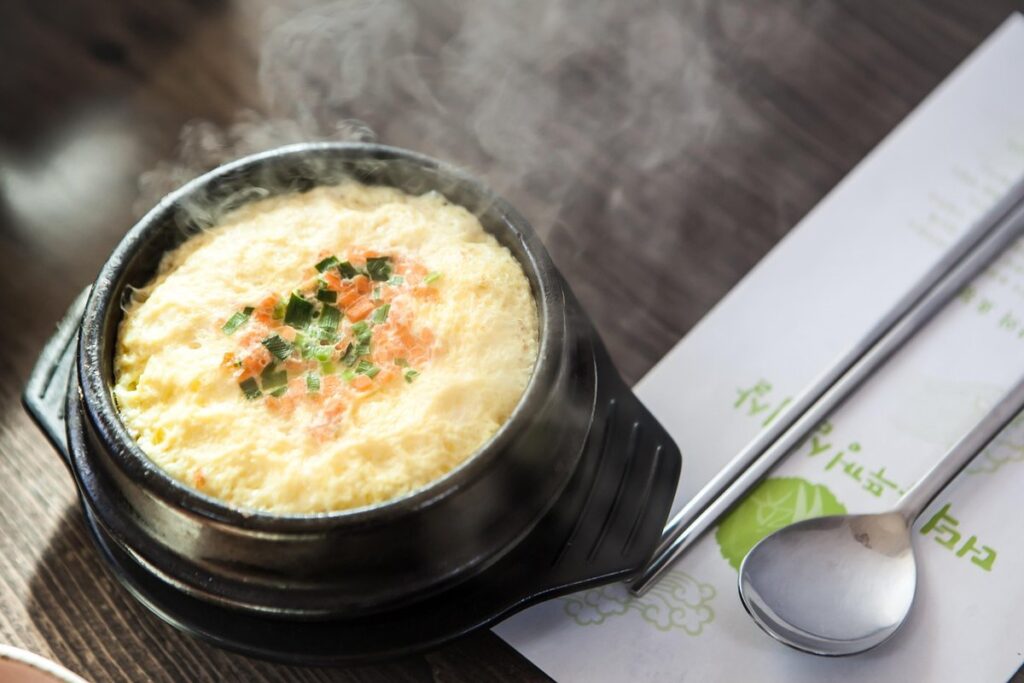
Ingredients and Equipment
To make our egg custard from scratch, you’ll need a few simple ingredients and some essential equipment that will help bring your dessert to life.
These include eggs, sugar, milk, and flavorings like vanilla, as well as a heavy-bottomed saucepan and an immersion blender.
Essential Pantry Staples
To make egg custard from scratch, you’ll need a basic pantry stocked with essential ingredients. Start with eggs – specifically large or extra-large for the best texture. You’ll also require granulated sugar to add sweetness and balance out the richness of the milk.
Milk is another crucial component; whole milk works well, but you can use a non-dairy alternative if preferred. A small amount of vanilla extract adds depth, while other optional flavorings like almond extract or citrus zest can be used to create unique variations.
In terms of equipment, you’ll need a medium saucepan that’s large enough to hold the custard mixture as it thickens. Whisk in hand, you’ll use this pan for initial heating and then gentle simmering.
Use measuring cups to accurately gauge your ingredients – this is especially important when working with small quantities like eggs. A fine-mesh strainer will come in handy when straining the cooked custard into individual serving dishes or ramekins.
When purchasing these pantry staples, consider buying them in bulk to save on costs and ensure a steady supply. Keep your milk refrigerated at 39-41°F (4-5°C) for optimal flavor and texture, and store eggs in their carton at room temperature.
Specialty Ingredients and Substitutions
When it comes to egg custard, high-quality eggs are essential for optimal flavor and texture. Look for fresh, free-range eggs with thick, firm whites and rich, orange yolks. The quality of the eggs will directly impact the richness and depth of the finished custard. Don’t skimp on this ingredient – a few dollars more for premium eggs is worth it.
If you’re looking to substitute traditional sugar in your egg custard recipe, consider using natural sweeteners like stevia or monk fruit extract. Keep in mind that these alternatives can affect the texture and consistency of the final product, so adjust your sugar-to-egg ratio accordingly. For example, if a recipe calls for 1 cup of granulated sugar, you might use half as much stevia.
You may also need to substitute traditional milk with non-dairy alternatives like almond or soy milk. These substitutions can help create a lighter, creamier texture. However, be aware that they can also introduce unwanted flavors and affect the overall balance of your custard. When working with alternative ingredients, it’s essential to experiment and adjust seasoning accordingly.
Understanding Egg Custard Fundamentals
To make egg custard from scratch, you need a solid foundation of its fundamental principles. Let’s start by breaking down the essential components that come together to create this rich dessert.
The Science Behind Curdling
When eggs meet acidic ingredients like citrus juice or vinegar, they undergo a process called coagulation. This is the science behind curdling. As you whisk eggs with acidic ingredients, the proteins on their surface begin to bond and form a network. This network traps air bubbles, leading to the characteristic “curdled” texture.
Temperature also plays a critical role in achieving a smooth custard. If it’s too high or too low, the egg proteins can coagulate unevenly, resulting in an unappealing texture. For example, if you overbeat eggs at room temperature (around 72°F), they’ll start to cook and separate prematurely.
Acidity level affects protein bonding as well: higher acidity requires a more precise balance of ingredients to avoid curdling. Conversely, adding too much fat can mute the effects of acidity, allowing for more flexibility in your egg-to-acid ratio.
A small minority of recipes omit acidic ingredients altogether, relying on gentle heat and minimal whisking to prevent coagulation. However, these methods often result in a denser custard, lacking the characteristic lightness and texture of properly coagulated eggs.
Common Mistakes to Avoid
Overcooking is a common mistake when making egg custard from scratch. It can cause the mixture to curdle and separate, resulting in an unappetizing texture. To avoid overcooking, it’s essential to cook the custard slowly and gently over low heat. Monitor its temperature closely, as it should not exceed 180°F (82°C). If you notice the mixture starting to thicken too quickly, remove it from the heat immediately.
Using the wrong type of milk is another common error. Whole milk can produce a richer flavor, but low-fat or nonfat milk may result in a lighter, more watery custard. Experiment with different types of milk to find your preferred taste and texture.
Incorrect tempering of eggs is also a critical mistake. Whisking the eggs too vigorously can introduce too much air, causing them to foam excessively during cooking. Conversely, under-whisking the eggs may lead to an uneven consistency. To achieve perfect tempering, whisk the eggs gently until they’re smooth and free of lumps, then slowly pour in the hot milk while continuously whisking. This ensures a silky texture that coats the palate evenly.
Basic Egg Custard Recipe
Let’s start with a classic: our basic egg custard recipe is the foundation for any successful dessert, requiring just four simple ingredients to get started. With these building blocks, you’ll be well on your way to creating a rich and creamy custard.
Preparing the Custard Base
To make a rich and creamy custard base, you’ll first need to whisk together eggs, sugar, and milk. Start by cracking 3-4 large eggs into a bowl, making sure to get all the egg white and yolk out of the shell. Next, add in 1/2 cup of granulated sugar and whisk until the mixture is well combined.
Now it’s time to incorporate 1 cup of whole milk into the mix. Use a gentle, sweeping motion with your whisk to combine the eggs, sugar, and milk. Be careful not to create too much foam, as this can make the custard base difficult to thicken later on.
The final step in preparing the custard base is heating it until it thickens. Place the bowl over low heat and cook, stirring constantly with a spatula, until the mixture reaches 170-180°F (77-82°C). This should take around 10-15 minutes, depending on your stovetop’s temperature. Remember to stir gently but frequently to avoid scorching the eggs or creating lumps in the custard base.
Cooling and Chilling the Custard
To prevent overcooking or curdling, it’s essential to cool and chill the custard promptly. The ideal method is to immerse the baking dish in an ice bath. This helps slow down the cooling process, reducing the likelihood of cracks or a scrambled texture. To set up an ice bath, fill a larger container with ice and add water to cover the dish.
As the mixture cools, you’ll notice it shrink away from the edges. Remove the dish from the ice bath once it reaches room temperature. Next, refrigerate the custard at 40°F (4°C) or below for at least two hours or overnight. Avoid placing the baking dish directly on a shelf, as this can lead to uneven cooling.
When using the refrigerator, keep in mind that temperature fluctuations can affect the texture of your custard. If you’re concerned about potential issues, consider investing in an instant-read thermometer to monitor the temperature. By following these steps and controlling the environment, you’ll be able to achieve a smooth, creamy egg custard.
Variations and Flavor Enhancements
Now that you’ve mastered the basic egg custard recipe, let’s get creative and explore how to add unique twists and flavor combinations to make your dessert truly special.
Classic Vanilla and Cinnamon Combinations
Vanilla and cinnamon are timeless flavors that complement egg custard beautifully. For a classic combination, use 1/2 teaspoon of high-quality vanilla extract per cup of milk. You can also add a few strands of saffron to enhance the flavor, but be mindful of its strong, slightly bitter taste. When using vanilla beans, scrape out the seeds and add them along with the pod to the mixture for added depth.
Cinnamon is another popular choice, particularly in traditional European recipes. Grate about 1/4 teaspoon of ground cinnamon per cup of milk, depending on your personal preference for warmth and spice. Cinnamon pairs well with a hint of nutmeg or cardamom for an aromatic and complex flavor profile.
When combining vanilla and cinnamon, keep the proportions balanced to avoid overpowering the egg custard. A general rule is to use 1/2 teaspoon of vanilla extract for every 1/4 teaspoon of ground cinnamon. You can adjust these ratios based on your taste preferences and the type of ingredients you’re using. Experiment with different spice levels to find the perfect balance for your homemade egg custard.
Unconventional Flavors and Add-ins
When it comes to egg custard, traditional flavors like vanilla and chocolate are always a hit. But why settle for ordinary when you can try something new? Unconventional flavors and add-ins can elevate your egg custard game and provide a refreshing twist on a classic dessert.
Consider adding a pinch of warm spices like nutmeg or cardamom to give your egg custard a unique aroma and flavor profile. These spices complement the richness of eggs without overpowering them. Alternatively, you could incorporate citrus zest, such as lemon or orange, for a bright and tangy taste experience.
If you want to add some texture and visual appeal, consider adding-ins like chocolate chips, chopped nuts, or dried fruit. Chocolate and orange are a classic combination that works well together. However, be mindful of the amount of added ingredients; too much can throw off the delicate balance of flavors in your egg custard. A small handful of nuts or a few chocolate chips will add depth without overpowering the dish.
Advanced Techniques and Tips
To take your homemade egg custard game to the next level, we’ll now share expert tips for perfecting texture and flavor. These advanced techniques will make a huge difference in your final product.
Tempering Eggs for a Silky Texture
Tempering eggs is a critical step in achieving a silky texture in egg custard. It involves gradually adding warm liquid to eggs while constantly whisking, which prevents them from scrambling and becoming too thick. To temper eggs effectively, start by warming the milk or cream to just below boiling point – ideally between 170°F to 180°F (77°C to 82°C). In a separate bowl, whisk the eggs until they’re lightly beaten.
Next, slowly pour the warmed liquid into the egg mixture while continuously whisking. Use a gentle, steady stream and maintain a consistent speed with your whisk. Stop pouring as soon as the liquid is fully incorporated – you’ll start to see the eggs thicken and turn creamy. Be cautious not to over-whisk or add too much liquid at once, as this can result in scrambled eggs.
Once tempered, fold the egg mixture into the rest of the custard ingredients with a rubber spatula until well combined. The smoothness of your tempering will significantly impact the final texture of your egg custard.
Making Egg Custard in Advance and Storing
When making egg custard ahead of time, it’s essential to follow proper food safety guidelines to ensure the custard remains safe to eat. To refrigerate or freeze the custard, allow it to cool completely after baking. Transfer the cooled custard to airtight containers and store them in the refrigerator for up to three days or in the freezer for up to two months.
When reheating refrigerated custard, gently warm it over low heat, whisking constantly to prevent scorching. Frozen custard can be thawed overnight in the refrigerator or quickly thawed by submerging the container in cold water. For longer-term storage, consider using egg custard as a filling for cakes and pastries, which can then be frozen until needed.
When storing the custard, keep it away from strong-smelling foods to prevent flavor transfer. Label containers with the date stored and contents to ensure you use the oldest items first. It’s also crucial to check the custard’s temperature regularly when reheating, especially if you’re using a microwave, as it can quickly become too hot.
Frequently Asked Questions
Can I use raw eggs in egg custard without tempering them?
Yes, but tempering eggs is highly recommended to ensure food safety and achieve the best texture. Raw eggs can contain salmonella bacteria, which can cause serious health issues if not handled properly.
How long does it take for egg custard to set completely in the fridge?
Egg custard typically takes around 2-3 hours to set in the refrigerator, depending on its size and thickness. It’s essential to chill it slowly to prevent cracking or curdling.
What happens if I add too much sugar to my egg custard mixture?
Adding excessive sugar can cause the mixture to crystallize when cooled, leading to an unpleasant texture. To avoid this, use a digital scale to measure your sugar accurately and consider reducing the amount if you prefer a less sweet custard.
Can I make egg custard in advance using non-dairy milk alternatives like almond or soy milk?
Yes, but be aware that these alternatives can affect the flavor and texture of the custard. Choose a high-quality non-dairy milk and follow the recipe closely to achieve the best results.

