We’ve all been there: scrolling through our overflowing wardrobes, feeling overwhelmed by the sheer number of clothes we own. But in our pursuit of quantity, have we forgotten about quality? Investing in fewer, higher-quality pieces can make a significant impact on reducing waste and supporting local artisans who pour their hearts into every stitch. By shifting our focus from fast fashion to timeless, well-made clothing, you’ll not only be doing your part for the environment but also cultivating a more personal sense of style that reflects your values. In this article, we’ll explore the benefits of prioritizing quality over quantity in your wardrobe and how it can benefit both you and local communities. By the end, you’ll know exactly what to look for when investing in pieces that will stand the test of time and become true wardrobe staples.
The Problem with Fast Fashion
The staggering statistics surrounding fast fashion are a harsh reality, revealing the devastating environmental and social impacts of our throwaway culture. From pollution to exploitation, let’s examine the dark side of this industry.
The Environmental Impact of Fast Fashion
Fast fashion’s environmental impact is a pressing concern. The production and distribution of cheap clothing contribute significantly to climate change, waste, pollution, and resource depletion. A staggering 12% of global greenhouse gas emissions are attributed to the textile industry, with most emissions coming from the manufacturing process.
The production process involves immense amounts of energy consumption, water usage, and chemical releases. Cotton, a primary material in fast fashion, requires large quantities of water for cultivation, while synthetic fibers like polyester are made from non-renewable resources such as petroleum. Chemicals used in dyeing and treatment processes pollute soil, air, and water.
Fast fashion’s business model is built on disposability – encouraging consumers to discard clothes after a few wearings. This results in an estimated 12.8% of global municipal solid waste coming from clothing. A small fraction of this waste is recycled or repurposed; the rest ends up in landfills, where it takes hundreds of years to decompose.
To mitigate these effects, consumers can make more informed choices about their purchasing habits and care for their clothes properly.
The Social Consequences of Fast Fashion
The social consequences of fast fashion are far-reaching and devastating. Behind every cheap t-shirt and trendy pair of jeans is a worker who has been exploited for their labor. Many garment workers, particularly in developing countries, toil in factories with poor working conditions, long hours, and low wages. They often work in sweatshops where basic safety protocols are ignored, putting them at risk of injury or illness.
The focus on quantity over quality also contributes to cultural homogenization, as local artisans and small-scale manufacturers struggle to compete with mass-produced goods. This not only erases traditional craftsmanship but also perpetuates a cycle of poverty in rural areas.
When we prioritize cheap, trendy clothing, we are indirectly supporting an industry that values profit over people. To make a change, consider investing in products made by fair-trade certified brands or local designers who work directly with artisans. Look for labels like Fair Trade Certified or World Fair Trade Organization (WFTO) to ensure that your purchases support fair labor practices. By making conscious choices about what we wear and where it comes from, we can start to shift the industry’s focus back to quality and sustainability.
The Benefits of Quality Over Quantity Clothing
When it comes to building a sustainable wardrobe, investing in fewer, higher-quality pieces can have a significant impact on the environment and your wallet. By prioritizing quality over quantity, you’ll enjoy a more timeless and versatile style.
Investing in Timeless Pieces
Investing in timeless pieces may seem like a luxury, but it’s often more cost-effective than constantly buying cheap, trendy items. When you choose high-quality clothing, you’re not just paying for the garment itself – you’re also investing in its durability and longevity. A well-made shirt or pair of jeans can last for years with proper care, whereas fast fashion’s disposable mentality means that clothes are often worn only a handful of times before being discarded.
By focusing on quality over quantity, you’ll inevitably need to purchase fewer items overall. This reduced wardrobe size may seem counterintuitive at first, but it’s actually a key benefit of this approach. With a smaller collection of timeless pieces, you’ll spend less time deciding what to wear and more time enjoying the clothes that make you feel confident and put-together.
To reap these benefits, look for items with classic designs, high-quality materials, and attention to detail. Avoid anything that feels cheap or flimsy, as it’s likely to fall apart quickly. By prioritizing quality over price, you’ll not only save money in the long run but also cultivate a sense of satisfaction and contentment with your wardrobe.
The Value of Craftsmanship and Attention to Detail
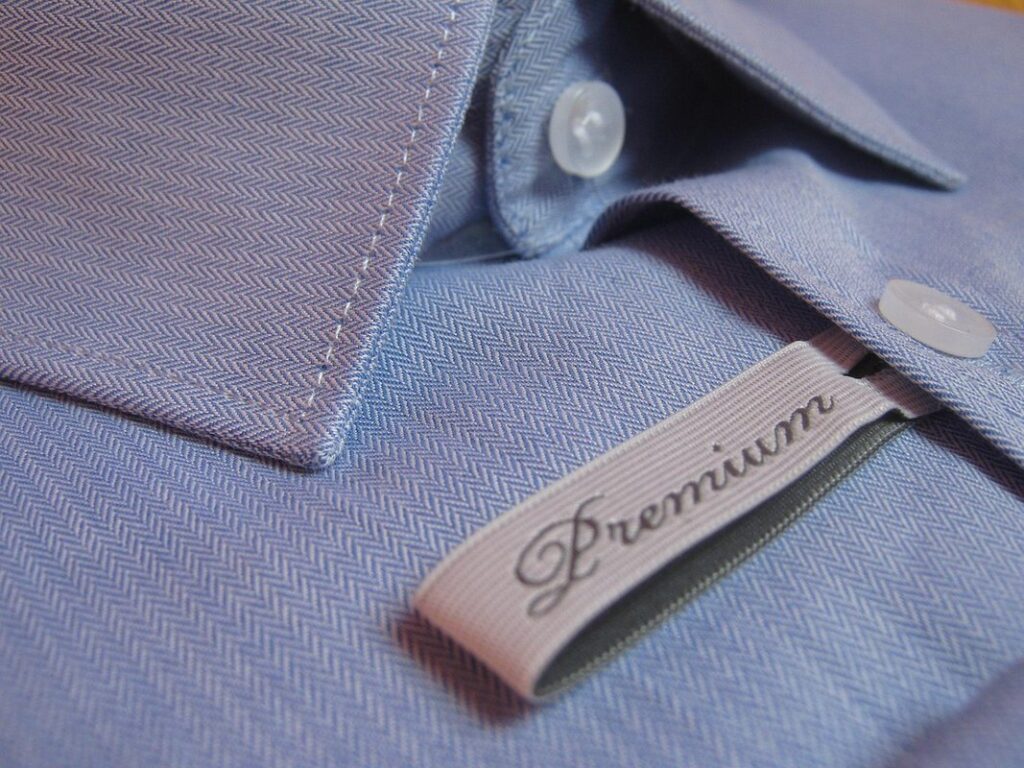
When a garment is crafted with attention to detail and high-quality materials, it’s not just a matter of aesthetics – it’s also a reflection of its durability. A well-made buttonhole, for instance, can withstand countless openings and closings without fraying or splitting. Similarly, a coat with a sturdy shoulder pad will hold its shape season after season, while one with a thin or poorly constructed pad may sag or lose its form.
The difference in construction is often subtle but significant. A garment made from high-quality wool, for example, will breathe and regulate body temperature more effectively than one made from synthetic fibers. The weave of the fabric, too, can greatly impact a garment’s appearance and durability – a tightly woven cotton will be less prone to pilling or snagging than a loosely woven one.
In an era where many garments are designed to be worn once or twice before being discarded, the value of craftsmanship and attention to detail is more important than ever. By investing in clothing that has been made with care and attention to detail, you’re not just buying a product – you’re supporting a sustainable approach to fashion that prioritizes quality over quantity.
Assessing Your Wardrobe: A Quiz for Quality Over Quantity
To truly adopt a quality over quantity approach, you need to know what you’re working with – literally. Take stock of your current wardrobe and let’s start assessing its strengths and weaknesses together.
Taking Stock of Your Closet
To take stock of your closet and begin building a sustainable wardrobe, it’s essential to start by assessing what you already have. Begin by sorting items into three categories: keep, donate, and discard. Be honest with yourself – if an item no longer fits or suits your personal style, let it go. Holding onto clothes that don’t make you feel confident or comfortable can be detrimental to your mental health and overall well-being.
When sorting through your closet, consider the 80/20 rule: 80% of the time, you likely wear 20% of your clothes. Identify these staples and consider letting go of items that don’t fall into this category. Consider the quality over quantity mantra – one or two high-quality pieces can be more valuable than a dozen cheap, trendy items.
Consider enlisting the help of a friend or family member to provide an objective perspective on your wardrobe. They may notice items you’ve overlooked and suggest letting go of items that no longer serve a purpose. Remember, this process is not about depriving yourself but about curating a collection of pieces that bring you joy and confidence. By letting go of what’s no longer needed, you’ll create space for new, sustainable additions to your wardrobe.
Evaluating Clothing Quality and Durability
When evaluating clothing quality and durability, pay attention to the seams. Look for tight stitching and a smooth finish. Check if the thread is even and not visible from the outside. Avoid clothes with loose or uneven stitching, as it can come apart quickly.
Examine the fabric content and consider the seasonality of the item. Natural fibers like cotton, wool, and silk are generally more durable than synthetic ones. However, some synthetic fabrics like polyester and nylon have improved significantly in recent years. Check if the fabric is blended with other materials or if it’s a single type of fiber.
Check for signs of wear, such as fading, pilling, or fraying. These can be indicators of low-quality materials or construction methods. Look at how the garment is constructed: are seams exposed to stress points like shoulders and elbows? Are there any visible reinforcement stitches?
Durable materials often have specific characteristics. For example, high-quality denim tends to have a subtle stretch and a heavy weight. Look for items made from these types of materials or those that use traditional craftsmanship, such as hand-stitching or wooden buttons.
Building a Sustainable Wardrobe: Tips and Strategies
When building a sustainable wardrobe, it’s essential to focus on high-quality pieces that can be mixed and matched to create multiple outfits. This approach will not only reduce waste but also save you money in the long run.
Buying Second-Hand First
When you start building a sustainable wardrobe, consider buying second-hand clothing first. This approach reduces waste by giving old clothes new life and decreasing the demand for new, resource-intensive garments. Additionally, thrift shopping can be budget-friendly, with many unique finds available at a fraction of their original price.
Thrift stores like Goodwill, Salvation Army, and local charity shops are great places to start. Online platforms like ThredUp, Poshmark, and eBay also offer a wide selection of second-hand items. When shopping online, read reviews and check the seller’s ratings to ensure you’re buying from a reputable source.
When caring for second-hand items, follow basic laundry instructions to prevent damage. Avoid using fabric softener or bleach, which can strip fabrics of their natural oils and reduce their lifespan. Instead, opt for gentle detergents and cold water washing. Some second-hand items may require special care, so be sure to check the labels or ask the seller for guidance.
By incorporating second-hand shopping into your wardrobe-building routine, you’ll not only save money but also reduce waste and discover one-of-a-kind pieces that reflect your personal style.
Investing in Quality Brands and Local Designers
When investing in a quality wardrobe, it’s essential to support brands and designers who prioritize sustainability and craftsmanship. These companies often have a deep understanding of their environmental impact and strive to minimize waste throughout their production processes. Look for labels that use eco-friendly materials, reduce water consumption, or implement recycling programs.
Researching reputable companies can be done through various means. Start by reading reviews from other customers, checking social media for transparency about their supply chain and manufacturing practices, and visiting their websites to learn more about their values and mission statements. Some brands also partner with organizations that promote sustainability in fashion, such as the Global Organic Textile Standard (GOTS) or the Sustainable Apparel Coalition.
When shopping online, consider checking out companies like Patagonia or Reformation, which have made a name for themselves by prioritizing environmental responsibility. You can also explore local designers and artisans who create handmade pieces with sustainable materials. By supporting these businesses, you’re not only investing in quality clothing but also contributing to a more environmentally conscious fashion industry.
Caring for Your Clothes: Tips for Extending Their Life
To get the most out of your high-quality garments, it’s essential to learn how to properly care for them, from washing and drying to storage and repair.
Washing and Drying Techniques
When it comes to washing and drying your clothes, the techniques you use can significantly impact their lifespan. Delicate fabrics, such as silk, wool, and lingerie, require special care. Hand-washing is often the best option for these items, using a mild detergent specifically designed for hand-washing. Fill a sink or basin with lukewarm water, add a small amount of detergent, and gently submerge the garment.
For machine washing, use cold water whenever possible to prevent shrinkage and color bleeding. Avoid overloading the washer, as this can cause friction between clothes and lead to pilling or snagging. Also, remove any items that are prone to snagging, such as belt buckles or zippers, before putting them in the wash.
When it comes to drying, avoid over-drying your clothes, as this can cause wrinkles and creases. Remove garments from the dryer while they’re still slightly damp, and hang them up immediately to air dry. You can also use a drying rack for delicate items that shouldn’t be exposed to heat.
Here are some general guidelines for washing and drying different types of fabrics:
- Delicate fabrics: Hand-wash in cold water with mild detergent
- Wool and silk: Use gentle cycle on low heat, avoid wringing or twisting
- Activewear and towels: Wash in warm water, high heat for towels only
Mending and Repurposing Clothing
Mending and repurposing clothing is a vital skill for anyone looking to extend the life of their garments and reduce waste. By learning how to repair and reimagine existing pieces, you can breathe new life into tired favorites and create unique, one-of-a-kind items. One of the simplest ways to mend clothing is by patching tears – a quick and easy process that requires just a few basic sewing supplies.
Before you start mending, assess the garment’s condition and prioritize repairs based on their impact on its overall functionality. For example, if a dress has a torn hemline, it may be worth taking the time to re-hem it rather than patching the tear itself. When repurposing old garments, think creatively about how you can reuse existing components – such as turning an old t-shirt into a reusable bag or upcycling a faded sweater into a new pair of gloves.
Consider the following tips when mending and repurposing clothing:
- Use natural fibers like cotton and wool for patching, as they are breathable and easy to work with
- Invest in a good quality needle and thread that matches your garment’s original color
- Think outside the box when it comes to upcycling – consider using fabric scraps or repurposed materials like old buttons or zippers
The Future of Fashion: Trends and Innovations in Sustainable Design
As we look ahead, sustainable design is taking center stage in fashion, with innovative materials and production methods emerging that prioritize both style and planet-friendly practices.
Emerging Technologies and Materials
Plant-based fabrics are revolutionizing the fashion industry with sustainable materials like Piñatex, a non-woven textile made from pineapple leaf fibers. This innovative material reduces waste and conserves natural resources, while also offering a luxurious feel and aesthetic appeal. Digital printing is another emerging technology that minimizes waste by allowing for on-demand production of custom designs and patterns. This eliminates the need for excess stock and printing mistakes.
3D printing in fashion is gaining momentum, enabling designers to create complex geometries and customized pieces with reduced material usage. For instance, shoe designer Iris van Herpen used 3D printing to create a stunning pair of shoes that would have been impossible to produce through traditional methods. Digital printing also enables the creation of unique textures and patterns, such as faux leather or suede, which can be made from sustainable materials.
As these technologies continue to evolve, they are expected to play an increasingly important role in reducing waste and promoting sustainability in the fashion industry. For consumers, this means having access to high-quality, eco-friendly clothing options that not only minimize environmental impact but also offer a unique aesthetic appeal.
Collaborative Consumption and Sharing Economies
Collaborative consumption and sharing economies are gaining traction in the fashion industry, challenging traditional ownership models. Clothing rental services like Rent the Runway and ThredUp allow consumers to rent designer garments for a fraction of the cost of buying them outright. This model reduces waste, conserves resources, and provides access to high-end fashion without the hefty price tag.
Clothing swaps and co-ownership models are also emerging as alternatives to traditional ownership. Online platforms like Swap.com and ThredUp’s “Goody Box” facilitate clothing exchanges between individuals, promoting a culture of sharing and reuse. Co-ownership models, such as clothing subscription services, enable multiple users to share ownership of a single item, reducing the number of garments in circulation.
While these new business models offer numerous benefits, including reduced waste and increased access to fashion, they also present challenges. For instance, some critics argue that rental services perpetuate the “fast fashion” mindset by promoting frequent consumption. Others worry about the environmental impact of shipping and logistics associated with clothing rentals. As the sharing economy continues to evolve in the fashion industry, it’s essential to weigh these benefits against potential drawbacks and consider how they align with your values as a consumer.
Frequently Asked Questions
Can I still wear fast fashion while trying to adopt sustainable fashion practices?
Yes, but it’s essential to be mindful of the environmental and social impact of your purchases. Consider buying second-hand or vintage items first, and gradually phase out fast fashion from your wardrobe.
How do I care for expensive, high-quality clothing that I’ve invested in?
High-quality clothing often requires gentle washing and drying techniques to maintain its integrity. Check the care label for specific instructions, and consider hand-washing delicate fabrics or taking them to a professional cleaner if unsure.
What if I have a large family or live with multiple people – how can I implement sustainable fashion practices on a larger scale?
Focus on creating a shared wardrobe culture by encouraging family members to contribute to a joint clothing collection. Consider implementing a “one in, one out” policy, where each new item is balanced by the removal of an old one.
How do I identify quality brands and local designers that align with my values, especially when shopping online?
Research companies by reading reviews, checking their social media presence, and looking for certifications like Fair Trade or B Corp. You can also ask friends or join online communities to get recommendations from people who share your values.
What if I’ve already invested in a large wardrobe of cheap clothing – should I just throw it all away?
No, there are still ways to give old clothes new life. Consider hosting a clothing swap with friends, donating gently used items to charity, or repurposing old garments into new ones through DIY projects like upcycling or patching.